“I was so happy with the way I was handling the new addition that my following depression blew me out of the water. My husband was away on a trip, and I got a new car. Sounds like a good thing, but somehow I found driving a new car with its new buttons and pockets in different places to be overwhelming. To be fair, it was also a nine-seater. I’ll let you sit with that.”
I am a mother of eight. My youngest is 16 months old and my oldest is expecting my first grandchild at 22 years of age. I am extremely blessed. I am also a woman who has experienced multiple episodes of Postpartum Depression (PPD.)
I’m told I’m predisposed to anxiety, which resonates with me. As far as I know, I didn’t experience PPD with my first two births. For what it’s worth, all of them were normal, healthy births. After my third, a lot of things irritated me. A lot! I found my fists clenched all of the time and it took a bit before I realized that wasn’t normal. I wanted to enjoy my baby, husband and other kids but everything set me off. I got a psychiatrist referral from my doctor who promptly prescribed psychotropic meds. I started getting debilitating headaches and was concerned that they were a side effect of the meds. My kids were making a lot of noise when I reached out to the psychiatrist by phone and had my concerns dismissed. He surmised that if he had as many kids as me, and it was so noisy around him, he too would have a headache and hung up. Imagine what he’d say about the five more kids I have now!
Needless to say, I deleted his contact, and told my OB to take him off of his referral list. When a person is in a vulnerable state, she needs understanding and empathy; not cruelty and sarcasm.
Then came baby number five. I had a bit of a bumpy ride leading up to the birth because my parents had divorced a year earlier and my dad was getting remarried. It was a bit dysregulating, (read: one of the hardest experiences of my life emotionally). I mention this because at that time I may have already been in a high stress situation and standing at the edge of the cliff. Maybe, who knows? I had the best time with my baby for four weeks. I was present, my other kids were excited, and they were in camp during the day so I had some time alone with the baby. I even had my dad and stepmom over for the first time. The higher you are, the harder you fall.
I was so happy with the way I was handling the new addition that my following depression blew me out of the water. My husband was away on a trip, and I got a new car. Sounds like a good thing, but somehow I found driving a new car with its new buttons and pockets in different places to be overwhelming. To be fair, it was also a nine-seater. I’ll let you sit with that. When my husband called that evening, I told him I couldn’t breathe because that’s how I felt. I hadn’t realized at the time that I was having a panic attack. I actually think I only figured it out recently.
When he returned home, and I was clear that something was horribly wrong, I tried to find a psychiatrist that I could trust but they all had a minimum two week wait. At this point I was getting desperate. I asked to be hospitalized and was turned down because I wasn’t a danger to myself or anyone else. I did not feel like I could be left at home. All I knew is that I needed to be “fixed” ASAP.
My OB prescribed Xanax to tide me over until a psych appointment. I took one pill and slept for 17 hours straight. When I awoke, I couldn’t follow anything with my eyes. That’s when it all started to fall apart. I couldn’t sleep, even for a minute. You’d think having a one month old would’ve made me tired but I physically could not close my eyes. I couldn’t eat, never mind drink, and I’m usually a stress eater not a starver. My closet seemed too overwhelming for me to choose an outfit so I stayed in pajamas. I couldn’t go near the baby and then I couldn’t even leave my room. Everything seemed so frightening. I felt like the walls were going to cave in, literally. If I hadn’t experienced it myself, I wouldn’t believe it. Now I feel like it’s just a movie I once watched. I was afraid to do things I had been doing for decades because they all seemed overwhelming. The future seemed scary and bleak. Does this mean I can’t have any more kids? Will I ever be able to take care of the baby? Leave the house? Get dressed?? What will my other kids do? It was a dizzying spiral. And then, a friend of mine brought over her friend who had PPD with her first child.
I knew this woman. She had a full life, a normal life. She had a second child after her episode and it all went well. We spoke and she gave me hope, even if it was the tiniest bit. I had some old meds (I do not recommend trying this at home) so I took one. And the world was different. It was so different. I don’t think it’s common for people to turn around as quickly as I did, but I’m grateful. I felt like I could see a way out, and once things were a bit more stable, I was able to wait for my doctor appointment with more ease. I met my superstar psychiatrist, Dr. Jennifer Yashari. She focuses only on the woman’s cycle, so things like PPD, infertility, pregnancy, adoption, menopause etc. She wanted me to get more out of the medication so she made me a cocktail that I’ve been taking ever since.
When the baby was 15 months old, I found myself with a surprise twin pregnancy, yes I know how that sounds. It scared the living daylights out of me. Dr. Yashari reminded me that this time was different. I had knowledge, I was prepared, I had her, my meds, and we were watching. I stayed on the meds throughout the pregnancy, as research has not concluded that it’s dangerous, but unstable mental health definitely is. As far as I know, one of the babies was a bit sleepy for a day and that was the extent of the effects my meds had on the pregnancy. When my life was at its most hectic, with three kids aged two and under, plus another four above them, I was at my most stable.
Eight years later, we went for one more, just for fun. It was the most amazing pregnancy and an awesome postpartum experience. Since then we have also married off a child, are expecting a grandchild and I have been open and honest about my challenges with my kids. My pregnant daughter finds comfort in knowing that I am looking out for her and will do everything to keep her safe. PPD should not be stigmatized; it’s not a guarantee, and it’s treatable. We need to educate our partners and family members to keep their eyes out for anything that seems unusual and have them bring it up in the most gentle of ways. If you or anyone you know is questioning their mental health after giving birth to a baby, reach out to a professional and get evaluated. You are not alone and you won’t be like this forever.
***
This post is written in memory of my superstar OB, Dr. Jay Goldberg. Like many of his patients, I considered him a cherished friend. His days were too few, his accomplishments many, and his loss devastating to those who knew him. He helped bring my lights into this world all the while emanating his own bright light and he is missed by many, every single day.
Sarah Goldberg is a licensed life coach in private practice. She is on sabbatical while she immerses herself in the joys of raising a toddler and a family of 10. She lives in Los Angeles, where she can be found at a different public playground every day!
She welcomes any questions or opinions on pregnancy, labor, or child raising and can be reached through sarahlgoldberg@gmail.com.
“With the rise of women returning to work postpartum, mothers in the 21st century have faced an unprecedented time in traditional partnerships where the mother works full time yet remains largely responsible for the household duties, the invisible work, and emotional labor that play integral roles in keeping a household running smoothly.”
You don’t have to look far to see that mommy wine culture has seeped into every aspect of
motherhood. From infant onesies that joke “I’m the reason mom drinks,” to the aisles of Target – shirts emblazoned with the words “mommy needs wine,” to popular Instagram reels of moms coyly pouring booze into their tumblers as they prepare for a day watching youth sports from the sidelines.
Mommy wine culture is a social narrative that jokes or implies moms need alcohol to cope with the challenges of raising children. It seems innocent enough. After all, motherhood is daunting and sometimes ruthless. Every so often, moms need an inside joke to ease the tension of just how hard it can be, and a little ‘mom juice’ never hurt anyone, right?
The problem with mommy wine culture comes when you start to question how we got here, and it turns out the answer has very little to do with wine at all. The proliferation of jokes about needing wine to cope is a symptom of much larger issues, and they are issues all mothers need to be aware of.
With the rise of women returning to work postpartum, mothers in the 21st century have faced an unprecedented time in traditional partnerships where the mother works full time yet remains largely responsible for the household duties, the invisible work, and emotional labor that play integral roles in keeping a household running smoothly. Often described as the ‘mental load,’ the responsibility of a parent to run the household, organize, remind and plan generally falls on the mothers’ shoulders. Data shows that 90% of partnered moms said they alone were responsible for the entire family’s schedule.
Combined with sub-par maternity leave options, depending on what state you live in and what company you work for, 6 in 10 mothers return to work less than four months postpartum, and 26% return less than two months postpartum. The United States is one of six countries worldwide that does not offer paid parental leave. Child development as well as mental health research shows this leaves a tremendous strain on everyone in the family and deters critical early attachment for a newborn.
Mental Health and Motherhood
For a mother, mental health is extremely important, not just because sleep deprivation and stressors of new motherhood make this time uniquely challenging, but also because new moms are potentially prone to postpartum depression or anxiety. At a time when all eyes shift to the newborn, a mother’s mental and emotional needs can sometimes feel swept under the rug both by loved ones and the doctors doing postpartum physical check-ups.
When you also consider the pink-washing of the alcohol industry over the last few decades, advertising, labeling, and even new lines of products (hard seltzers and ‘skinny’ malt beverages) marketed directly to women, it’s no wonder alcohol use in women has skyrocketed, with a 2021 study showing a 70% increase in alcohol-related visits to the emergency room for women.
More and more women are using alcohol to cope with the unprecedented stressors of motherhood. In a period when mothers are encouraged to ‘lean in’ to the highly competitive nature of corporate roles while trying to make home life look effortless, using alcohol to cope with stress is an obvious crutch. Yet unlike healthier coping mechanisms, such as exercise or time in nature, alcohol is an addictive substance linked to six types of cancer and causes more than 140,000 deaths a year in the US alone.
What Real Support for Mothers Means
Suddenly those ‘mommy needs wine’ jokes don’t feel quite so innocent. The problem with mommy wine culture isn’t about the wine itself, it’s about why mothers are turning to alcohol in the first place and the solution is finding better ways to support mothers through these weary, wonderful years.
Support includes having tough conversations in our partnerships about moving towards more equal distributions of household responsibilities. It means better support at work, with companies offering paid maternity and paternity leave options two months or longer, or voting for policymakers who will make legislative changes at the state or federal level. Finally, it means building a community where mothers feel safe and supported, where they can find mental health resources and receive regular screenings for postpartum depression and anxiety. In a community that values mothers and their time, health and work, mothers may still enjoy a glass of wine… but they won’t “need” it.
Sober mom advocate Celeste Yvonne is a writer and certified recovery coach (IAPRC) with over 20 years of experience as a communications professional in corporate America. Her essays on parenting, the mental load of motherhood, mommy wine culture, and sobriety resonates with mothers everywhere and has been featured in the Washington Post, Good Morning America, Today Show, and Refinery 29, among others. She is also a contributing writer to the Wall Street Journal and Publishers Weekly bestseller So God Made a Mother.
Over five years sober and a founding host of the Sober Mom Squad, Celeste advocates for mothers who struggle with addiction and mental health. She is a recipient of the Windfelt Inspire Award by the Dry Society Social Club, as well as 2x winner of Red Tricycle’s Spoke Challenge for best writing. She lives in Reno, Nevada, with her husband and two children.
Connect with Celeste Yvonne:
Official site: www.celesteyvonne.com
Facebook: @theultimatemomchallenge
Instagram: @theultimatemomchallenge
“ Instinctively, parents want to be in contact with their children—it’s why leaving your baby alone to cry can feel so painful. It is painful, for both parents and children. If you have been denying yourself and your baby that close attention, be assured that being in touch with your baby as much as possible is a healthy biological drive and, importantly, provides essential brain-building experiences.“
I am a neuroscientist, doula, and mother on a mission to improve mental health for the next generation. Poor mental health is a serious and worsening worldwide crisis (1). Much of the
focus for improving mental health has been to find treatments for individuals who are already
suffering. My career studying neuroscience and practicing as a doula has informed me that there is an additional and powerful way to improve mental health outcomes. The knowledge
I’ve gained has inspired me to communicate this transformative knowledge to parents, perinatal professionals, and the world. We can get to the root of the problem, and neuroscience has shown us the way.
To make a difference in alleviating mental health struggles, we need a revolutionary cultural
shift in awareness and intention to the time where mental health is formed. The latest
neuroscience research indicates that fundamental brain structures for lifelong mental health
are extensively built during infancy, from conception to three years old. Put simply, that means infancy is a special season of life to build a baby’s brain for lifelong mental health. The primary brain structures that underlie mental health are built by experiences in infancy beginning at conception and continuing to three years old. These brain areas include the amygdala, hypothalamus, hippocampus, prefrontal cortex, and the oxytocin system. They can each be shaped towards resilience and lifelong mental health. We know now that the best way to do this is by providing babies with highly nurturing experiences (2).
There are many ways we can intentionally provide highly nurturing experiences to babies.
Nurturing touch, in high amounts, is one of the most powerful ways we can support a baby’s
developing brain in building structures that support mental health. Instinctively, parents want to be in contact with their children—it’s why leaving your baby alone to cry can feel so painful. It is painful, for both parents and children. If you have been denying yourself and your baby that close attention, be assured that being in touch with your baby as much as possible is a healthy biological drive and, importantly, provides essential brain-building experiences.
Here are a few simple ways parents and caregivers can practice nurtured care in children up to
Three-years-old:
1) Practice skin-to-skin from 0-3 months.
Take your baby’s clothes off except for their diaper, then take off your shirt. Lay baby’s
body on your chest, with their nose facing up and their airway open, so you are skin to
skin. Then cover baby’s body with a blanket and relax and breathe. I recommend this practice in the first three months for all parents and caregivers for at least 60-90 minutes a day up to several hours a day. If someone comes over to meet your baby, get them a robe and set them up for skin to skin.
2) Offer lots of holding and loving touch.
You can hold your baby as much as you want and as much as your baby needs. Hug
them, kiss them, and cuddle them. Let them sleep on you (while you are awake,) wear
them in a carrier, touch them as you speak softly to them and look in their eyes. Lay
them on your belly as they do tummy time.
3) Provide contact or closeness during feeding.
When you are feeding your baby milk, by any means, hold your baby in your arms and
give them all of your attention and presence. You can make eye contact, hold your
baby’s hand and speak to them lovingly.
4) Give unconditional access to being held or touched.
Babies need a lot of holding and touch and they need you to respond to this need unconditionally. When babies need closeness they might reach up for you, cry or ask to be picked up. They flourish when we respond and provide what they need. Infancy is a special season of life that offers a unique opportunity to boost mental health for babies and for future generations. We are deeply in need of a Nurture Revolution, a profound increase of nurture in early life. Nurture for babies, nurture for parents, more connection, more intuition, and more joy. Babies need deep connected positive relationships in the first three years of their life, and beyond.
Doherty, T. S., Forster, A. & Roth, T. L. Global and gene-specific DNA methylation alterations in the adolescent amygdala and hippocampus in an animal model of caregiver maltreatment. Behav Brain Res 298, 55– 61 (2016).
Ciernia, A. V., et al. Experience-dependent neuroplasticity of the developing hypothalamus: Integrative epigenomic approaches. Epigenetics 13, 318– 330 (2018);
Singh-Taylor, A., et al. NRSF-dependent epigenetic mechanisms contribute to programming of stress-sensitive neurons by neonatal experience, promoting resilience. Mol Psychiatr 23, 648– 657 (2017)
Korosi, A., et al. Early-life experience reduces excitation to stress-responsive hypothalamic neurons and reprograms the expression of corticotropin-releasing hormone. J Neurosci 30, 703– 713 (2010).
Lester, B. M. et al. Epigenetic programming by maternal behavior in the human infant. Pediatrics 142, e20171890 (2018)
Zhang, T. Y., Labont., B., Wen, X. L., Turecki, G. & Meaney, M. J. Epigenetic mechanisms for the early environmental regulation of hippocampal glucocorticoid receptor gene expression in rodents and humans. Neuropsychopharmacol 38, 111– 123 (2012)
Weaver, I. C. G. et al. Epigenetic programming by maternal behavior. Nat Neurosci 7, 847– 854 (2004).
Blaze, J., Scheuing, L. & Roth, T. L. Differential methylation of genes in the medial prefrontal cortex of developing and adult rats following exposure to maltreatment or nurturing care during infancy. Dev Neurosci 35, 306– 316 (2013).
Perkeybile, A. M., et al. Early nurture epigenetically tunes the oxytocin receptor. Psychoneuroendocrinology 99, 128– 136 (2019)
Maud, C., Ryan, J., McIntosh, J. E. & Olsson, C. A. The role of oxytocin receptor gene (OXTR) DNA methylation (DNAm) in human social and emotional functioning: A systematic narrative review. BMC Psychiatry 18, 154 (2018).
Krol, K. M., Moulder, R. G., Lillard, T. S., Grossmann, T. & Connelly, J. J. Epigenetic dynamics in infancy and the impact of maternal engagement. Sci Adv 5, eaay0680 (2019)
Pena, C. J., Neugut, Y. D. & Champagne, F. A. Developmental timing of the effects of maternal care on gene expression and epigenetic regulation of hormone receptor levels in female rats. Endocrinology 154, 4340– 4351 (2013).
Greer Kirshenbaum, PhD is author of The Nurture Revolution, Neuroscientist and Doula
“ It can be difficult to take a nap when your mind is racing. Doctors have found that binaural beats can change the brain’s production of delta waves. Delta is the brainwave frequency that causes a person to fall asleep.“
As a mother-to-be, new mother, mother of five, or empty nester, there is one thing you will always need—just ten minutes to yourself to center, refresh, and recharge your brain and body before dropping back down into your centered heart. Motherhood involves the “invisible workload” of ensuring kids’ happiness and family survival. Some women describe child raising in addition to employment as a seemingly endless “second shift”. You may experience anxiety due to feelings of overwhelm. Women are nearly twice as likely to develop anxiety as men. Binaural beats are an easy-to-use, easily accessible, and non-invasive way to recharge your precious me-time. Binaural beats technology shows great potential since users do not need to ingest drugs to change their brainwave patterns. It can now be done using sound alone.
Pregnant women may experience stress and anxiety. Almost one-quarter of women experience worry, nervousness, and agitation during pregnancy. Relaxation is especially important for women suffering from pregnancy complications. The human brain is sensitive to sound. Your entire nervous system operates as a semiconductor for sound. Sound triggers brainwaves that travel along the connective tissue and through water channels inside the body. Listening to binaural beats can be a safe way to feel happier and more relaxed while you are pregnant.
What are binaural beats and how do they work? They consist of two slightly different sound frequencies, one in each ear using headphones. The brain responds to the difference between the two sound frequencies by producing a third sound, an auditory illusion that exists only in the listener’s mind. The two hemispheres of brain are brought into harmony with the third sound. According to research, your brain learns and expresses emotions at different brainwave frequencies. When you use binaural beats to change your brainwaves, you can change the way you feel. How can binaural beats change the way the brain operates? Brain cells produce brainwave patterns that correspond to emotions and feelings. By using binaural beats to bring about a specific brain frequency, you can reverse engineer the way your brain works.
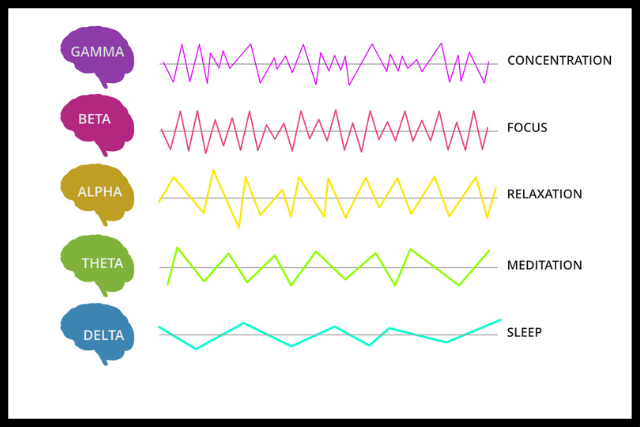
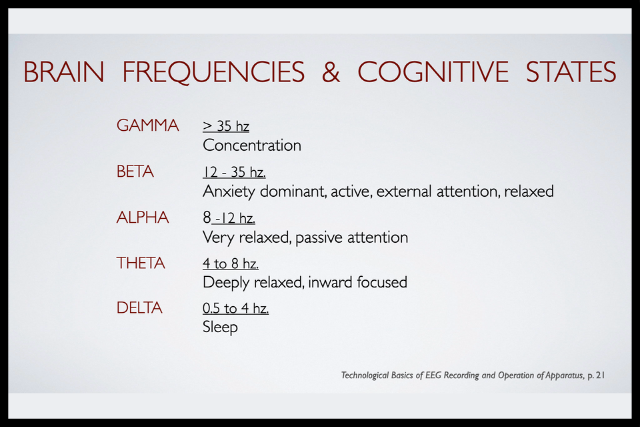
Four brainwave frequencies are used in binaural beats products. Alpha binaural beats are popular due to their ability to reduce anxiety and promote relaxation. When the brain goes into an alpha brainwave pattern, it produces extra supplies of the chemicals associated with happiness, including melatonin, beta-endorphin, and dopamine. The brain responds to the sound of alpha beats by producing its own supply of alpha waves at a frequency of 8-12 Hz. Alpha brain waves bring a state of relaxation and reduced stress. Some people find that listening to alpha beats while practicing meditation or deep breathing exercises heightens the relaxing effect. Alpha beats have even been used to help dental surgery patients relax. The positive effect of time spent in alpha can last for several hours.
Beta binaural beats are another option for recharging. You can use beta binaural beats to focus and learn. We are in beta when we are awake and alert during waking hours. You can listen to beta beats to increase mental focus while studying, working, or engaging in other mentally demanding tasks. Yet, beta is also the state in which we feel the most stress. You can shift out of beta into alpha or theta to relax. The use of a repetitive theta sound beat to cause feelings of bliss is as old as trance music, dancing and drumming. Theta causes an even deeper state of relaxation than alpha. Theta beats have even been used to reduce pain and lower the need for pain medication in clinical settings. A recent study showed that persons who listened to binaural beats of a theta frequency for ten minutes were able to quickly relax and enter a meditative state. Here is how you would use theta binaural beats to reach deep relaxation. Select a theta binaural beats product that provides tones of 440 hertz for the left ear, and 446 for the right ear. As you listen to the tones, your brain will respond by producing a 6 hertz theta frequency pattern, which will resonate in the two hemispheres of your brain and cause very deep relaxation.
You can use binaural beats at delta frequency to help you sleep. Delta brainwaves are associated with deep sleep. Listening to delta beats before bed or while practicing relaxation techniques can lead you to a state of deep relaxation and even improve sleep quality. It can be difficult to take a nap when your mind is racing. Doctors have found that binaural beats can change the brain’s production of delta waves. Delta is the brainwave frequency that causes a person to fall asleep. Even doctors listen to delta binaural beats to relax quickly and take a brief nap.
Use binaural beats to enter brainwave state of your choice for your ten-minute mommy recharge. Binaural beats are played beneath music, so choose music that you like. Since the beats work by playing a different tone in each ear, use headphones or earbuds to listen. Always listen to the binaural beats for at least seven minutes. It takes at least that long for brain neurons to starting firing at the same rate as the beat that you hear. You will find that music super charged with binaural beats is a powerful synergy for a 10-minute mommy break.
,Elizabeth is the first (and so far only) person in the world to hold a PhD in Binaural Beats. She has the most current published review of the field in her groundbreaking dissertation“The Effects of Auditory Binaural Beats on Consciousness and the Human Nervous System.” In her 10 years as a sound practitioner, she noticed the superior effectiveness of this sound technology and dedicated 5 years to its scientific study. She personally uses Binaural Beats on herself and her clients, and ,makes and sells Binaural Beats. She releases monthly Binaural Beats on her podcast “,Beats of the Month” and has an app under design.
“…moms may need to wean their babies or switch to formula before the surgery since both anesthesia and antibiotics can impact breast milk.”
After childbirth, many moms start wondering how they can enhance their physical appearance, allowing them to feel confident in their own skin or extend some of that pregnancy glow.
Women who have given birth can undoubtedly be good candidates for plastic surgery. Still, according to board-certified facial plastic surgeon Dr. Nima Shemirani of Eos Rejuvenation in Beverly Hills, it is essential to wait an appropriate amount of time, ensuring the body is ready for the rigors of surgery.
When To Schedule Your Procedure
All moms are different, and their post-pregnancy recoveries can progress at varied timelines. For most, Dr. Nima recommends waiting three months before having any type of aesthetic surgery.
After cesarean or vaginal birth, it is vital to wait before considering a plastic surgery procedure for several reasons. Most importantly, this time allows the body to regain strength following childbirth and reduce the risk of complications during recovery. Additionally, moms may need to wean their babies or switch to formula before the surgery since both anesthesia and antibiotics can impact breast milk. For these reasons, Dr. Nima recommends that moms wait at least three months before considering a plastic surgery procedure and recommends consulting with their doctor first to determine the best plan of action tailored to their specific case.
The Advantages of Waiting
While it is perfectly natural to feel eager or impatient about transforming your appearance, there are ultimately many advantages to waiting.
One of the main benefits of waiting a year or so before having surgery is that recovery from plastic surgery requires a fair amount of downtime, and most patients will need to rest and heal for a week or more. Peace and quiet may be hard to come by when you have a baby in the house, but not as challenging as juggling your recovery with newborn sleep cycles, breastfeeding, and the like.
But the main reason to delay surgery is for your general health and wellness. Giving birth to a baby is no small thing; it will weaken your body for several weeks or even months.
Talk to Your Doctor
Ultimately, the best way to evaluate your readiness for plastic surgery is to talk to your doctor. Your readiness depends on your unique recovery timeline, which only you and your medical provider can determine. If you’d like more information on plastic surgery after childbirth, contact Dr. Nima of Eos Rejuvenation today to learn how cosmetic procedures may benefit your post-baby transformation journey.
Dr. Nima Shemirani grew up in a family of artists and found himself drawn towards the field of medicine in college when he recognized that biology is an equalizer. “Underneath the microscope, we are all the same: we are merely human without color, race or religion.” This personal revelation spurred a deep passion, and Dr. Nima applied to and excelled at the prestigious Medical School of Wisconsin where he also completed his Otolaryngology (ENT) residency. Dr. Nima then secured a greatly-coveted fellowship with the globally-respected Glasgold Group in New Jersey, where he trained under some of most highly trained plastic surgeons in the world.
With a luxurious office and Medicare-certified (highest certification) surgery center in the heart of Beverly Hills, Dr. Nima offers individualized and artistic results for his patients, specializing in facial plastic surgery (i.e. rhinoplasty, facelifts, brow lifts, earlobe reduction, etc.), ENT (ear, nose and throat procedures) and non-surgical facial enhancements (i.e. lip augmentation, non-surgical rhinoplasty, injectables, etc.).
Beyond his impressive credentials, Dr. Nima has developed a compassionate sensitivity to his patients’ needs and fears. He takes the time to really listen to them and collaborates with each one to develop a highly personalized approach that directly addresses not just that patient’s particular issue but also takes into account the individual’s personality, sensitivities and concerns. He creates a warm atmosphere where his patients feel safe, secure and nurtured.
” Birth (any type of birth whether it is a c section, epidural, non medicated or induction) requires focus, concentration and a sense of calm in order to trust the journey ~ meditation is the perfect preparation.”
Looking to create a more mindful, empowering experience throughout your pregnancy? Meditation could be your ticket to calming those nerves, balancing your hormones and preparing for labor.
Sounds too good to be true? Well, the yogis have known the benefits of mediation for
centuries and now we have the science to back it up.
Studies have shown that pregnant women who meditate or have a mindfulness practice
tend to be more in touch with their bodies during pregnancy, labor and the postpartum time. They have an increased connection with their growing babies and have lower rates of postpartum depression. Also, fear of labor decreased significantly.
In fact, researchers from Wake Forest University (Zeiden et al) found that, after only four days of meditation training, subjects could handle pain 27% better than the control group. Pain relief in birth – sign me up!
Birth (any type of birth whether it is a c section, epidural, non medicated or induction) requires focus, concentration and a sense of calm in order to trust the journey ~ meditation is the perfect preparation.
Benefits of Meditation:
*prepare mentally for childbirth – relaxed mind, relaxed body = easier birth
*lowers blood pressure
*improves sleep
*develops resilience
*increases body awareness
*relieves stress and anxiety
*boosts immunity
*better sleep
*helps with nausea
*allows you to tap into your intuition
*bonding with your baby
*helps with breastfeeding and life as a new parent
Where to begin?
Let’s start with the basics – what is meditation?
According to the Cleveland Clinic: Meditation is a practice that involves focusing or clearing your mind using a combination of mental and physical techniques.
I had a teacher describe meditation as a ‘shower for the brain’ – you clean your body daily, why not your mind? When we do so, we are washing away the chatter and opening to our intuitive muscles.
That sounds great, but can anyone do it? The simple answer is YES!
Meditation is a practice. Learning to meditate is like learning any other skill. Think of it like exercising a muscle that you’ve never really worked out before. It takes consistent practice to get comfortable.
The beauty of meditation is that it isn’t one size fits all. It isn’t necessarily about sitting still and ‘trying’ to quiet the mind.’ And you don’t need 20-30minutes to meditate; three minutes of meditation can shift and balance the gray matter in your brain (which is responsible for emotions and decision making). One minute of focused deep breathing will relax your nervous system. Small practices can create profound results!
Ways to Meditate:
*Breathing Meditation: feeling the breath moving in and out of you.
Suggestion: Place one hand on your heart, and one hand on baby’s home.
Imagine or feel your breath moving from your heart space down into baby’s home. You can even imagine a color connecting your heart with your baby. Sending your baby love and also receiving your baby’s love. Set a timer for 1-5 minutes
*Mantra meditation: This kind of meditation involves repeating and focusing on a specific phrase or sound which anchors into your subconscious.
Suggestion: Repeating Affirmations.
I am strong. My body knows what to do and my baby knows what to do.
*Mudra Meditation: hand gestures that act as energetic circuits to seal in and open
up different neural pathways.
Suggestion: Gyan Mudra.
This symbolizes the union of the Self with the Universe. During pregnancy, you are the Universe for your baby. This mudra allows you to connect with your baby on an emotional and deep level. Sit in a comfortable position, spine straight, thumb to index finger and breathe deeply.
*Body scan: Helps connect you to your growing body and baby and allows your to
recognize where you hold tension in the body (we want to be loose and limp in labor!)
Suggestion: Releasing and relaxing every muscle in your body all the way down to your toes.
As you breathe down, relaxing your eyes, your cheeks, your shoulders. Relaxing your
belly (say hi to baby!) relaxing your hips, knees, ankles and toes.
There are infinite ways to meditate:
*Music – listening to chants or binaural beats can shift the brain waves into a space
*Mandala meditation- allows the thinking mind to focus and quiet the chatter
*Meditate with your partner
*Take a walk in nature, breathing and being present with the outside world
*Begin a gratitude practice
*Daily Journaling is a form of a meditative practice
*Use a meditation app like Expectful, Headspace or Insight Timer
*YouTube videos are an amazing resource
*Take a Hypnobirthing class or other Mindfulness Class for birth
Tips:
Make a date with yourself- schedule it into your daily calendar. Be creative! Remember, you can meditate anywhere – in the doctor’s office, standing in line at the grocery store, in a (parked) car, in the bath or right before you fall asleep at night. It doesn’t require any special equipment or training – just you.
Find a meditation practice that you enjoy. Have fun and savor the benefits that
https://truptwellness.com/pregnancy/4-best-mudras-to-beat-stress-in-pregnancy/10 tips for A mindful birth. Headspace. (n.d.). Retrieved March 11, 2022, from https://



 I am a mother of eight. My youngest is 16 months old and my oldest is expecting my first grandchild at 22 years of age. I am extremely blessed. I am also a woman who has experienced multiple episodes of Postpartum Depression (PPD.)