by Kate Eales | Nov 1, 2022 | Cesarean and VBAC, Labor and Delivery
**This is a repost of a classic Informed Pregnancy article.
“During those final days, though, Dr. Schneider asked me one question that gave me pause: Why did I want a VBAC so much? Even after all I’d done to try for a successful VBAC, it was a difficult question to answer. For me, having a VBAC certainly didn’t matter more than having a healthy child.”
My VBAC journey began, as many do, with an unwanted cesarean.
It wasn’t that the labor and delivery of my first child were terribly traumatic. But for five hours after my son’s birth – time I had hoped to spend bonding with my new baby – I was alone in a recovery room, my sense of failure growing by the minute. All of the messages of empowerment that I’d received before labor now haunted me instead: Women are built for natural childbirth. Your body knows what to do. You and your baby will work together to make it happen. What did it mean about me as a woman, and as a mother, that I hadn’t done it? I worried that I’d never be able to breastfeed, that my baby and I would never bond, that I had failed him in his first moments of life.
These worries faded as we met, and bonded, and breastfed without trouble, but the seeds of doubt about my birth experience had been sown deep. Was it my fault for getting an epidural at 4cm? Had I not been moving enough in labor? Had the clock really run out, or was my midwife (who’d been at the hospital for four straight days with deliveries) just exhausted?
During my second pregnancy, I resolved to do as much as I could to avoid feeling so much self-judgment and doubt after the baby’s arrival. I ruled out a home birth, just as I had the first time, but I knew that the first change to make was also the most important: I needed a new care provider whose opinion and experience I trusted completely. I was thrilled when I found Dr. Jessica Schneider, partly because I knew she was supportive of VBAC, and partly because our communication was so open and easy. I remember coming home from one of our first appointments and saying to my husband, “I’m going for a vaginal birth, but whatever happens, I know I’m in good hands. If she says I need a cesarean, I’ll trust her.”
Check out more from The Informed Pregnancy and Parenting Project!
As my pregnancy progressed, I did everything that I felt comfortable doing to increase my odds of VBAC success. I found a wonderful doula, took hypnobirthing and VBAC prep classes, and started regular acupuncture and chiropractic visits. At every ultrasound, I was told that my daughter was measuring big, but my doctor assured me that we could still try for a VBAC. As I sailed past weeks 37, 38, and 39, I took steps at home to avoid an induction, which I knew counter-indicated VBAC success. Herbal teas, nipple stimulation, scrubbing the floor, sex… I tried them all. I remained hopeful for a long time, but as I passed 40 weeks with no sign that labor was near, I realized I was starting to panic. My first baby had been late, and big, and arrived via cesarean, and here I was, past my due date again, with another big baby… I shared my mounting anxieties with Dr. Schneider and she assured me that yes, we could still try. The decision to go for a VBAC was going to stay in my hands.
During those final days, though, Dr. Schneider asked me one question that gave me pause: Why did I want a VBAC so much? Even after all I’d done to try for a successful VBAC, it was a difficult question to answer. For me, having a VBAC certainly didn’t matter more than having a healthy child. Sitting inside that exam room, it was incredibly hard to say out loud that I worried I would feel like less of a woman if I never had a vaginal birth. Hearing myself say it, I knew it was absurd – but once I said it, I cried, and that emotional release felt better than anything else I’d done in the preceding few weeks. After that cathartic moment of letting go, I decided to schedule my induction, and I stopped scrubbing the floor at home. Labor would start before my induction, or it wouldn’t. I spent those last few days relaxing.
At the end of my 42nd week, I went in for my induction. I had a mental list of targets for my labor and delivery, and to my joy, everything starting humming along as I’d hoped. After an initial small dose of Pitocin, I labored naturally for hours, and this experience was completely different from my first. At 8cm, I asked for a walking epidural, after which I was able to keep moving: squatting, doing yoga, resting, and then moving again, doing everything I could to make my baby come down.
As it turned out, my baby was not coming down. About 24 hours after my induction began, my dilation had stalled and the baby had been stuck at zero station for several hours. Dr. Schneider came in and gently said, “I think it’s time to talk about a c-section.”
And there we were. I won’t deny that I was disappointed. But once my husband and I were alone, discussing our options, we both came back to what I’d said before about trusting Dr. Schneider. She was leaving the door open for me to wait if I wanted to, but she didn’t advise it, or think it would help. What would I be fighting for if I said no, and for how long?
My mantra for labor (and the name of at least three tracks on my music playlist!) was “Let Go.” It felt clear to me now that the best way for me to bring my daughter into the world was to let go of my vision for how it would happen.
That is how my VBAC journey came to end with a repeat cesarean. But this time, after my (healthy, 10-pound!) daughter was born, my doctor made sure we weren’t separated at all. I held her and nursed her in recovery, and in the days that followed, our bonding and my recovery went beautifully.

Before we said yes to the second cesarean, my husband and I talked about how having another cesarean would mean leaving certain questions unanswered forever. Would our daughter have come down if I’d kept on squatting and walking for a few more hours? Maybe. Might I have had a VBAC if I’d had a home birth? Perhaps. Was there anything I could have done differently to end with the VBAC I’d hoped for? It’s possible. But in leaving these “what if” scenarios unanswered, I feel peace knowing there’s another question that will remain unanswered: what if I will never know how lucky I am that cesareans exist? No matter the answers, I feel okay with not knowing.
One thing I do know is that in no way am I less of a woman, or less of a mother, because I birthed my son and daughter via cesarean. And while I believe that “healthy baby, healthy mother” comes first, I know that they are not the only things that matter. It turns out that it mattered to feel that my birth “experience,” not just the statistical outcome, were important to my care team, and it mattered that I felt good about myself when all was said and done. I do feel good about myself. My second cesarean turned out to be a second chance, and I have no regrets about my choice to let go.
Follow Dr. Berlin on Instagram for news on blogs, podcasts, and more!
 Kate Eales was born in Minneapolis, Minnesota, USA. She is a prenatal yoga teacher and feature film editor.
by Keira Moré | Oct 19, 2022 | Health Conditions, Labor and Delivery
Once we received news of the surgery, the rest was an agonizing blur. We were pushed upstairs to sign paper after paper with the anesthesiologist, releasing them of responsibility if they accidentally killed my baby. Having my newborn go through invasive surgery at only days old was one of the scariest things I have ever experienced.
A premonition
The sterile stillness of the hospital swallows me as I peer into the box. My newborn daughter is in the incubator, and there is something wrong. I feel powerless. As I reach over to grab her, I am jolted from my sleep and I wake up. During my pregnancy, this eerie nightmare plagued my sleep. I woke up unsettled and terrified each time. I prayed for a boy to prevent the unsettling nightmare from turning into a premonition. Little did I know, the birth of my first child would forever change my life in more ways than one.
My husband and I kept the gender of our child a surprise, planning to find out at birth. At 39 weeks, I was induced since I had signs of preeclampsia. After 24 hours of labor, my daughter arrived eagerly into this world. I was exhausted, but our first few moments together were magical. Once we were in the recovery room, I placed Valentina into the bassinet for a brief moment. When I looked over, I was paralyzed with fear. She had turned completely blue. As I shouted for the nurse, an eerie feeling of deja-vu washed over me.
The nurse struck the code-blue button on the wall, and Valentina was rushed to the nurse’s station. Since my daughter arrived quickly, she had an unsafe amount of amniotic fluid coating her lungs. I watched as the nurses struggled to put a tube down her tiny throat to suck out the remaining liquid. I have the gift of remaining calm and cool-headed during high-stress situations, but watching the hospital staff struggle was incredibly painful. It felt as if a part of me was now outside of myself, and I had no control over anything that happened. The nurses assured me that this was a relatively common procedure for babies who are born quickly, as the speed does not allow the pressure from the vaginal canal to drain the baby of the remaining fluid. Thankfully, our baby made a quick recovery. Later that day we were released from the hospital and were ecstatic to finally go home with our sweet Valentina.
Home from the hospital
Our time at home together was short-lived. Soon after we arrived, I was called and told to bring Valentina back to the hospital as she had jaundice. Much later I learned that jaundice can be treated from home. Returning to the hospital was disorienting. Valentina was placed in an incubator for over 16 hours under blinding lights. At the same time, my milk had started to come in. I had to pump, but I was not allowed to feed her. At a time when all I wanted to do was hold her, I could only watch. Finally, we were told that we could go home again, and I was grateful to finally be able to just be with my daughter.
My relief was temporary. The next day, every time I tried to feed Valentina she vomited green. I was terrified, and quickly contacted my pediatrician and talked to my night nurse. My pediatrician claimed I had probably overfed her, while my night nurse reassured me that it was the green juice I had earlier which could affect the color of breast milk. I was confused and exhausted, but I placed my faith in their expertise. Valentina continued to vomit green over the next few days every time I tried to feed her. The more I desperately sought answers, the more I only received questions. I grew exceedingly nervous and restless. At the same time, I noticed she was sleeping in longer intervals, which did not seem normal to me. I could no longer take it, and on the fifth day, I called my pediatrician. I told him I was either bringing Valentina directly to him or back to the hospital.
When we arrived at the pediatrician’s office, the doctor noted her belly was distended, and confirmed she was lethargic. My pediatrician told my husband and me to take Valentina to the ER with a request to run a specific test. Being back at the hospital again and on the ER floor with Valentina was traumatizing. It was the last place I ever imagined I would be with my less-than-a-week-old daughter. My autonomy over myself and my daughter had been ripped away from me. My interactions with hospital staff were strained. The more I advocated for my daughter and myself, the more I was met with resistance and judgment. My anxiety peaked as the hospital ran test after test with no results, every test except the one my pediatrician had requested. Finally, after exhausting all other test options, they ran that one.
The test revealed that Valentina had an obstruction between her esophagus and stomach, known as duodenal atresia. The obstruction was just big enough to let in a drop of liquid at a time, which is why once my milk changed from colostrum to mature milk, she was unable to take it and instead, threw everything up. We were told that the only way to treat duodenal atresia was surgery. She would be cut open and they would have to create a bypass, creating a bigger opening inside her tiny body. There was a 15% chance that she would eventually need a second surgery.
Get the latest Informed Pregnancy news on Instagram!
A three hour surgery
Once we received news of the surgery, the rest was an agonizing blur. We were pushed upstairs to sign paper after paper with the anesthesiologist, releasing them of responsibility if they accidentally killed my baby. Having my newborn go through invasive surgery at only days old was one of the scariest things I have ever experienced. After a three-hour surgery, the surgeon stepped out to give us an update. He told me that they had cut open Valentina’s tiny body and removed her appendix. The surgeon had to rearrange her organs. I was livid. The surgeon had never asked my permission, and now all I could do was listen to what had happened to her. The pain was unbearable. He told us that Valentia had been admitted to the NICU.
While Valentina was in the NICU for recovery during the next few weeks I hated to be pulled away from her side. As a full-term baby, having her in the NICU amongst premature babies was unsettling. The recovery was painful. Due to the intensity of the surgery, I could not hold or feed her. The only thing I could do was watch. I felt helpless and powerless. For five days she received her nutrients from an IV. We would spend 14-16 hours a day at the NICU, leaving only to sleep because it was not allowed there. Despite the supportiveness of my family and friends, I perceived any attempt at asking me to leave the hospital as taking me away from my daughter. My time in the NICU was isolating, as I could not communicate my experience to others who had never felt the pain of such a quick separation from their newborn child.
A healthy daughter and a new career
Today, I am grateful that Valentina is a happy and healthy four-year-old. She has not needed a second surgery but her birth changed my experience not just as a mother, but as an advocate for others. Long after the surgery, I learned that duodenal atresia was a condition that should have been caught during my pregnancy as it is often a marker for chromosomal issues and Down’s Syndrome but my doctor made a mistake. He missed it entirely. While knowing in advance would not necessarily have made my experience easier, the shock and pain I experienced at finding out immediately after Valentina’s birth was scarring. In addition, I eventually learned the reason her vomit was green was due to bile, which as a new parent experiencing heightened emotions I did not realize at the time. There was so much information I didn’t know. I was so focused on advocating for my daughter, that I did not realize no one was advocating for me. The impact of Valentina’s surgery on my health embedded itself in my existence for a long time. After her birth, I needed to attend therapy and started medication for anxiety. I lived in constant fear and anxiety for my daughter, that anything could happen to her.
While a birth journey is wildly beautiful, it can at the same time be scary, intense, and a road riddled with unknowns. My journey with Valentina changed me. I realized that you have to be your best advocate, but that you should not have to do it alone. Our medical system does not present options to expectant parents, often diminishing their judgment and intuition about their own children. Oftentimes, expecting parents are unaware of all the choices they can make. Thus with the birth of Valentina, my dream to be a doula was also born. The isolation and pain I experienced after Valentina’s birth is something I never want another parent to experience. My connection with my daughter is one of the most magical and beautiful things I have in my life. As a doula, I want to help parents trust their connections with their children. My mission is to educate and empower other expectant parents so that they have the wealth of knowledge and tools to make the best decisions for themselves and their families. My long-term hope is to create an empowered, informed, supportive loving community
Learn how to get your breast pump covered by insurance on this popular episode of The Informed Pregnancy Podcast!
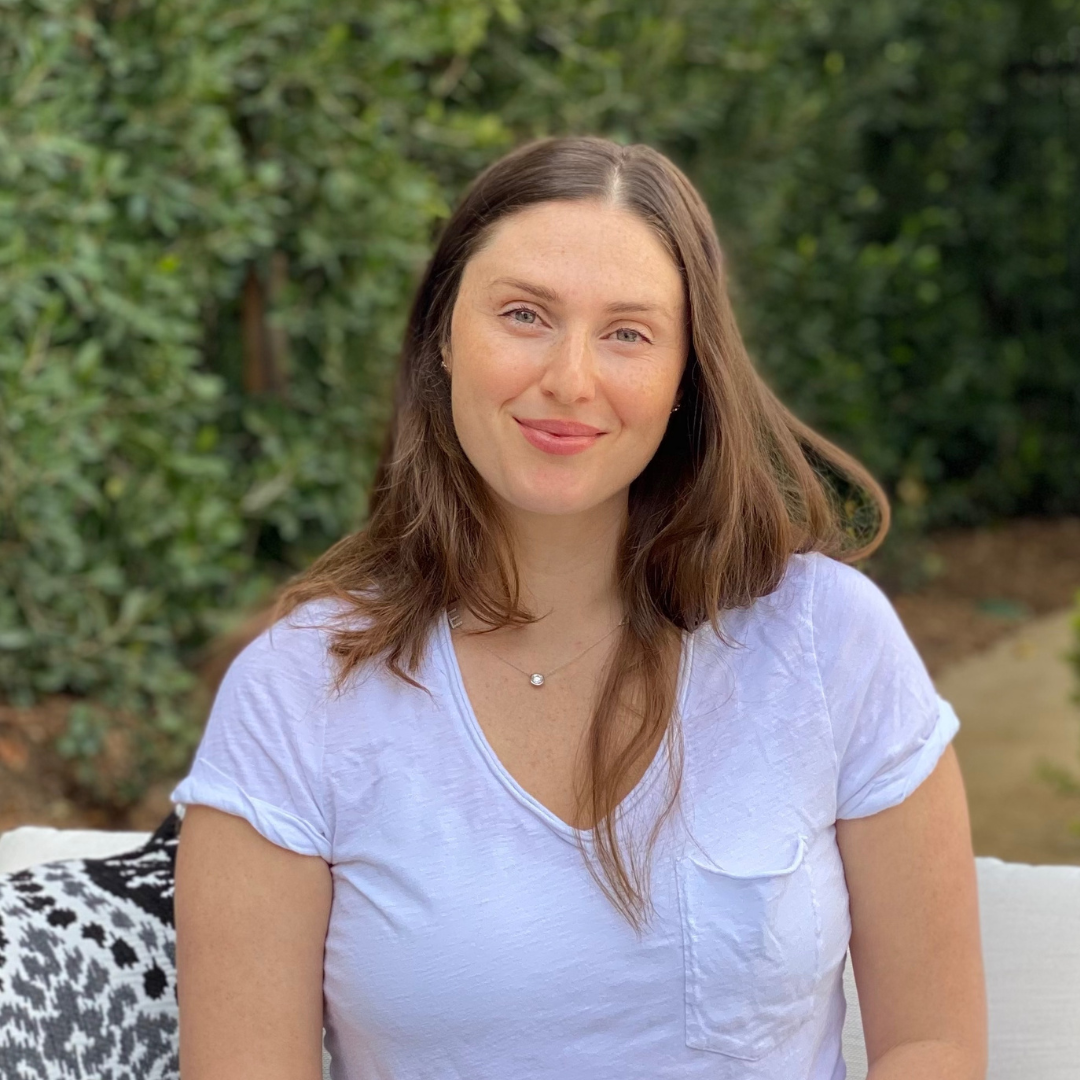
Keira Morè is a doula, childbirth educator, lactation educator, NICU peer mentor, wife, and mother to two beautiful children. Pivoting from a career in the fashion industry, her powerful experiences with the birth of her first child inspired her to become a doula. Experiencing firsthand the inequities and limitations of the medical system as a parent transformed Keira’s perspective of parenthood. With her work as a doula, Keira infuses compassion and integrity to empower birthing people and their families. She centers her work on informing and educating expectant parents so that each family can make decisions that best serve them. Currently, Keira resides in Los Angeles with her lovely family. During her downtime, she is building a beautiful garden with the help of two very avid little gardeners. Connect with Keira through her Instagram – @noa.doula
by Allison Sowers | Oct 18, 2022 | Labor and Delivery, Pregnancy
**This is a repost of a classic Informed Pregnancy article.
“For a few weeks before my son Levi was born, I experienced prodromal labor nightly. I’d go to bed hoping to be awoken by ‘the real thing,’ only to wake up the next morning still pregnant and disappointed. Our due date came and went like any other day and before I knew it, I was officially a week ‘overdue’. I found myself battling old anxieties about my body’s ability to give birth naturally. Was there something wrong with me?”
When I became pregnant for the first time, I knew from very early on that I wanted to bring my baby into the world naturally. I loved learning about birth, and couldn’t get enough of the stories and videos. My husband Josh and I took a natural childbirth class, and I remember thinking I wouldn’t need any of the medical interventions we were being warned about; my sister had all three of her kids naturally (including twins!) and my mother had accepted drugs with us, but still had fast, uneventful vaginal deliveries. I assumed I would experience the same.
I didn’t think too much about the journey of labor, I just fantasized about the end result – the birth of my baby. I couldn’t wait for that big cinematic moment where I would give one last push and we would hear the baby’s sex shouted out. I couldn’t wait to nurse and feel my baby in my arms. I had it all staged perfectly in my mind.
That was not what happened.
At around 7am a few days before my due date, my water broke. My husband Josh and I drove to the hospital, and a check confirmed that my water had broken, but I was only dilated 1cm. I still felt really positive; we settled into our room and were laughing and having a good time. After taking a walk to try and get things moving, we returned to our room, where our nurse informed us that because my water had broken I needed to progress and have my baby within 24 hours, and I was already running out of time. That was when the party ended.
I began feeling deflated and didn’t feel like doing anything I had learned in my birth class. The day passed by in a blur. That evening, they checked me again, and I was only at 1.5cm. My heart sank. Even though my birth plan said NO DRUGS, my nurse gave her best pitch for Pitocin – she said it would help me progress and get me to my vaginal delivery before my 24-hour deadline. I remember her saying something about not wanting me to lose the chance of a vaginal delivery altogether. Until that moment, I had never considered a caesarean as a real possibility. I gave in and said yes.
Looking for birth documentaries? Look no further!
As the Pitocin dripped away, strong labor contractions finally made their appearance. It didn’t take long for them to take over my body, and each contraction felt like it was happening right on top of the next. I felt scared and then guilty, but I needed help. I needed the epidural. Josh was kind and supportive, but I couldn’t shake the feeling that I’d let him down. I was horrified and in tears as they placed it in my back, but grateful once it began to give my body some relief. I was even more grateful when the next few checks revealed I was dilating – soon I was at 5-6cm, then 7, then 8. But then everything stopped. I remained at 8cm for hours and hours.
I spent the next day working on progressing those last centimeters (My OB overruled the 24-hour ‘deadline’ because our vitals looked great.) My epidural wasn’t giving me relief on both sides of my body so they kept turning it up. At around 2pm, I reached 10cm and was ready to push. Yes! Finally! So I pushed, and pushed, and pushed… I couldn’t believe it when someone told me I’d been pushing for almost four hours. Somewhere in that fourth hour I got the baby down so far that her head was right there, but she just wouldn’t come out. My OB tried the vacuum twice, but with no luck.
By this point the room was crowded with a NICU team and people were saying things like “shoulder dystocia.” My OB decided to call the head physician from her practice, the one doctor I did not like and did NOT want attending my delivery. From the first touch I was reminded why I did not want him near my body. He was so hard on me I couldn’t help but scream. Then he declared that the baby would pass vaginally, and turned off my epidural in favor of a local anesthetic; my birth was now his show. The local was terrible. I could no longer connect my brain with my body to push effectively. When he said, “I was wrong, the baby won’t pass, these pushes aren’t getting us there,” I began to cry. Then he told me I couldn’t try squatting or another position, because I had accepted the epidural. He said I needed a cesarean.
I felt completely scared and helpless, exhausted from two days of labor. Everyone in the room was working to convince me to have the cesarean. I remember my mother looking at me and tearfully saying, “We need to get this baby out safely honey, take the c-section.” Josh was also crying and terrified. I remember thinking ‘I failed… It’s over.’
So into the OR I went.
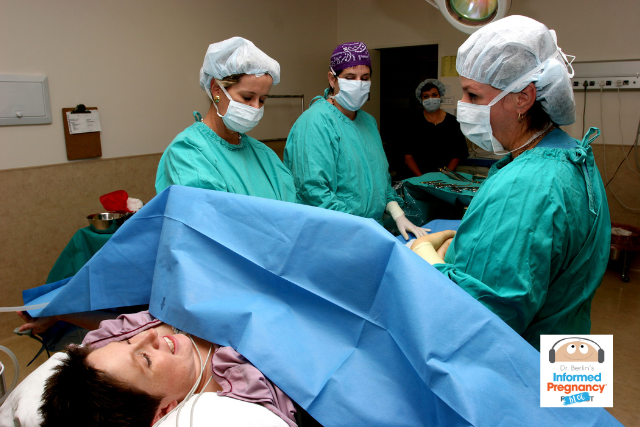
They doped me up and laid me out and cut my baby out. Exhaustion and morphine meant I was in and out of consciousness and have zero recollection of my baby’s birth. I did not hear my baby’s first cry. I did not hear the sex announced. I missed my precious daughter Quinn D’arasay being born. I missed it. I woke up alone in recovery, and when they finally brought Quinn to me for skin-to-skin, I was still so out of it from morphine that I couldn’t see straight, and was terrified that she would fall off my chest. I didn’t get to nurse her; I could barely hold her. Later, I was told she had an infection and needed NICU time. I had failed her.
Every time I think about all this I cry. I feel so horrible that Quinn came into the world the way she did. No one understands what the whole experience did to me – everyone just says, “at least you had a healthy baby.” Of course I feel grateful my daughter is healthy and beautiful, but those comments don’t help. They make me feel worse, like my emotions were wrong or selfish.
I still don’t understand why it all happened. I tried so hard. I felt so cheated. I felt like I let everyone down – Josh, myself, but especially Quinn.
And then came Levi.
Quinn’s birth had left me feeling empty and scared. I felt very torn in the beginning of my pregnancy with Levi, because while I wanted a healthy baby first and foremost, I also wanted to rewrite my birthing history. Two obstetricians told me that I was an “undesirable candidate for a VBAC,” because of Quinn’s “failure to descend.” I initially went with an OB who claimed to be VBAC-friendly, but only made me feel more anxious and confused with how he spoke about the risk of uterine rupture. Since Quinn was 9 lbs 6 oz at birth, he wanted a late-term ultrasound to detect size, and then wanted to discuss a repeat cesarean if the baby was “too big for my pelvis.” It became clear the stars were going to have to align perfectly if I was going to birth Levi vaginally. How in the world could I guarantee that? I didn’t want a repeat cesarean, but I also didn’t want another traumatic birth. Then I found www.vbacfacts.com, and everything began falling into place; finally I had real information at my fingertips.
Thanks to the members of the www.vbacfacts.com Facebook community, I became convinced I needed a doula to attend my next birth. That doula search led me to the Sanctuary webpage, and then to a free Q&A for expecting parents. That night that I met members of the Sanctuary birth community, and it changed everything. Listening to Dr. Stuart Fischbein and midwife Aleks Evangueldi speak about birth compelled me to share my story, and everyone who listened echoed the same words: “Of course you can do it! You are a great candidate for a VBAC. You are not broken.” I finally understood that I needed to take control of this birth, and manually align the stars myself. I left my supposedly ‘VBAC-friendly’ doctor who had only filled me with doubt for a team of hospital midwives, who welcomed my pregnancy and cheered on my VBAC hopes from day one. I hired a homebirth midwife to act as a monitrice, instead of a doula – I needed her support and wisdom to help me labor at home as long as possible. I took a birth class that taught me new ways to connect with my body and trust in the birth process. I began seeing Dr. Berlin for weekly chiropractic adjustments and massage. I found ICAN. I took spin classes and did yoga twice each week, and even put myself on a low-carb diet to try to keep the baby’s size down! I was a woman on a mission…
For a few weeks before my son Levi was born, I experienced prodromal labor nightly. I’d go to bed hoping to be awoken by ‘the real thing,’ only to wake up the next morning still pregnant and disappointed. Our due date came and went like any other day and before I knew it, I was officially a week ‘overdue’. I found myself battling old anxieties about my body’s ability to give birth naturally. Was there something wrong with me? Once I hit 41 weeks, I began to undergo NSTs with fluid checks and membrane sweeps at the hospital. When I went in for my second NST and membrane sweep, my midwife told me she was comfortable letting me go until 42 weeks as long as the baby and I were fine, but once I hit that magic number we’d need to introduce something to get labor going – hospital policy.
Fortunately, after my second sweep things began to get moving! That night, under the light of a blue moon, I began to contract regularly. My contractions kept me up through that evening and into the next day, and when I went to the bathroom at around 8am, I saw bright red blood. It kept coming, so much that I started to feel anxious – my husband and I drove to the hospital, even though I was in constant contact with my monitrice and she was confident it was just my ‘bloody show.’
My monitrice was right, but I was grateful to know the bleeding was normal. We also found out that I was 4cm dilated! The hospital was willing to admit me, but we declined the offer.

Back at home, my contractions petered out. I just wanted to be alone in our bedroom with Josh. My monitrice hung out with my family, staying close in case I needed her. I was feeling low, and needed space. I felt like this baby was never going to come out. But then came sunset, and my labor returned, only this time with more intensity. I felt strong back pain and knew my baby was moving lower. It was only a few hours before I began to feel shaky. My monitrice offered to check me, and suggested we should head to the hospital – it was time to have this baby. HURRAH! I kissed now two-year-old Quinn, and off we went.
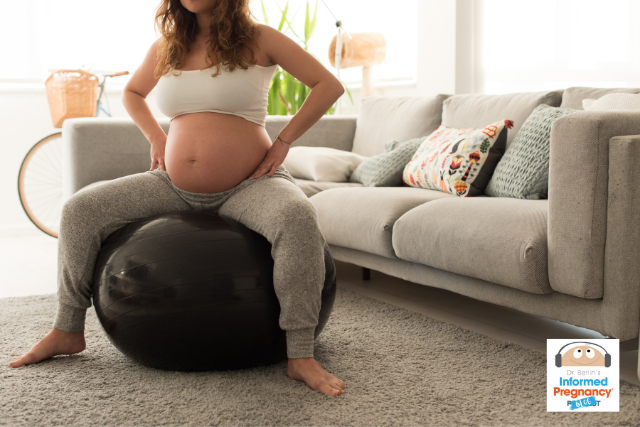
We were greeted by the midwife on call, and settled into our labor and delivery room. A check revealed I was 5-6cm dilated. I labored for a while on my yoga ball, until my midwife offered to break my water. I was torn; with Quinn, my water broke before labor began, which led to a flood of interventions and eventually my traumatic caesarean. My midwife and monitrice both assured me this was a new baby, a new labor, and I was already almost 6cm – I couldn’t let Quinn’s journey decide what journey was best for Levi.
I agreed, and they broke my bag. My midwife suggested heading into the shower, but as I walked I felt a huge gush of fluid and my labor took off like a speeding freight train! I could barely walk. I could actually feel my pelvis widening. Within minutes I climbed onto the bed completely naked, and squatted facing backward so I could hold onto the back of the bed for support, breathing through each contraction with Josh by my side. One more check – I was 9cm dilated!
From there my body completely took over. I had to push. There was no controlling it. I turned around on the bed and sunk down into my squat, leaning my back against the bed as I pushed. Never in my life had I felt such a sensation. I didn’t think I’d be able to make it through the pain, but I had my support team surrounding me, pouring their love and energy into my labor and my body. I can still hear my amazing husband shouting in my ear as Levi was crowning. “He’s being born RIGHT NOW! Our son, he’s coming, I can SEE him, you’re doing it, Allison, YOU ARE DOING IT!” as I pushed out my sweet baby boy – all 9lbs, 2oz of him – in only 20 minutes! Immediately after his birth, he was placed on my chest, warm and slippery and beyond beautiful, as my husband huddled beside us.
Levi’s size at birth was almost identical to his sister’s, the size I was told I was physically unable to birth myself. I had proven them all wrong. I really wasn’t broken. Actually, I was a freaking rock star! I carry this new confidence with me daily. It’s in everything I do – the way I walk, talk, and love, the way I mother and the example I set for my own daughter. Two lives came into the world that morning – both that of my precious son Levi Zephyr, and a new life of my own as a stronger and more self-assured mother-of-two.
Stay up-to-date on Dr. Berlin’s Informed Pregnancy Project!
 Allison Sowers-Altman is currently hitting the pause button on her career as a freelance television producer to stay home with her two beautiful children, Quinn and Levi Zephyr. Along with her husband of 7 years, Joshua Altman, they live happily in Venice Beach, CA.

by Alisha Tamburri | Oct 11, 2022 | Labor and Delivery, Pregnancy
**This is a repost of a classic Informed Pregnancy article
“Of course, many mothers-to-be also have strong feelings upon learning their baby is breech – some feel angry, disappointed, depressed, nervous or scared. Some are terrified contemplating the possibility that they may have a surgical birth. Quite often mothers-to-be confide in me that they feel they must have done something ‘wrong,’ and I quickly assure them that this is NOT the truth. While the primary goal of a breech session is encouraging the baby to turn, I also work to help mothers feel more relaxed and peaceful about their upcoming birth, no matter how they eventually deliver, so they can focus on the joy of meeting and holding their newborn.”

It’s late in your third trimester. You’ve been hoping and planning for a vaginal birth and never thought much about delivering via cesarean – until your OB or midwife does a scan and tells you your baby is breech.
Now what? Suddenly your plans to ‘rest and nest’ in preparation for your newborn’s arrival are pushed aside. You read everything you can find about chiropractic techniques, acupuncture, moxibustion, external cephalic version (ECV) and even standing on your head in a swimming pool (Who comes up with these ideas?), desperately searching for a way to get your baby to turn.
You might not read about a method for encouraging babies to turn that I’ve used successfully in my practice for more than 30 years – hypnotherapy. Hypnosis can help loosen tight muscles in your uterus, release stress, and calm your body and your baby. An integral part of the breech turn session is fear release therapy, where moms learn to let go of their fears concerning their pregnancy, labor, parenting, and even the stress of dealing with in-laws.
Of course, many mothers-to-be also have strong feelings upon learning their baby is breech – some feel angry, disappointed, depressed, nervous or scared. Some are terrified contemplating the possibility that they may have a surgical birth. Quite often mothers-to-be confide in me that they feel they must have done something ‘wrong,’ and I quickly assure them that this is NOT the truth. While the primary goal of a breech session is encouraging the baby to turn, I also work to help mothers feel more relaxed and peaceful about their upcoming birth, no matter how they eventually deliver, so they can focus on the joy of meeting and holding their newborn.
The use of hypnosis to help turn breech babies was supported in a groundbreaking 1994 study presented by Dr. Lewis Mehl-Madrona. The study included 200 women who were carrying their babies in a breech position at 36 weeks gestation or more. The experimental group of 100 women received hypnotherapy from a trained practitioner. The comparison group of 100 did not receive hypnotherapy, although some did ECV, a procedure where the baby is manually manipulated from outside the abdomen to bring about the downward turn.
Looking for more on breech pregnancy and labor? Listen to this popular episode of The Informed Pregnancy Podcast!
While in hypnosis, the mothers in the experimental group were led through guided imagery to bring about deep relaxation. They were helped to imagine their uterus becoming pliable and relaxed in order to allow their babies sufficient room to make a move. Suggestions were then given to visualize their babies effortlessly turning into the proper vertex position for birthing. Each mother was asked to talk to her baby. The hypnotherapist verbally encouraged the baby to release from the breech position, turning downward for a gentle birth.
The result? 81 of the 100 breech babies in the experimental group turned spontaneously. In the group that did not receive hypnotherapy, only 26 babies turned, and an additional 20 turned after ECV.

Hypnosis is a natural state of focused awareness that we all have within ourselves. All hypnosis is self-hypnosis; the hypnotherapist serves as a guide. The power is truly yours! It is inspiring to witness a mother become at peace with herself, her body and baby using only the incredible power of her own mind – a power they often don’t know they possess until they come into my office.
I give moms a recording of their session to listen to every day. This repetition helps mothers maintain the calm state they achieved in hypnotherapy, and encourages a baby who does turn to stay head-down until birth.
Whether or not your baby is breech, hypnotherapy during pregnancy can help to relax your body, mind, muscles and baby. It can also help make you feel more confident and empowered about birthing and becoming a parent – no standing on your head required!
Follow Dr. Elliot Berlin, DC on Instagram for updates on The Informed Pregnancy Project!
Alisha Tamburri is a clinical hypnotherapist, birth doula, HypnoFertility therapist, and childbirth educator. She has more than 30 years of experience working with expecting parents, alleviating anxieties and resolving personal and physical challenges through hypnotherapy. Alisha is a pioneer of HypnoBirthing Childbirth Education in California. She is also the proud mother of two daughters, two sons-in-law, and two grandsons.
www.clearmindhypnotherapy.com
by Ana Paula Markel | Sep 13, 2022 | Labor and Delivery, Pregnancy
**This is a repost of a classic Informed Pregnancy Project article.
“Doulas are not only for mothers planning an all-natural birth, but for mothers planning or investigating all kinds of birth choices. The doula movement is all about options, information and nonjudgmental support. Doulas are hired for all scenarios, including scheduled cesareans.”
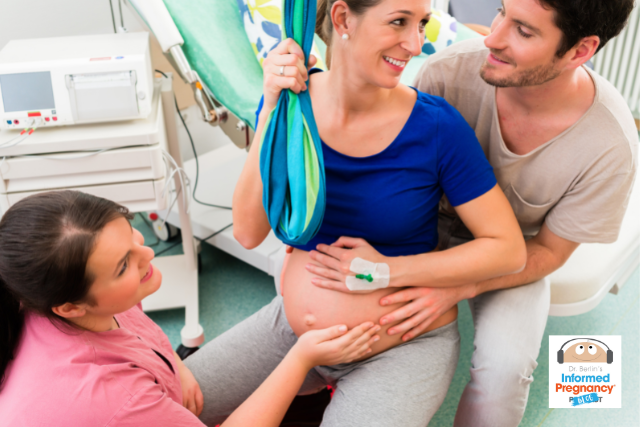
In the days before modern medicine and hospitals, laboring women would often be supported by other ‘wise women’ in their communities, who held and passed along the knowledge needed for the next generation to assist women during the process of labor and birth. These women were among the earliest ‘doulas’ – women whose sole role was to provide comfort, encouragement and wisdom during a woman’s labor and birth. The idea of the modern doula began to gain popularity from the studies of Dr. Marshall Klaus and John Kennel during the 1980s, which clearly showed the benefits of the presence of a doula during the labor process. DONA International was founded in 1992, and the role of the doula became a legitimate profession, with prospective doulas required to complete extensive training and assist in multiple births before becoming certified. In the past 20 years, one birth at a time, doulas have secured their role as an instrumental component in the birth team. People commonly think of doulas and midwives as having similar tasks, when in reality the midwife is a licensed care provider in charge of the mother and baby’s health while the doula’s focus is on supporting and promoting an environment of calmness and confidence in the mother.
As reported in many studies, the presence of a doula has many health benefits (less medical interventions, faster labors, easier breastfeeding) and the presence of a doula also highly increases birth satisfaction for the new mother. Doulas are not only for mothers planning an all-natural birth, but for mothers planning or investigating all kinds of birth choices. The doula movement is all about options, information and nonjudgmental support. Doulas are hired for all scenarios, including scheduled cesareans. In current maternity care, women often feel rushed during OB visits and sometimes are too self-conscious to share concerns, questions or fears with medical personnel. This is one of the gaps that doulas can fill.
One of the greatest benefits of hiring a doula is that doulas are well-read, informed and trained in medical terms, and understand routine hospital protocols along with the risks and benefits of various medical interventions. Doulas do NOT make medical decisions for their clients, but they do help clients to make informed decisions. In all up-to-date facilities across the country, doctors and nurses welcome the presence of a calming and professional doula. There is no role confusion; doulas are not there to take over the care of the woman, but to add to it. Doulas and nurses complement each other. During the process of hiring a doula, mothers should not feel shy to interview as many doulas as they feel they need to find their ‘match.’ An interview should be free of charge and commitment and usually last around one hour.
Some of the important points for a family to consider in hiring a doula are:
- How much experience does she have?
- How many births has she attended?
- Is she a mother herself?
- How many births does the doula take a month?
The answers to these questions may mean different things to different mothers-to-be. A mother may feel comfortable with a newer doula based on a personality match, and hiring the most experienced doula is not always the best fit for all families. The last question in the list is a very important one. Obviously, a doula willing to “book” 8 births in a typical month is much more likely to need to send a back-up doula to your birth than a doula who only schedules 3 births. A busy schedule may also affect when the doula joins a laboring woman, or how tired your doula is when she joins you for your birth.
- Is the doula certified?
- If so, by what organization?
DONA International is not the largest, but is by far the most respected doula organization worldwide. DONA has been training and certifying doulas for the past 22 years in 23 countries. If a doula is not certified, ask her to read and practice according to the DONA code of ethics and scope of practice, easily found at www.dona.org.
• How many prenatal visits will the doula provide prior to the birth? And after the birth? Not all doulas have a set schedule of visits, but the majority will do two prenatal meetings that last around 2 hours each, and one postpartum visit that lasts around 1 hour. The prenatal meetings can often substitute for a public birthing class.
Need more Informed Pregnancy? Click to listen to a popular podcast episode!
• When does the doula join the labor? Some doulas come when mothers first call; others come when labor is more established. Mothers should think about what they want and the doula should be willing to adjust to that, not the other way around.
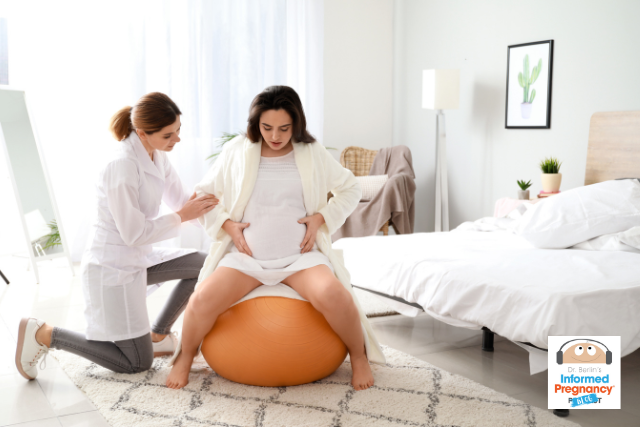
• How much does a doula charge? This is a difficult question, as prices vary a lot. A more experienced doula will usually charge more, as will a doula with more services to provide (for example, prenatal yoga, nutrition help, or postpartum doula services – like doing laundry, watching the baby while you nap, or helping you and your newborn perfect your ‘latch’ for nursing.) In Los Angeles, doulas can charge anywhere between $500 and $3000. Some doulas work on a sliding scale, and most of the national organizations will help women to find doulas at no cost or low cost. The idea is that every woman that wants a doula should have one. Insurance companies are also starting to reimburse for doula services, so ask your insurance provider if a doula’s services are covered by your plan.
To find a doula in your area, please go to www.binibirth.com.
Need more guidance? Check out these workshops available through Berlin Wellness!
Ana Paula Markel is a childbirth educator, doula trainer, practicing doula and volunteer in international birth organizations. She is also the mother of four children. In 2008 Ana founded BINI Birth, a center in Los Angeles dedicated to the childbirth education field, doula training, parenting classes and green pregnancy retail.
