NICU: A Personal Essay
Once we received news of the surgery, the rest was an agonizing blur. We were pushed upstairs to sign paper after paper with the anesthesiologist, releasing them of responsibility if they accidentally killed my baby. Having my newborn go through invasive surgery at only days old was one of the scariest things I have ever experienced.
A premonition
The sterile stillness of the hospital swallows me as I peer into the box. My newborn daughter is in the incubator, and there is something wrong. I feel powerless. As I reach over to grab her, I am jolted from my sleep and I wake up. During my pregnancy, this eerie nightmare plagued my sleep. I woke up unsettled and terrified each time. I prayed for a boy to prevent the unsettling nightmare from turning into a premonition. Little did I know, the birth of my first child would forever change my life in more ways than one.
My husband and I kept the gender of our child a surprise, planning to find out at birth. At 39 weeks, I was induced since I had signs of preeclampsia. After 24 hours of labor, my daughter arrived eagerly into this world. I was exhausted, but our first few moments together were magical. Once we were in the recovery room, I placed Valentina into the bassinet for a brief moment. When I looked over, I was paralyzed with fear. She had turned completely blue. As I shouted for the nurse, an eerie feeling of deja-vu washed over me.
The nurse struck the code-blue button on the wall, and Valentina was rushed to the nurse’s station. Since my daughter arrived quickly, she had an unsafe amount of amniotic fluid coating her lungs. I watched as the nurses struggled to put a tube down her tiny throat to suck out the remaining liquid. I have the gift of remaining calm and cool-headed during high-stress situations, but watching the hospital staff struggle was incredibly painful. It felt as if a part of me was now outside of myself, and I had no control over anything that happened. The nurses assured me that this was a relatively common procedure for babies who are born quickly, as the speed does not allow the pressure from the vaginal canal to drain the baby of the remaining fluid. Thankfully, our baby made a quick recovery. Later that day we were released from the hospital and were ecstatic to finally go home with our sweet Valentina.
Home from the hospital
Our time at home together was short-lived. Soon after we arrived, I was called and told to bring Valentina back to the hospital as she had jaundice. Much later I learned that jaundice can be treated from home. Returning to the hospital was disorienting. Valentina was placed in an incubator for over 16 hours under blinding lights. At the same time, my milk had started to come in. I had to pump, but I was not allowed to feed her. At a time when all I wanted to do was hold her, I could only watch. Finally, we were told that we could go home again, and I was grateful to finally be able to just be with my daughter.
My relief was temporary. The next day, every time I tried to feed Valentina she vomited green. I was terrified, and quickly contacted my pediatrician and talked to my night nurse. My pediatrician claimed I had probably overfed her, while my night nurse reassured me that it was the green juice I had earlier which could affect the color of breast milk. I was confused and exhausted, but I placed my faith in their expertise. Valentina continued to vomit green over the next few days every time I tried to feed her. The more I desperately sought answers, the more I only received questions. I grew exceedingly nervous and restless. At the same time, I noticed she was sleeping in longer intervals, which did not seem normal to me. I could no longer take it, and on the fifth day, I called my pediatrician. I told him I was either bringing Valentina directly to him or back to the hospital.
When we arrived at the pediatrician’s office, the doctor noted her belly was distended, and confirmed she was lethargic. My pediatrician told my husband and me to take Valentina to the ER with a request to run a specific test. Being back at the hospital again and on the ER floor with Valentina was traumatizing. It was the last place I ever imagined I would be with my less-than-a-week-old daughter. My autonomy over myself and my daughter had been ripped away from me. My interactions with hospital staff were strained. The more I advocated for my daughter and myself, the more I was met with resistance and judgment. My anxiety peaked as the hospital ran test after test with no results, every test except the one my pediatrician had requested. Finally, after exhausting all other test options, they ran that one.
The test revealed that Valentina had an obstruction between her esophagus and stomach, known as duodenal atresia. The obstruction was just big enough to let in a drop of liquid at a time, which is why once my milk changed from colostrum to mature milk, she was unable to take it and instead, threw everything up. We were told that the only way to treat duodenal atresia was surgery. She would be cut open and they would have to create a bypass, creating a bigger opening inside her tiny body. There was a 15% chance that she would eventually need a second surgery.
Get the latest Informed Pregnancy news on Instagram!
A three hour surgery
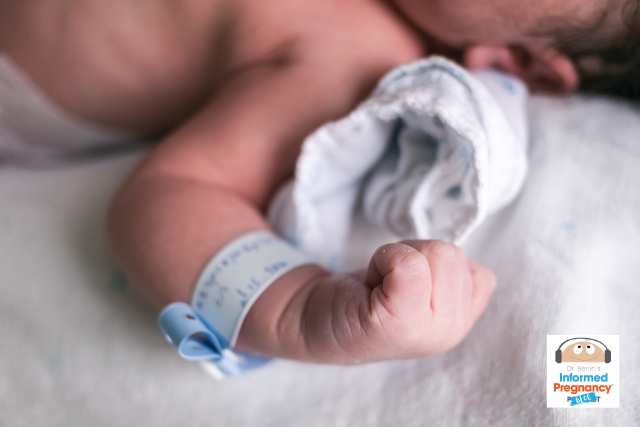
Once we received news of the surgery, the rest was an agonizing blur. We were pushed upstairs to sign paper after paper with the anesthesiologist, releasing them of responsibility if they accidentally killed my baby. Having my newborn go through invasive surgery at only days old was one of the scariest things I have ever experienced. After a three-hour surgery, the surgeon stepped out to give us an update. He told me that they had cut open Valentina’s tiny body and removed her appendix. The surgeon had to rearrange her organs. I was livid. The surgeon had never asked my permission, and now all I could do was listen to what had happened to her. The pain was unbearable. He told us that Valentia had been admitted to the NICU.
While Valentina was in the NICU for recovery during the next few weeks I hated to be pulled away from her side. As a full-term baby, having her in the NICU amongst premature babies was unsettling. The recovery was painful. Due to the intensity of the surgery, I could not hold or feed her. The only thing I could do was watch. I felt helpless and powerless. For five days she received her nutrients from an IV. We would spend 14-16 hours a day at the NICU, leaving only to sleep because it was not allowed there. Despite the supportiveness of my family and friends, I perceived any attempt at asking me to leave the hospital as taking me away from my daughter. My time in the NICU was isolating, as I could not communicate my experience to others who had never felt the pain of such a quick separation from their newborn child.
A healthy daughter and a new career
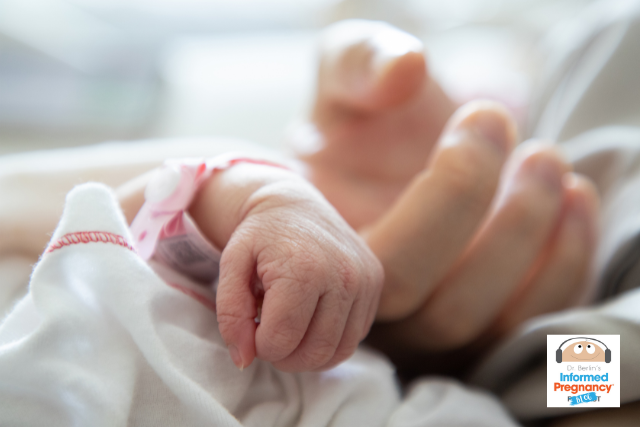
Today, I am grateful that Valentina is a happy and healthy four-year-old. She has not needed a second surgery but her birth changed my experience not just as a mother, but as an advocate for others. Long after the surgery, I learned that duodenal atresia was a condition that should have been caught during my pregnancy as it is often a marker for chromosomal issues and Down’s Syndrome but my doctor made a mistake. He missed it entirely. While knowing in advance would not necessarily have made my experience easier, the shock and pain I experienced at finding out immediately after Valentina’s birth was scarring. In addition, I eventually learned the reason her vomit was green was due to bile, which as a new parent experiencing heightened emotions I did not realize at the time. There was so much information I didn’t know. I was so focused on advocating for my daughter, that I did not realize no one was advocating for me. The impact of Valentina’s surgery on my health embedded itself in my existence for a long time. After her birth, I needed to attend therapy and started medication for anxiety. I lived in constant fear and anxiety for my daughter, that anything could happen to her.
While a birth journey is wildly beautiful, it can at the same time be scary, intense, and a road riddled with unknowns. My journey with Valentina changed me. I realized that you have to be your best advocate, but that you should not have to do it alone. Our medical system does not present options to expectant parents, often diminishing their judgment and intuition about their own children. Oftentimes, expecting parents are unaware of all the choices they can make. Thus with the birth of Valentina, my dream to be a doula was also born. The isolation and pain I experienced after Valentina’s birth is something I never want another parent to experience. My connection with my daughter is one of the most magical and beautiful things I have in my life. As a doula, I want to help parents trust their connections with their children. My mission is to educate and empower other expectant parents so that they have the wealth of knowledge and tools to make the best decisions for themselves and their families. My long-term hope is to create an empowered, informed, supportive loving community
Learn how to get your breast pump covered by insurance on this popular episode of The Informed Pregnancy Podcast!
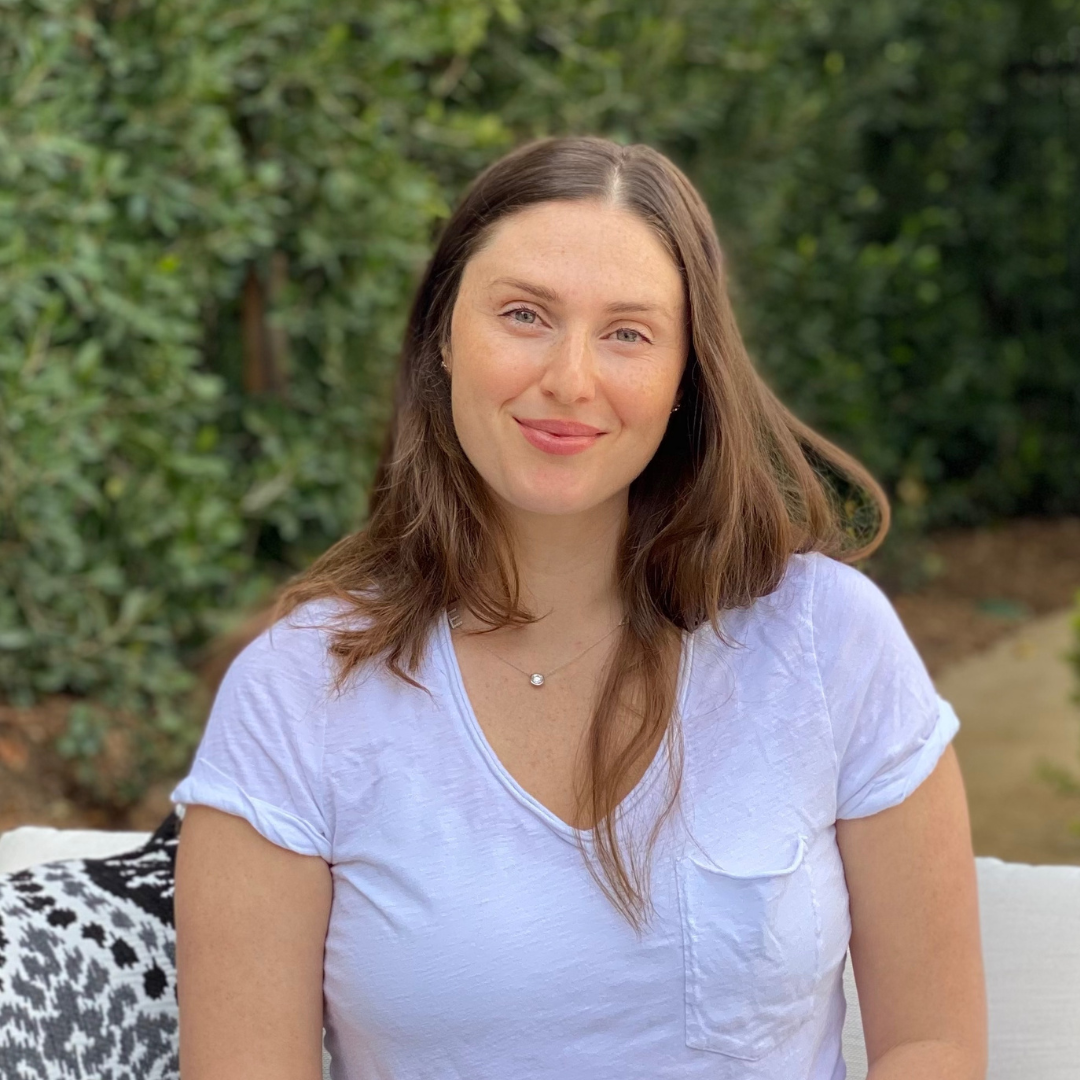
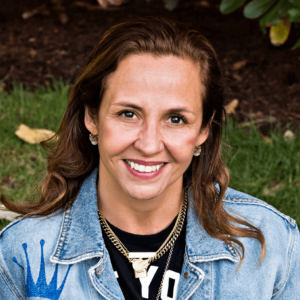
Keira Morè is a doula, childbirth educator, lactation educator, NICU peer mentor, wife, and mother to two beautiful children. Pivoting from a career in the fashion industry, her powerful experiences with the birth of her first child inspired her to become a doula. Experiencing firsthand the inequities and limitations of the medical system as a parent transformed Keira’s perspective of parenthood. With her work as a doula, Keira infuses compassion and integrity to empower birthing people and their families. She centers her work on informing and educating expectant parents so that each family can make decisions that best serve them. Currently, Keira resides in Los Angeles with her lovely family. During her downtime, she is building a beautiful garden with the help of two very avid little gardeners. Connect with Keira through her Instagram – @noa.doula