by Informed Pregnancy and Parenting Project | Jan 10, 2023 | Podcast Transcripts, Pregnancy
Elliot: Welcome to the Informed Pregnancy and Parenting Podcast. I’m your host, Dr. Elliot Berlin. My guest today is a nutritionist and founder of medicinal mushroom-focused company, Fungirl, who is currently pregnant with her first child and planning a home birth with a midwife and her mother as her doula. Isabella Zar, welcome to the podcast.
Isabella: Hello. Thank you for having me. I’m excited to be here.
Elliot: Oh. I can’t wait to pique your brain about all things that I know nothing about. But before we get to that, you are just holding up your other doula.
Isabella: Yes, this is my assistant doula. If my mom doesn’t make it in time from Australia, then he’s going to step in, my 8-pound dog.
Elliot: What kind of doggie?
Isabella: He’s a Maltese Yorkie, a Morkie.
Elliot: A Morkie.
Isabella: A Morkie.
Elliot: A Morkie. Excellent. He looks doula-like, so it’s fun for me to always meet another male doula.
Isabella: Oh, yeah. There’s not many of you on the field, so.
Elliot: We’re in limited supply. Let’s start with the beginning. You don’t sound like a New Yorker. Where are you from?
Isabella: I am from Australia. I grew up in Sydney and moved here three and a half years ago. And yeah, I definitely have like a, not a super strong accent, so some people kind of like find it hard to decipher exactly where I’m from but, yeah, Australian.
Elliot: I think the initial confusion is Australia or New Zealand.
Isabella: Yes, that’s an easy one that people make all the time.
Elliot: And then, if we’re getting a little bit more, it’s like, is that South Africa, maybe it’s somewhere in the United Kingdom.
Isabella: Yeah, I get the UK a lot. My parents aren’t Australian, which is why I believe I sound the way I sound. My dad’s German, my mom was born in New Zealand, so neither of them have crazy strong Australian accents either. So, I didn’t have.
Elliot: Okay. But they have a mix of sort of European and a little fish-and-chips New Zealand over there.
Isabella: Yeah, and then, the islands.
Elliot: Very confusing.
Isabella: Yes.
Elliot: But it kind of explains you a little bit. You’re kind of a nice blend of all things interesting.
Isabella: Thank you.
Elliot: All right. What brought you to the U.S., Los Angeles in particular about three years ago?
Isabella: My husband, the main reason. We met and got married really quickly. It was all within like a few months, really. I think like three, four months after meeting, spending time together, we got married. And then, I finished my degree, I finished studying back home in Australia. And then, I moved over to LA to start a life here with him.
Elliot: That’s really quick even for my people. Orthodox Jews usually go on two dates, and then, decide if they’re going to keep it or not. And if they do, a few more dates, and then, they’re married very quickly, you’re competing with that.
Isabella: Yeah.
Elliot: Why so fast? How’d you meet?
Isabella: We met at a cafe. We’ll come back to this cafe as well because it’s also part of like how I got into what I’m doing.
Elliot: Oh, foreshadowing.
Isabella: Yeah. But we met at this little vegan cafe called Orchard Street in Bondi. I was sitting there at the bar, having a drink. My friend worked there at the time, and I was crying over my ex-boyfriend, who I had just broken up with. And then, he walked in and sat next to me. I don’t know, the timing was like very special. And that he was only there for like another 12 hours or something before he caught a flight. And we met and kind of just hit it off pretty quickly.
Elliot: Kind of can’t wait to see the movie.
Isabella: Honestly, it would make such a good movie. I just need to write a script.
Elliot: That’s what I’m saying, wow. All right. What you do now is you’re a nutritionist, and you’ve created a medicinal mushroom-focused company called Fungirl. In the second segment, we’re going to talk all about that. But you guys got together, got married very quickly. And now, you’re pregnant. So, how long ago was it that you met?
Isabella: Well, it’s been three years now, over three and a half years.
Elliot: So, you waited a second before having the baby.
Isabella: Yes.
Elliot: By choice?
Isabella: Yeah. It was definitely by choice. I’m 28 right now. I always knew that I wanted to have kids young, but it was interesting. As soon as I got married, I had this shift because I was like, “Oh wow, I could actually have babies right now. Like, I’m married, I have a husband. Like, I feel safe enough that I could have kids with this person.” It kind of made me retract from that feeling all of a sudden I was like, “Oh, maybe I’m good for a while, actually. Don’t want to quite dip my toe into that pool just yet.” Yeah, I was 25 when we got married. Having kids that quick was not what I wanted in the end. And plus, it gave us time to just be a couple, and be together. Like, we barely knew each other. We were like strangers reading vows to each other. It was really special to have that time of our relationship, just getting to know each other without a baby.
Elliot: I have a question about that, too. But I just had an image of my head, where you’re kind of at the altar, and you’re like whispering as you’re, “Who’s that?” “Oh, that’s my brother.”
Isabella: Okay. So, we didn’t even have a wedding. We just eloped at Santa Barbara Courthouse.
Elliot: Oh, wow. Well, that’s what I was going to ask you also. This whole thing kind of is pandemic-y.
Isabella: It was pre-pandemic.
Elliot: When you got married?
Isabella: Yes.
Elliot: Okay. And then, okay. You get married, the world falls apart, and then, you wait a year or two and have a baby?
Isabella: Yeah. We really got to know each other during COVID, like most people. So, that was like a good, intensive time, just sped up.
Elliot: Are your families, I mean, were they there, or just the two of you?
Isabella: No. It was the two of us, and then, one of his closest friends married us. And then, his wife was there as well.
Elliot: Oh. His closest friend’s wife, not your husband’s wife?
Isabella: Yes.
Elliot: Okay.
Isabella: It was just four of us.
Elliot: It was the four of you. A double date, but it started different than it ended.
Isabella: Yeah. It honestly wasn’t really planned that well, either. We knew that we were going to get married sometime within this two-week period. For visa reasons, we had to do it within a time frame.
Elliot: Oh. This sounds like “90 Day Fiancé.”
Isabella: Basically. But we woke up one morning, we were in Santa Barbara. We were doing this whole wine-tasting trip with our friends. And we woke up, and we were like, “Okay, maybe this is the day. Like, let’s just walk over to the courthouse, see what we like.” And all of a sudden, we’re just like getting married. It just like happened.
Elliot: Wow. That’s my other question. How do your families take that?
Isabella: Well, they knew that we got engaged, so. It was funny. I remember because we went on a trip to Byron Bay, when we were still in Australia, spending time together. And no one had met him, none of my friends, none of my family. And I came back from this trip engaged. And I sat down at my parents with my mom and my dad, and I was like, “Oh, Mom, I have to tell you something.” And she was like, “What?” And she’s like mid-eating a salad, she’s like, “Are you pregnant?” I was like, “No, I’m not quite. I’m engaged.” And her face was just so like she couldn’t understand why. She’s like, “I don’t get it.” She hadn’t met him. No one had met him. It was a little confusing at first, but.
Elliot: Yeah. As a dad, I would be like, “What?”
Isabella: Yeah.
Elliot: I don’t have a clear vision of how it’s going to go, but I do sort of have some kind of expectation that we’ll meet, you know, the old traditional, like I asked my father-in-law, before I proposed to my wife, you know, for “his permission,” for her hand in marriage. If I remember correctly, he said, “No,” but I asked, at least. I asked.
Isabella: Did it anyway.
Elliot: Yeah. So, yeah, I could see the shock. I can almost see how pregnancy would be less shocking.
Isabella: Yeah. Honestly, it would have been, if I was just like accidentally pregnant. I think that would have been way more like, “Oh, oops.”
Elliot: Yeah. Okay. So, did you have a celebration with family at some later point, or?
Isabella: We did. We did something in Australia with my closest friends and family. And then, we had an engagement party in America, when I came over, right before we got married.
Elliot: Okay, so all bases covered.
Isabella: Exactly. We always wanted to have a wedding. And then, by the time I moved over here, it was like three months. And then, COVID happened, no one was traveling. And then, all of a sudden, we’re married for three and a half years. And it’s like, we’re such old news like, that’s not exciting anymore.
Elliot: Yeah.
Isabella: So, I don’t know.
Elliot: You might as well wait seven more years, and have a party when you renew your vows.
Isabella: That’s exactly what we’ve said. We’ll just do a vow renewal party.
Elliot: Just the four of you.
Isabella: Yeah.
Elliot: All right. Let’s take a little break. When we come back, I am so curious to know about these mushrooms. Don’t go anywhere. We will be right back.
[break]
Elliot: Welcome back to the Informed Pregnancy Podcast. We’re talking to Isabella Zar. And okay, tell me about mushrooms. How did you get into this, nutrition? You’re very fit, your body’s very strong and healthy, how did that all begin and involve?
Isabella: Well, I guess it kind of goes back to how I was brought up. My parents are kind of more on the earthy side, you know. We never had Advil and things like that in the house. I remember as a kid, whenever I had a toothache, my mom would give me the head of a clove, and she’d crush it onto the tooth that was aching. And it’s a natural astringent, so it would create a little numbing effect. So, that was kind of the feel in our household. It was very natural.
Elliot: Yeah, your food is medicine.
Isabella: Exactly. My parents had a restaurant when they moved to Australia. So, cooking with fresh, healthy food was always really important to my parents, and I just grew up seeing that. And then, I guess, I got more and more interested in food, as I started getting older, I’d cook a lot with my dad.
And then, when I was about 15, I started modeling. And that’s when I became more aware of the physical side of me. I mean, you’re always aware of your physical side, obviously. But it was different. All of a sudden, it was like, really about the way I looked and my body and my face and how I took care of myself. And I definitely took that to an extreme, I think. As a young girl, that can kind of mess with you. So, I definitely developed some eating disorder kind of things. I had a funny relationship with food for a long, long time. But that almost triggered my interest in healthy eating even more. So, it was like, it became a little obsessive.
But then, I had a switch when I was about 19. I remember just feeling so disconnected from myself. And I was in this world that was completely unhealthy and was glamorized. And it was anything but that. And I just remember wanting nothing to do with it. I really didn’t. So, I just kind of like quit anything fashion-related and modeling. And I started Googling courses of like, what can I do with food and healthy cooking and blah, blah, blah. And I came across like a nutrition college in Sydney. And I didn’t even know it was a thing, becoming a nutritionist. I mean, I’d seen dietitians growing up, but nutrition, I didn’t know was a career path that I could even explore. So, that was when it kind of all started. I remember enrolling in this course. And three months later, I was taking it, and I just became obsessed.
Elliot: Okay, a bunch of questions. Number one, what kind of restaurant did your parents have?
Isabella: It was in The Rocks in Sydney. And it was kind of just like modern Australian but had a European influence because my dad was from Germany. He liked to get creative with food.
Elliot: Yeah. That’s a hard tagline for marketing purposes.
Isabella: It’s definitely not a one-liner.
Elliot: And then, do you have siblings?
Isabella: I’ve got two brothers, an older brother and a younger one.
Elliot: Oh, right. So, you’re the cream in the Oreo cookie.
Isabella: I’m right in the middle.
Elliot: Do either of your brothers have kids?
Isabella: Yes. My older brother has three kids.
Elliot: Oh, wow. You have some catching up to do.
Isabella: Yeah. And then, my younger brother is six weeks behind me, having his first.
Elliot: No kidding? Okay, wow.
Isabella: Yeah.
Elliot: Okay, so your parents are going to be busy.
Isabella: They’re going to be so busy. I mean, that’s five grandkids by the end of the year. That’s a lot.
Elliot: It’s a lot of nappies to change.
Isabella: Well, sadly, luckily for them, I’m not nearby. They don’t have to change any nappies for me, but.
Elliot: No, yeah, you can’t really do virtual nappy changing.
Isabella: Sadly, no. We got to figure out a way.
Elliot: And when you were modeling, what kind of modeling were you doing?
Isabella: A lot of like e-commerce stuff like magazines, clothing labels. Nothing crazy. I was doing it part-time, and I did it for a few years.
Elliot: And were there elements about it that were a bad experience for you, or did you not like what the industry sort of projects for other women? Or both?
Isabella: Both. Honestly, going into it, I remember thinking it was just the most glamorous thing that you could do. It was like, “Oh my gosh. Like you see these women, and they’re gorgeous, and they’re done up, and it looks so fun from the outside.” And listen, it was fun. I had a ton of fun. But I also think it made me grow up really quickly because I was surrounded by people that were much older than me, had been in the industry for a long time. And then, it created this really unhealthy relationship between me and my body.
Elliot: And you wanted something different. It’s pretty cool that at that age, and in that glamor, you were able to realize that and walk away from it.
Isabella: Yes. I’ve always been told that I’m an old soul. So, I kind of was just like the quiet one that would just see things, and I’d really like take it in and listen, and also very intuitive. And it got to a point, where it didn’t feel right anymore like, something’s not good here.
Elliot: Unlike your parents’ restaurant, I think old soul is a great tagline for you like, having to spend time with you, there’s this like deep sense of maturity and observation and understanding that I’m almost envious of.
Isabella: Thank you.
Elliot: It’s cool. And it’s one of your like puzzle pieces, that make you a very interesting puzzle. Okay, so that’s 19 then, you’ve had that realization, you are excited about nutrition, where does it go from there?
Isabella: Yes. So, I’m deep in my course. It was four years. And I remember, we touched base on mushrooms at one point. No idea where it was. But mushrooms did come up for a little bit. There were certain topics we kind of like brushed over quickly. But I remember learning about them and being really fascinated. And I ended up kind of diving into them more myself just on the side. And then, what coincided with that is I actually started working at that cafe, where I met my now-husband. And I took my old friend’s job. So, she left the cafe, I took her job at this cafe, while I was studying.
And it’s kind of similar to Moon Juice, a little different, a big focus on adaptogens, you’d make certain lattes with adaptogens and mushrooms. And it was so fun. People would come in, and they’d ask for something specific to help them with a certain feeling. So, someone came in, they’re like, “I’m feeling like super fatigued today. Like, what powders can you give me to help with that?” And I’d be like, “Oh, perfect, let’s give you a little like cordyceps for energy and some maca to like give you that spark. So, I got to play this role of helping people with whatever they were going through by choosing from my wall of alchemy powders behind me. It was so fun so that just drove that passion even deeper.
Elliot: And it’s all food-based, plant-based?
Isabella: Yeah. Yeah, yeah, yeah. They’re all —
Elliot: So, it’s not like snake venom and other weird things like that?
Isabella: Yeah, no, definitely plant-based.
Elliot: Okay. So, I can see how that gets even more excited about using the medicinal power of food to help people.
Isabella: Oh, yeah. And I started feeling the differences myself as I started taking these powders as well. For example, lion’s mane is a mushroom, my favorite, favorite mushroom. It’s so incredibly good for your brain. It literally increases the growth of neurotransmitters in your brain. So, just like, it makes you fire much more optimally than you normally do, but not in like a caffeine kind of way. It just gives you this like brain boost. It increases your memory and focus and concentration.
So, I remember when I started taking lion’s mane consistently, every day, and then, I’d stop for a couple of days, I felt that dip, and I was like, “Whoa. I’m not functioning as well as I was like a week ago.” So, that’s when I started to really kind of feel the difference myself. Sometimes, it’s hard like, if we take so many supplements and things and it’s like, “Well, what is actually working?” Sometimes, I was feeling the difference firsthand, and that was insane to me.
Elliot: I have that same exact experience with vitamin S and vitamin P. I sometimes take one, sometimes, take the other, you know, Starbucks or Pete’s Coffee. And then, if I don’t take it for a day, so I feel the dip.
Isabella: You definitely feel the dip from that.
Elliot: But lion’s mane coffee, that could be my new venture. I have a question. So, do any of these mushrooms have the hallucinogenic or psychedelic effects?
Isabella: Yes. I mean not the ones that I’m using at the cafe.
Elliot: Okay.
Isabella: I mean, there’s so many different types of mushrooms. So, you’ve got the ones that are psychedelic with psilocybin, and then, you have the ones that are not. I started playing with the ones that were not psychedelic at the beginning for years. And it wasn’t until I actually came to the States that I first started trying psilocybin mushrooms, the psychedelic ones.
Elliot: We have that effect on a lot of people.
Isabella: Apparently, you guys do. You guys like them a little bit here, which I’m all for.
Elliot: We like not feeling like ourselves.
Isabella: Yeah, apparently.
Elliot: Had you been experimenting with other drugs as a teenager?
Isabella: Oh like, you know, smoking weed and things like that, but like, nothing crazy like, not mind-altering things.
Elliot: Okay. You have to get creative with the movie script.
Isabella: Exactly. A couple of things in there.
Elliot: So, in your experimentation with more psychedelic mushrooms, what was your experience with them?
Isabella: I didn’t know what to expect. I’m trying to think the first time I took them. I can’t really pinpoint the first time.
Elliot: That might be because you were high on mushrooms.
Isabella: Maybe. I think I was in Big Sur, which was the perfect place to take them, to be honest, surrounded by nature, with people that you feel safe with, in the right environment. Like, that is everything like, set and setting, where you are and then, also, how you’re feeling yourself, so.
Elliot: How do you consume them physically?
Isabella: Different ways. You can eat them raw, literally, like it could be a dried mushroom, and you can just eat some of that. That’s what I would do at first. I really liked, they’re super earthy tasting like, really tastes like they’re just from the ground, which they are.
Elliot: They are.
Isabella: But I liked that taste. So, I would just eat them dried and raw. But some people grind them up into powders. And you can have them in different forms in chocolate and honey and capsules.
Elliot: My first thought would be pizza.
Isabella: Oh, yeah. Pizza is a great way to go.
Elliot: Thank you. In fact, because your company is called Fungirl, which you’re going to talk about in a second, but if I could think of another venture, I would open a medicinal mushroom pizza store. And here’s my name for it, Funguy.
Isabella: Yeah.
Elliot: So, perfect. Funguy, from mushrooms or fungi.
Isabella: Yeah.
Elliot: And maybe we need a sibling to your company. Okay.
Isabella: So, do you have lion’s mane pizza?
Elliot: Yes. So, sharks. Okay.
Isabella: Yeah.
Elliot: All right. So, you’re experimenting with the more fun mushrooms, and where does that lead you?
Isabella: Oh, man. There’s a lot that came from playing with them. At first, I guess, when I would take them, it was definitely more an environment with friends. It was social. I just noticed that people were using them a lot recreationally. And they open you up, like they’re expanders. They open up your mind, and you’re hot. And honestly, the person I am today, I’m very different to how I was three years ago. And I have to pay a lot of that to my use of psilocybin. I think it just opened me up as a person. And it just showed me how to be more empathetic and caring and slow down and see the world for what it has to offer and what it is. And it just helped me grow a lot. So, for me, they’re really special. And they’re sacred.
So, I started to feel this shift and not wanting to use them in such recreational settings. So, I like pulled it back. And then, I started playing with microdosing them, so you just have a really small dose, 0.1 of a gram every day. You do it for like a couple of days. And you take a break. I mean, that’s like taking any sort of supplement, you know, but this was like really good for your brain. Like, you can function throughout the day. It’s not like you’re taking some substance that’s tripping you out or anything. You don’t even feel the dose at that stage. So, it’s like, I could still walk and do this podcast and microdose, not that I am now because I’m pregnant, but the point is, you could take a low dose and reap the benefits from them. It helps with anxiety and depression and PTSD and a ton of things like that.
Elliot: I have two thoughts about that. Number one, it seems like it’s going to be a tiny pizza.
Isabella: It’s going to be minuscule.
Elliot: And then, number two is it seems like half of all Americans are on medicine for those things anyway, anxiety, depression, and whatnot.
Isabella: Yes.
Elliot: So, going back to food is medicine, microdosing some mushrooms seems like not a crazy idea.
Isabella: No, it’s not. I know a ton of people that have gone from taking prescription medications for certain things switch to microdosing and not even needed their other meds anymore. And they’re feeling better than they ever have.
Elliot: Yeah.
Isabella: It’s really powerful.
Elliot: Since we’re based in America, I would say, don’t make any changes without consulting your doctor. I’ve never done, I don’t think, ever any kind of recreational drug, and you’re selling it well.
Isabella: Thank you.
Elliot: You’re selling it very well. I want to feel the way you described open on the inside and just take off some of the tough boundaries that I’ve built up over the years to be protective and defensive and in the harsh world. Your company is not about those mushrooms. They’re medicinal, but not psychedelic. Is there any other big takeaway from your time with the psychedelic mushrooms?
Isabella: I can wish everyone could be taking them. I think the world would be a very different place if we were.
Elliot: You know, I feel like there should be a filter for certain people, you know, like someone with road rage. And then, this guy with road rage and this is guy who would have had road rage on a fun mushroom.
Isabella: Uh-huh, be very different version.
Elliot: Ah, this is what my life is like on Instagram, and this is my real life. It’s the exact opposite. Okay. Let’s talk about Fungirl. So, your passion here has led you to continue trying to help people with the power of [indiscernible 00:26:15] medicine. What kind of products have you developed?
Isabella: Yes, so I have got a range of chocolate bars, medicinal mushroom chocolate bars, which are clean, organic, vegan.
Elliot: There’s no milk?
Isabella: No, they don’t even need it. Next time I see you, I’m going to bring you some to try.
Elliot: Okay, fine.
Isabella: You won’t even miss the milk. And I’m not even vegan. But if I’m going to have a treat, I want it to be clean. It’s not even milk. It’s like a milk solid when it’s in a chocolate bar. And just like, it makes you feel funny, so.
Elliot: I feel funny anyway. Are there different ones for different things?
Isabella: Yes, so I launched with my first one, which is called the Mane Bar.
Elliot: I know what’s in there.
Isabella: You know it’s my favorite, lion’s mane. And that was all about being like a brain bar. So, the whole idea behind Fungirl was I wanted people to be able to incorporate mushrooms into their day-to-day, even if it’s in a smaller amount, you know, like, “Okay, if you take a mushroom coffee, great. You get a little there. If you want some chocolate at night time, have some Fungirl. You get a little there.” So, you’re getting more than you think you are. So, yeah. So, I made the lion’s mane bar. And that was all about giving you like a brain boost, getting that dose.
And then, people really wanted more of an all-encompassing one. So, I ended up doing the Mushpit Bar, which is four different mushrooms. You’ve got lion’s mane, reishi, cordyceps, and chaga. So, that gives you a real boost of all those four mushrooms in the chocolate.
Elliot: Is it the Mushpit? M-U-S-H?
Isabella: Yeah.
Elliot: Oh, very cute, I like all your names.
Isabella: Thank you. So, yeah, so that’s what I launched Fungirl with. And they’ve evolved, you know, when I launched it, the packaging was different, the chocolate was different. And now, it’s at a point, where I’m, you know, hate to be biased, but they taste really good. And they’re doing well. People really love them, just a nice healthy treat to have.
Elliot: Are they contraindicated during pregnancy?
Isabella: You know, there aren’t any studies. Like most things with pregnancy, they just haven’t done any studies on women and mushrooms, women being pregnant taking mushrooms. I’m still taking mushrooms in powder form and in the chocolate. I just have way smaller amounts.
Elliot: Okay. And you’re taking these kind of mushrooms.
Isabella: Not the psychedelic ones, no.
Elliot: Okay. Well, color me curious, made me wonder, but I could almost already taste the passion that’s in your product, knowing that it comes from personal experience, personal evolvement, and wanting other people to get the benefits out of them that you do. That’s really cool. How pregnant are you? How many weeks are you?
Isabella: 39 weeks.
Elliot: Okay. So, according to my calculator, you’re going to be a mom pretty soon.
Isabella: Yeah.
Elliot: Let’s take one more break, and when we come back, we’ll find out what’s in store for your birth.
[ Music ]
Elliot: Welcome back to the podcast. During the break, I realized I’m hungry for chocolate and mushrooms now, so thank you.
Isabella: You’re welcome.
Elliot: You’re 39 weeks, going to have a baby soon. What’s your plan?
Isabella: My plan is to rest until this child comes. I’m having a home birth. I have my midwife, Katie Hamilton, who I feel so lucky to have found.
Elliot: Angel from heaven.
Isabella: Oh, she’s the best, honestly, feel very aligned with her.
Elliot: I feel compelled to ask this question since less than 2% of people in America have babies at home. Why?
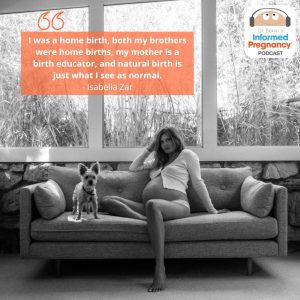
Isabella: I was a home birth, both of my brothers were a home birth. My mom, she is a former doula, birth educator. She’s been in the birth world for a really, really long time. And so, natural birth is just what I grew up with and what I saw as normal.
Elliot: How much younger is your younger brother?
Isabella: Two years younger and then, my older brother’s six years older.
Elliot: Were you at the birth of your little brother?
Isabella: I was, yeah. I don’t remember it. But I was somewhere in the house.
Elliot: Okay. You had an exposure from a very young age to birth, like being a normal natural kind of thing.
Isabella: Yeah.
Elliot: Okay.
Isabella: I remember being a kid and when people would ask, “Where were you born?” I was so embarrassed that I was born at home. But it’s so hippie and weird. I would lie, and I’d make up like the nearest hospital, St John’s or whatever.
Elliot: It’s kind of interesting. We had our fourth baby at home. And we rent our house, our landlord has the house right next door, and he lives there. So, I came out one morning, and I’m like, “Hey, [indiscernible 00:31:13] we had a boy.” And he’s like, “Oh, really? Tell me what room Melissa is in,” my wife, you know, “at the hospital, because we’ll send flowers.” I’m like, “Oh, she’s, at the moment, in our bedroom.” And he’s like, “What? When did you have the baby? She’s already home?” I’m like, “Well, we had the baby at home.” He’s like, “You didn’t make it to the hospital in time?” I’m like, “We planned to have the baby at home.” And at that second, like his brain went to a completely different area, which was like, “Oh, my goodness. How are the floors?”
Isabella: Yeah, being the landlord.
Elliot: I think that’s where he went. But he wasn’t thinking about the floors when he thought we did it by accident. It was only like when we planned to have the baby at home, he’s like, “I want my floors.” Anyway, so, yes, whatever, like I said, less than 2% of people do it. In my community, it’s a lot less common.
Isabella: That’s a small percentage. I didn’t realize that’s what it was. That’s low.
Elliot: Yeah, it’s low. You’re weird. So, in your mind, what are the pros and cons of home birth? And as a follow-up, what are you excited about or nervous about?
Isabella: Pros and cons, you know, I didn’t immediately decide on a home birth. That actually took me a minute to get there. But when I would think about giving birth in a hospital and that environment, I just knew that it wasn’t where I wanted to be. I didn’t want to be somewhere like sterile with hundreds of people that you didn’t know running around and this sense of emergency, and knowing that I would be on this time limit. Like, hospitals are a business. Like, they’re trying to get people in and out. And I get that. But I know that birth is also this mysterious thing that could happen in 20 minutes or 45 hours, you know. It’s like you can’t put a time limit on it. So, I never wanted that feeling.
And also, it’s like the hospital to me, I’m like, “That’s where people go when they’re sick,” you know. Birth is sacred. And I’m excited to experience it in its natural form. But yeah, it took me a minute to get there. I was definitely a little nervous, as you know, I’ve expressed that to you.
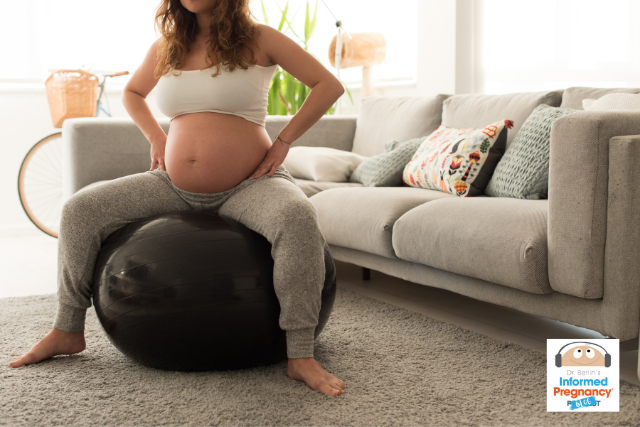
So, the pros for me about a home birth, being in your own environment, having all your things around you, not having to rush to the hospital, going at your own pace, you can walk around and eat and drink, jump in the shower, have a bath, lie on the bed, watch a movie, whatever.
Elliot: Snack on mushrooms.
Isabella: Exactly.
Elliot: Whatever you need. And in that sense, what are the cons of home birth?
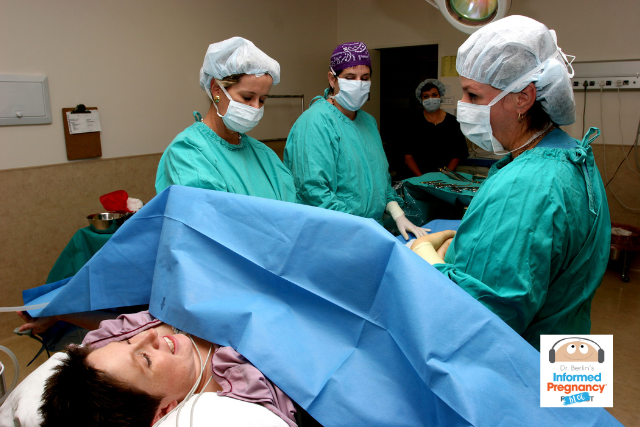
Isabella: The cons of home birth, for me, there aren’t many, to be honest. I mean, the one that comes to mind is if something actually does go wrong, or there is something that needs medical attention, whether it’s myself or the baby. Well, I mean, there’s a ton that the midwife can do to help with certain things. But if there’s something that the midwife can’t do, I’m not just in the hospital, able to go to the operating room or whatever, and have an emergency C-section or something like that. That’s kind of where I go.
Elliot: First of all, you left out your husband. I can’t tell you how many times it’s the husband who needs medical care from, you know, passing out, smacking their head on the floor. But if any of you do need more hospital-based medical care, do you have a plan for that?
Isabella: The [indiscernible 00:34:38] is like five minutes away, so.
Elliot: Okay, so that’s a hospital, a local hospital right near you.
Isabella: Yeah.
Elliot: Okay. This thought goes through my mind a lot, like from when I used to live in Nebraska. Like when you’re in Nebraska, giving birth at a hospital, frequently, there’s no surgeon in the hospital while you’re giving birth there. There’s no anesthesiologist in the hospital where you’re giving birth. They’re not just waiting for a birth crash to happen. If something comes up, they need to assemble a team and get the operating team ready.
And here, [indiscernible 00:35:09], the hospital you referenced has 9,000 babies a year. They always have surgeons and anesthesiologists, and [tox 00:35:16] ready to go. And so, quite conceivably, somebody who lived where you are, having a home birth who needed some sort of intervention quickly, might get it substantially faster than someone giving birth in a hospital in Nebraska.
Isabella: Yeah.
Elliot: Right? And I’m not trashing Nebraska. I’m just saying, it’s a practical reality is that when you live in the bigger cities, you have this kind of hospital accessible to you. When you live in smaller out of the big city hospitals, then oftentimes, that’s the scenario. And it’s not like your midwife isn’t trained, like you said to handle certain types of emergencies into stabilize and transport. So, it’s just a food for thought idea.
There are some people who are very excited about home birth and love it. Some people are very not excited about it and hate it. But one thing I think that they don’t think about is that you’re in a place where you have access to care very, very quickly should you need it. If non-emergency, if you felt like for whatever reason you transferred to the hospital to continue laboring there, is that something that you’re okay with if you feel like you need it in the moment?
Isabella: I am. I’ve definitely come to peace with the idea that anything could happen for me. I really didn’t want to have a C-section. That was what I was trying to avoid. But now, I think just throughout my pregnancy, I think your mindset kind of shifts a little. And like, for me, it’s like, “Okay. However this baby comes out, I want to be healthy. I want her to be healthy and both of us to be safe. However that’s done, it’s going to be done.” Like, it’s going to play out how it’s meant to. So, I am okay, if that were to happen, if I were to transfer and continue laboring there. Obviously, that’s not my ideal, that’s not my goal. But I feel like I have to be open to any possibility.
Elliot: Right. It’s not the path that you’re hoping to take to the destination that you’re planning to get to.
Isabella: No, not at all.
Elliot: But if a detour comes up, you’re okay moving to a different way to get from point A to point B.
Isabella: I feel like you have to be, right?
Elliot: You do, but not everybody is.
Isabella: I know. Yes, you’re right.
Elliot: It’s nice that you’re able to. And because you’re incredibly cool, and you’re an open book with no TMI button, you’ve also agreed to do our new program called “My Birth,” where you’ll come back, not only to share your birth experience on the podcast here in an after episode but also, on our new streaming platform and Informed Pregnancy Plus, with pictures and videos. So, we’ll be right there with you. We’ll all be your doula.
Isabella: I know. I’m excited. Even through this decision to have a home birth, it’s definitely opened up a lot of conversations within my own network of friends. So, you know, I’m not pushing anything on anyone, but I hope that I can be an experience that people look to and see this positive home birth story, you know, however it ends up. I hope that I can help inspire people to like at least explore the option, you know.
Elliot: Sure, yeah. And also, I think you’re open-mindedness and flexibility are admirable. And it’s your thing. You look at something 360 and not just focus in on one dot on the picture. So, I think that’s healthy. At your home birth, who’s going to be there?
Isabella: I’m going to have Katie, my midwife, my mom, my doula, and my husband, Aaron.
Elliot: And your Yorkie, your dog.
Isabella: Oh, oh my gosh. How could I forget, my doula assistant, Bubba.
Elliot: Bubba. “This is my doula, Bubba.” Now, that’s going to work well for the movie.
Isabella: He’s great. He’ll be there.
Elliot: He’s a Morkie. That’s what I was going for.
Isabella: Oh yeah, a Morkie.
Elliot: Morkie Bubba.
Isabella: Yes. And then, the midwife will have an assistant, as they usually do. So, that’s four people?
Elliot: Well, it depends, you and your partner.
Isabella: Yeah.
Elliot: Your mom.
Isabella: Mom, midwife.
Elliot: Your midwife, your midwife assistant, and your Morkie.
Isabella: Okay.
Elliot: And then, eventually, the baby.
Isabella: Yeah, so six, soon to be seven. That is plenty. Like, I had questions like, “Are you going to have a photographer, a videographer, this, that?” I’m like, “I want as few people there as possible.”
Elliot: Kind of like, when you conceive.
Isabella: Yes, exactly. I want privacy.
Elliot: It’s an intimate experience.
Isabella: Yeah.
Elliot: Okay, cool. Any predictions on the baby’s size?
Isabella: From the patients, my midwife said that it’s a girl. She feels like kind of average size, probably about like 7 pounds right now. So, I’m hoping like a nice 7.2 baby comes out.
Elliot: Okay, my prediction is going to be eight.
Isabella: Really?
Elliot: Does that even change anything, a tiny bit for you? Normal goes up to at least nine and a half.
Isabella: Oh, man.
Elliot: It’s a weird calculation that your brain is doing right now because you’re thinking of two static things, the size of your pelvis and the size of your baby, right?
Isabella: Yes.
Elliot: But neither one of those is a static thing. Your pelvis is a whole bunch of bones connected by soft tissue, like ligaments and cartilage. They can expand and contract quite a bit. I’ve seen smaller, like really petite ballerina girls have a 10.5 pound baby, no problem, by the way, not even tearing. And your baby’s head is not a solid bone either. It’s a bunch of bones that are able to mold through a smaller space. So, sometimes, I think what gets lost is the physiology of how a larger structure can come through small, and your soft tissue also is designed in that neighborhood to expand quite a bit, and then shrink back down to how it was. Perhaps this visual will be helpful, maybe not, but almost like an elevator door, that opens up, somebody comes out, and closes back up again.
Isabella: Yeah. No, you’re completely right. And a mantra that has been helping me is reminding myself that my body is never going to create something that’s too big that it can’t come out. Like our bodies are so smart and complex and whatever’s growing inside of us is able to come out of our bodies.
Elliot: Sure. That might not be exactly true if there was some sort of genetic mishap or something like that. In your case, everything is looking just fine, normal, 8 pounds, 8.5 ounces, totally within the normal realm. It’s just that, your logic brain starts to run away with that and try to figure out all the what-ifs. And that’s where anxiety comes in. So, it’s a natural thought. I’d be worried about you if you never had thoughts like that.
Isabella: Yeah, no, they’re definitely there. Don’t worry.
Elliot: Okay, sweet. Now, I’m not worried about it. Okay. Well, time’s on this gig you’re amazing to talk to. And I’m very excited. I would send you the most positive birth energy possible, you and your six, probably well-fed guest. And I look forward to talking to you on the other side.
Isabella: Yes, me too, excited to share the story on the other side.
Elliot: Where can we find you and, or Fungirl online?
Isabella: Yes, Fungirl, mainly on Instagram @fungirl, website fungirlgoods.com. That’s where you can find all our goodies.
Elliot: Okay, so that’s where we find you online. Great. Listeners, thanks for listening to us. And if you want to find us online, I would go at this point to either informedpregnancy.com, where you are not going to just see our podcasts or access to our documentaries and things like that, our blog which is exploding right now, but all the details about the new Informed Pregnancy Plus String Channel will be there. Alternately, if you’re a visual person, go to Instagram and we’re @doctorberlin, D-O-C-T-O-R-B-E-R-L-I-N.



 Kate Eales was born in Minneapolis, Minnesota, USA. She is a prenatal yoga teacher and feature film editor.

 Allison Sowers-Altman is currently hitting the pause button on her career as a freelance television producer to stay home with her two beautiful children, Quinn and Levi Zephyr. Along with her husband of 7 years, Joshua Altman, they live happily in Venice Beach, CA.