“ I was shocked about this fact and realized that I was delivering the baby early using a vacuum because I was terrified that he or she could end up dying. It made me wonder if my choice to use a vacuum had been causing tremendous suffering for the baby during birth when they could have been born naturally, without intervention.“
Informed Pregnancy+ is Dr. Elliot Berlin’s brand new multi platform streaming channel dedicated to pregnancy, postpartum and parenting. The Filmmakers Spotlight blog series features creators whose work is showcased on the channel. To learn more or sign up for a yearly or monthly subscription, click here!
A Profession in Dire Need of Applicants
My father was very frail, and soon after I was born, he had to undergo medical treatment in a different location. I was raised by my uncle and his wife as their adopted child until my father opened an obstetrician-gynecologist clinic in Yokohama when I was in 2nd grade. In short, I was raised by four different parents, all with different personalities. My father was carefree and my father-in-law was very strict, it seems I have a similar personality to my biological father. So, I have had four different relationships with each of my four parents, and I feel that this experience from my childhood has benefited me as an obstetrician-gynecologist.
I entered Teikyo University’s newly established medical school, and despite the fact that he was an OB-GYN himself, my father never encouraged me to pursue a career in medicine. However, according to conversations I later heard from my mother, he was quite pleased that I had become a doctor. When I was in my sixth year of university, I talked to an assistant professor of obstetrics and gynecology about my desire to go into internal medicine, and he said to me, “Half of the world is women, right? Only an OB-GYN can see women all the way from babies to the elderly. And since there will probably be even fewer people becoming OB-GYNs in the future, it will be extremely rewarding to be one of the few.” I thought the assistant professor was right and decided to become one.
On January 5, 1989, when I was 34 years old, I opened my own practice, since my wife, who was the daughter of a general practitioner, was hoping to open one as soon as possible as well. Looking back, I am glad that I opened my practice while I was still young because being an OB-GYN requires physical strength to work night and day.
An Encounter with “Prenatal Memory”
When I was a student, I was taught not to get too emotionally involved in my work, and I was instructed not to cry even in stillbirths. I think it is true that if you don’t keep some distance as a doctor, you will not be able to maintain composure and control. If you get too involved with the patient, you may not be able to get a grip on your judgment. In that sense, obstetricians and gynecologists tend to have the qualities of artisans. With that being said, I always wanted to share the moment of happiness of the birth of a new life with my patients.
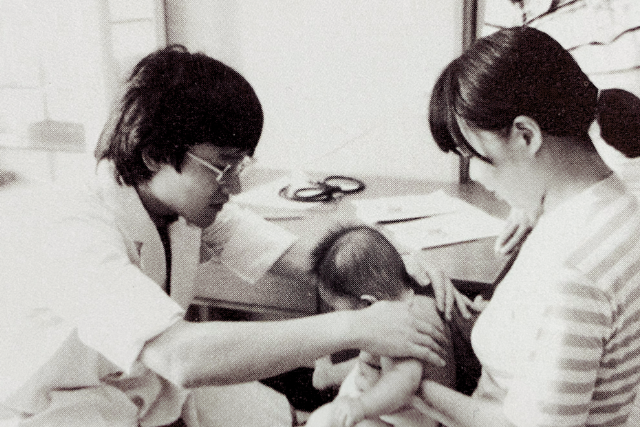
During infancy checkups at that time, there were several mothers per year who would appear in the examination room looking very depressed. According to data, about 40% of mothers suffer from maternity blues. I took various approaches, such as taking time to listen to the mother’s concerns during the checkups, giving advice on parenting, and offering psychological support, but none of them worked.
In 1998, a decade or so after opening my clinic, I became interested in Prenatal Memory after reading the book “Creating the Value of Life.” At first, I was somewhat skeptical, but when I talked to a midwife at my clinic about prenatal memory, I was surprised to learn that they already knew about it. As I continued my research on the topic, I found out that the baby hears the voices in their surroundings while they are inside the womb. I started promoting Kangaroo Care and the concept of Prenatal Memory in 1999.
Until then, there were about ten emergency cases per year that had to be taken to a major hospital. Also, data showed that I was performing about three times as many vacuum deliveries as the average hospital. I was shocked about this fact and realized that I was delivering the baby early using a vacuum because I was terrified that he or she could end up dying. It made me wonder if my choice to use a vacuum had been causing tremendous suffering for the baby during birth when they could have been born naturally, without intervention.
About a year after I learned about Prenatal Memory and decided to “Trust and let the baby do what it wants,” I took the data again and found that the rate of vacuum deliveries had dropped dramatically, to about one-fifth to one-tenth of normal hospitals, meaning that I hardly ever used them. In addition, I identified that various problems at the time of delivery dropped dramatically, and I rarely had to call an ambulance. Thus, I naturally began to avoid medical intervention as much as possible because I was committed to trusting the baby’s abilities. Based on this experience, I believe that the duty of a medical professional is to monitor and support the baby as much as possible so that he or she can be born as they desire.
Educating Parents
Furthermore, I began to actively convey information about Prenatal Memory to mothers and fathers to help them develop prenatal bonding by actively communicating with the baby in the womb. I would explain that from the moment of conception, when they see or hear something beautiful, for example, they should tell their baby, “It’s lovely.” When they go for a walk, say “Nice weather,” or when they have a good meal, “Yummy.” If you are too shy to say it out loud, you can say it in your mind and your feelings towards your baby will still be expressed.Practicing communication with your baby in the womb helps avoid complications during birth and creates a positive experience. As the mothers and fathers continue to communicate with the baby in the womb, they gradually become happier. As a result, once born, the babies smile more, cry less, and make more eye contact. I wanted as many people as possible to know about Prenatal Memory in the hope that nurturing prenatal bonding with the baby during pregnancy would increase happy births.
To Promote Prenatal Memory
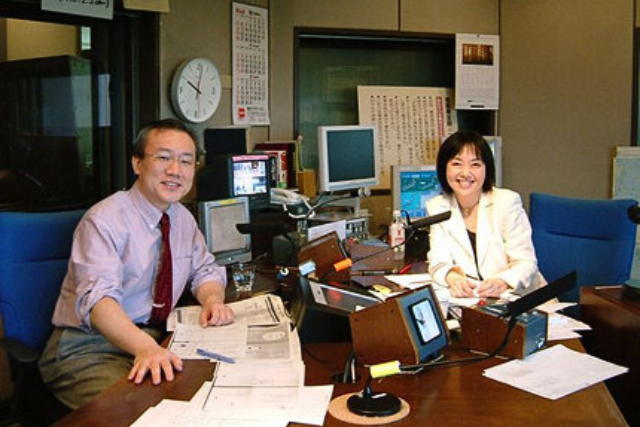
In 1999, I began to research Prenatal Memory and present papers on the results of my research at academic conferences in Japan, and was featured in newspaper articles and on radio shows. I soon began presenting abroad in Chile and Kuala Lumpur. In 2005, my ,“Investigation by Questionnaire Regarding Fetal/Infant Memory in the Womb and/or at Birth” was published in the Winter issue of the Journal of Prenatal and Perinatal Psychology. Around the same time, I was interviewed by Fuji Television for an 11-minute documentary and the following year, I made a self-produced film called “Tainai Kioku – Prenatal Memory” which is currently streaming on Informed Pregnancy+.
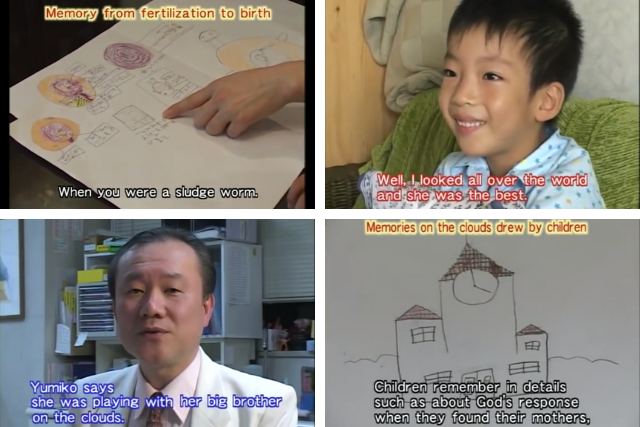
Through books, magazines, radio, and lectures, Prenatal Memory has gradually gained attention. In 2013, a documentary film featuring my research titled “Prenatal Memories of Children” was originally released by director Norio Ogikubo. (English, Spanish, French, Chinese, and Korean subtitles are available) Currently, the audience has reached about 320,000 viewers, by screening and streaming the film not only throughout Japan but also overseas.
Unfortunately, my clinic is no longer handling deliveries. For this reason, I am now working about half the time at my clinic and spend the other half lecturing and actively traveling around to raise awareness of Prenatal Memory. I also founded the Japan Prenatal Memory Education Association and the instructors are teaching Prenatal Memory. The concept of Prenatal Memory is gradually spreading around the world.
Since Prenatal Memory is about consciousness, we start to realize that we do not only exist physically but as multi-dimensional entities with minds and souls. Therefor pregnancy is the best time to start communication to nurture a mindful person who can create a compassionate world for the future. If we can have relationships based on the concept of Prenatal Memory throughout the world, we will be able to recognize and respect each other’s characteristics.
Together, I believe we can build a peaceful world through Prenatal Memory.
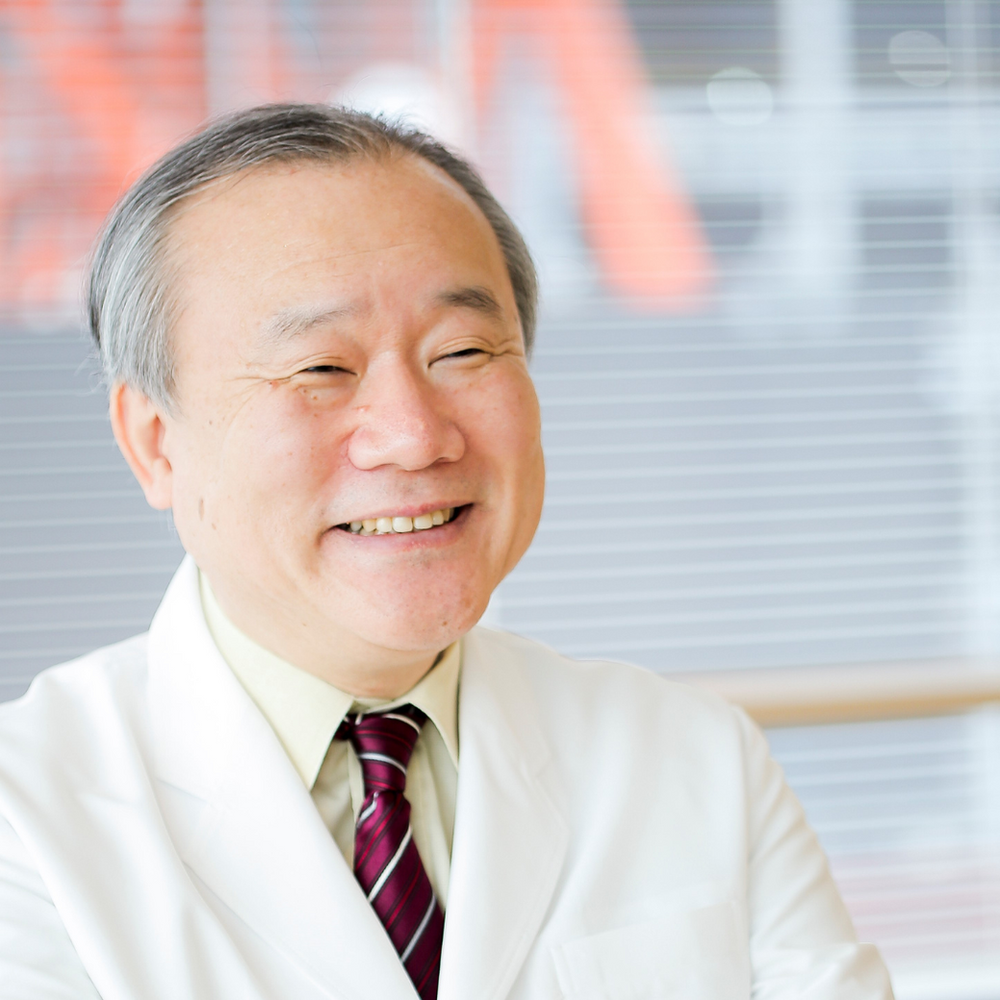
Dr. Akira Ikegawa, MD is an OB-GYN, author, and lecturer who has an extensive background in the research of the concept of Prenatal Memory. He distributed about 3,600 questionnaires consisting of 85 questions in 2002 and 2003 and continues to interview people about Prenatal Memory. He guides expectant parents and practitioners on how to communicate with babies in the womb, and delivers lectures nationally and internationally about the extraordinary stories that he discovers from his research.
“I met my husband later in life, although not so late that I thought we needed to talk about babies straight away. He already had children from a previous marriage so we took our time. We waited, we talked, argued and finally got to the point where we started trying.”
Informed Pregnancy+ is Dr. Elliot Berlin’s brand new multi platform streaming channel dedicated to pregnancy, postpartum and parenting. The Filmmakers Spotlight blog series features creators whose work is showcased on the channel. To learn more or sign up for a yearly or monthly subscription, click here!
Having a child will be easy, you have time, it’ll happen. Protect yourself from getting pregnant they say… take the pill… use condoms… withdraw they say. Little did I know just how heartbreaking my journey to have a child would be.
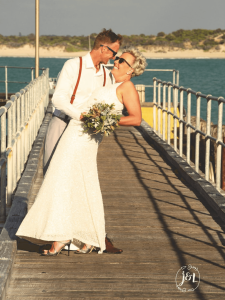
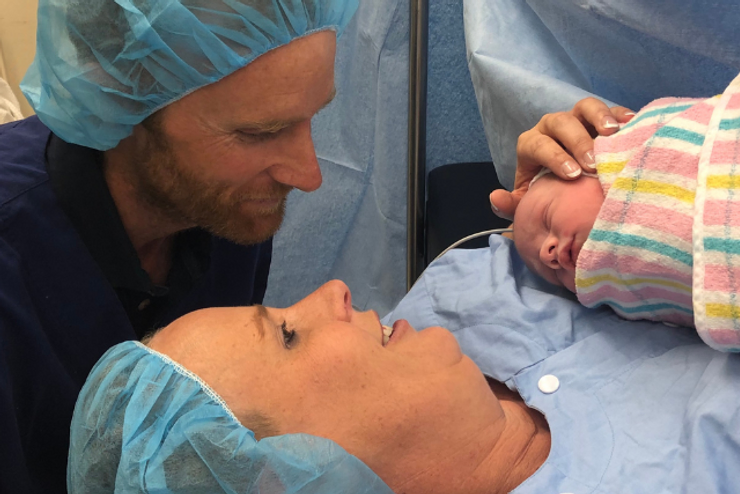
I met my husband later in life, although not so late that I thought we needed to talk about babies straight away. He already had children from a previous marriage so we took our time. We waited, we talked, argued and finally got to the point where we started trying.
My husband was working FIFO (fly-in fly-out) at the time, and although he was away for 3-4 weeks at a time we were blessed with getting pregnant pretty quickly. Knowing the short window we as women have and the fact I was getting closer to 40 it was even more exciting.
We got our confirmation from the GP, and they told me I wouldn’t need a scan till later, my levels looked good. As it was my first pregnancy I didn’t question anything. My boobs got bigger, they were sore, all my symptoms and my body told me I was pregnant. So for the next 8 weeks we went blissfully about our business. We even started talking names. Eventually I requested a 12 week scan, just to make sure all was ok.
The morning of our first scan was a Tuesday. We spoke excitedly about the future as we headed to see our baby but once there – heartbreaking news, it was a non-viable pregnancy. In that moment my heart broke. That baby was wanted, loved already. Although I had a friend who had gone through a loss, nothing could have prepared me for the pain and grief I felt in that moment.
We rang my mum, we told those close to us. And at 2am in the morning I wrote a SMS to my friends who knew about the pregnancy with the news. I explained what had happened, then I told them not to contact me till later. I knew they cared, but the reminder of my loss would break my heart again.
I thought it must have been something I had done… I worked too hard, got too stressed. I thought I had lost our baby. The next day I threw myself into work. I had back-to-back clients and because I didn’t know how to process everything, work meant I didn’t have to think about it. During a break, I rang my doctor, who hadn’t even looked at the scan yet, so I had to tell her about the miscarriage. She gave me the number of an obstetrician whose receptionist was rude and unhelpful. They didn’t have an appointment for 2 months, I was almost at breaking point when I pleaded with her to give me the number of someone who could help. I didn’t want to wait for it to pass naturally, how long would that be? Eventually I found someone who was understanding to help me get a DNC as quickly as possible.
Afterwards, I had to ring a client to cancel an appointment later that week. While on the phone she asked me if I was ok. I broke down and told her that we had lost our baby. I distinctly remember her saying, “oh I had one last year.” That was the start of a discussion I had with many other men and women in just a few days. They had all experienced loss, some of them multiple times.
A week later another very good friend of mine sent me a text message, one similar to mine, she too had lost her baby. It was in that moment that ‘You Are Not Alone’ was born. I thought, why don’t we talk about this, why is this something we suffer in silence? In pain? In grief? Why should we hold it in? I wanted to do something to help all those other women and their partners. So many people like me are going through this, but still feel so alone.
The production of the series was cathartic at times, and bloody hard at others. Just over a year after our first loss, we finally got pregnant again. Once again, excited was an understatement, but with a little more trepidation. It was super early – I was testing as soon as I was a day late. That week I headed on trip for work where I was to work a twelve hour day on the hottest day on record in full PPE on an iron ore barge.
Throughout the day I started spotting. It was hot and my body wasn’t coping. But when I rang the GP clinic they told me it was probably normal. The following morning it was more than a spot or two. I knew in my gut that this one wasn’t going to continue. I sat on the bed, took out my phone and recorded that moment. Part of me knew that if my documentary was going to happen I needed to record my journey. If I wanted others to tell me their stories, I needed to tell mine/ours too.
So I filmed moments along our journey – our journey to the ultimate joy of holding our beautiful child in our hands. Six months after our miracle was born we began filming the series proper. I watched as our wonderful subjects cried at the babies lost. I hugged them tight when we could (Covid was here) and I grieved again for ours. After a couple months of filming interviews I moved onto editing then finally the series was done. I hope that myself and the wonderful men and women who shared their stories will help someone on their own journey. My series “You Are Not Alone” is for those women, their partners, friends and families who have lost their baby, those who tried, suffered, grieved and yearned.
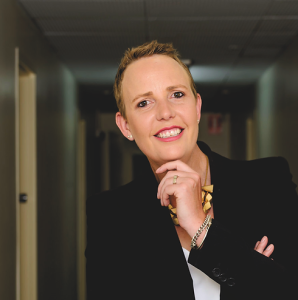
With over 15 years experience working as an editor and camera person at some of this country’s leading television and media companies, I have had a wide range of experience.
My knowledge of video principles, technologies, and methodologies is sound through the previous positions I have held. I have excellent communication skills, which have developed through my previous roles and exercise daily through my current role. I am passionate about producing high quality video stories for any medium.
I was honored with a Commended in the Best Current Affairs and Highly Commended in the News Camera categories of the SA Press Club Awards for my documentary on the Kapunda murders for “Evil Up Close”
In 2015 I worked as a Field Producer for Channel 9’s Alysa and Lysandra to the Rescue and as an Associate Producer for Channel 7’s Seven Year Switch..
Most recently I worked as a Shooter/Producer for season two of Seven Year Switch, as well as documentaries for Moving Visuals, Singapore and WAG TVs ‘What on Earth’.
“I became a mother when I was twenty-one, and had a c-section with twins. I didn’t know a lot about childbirth at that time, except for the fact that I was terrified of it. I knew my life was about to change in a drastic way, and everything about that was new and scary.”
Informed Pregnancy+ is Dr. Elliot Berlin’s brand new multi platform streaming channel dedicated to pregnancy, postpartum and parenting. The Filmmakers Spotlight blog series features creators whose work is showcased on the channel. To learn more or sign up for a yearly or monthly subscription, click here!
Surrender. This is the word I associate most with childbirth. It’s an amazing and humbling experience to bring a new life into the world through my body, and one I’ve experienced five different times. Each time it’s been a whole new experience, vastly different from the one before it.
I became a mother when I was twenty-one, and had a c-section with twins. I didn’t know a lot about childbirth at that time, except for the fact that I was terrified of it. I knew my life was about to change in a drastic way, and everything about that was new and scary. My water broke spontaneously when I was 33 weeks and one day into my pregnancy. The surgery itself was painless, as I had been numbed with spinal anesthesia, but the recovery was the most painful experience of my life. My twins spent the first four weeks of their life in the NICU and I embraced my new role as “mother”.
When my twins were two weeks shy of turning two years old, I had my first VBAC (vaginal birth after cesarean). Because of my awful experience recovering from the surgery, I was determined to not have a repeat of that experience, and spent the entire pregnancy researching how to avoid another c-section. I started learning about the midwifery model of care, and reading books by Ina May Gaskin. I joined online forums and groups where people shared positive birth stories, and I began to prepare for a successful VBAC without pain medication. I was met with opposition from my care provider, who told me she’d never seen anyone give birth without an epidural. I knew having an epidural would increase my chances of having a repeat surgical birth, and I didn’t want that so I was stubborn and held strong to my convictions. I went on to have a successful and drug-free birth without Pitocin or epidural, in a hospital in the Midwest, thanks to a supportive L&D nurse who dubbed herself “the underground doula” of the hospital system. She massaged my feet, fed me, and gave me liquids during my labor, while the lights were dimmed and music from a playlist of my choosing serenaded me in the background. My child was born with ease as the song “The Night You Saved My Life” by Tonya Donnelly played, and my mother held my hand.
My second VBAC, third birth, and fourth child was a completely different experience. We had moved back to Florida during this pregnancy, and although my doctor claimed to be pro-VBAC throughout my pregnancy, when I went into labor, he pulled a bait and switch on me. Suddenly he was threatening me with a c-section if my child wasn’t born by 2:00 PM that day. My mother and one of my cousins acted as my support system through this one, and between the three of us, we managed to fight off the nurses who tried to force interventions upon me that I didn’t want. This time around I had to spend every minute of my labor fighting with hospital staff to procure the birth I wanted, and it made for a much more painful labor because I was tense and under so much stress due to the mean nursing staff. My cousin massaged my lower back to help with pain relief and my mother advocated for me when I couldn’t speak for myself. There was no music playing, and it was not a peaceful environment, but I did manage to have another drug-free, successful VBAC. However, I was left with emotional trauma due to how I was treated while in labor by the hospital staff.
When my husband and I got pregnant for a fourth and final time, I had sworn that unless it was a literal life or death situation I would never give birth in a hospital again. This time I found a freestanding birth center in Hollywood, FL and a wonderful midwife, Debbie Marin. This pregnancy and birth experience were different than any before. She listened to me and my concerns. She taught me about prenatal nutrition, something no previous care provider had done. This birth was such a beautiful experience; in water, by candle light, with music and my husband behind me in the tub. I was laughing and joking in labor. I had learned a little about self hypnosis and utilized it during contractions. I felt pressure but no pain. Debbie gently guided me through the birth of my baby, allowing me to be in full control but let me know she was there to do all the dirty work while my body did what it was designed to do.
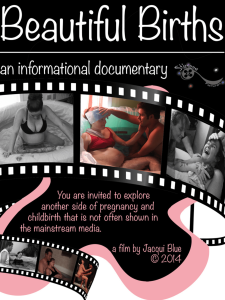
The birth of my fifth child was such a beautiful experience that it inspired me to make a documentary several years later called Beautiful Births. I wanted to educate and inform other people that they had options when it came to how and where they had their babies. I wanted to share information that I didn’t have until this pregnancy. I wanted the world to know about the Midwifery Model of Care and how it was different from the Medical Model of Care. Both have pros and cons, and I felt that every person should have the right to decide for themselves rather than be forced into a hospital birth just because it’s what their mom did, or what was considered “normal”.
I went onto study hypnotherapy and became a certified hypnotherapist, with specialization in pregnancy and childbirth. I created a whole hypnotherapy program, different from what already existed, with one on one options as well as a self study program, and coming in early 2023, also an interactive book version of the program too! My book has the full and detailed versions of all my birth stories. I wanted to work with people one on one to custom tailor my hypnotherapy for childbirth to their personal needs and regardless of how or where they chose to give birth, whether with the medical model of care or the midwifery model of care. My job is to support the parent-to-be and their wishes because I’ve experienced both and I have no judgment, only support to help people have better birth experiences.
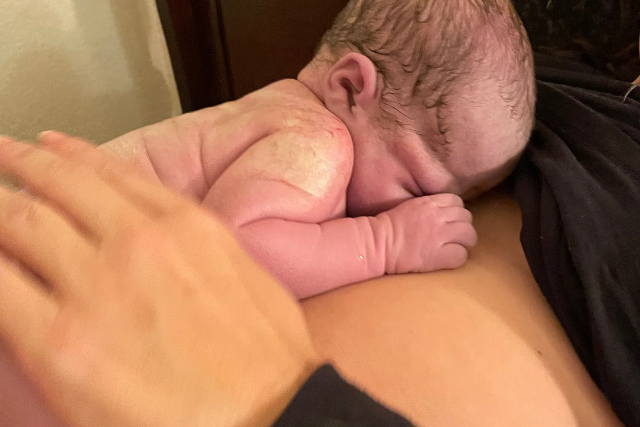
Thirteen years after my water birth experience which inspired my documentary, I got pregnant with a surprise baby. I was now 39 years old and this time it was considered “geriatric pregnancy”. I dealt with a lot of antepartum depression the entire pregnancy, but the only thing I was looking forward to was having another water birth. I was planning for another beautiful birth experience. I imagined candles lining the tub at the birth center, while leaning on my partner in the warm water. I was curating a playlist of music to listen to while in labor. I had talked about my birth plans with my midwifery team, and with my daughter’s father. It was the one thing I was confident about. But my unborn daughter had other plans. This time, I went into labor five days before my estimated due date, and my labor was precipitous – active labor was less than three hours; from seeing bloody show at 5:30 to first hard contraction around 6:00 PM, and my daughter on my chest at 7:51PM. Nothing about this birth went the way I planned. It ended up being an unassisted birth, dry birth, on my bed with only my 15 year old son holding my hand. There was no time for anyone else to make it to me. I had to just surrender to the moment and I was able to do so without fear because of all my knowledge, research, and hypnotherapy training. I utilized my own teachings from my program and went within. The soundtrack to my daughter’s birth was my own primal growls, also referred to as “birth singing”. According to my son I hit every octave in the human vocal range, and then lifted my baby onto my chest. I couldn’t have done it so easily and effortlessly without surrendering to the moment.
Surrender. Birth is about surrender. In the moment, it is the most powerful thing we can do, and honestly, it’s the only thing we can really do. Regardless of circumstances or our plans, birth is a wildcard and sometimes it happens so fast that things are beyond our control, that all we can do is surrender to the experience and let it happen.
Check out this blog post on pediatric chiropractic by Dr. Brandie Elizabeth Keates, DC!
Jacqui Blue is a Filmmaker, Certified Hypnotherapist, and Author who created the Beautiful Hypnosis-Births program and first ever interactive hypnotherapy book due out in 2023. She is also a mother of six children and an animal rescuer, who resides in Southern California with her children and rescue pets. She enjoys painting and photography in her free time.

 Having a child will be easy, you have time, it’ll happen. Protect yourself from getting pregnant they say… take the pill… use condoms… withdraw they say. Little did I know just how heartbreaking my journey to have a child would be.