by Needed | Nov 30, 2022 | Fitness & Nutrition, Pregnancy
*This is a sponsored post.
“Modern food processing depletes food of naturally-occurring enzymes, and oftentimes pregnant mamas don’t produce enough themselves. That’s what taking a pregnancy-safe digestive enzyme supplement can help.”

With the holidays around the corner, digestion is on the minds of many. Being pregnant during the holidays comes with added digestive challenges, like heartburn, bloating, constipation, feelings of fullness, and more.
Plus, improper digestion can impair nutrient absorption, and pregnancy certainly isn’t the time you want to mess with nutrient depletion. Here are 7 tips to help naturally support your digestion while pregnant so that you can get through the holiday season feeling comfortable and optimally nourished.
1. Stay hydrated
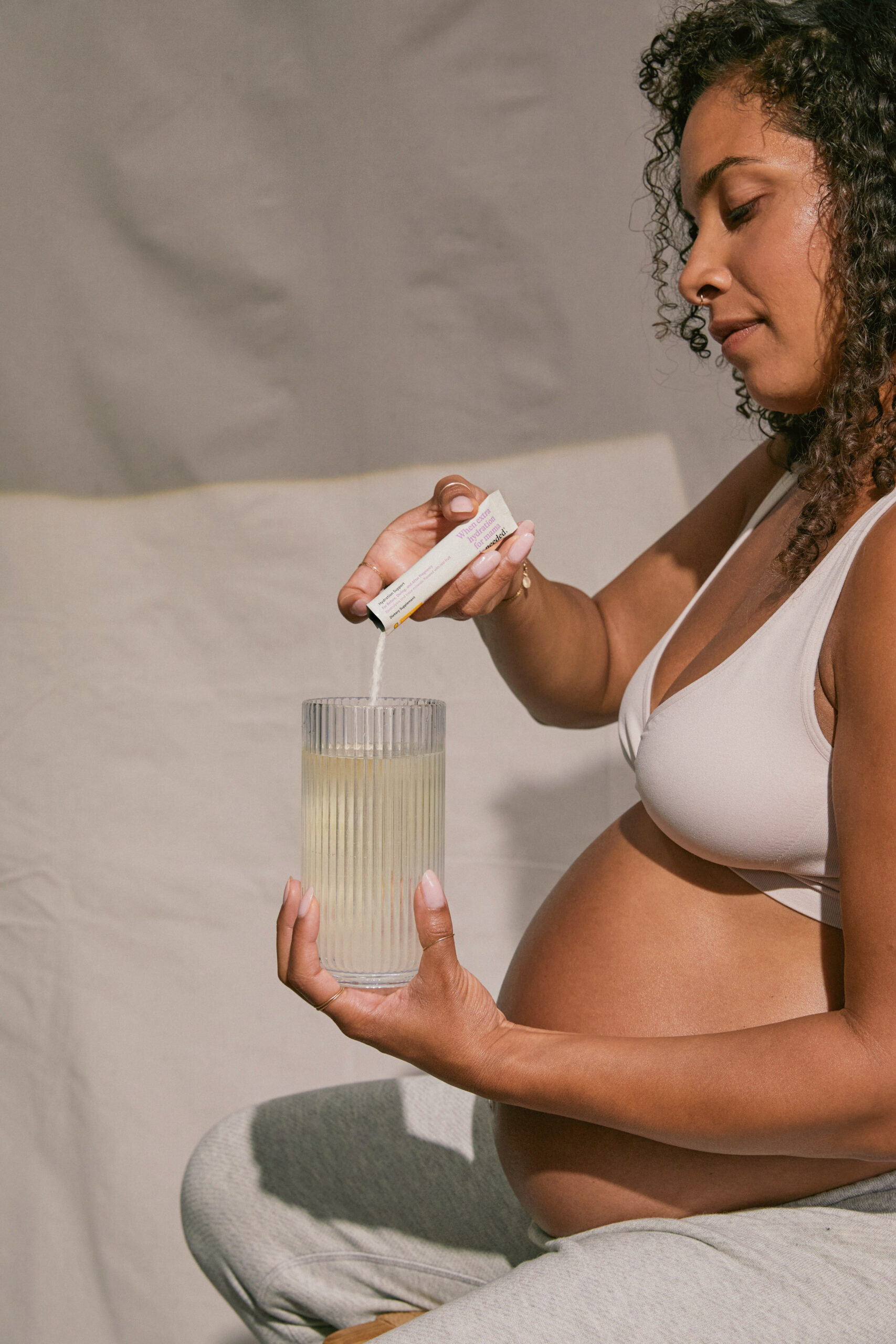
Water helps to keep food moving through the digestive tract. Not drinking enough water is a common cause of constipation. Your hydration needs are elevated when pregnant, so it’s important to focus on getting enough water. Of course, water alone isn’t always enough to hydrate properly, so consider adding a pregnancy-safe electrolyte supplement like Needed’s Hydration Support.
Other ways to stay hydrated include soups, smoothies, pregnancy-safe herbal teas, and bone broth.
2. Manage stress
Pregnancy + holidays is a stressful combination. But stress has been associated with a number of digestive concerns, from nausea and ulcers to diarrhea and constipation.
Stress hormones like cortisol directly affect your digestion. When your body is in a stressed out or sympathetic state (also known as fight-or-flight mode) it directs all of its resources toward essential bodily functions like vision and cardiovascular functions, and diverts energy away from “nonessential” functions like digestion and reproduction. This means that your digestion will slow, leading to discomforts like bloating and constipation.
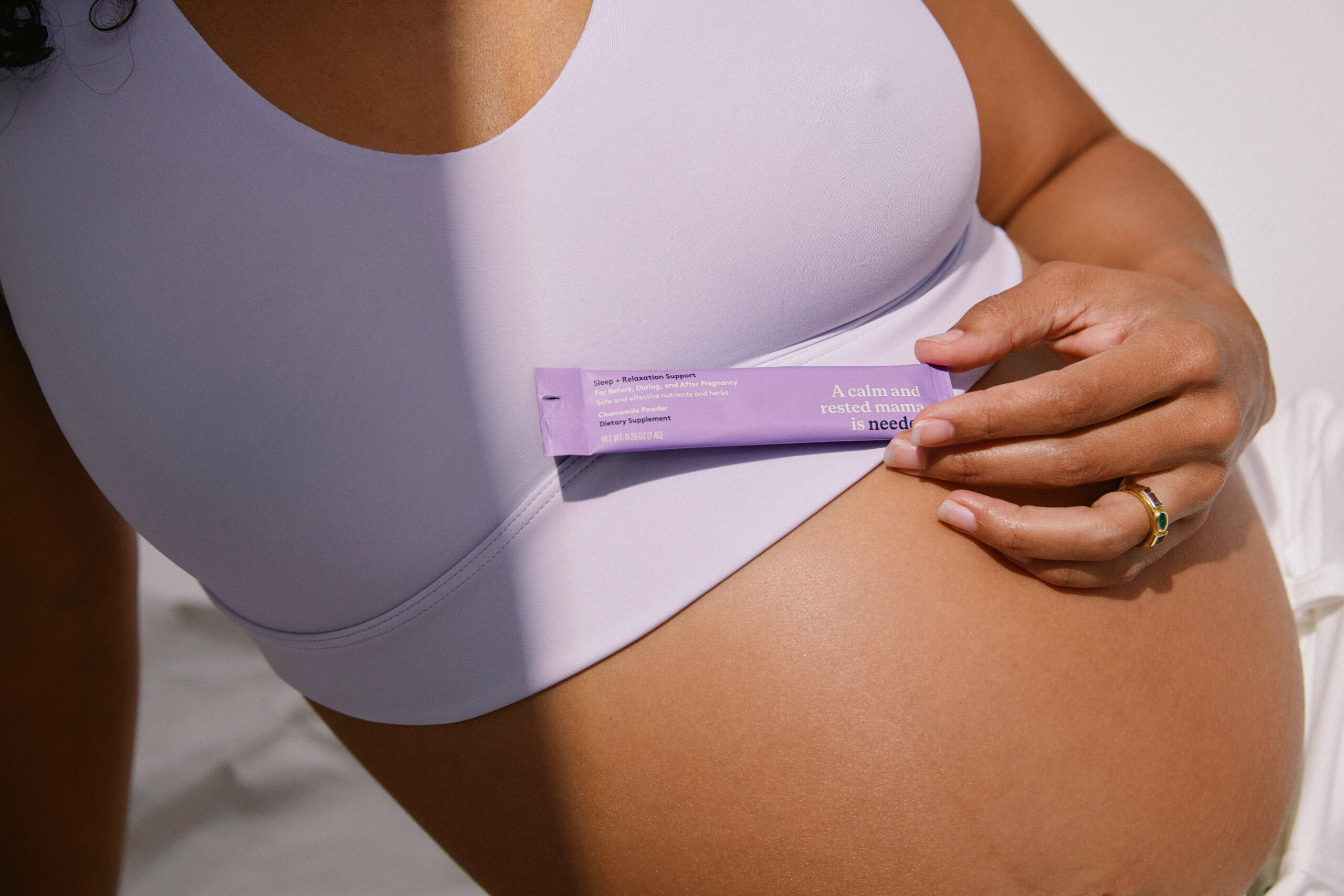
Some effective ways to manage stress include mindfulness activities like breathing exercises, meditation, and yoga. You can also take a pregnancy-safe supplement like Needed’s Sleep and Relaxation Support. It includes magnesium for relaxation, L-theanine which promotes alpha-wave brain activity, the brain waves that help reduce stress and anxiety, L-glycine for improved sleep quality, and chamomile which is traditionally used to promote overall relaxation.
3. Chew thoroughly
Digestion starts in your mouth, and the process of chewing helps to activate your body’s digestive enzymes which help to break down your food.
Chewing food thoroughly helps to take some burden off of the rest of your digestive system, which alleviates symptoms like indigestion, bloating, and heartburn. Try to focus on eating slowly and mindfully without distraction to support your body’s natural digestive process.
Stay informed with Dr. Berlin on Instagram!
4. Take digestive enzymes
We know that digestive enzymes are essential for healthy digestion, but sometimes, even with adequate chewing, the body isn’t able to produce enough on its own.
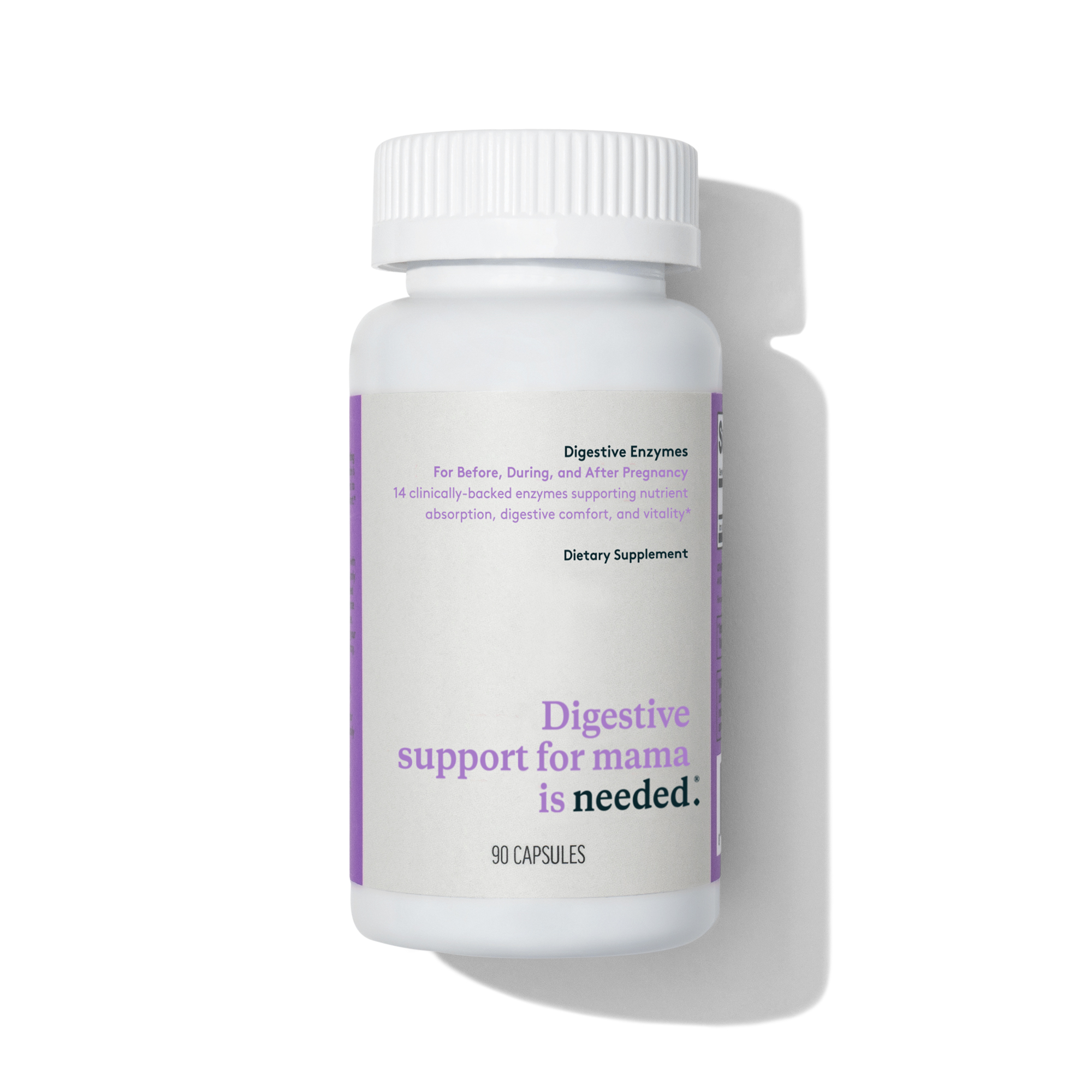
Modern food processing depletes food of naturally-occurring enzymes, and oftentimes pregnant mamas don’t produce enough themselves. That’s what taking a pregnancy-safe digestive enzyme supplement can help. Needed’s Digestive Enzymes support digestive comfort and overall gut health, plus nutrient absorption which helps immunity, energy levels, and mental alertness.
5. Introduce gentle movement
Even light exercise can help food move through your digestive system. A simple walk after your meal can help to improve digestion, reducing bloating and constipation.
6. Take a probiotic
During pregnancy, the hormones estrogen and progesterone increase, which can change the composition of gut microbiome and affect the digestive system. A recent study found that probiotics significantly improve the symptoms of pregnancy-related digestive concerns like nausea, vomiting and constipation.
Needed’s Prenatal Pre/Probiotic supports a strong and healthy microbiome, including not only your digestive tract, but also your skin, and vagina, and the gut of your baby to be.
7. Incorporate fiber
Fiber has a number of benefits during pregnancy. Fiber can help to reduce the risk of insulin resistance and glucose intolerance which can contribute to diabetes. It can also help to reduce the risk of preeclampsia and can also help support digestion and ease constipation.
There are two types of fiber – soluble and insoluble. Most plants contain both soluble and insoluble fiber, but in different amounts. Soluble fiber dissolves in water, and absorbs water in your intestine. Soluble fiber is found in oats, barley, seeds, beans, lentils, apples, and citrus. Insoluble fiber doesn’t dissolve in water, so it adds bulk to the stool making it softer and easier to pass through the stomach and intestines. As it can help food pass more quickly, insoluble fiber can support constipation. Insoluble fiber is found in cruciferous vegetables, nuts, green beans, potatoes, and whole grains.
The bottom line Pregnancy involves so many changes in the body, including digestive changes. But the good news is that many of the digestive challenges that pregnancy presents can be managed with simple tweaks and additions to your nutrition and lifestyle.
Check out IP+ the brand new pregnancy-focused streaming service from Dr. Berlin!
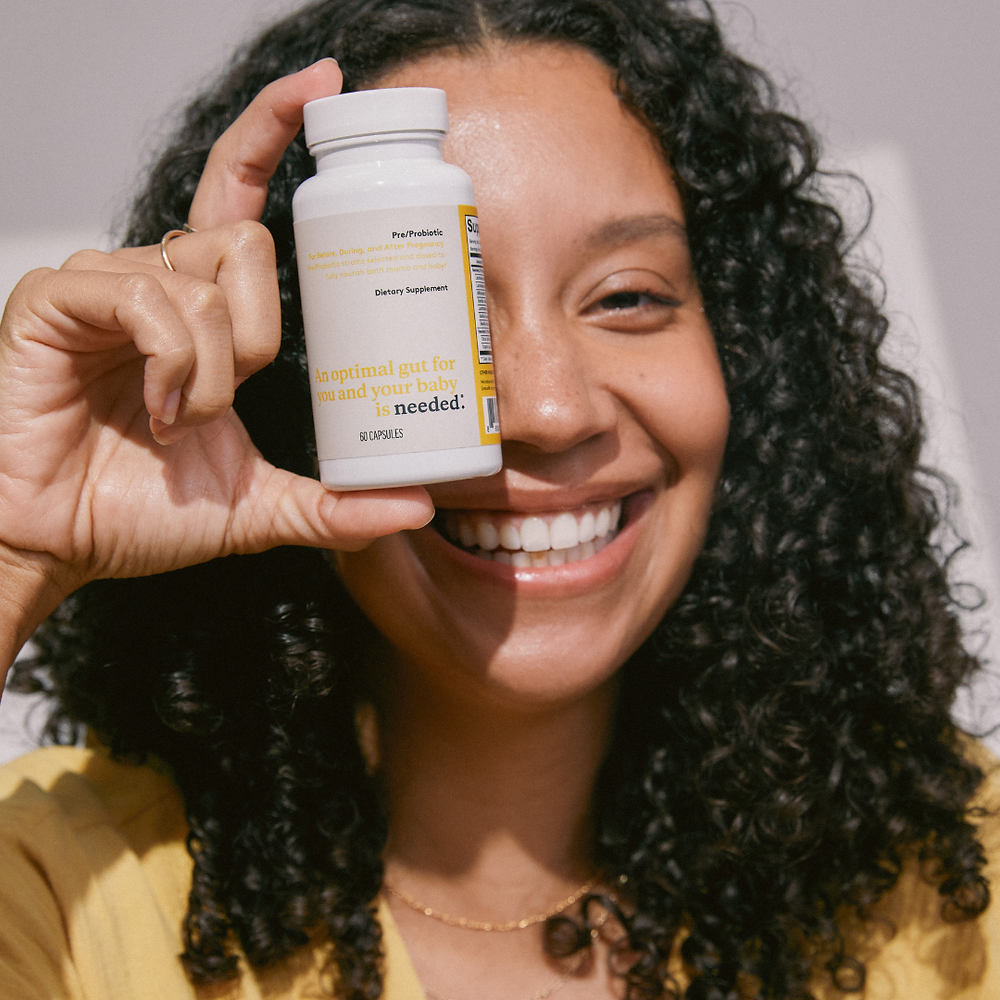 Needed is a nutrition company delivering optimal nourishment for women and their partners before, during, and after pregnancy. Needed is the #1 women’s health brand among nutritionally trained practitioners, and is backed by the recommendation of thousands of perinatal health experts. Their products and educational content are grounded in the latest clinical research and the in-practice experience of its practitioner collective. Needed delivers what you need to thrive, not just survive, along the perinatal journey and the parenting years beyond.

by Susanne Grant | Nov 15, 2022 | Mental Health
**This is a repost of a classic Informed Pregnancy article.
“Taking care of yourself has to be your number one priority. The better you feel the bigger the difference you can make in this world; for yourself, your family and your friends.”

As a hypnobirthing teacher and healing coach I have mums (to-be) coming to me for emotional healing support. Many of us struggle to find our way in this life changing experience; rediscovering ourselves, our bodies and our relationships. Maybe pregnancy and birth didn’t go as you hoped for, leaving behind feelings of failure, guilt or sadness.
This new phase may have brought up old feelings from prior relationships, (sexual) abuse, or other negative experiences, triggering you as you try to continue. I see it time and time again, it is completely normal! These triggers – how overwhelming they may be – create the beautiful opportunity to allow you to find healing. These are my tips to promote emotional healing after pregnancy and birth:
Tip 1: It’s ok, not to be ok!
It begins by acknowledging what you feel is ok. That it is normal to feel like everything isn’t ok. Really, it is ok! Whatever you are feeling right now, tomorrow, or the day after tomorrow, is ok. However, do not ignore it!
Tip 2: Listen
Start paying attention to what triggers you. Is it something that is being said to you? Is it a sound, a smell, a situation that reminds you of something? When you figure out what is your trigger, you need to look at the story behind it. What are you telling yourself? Are you telling yourself you are not good enough? You don’t deserve it? For example, when you get into an argument with your partner for not doing things your way, is it because it makes you feel worthless? Or when you’re not in control, is it because you are scared to lose everything you worked so hard for? It can be helpful to start journaling and writing down what you are experiencing each day.
Stay informed and entertained with Dr. Elliot Berlin, DC!
Tip 3: Self-care needs to be the priority
Taking care of yourself has to be your number one priority. The better you feel the bigger the difference you can make in this world; for yourself, your family and your friends. Don’t be harsh on yourself, if you need to take time off to take care of yourself or your little ones, do it! The world doesn’t end when you say ‘No’ every once in a while! That’s why it is so important for you to start listening to what you need. Do you need more rest? Some alone time? Or do you need someone to help you? Remember, knowing your boundaries isn’t a sign of failure! Allow yourself, and others, to take care of you.

Tip 4: Start EFT
The Emotional Freedom Technique (EFT) or “tapping” is a great and gentle tool to help you release those trapped feelings that you just can’t seem to get rid of. Tapping on specific points of the body, it will help to releasing the blockages within the energy system which are the source of emotional intensity and discomfort you have been feeling. That is why it is so important you need to start listening to what is bothering you and where it shows up in your body. When you do, and start giving it the attention it deserves it will start shifting. When you use EFT on top of this it will promote the healing even further. You may need to do a few repetitions; you may need to do it for a few minutes each day for the next for days or weeks. Just keep going until it’s completely gone!
Postpartum recovery takes time, so give yourself the time you deserve. Take as much rest as you need and make sure you find a balance that works for you with plenty of water and nurturing foods. If you still feel like you are not feeling well, please tell someone. Talk to a friend, colleague, or family member. You are not alone!
Check out this new parenting blog post for tips on housework for kids!

Susanne is an international Hypnobirthing & Healing coach who specializes in (birth) trauma, PTSD & body issues. She coaches women around the world to heal sexual abuse & trauma as well as prior traumatic births. While pregnant, Susanne’s experience of child abuse put her on a different road of care from her team of midwives. This gave her a new mission in life, helping women heal wounds from the past. Having been diagnosed with PTSD at 17, she knows firsthand how challenging this can be.
For support pre or post birth, and her free Heal Yourself Workshop, please visit www.grantmethod.com or email her at susanne@grantmethod.com

by Kathleen Valenton | Nov 8, 2022 | Health Conditions, Mental Health, Pregnancy
**This is a repost of a classic Informed Pregnancy article.
“Stress is also implicated in decreased birth weight. The hormones that are released in a chronic stress state affect blood vessel constriction and may decrease the appetite of the mother, in turn affecting the growth of the fetus.”
Pregnancy can be an anxiety-provoking time. Not only are there constant new and often unexpected physical changes, preparing to be a parent is also emotionally taxing. While we mostly focus on things like eating nutritious food, avoiding toxins, and taking prenatal yoga classes when we talk about ‘having a healthy pregnancy,’ we should also consider our mental wellbeing and how chronic stress might adversely affect pregnancy. There is a normal amount of stress in any pregnancy, but chronic or extreme stress – like what one might experience after a death in the family, or a stressful living or financial situation, can have a significant impact on a woman’s pregnancy. Although some of the links between stress and adverse outcomes in pregnancy are not clear, we do know that in response to perceived stress our brains secrete corticotropin releasing hormone (CRH). Correlations have been made between increased levels of this hormone and an increased risk of preterm birth and even miscarriage.
Follow Dr. Berlin on Instagram to stay up to date on The Informed Pregnancy Project!
Stress is also implicated in decreased birth weight. The hormones that are released in a chronic stress state affect blood vessel constriction and may decrease the appetite of the mother, in turn affecting the growth of the fetus. Additionally, chronic stress can decrease the effectiveness of a mother’s immune system, leaving her more prone to viruses and bacteria. Not only are there possible short term effects of stress, there are some researchers who believe that there is a connection between chronic stress in pregnancy and the emotional, behavioral, and physical development of children later in life. Again, these links are not clear, but it makes sense to try to decrease chronic stress during pregnancy as much as possible.
What are some effective ways to reduce stress?
Sit in silence. In our high-tech environment, the overstimulation surrounding us is not conducive to a relaxed, stress-free pregnancy. Try meditation or a long bath or shower, focusing on breathing deeply in and out. Move. Exercise has been proven to reduce stress, lift your mood, and give you more energy. This is excellent during a time when one feels sluggish and emotional. Avoid negative energy. Turn off the television if it is provoking fear or anxiety. Avoid conflict at work and, if possible, in your family and social life. Therapeutic massage. A good massage by someone trained to work with pregnant patients reduces bodily tension on muscles and bones that are bearing more weight than usual as your baby grows.
A massage can also help with posture and breathing. Stretching is an effective adjunct to this. Express your emotions. Laughter and crying are effective ways to release any tension that might be held inside. We all know how cathartic it can be to have a good cry! Realize you can’t do it all. Accepting that not everything is under our control can help ease anxiety. Saying no to projects or tasks that may be too difficult is okay, especially during a time when your body is vulnerable. Seek out social support. Confiding in family and friends or in a healthcare professional can help alleviate stress.
Check out this new post on the Informed Pregnancy Blog!
 Dr. Kathleen Valenton received her Bachelor’s Degree in Psychology from the University of California, Berkeley. After earning her Master’s Degree in Psychology and working as a senior therapist for children with Autism, she went on to receive her Medical Degree from the prestigious University of Vermont College of Medicine, consistently rated one of the top 10 medical schools in the country. She received exceptional training in Obstetrics and Gynecology at the highly acclaimed Cedars-Sinai Medical Center, and has continued to serve on staff as an attending physician providing optimal obstetric care and offering operative gynecologic procedures. She participates in resident education, and is highly involved in nursing and MD collaborations. She has recently extended her practice to the well-reputed St. John’s Medical Center. Her main interests in the field of OB/GYN are in obstetrics, pelvic pain, infertility evaluation, and minimally invasive surgery. Her focus of research includes Infertility, Polycystic Ovarian Syndrome, Vitamin D Deficiency, Anorexia and Bulimia in Adolescents, and Social Media and Medicine.
by Keira Moré | Oct 19, 2022 | Health Conditions, Labor and Delivery
Once we received news of the surgery, the rest was an agonizing blur. We were pushed upstairs to sign paper after paper with the anesthesiologist, releasing them of responsibility if they accidentally killed my baby. Having my newborn go through invasive surgery at only days old was one of the scariest things I have ever experienced.
A premonition

The sterile stillness of the hospital swallows me as I peer into the box. My newborn daughter is in the incubator, and there is something wrong. I feel powerless. As I reach over to grab her, I am jolted from my sleep and I wake up. During my pregnancy, this eerie nightmare plagued my sleep. I woke up unsettled and terrified each time. I prayed for a boy to prevent the unsettling nightmare from turning into a premonition. Little did I know, the birth of my first child would forever change my life in more ways than one.
My husband and I kept the gender of our child a surprise, planning to find out at birth. At 39 weeks, I was induced since I had signs of preeclampsia. After 24 hours of labor, my daughter arrived eagerly into this world. I was exhausted, but our first few moments together were magical. Once we were in the recovery room, I placed Valentina into the bassinet for a brief moment. When I looked over, I was paralyzed with fear. She had turned completely blue. As I shouted for the nurse, an eerie feeling of deja-vu washed over me.
The nurse struck the code-blue button on the wall, and Valentina was rushed to the nurse’s station. Since my daughter arrived quickly, she had an unsafe amount of amniotic fluid coating her lungs. I watched as the nurses struggled to put a tube down her tiny throat to suck out the remaining liquid. I have the gift of remaining calm and cool-headed during high-stress situations, but watching the hospital staff struggle was incredibly painful. It felt as if a part of me was now outside of myself, and I had no control over anything that happened. The nurses assured me that this was a relatively common procedure for babies who are born quickly, as the speed does not allow the pressure from the vaginal canal to drain the baby of the remaining fluid. Thankfully, our baby made a quick recovery. Later that day we were released from the hospital and were ecstatic to finally go home with our sweet Valentina.
Home from the hospital
Our time at home together was short-lived. Soon after we arrived, I was called and told to bring Valentina back to the hospital as she had jaundice. Much later I learned that jaundice can be treated from home. Returning to the hospital was disorienting. Valentina was placed in an incubator for over 16 hours under blinding lights. At the same time, my milk had started to come in. I had to pump, but I was not allowed to feed her. At a time when all I wanted to do was hold her, I could only watch. Finally, we were told that we could go home again, and I was grateful to finally be able to just be with my daughter.
My relief was temporary. The next day, every time I tried to feed Valentina she vomited green. I was terrified, and quickly contacted my pediatrician and talked to my night nurse. My pediatrician claimed I had probably overfed her, while my night nurse reassured me that it was the green juice I had earlier which could affect the color of breast milk. I was confused and exhausted, but I placed my faith in their expertise. Valentina continued to vomit green over the next few days every time I tried to feed her. The more I desperately sought answers, the more I only received questions. I grew exceedingly nervous and restless. At the same time, I noticed she was sleeping in longer intervals, which did not seem normal to me. I could no longer take it, and on the fifth day, I called my pediatrician. I told him I was either bringing Valentina directly to him or back to the hospital.
When we arrived at the pediatrician’s office, the doctor noted her belly was distended, and confirmed she was lethargic. My pediatrician told my husband and me to take Valentina to the ER with a request to run a specific test. Being back at the hospital again and on the ER floor with Valentina was traumatizing. It was the last place I ever imagined I would be with my less-than-a-week-old daughter. My autonomy over myself and my daughter had been ripped away from me. My interactions with hospital staff were strained. The more I advocated for my daughter and myself, the more I was met with resistance and judgment. My anxiety peaked as the hospital ran test after test with no results, every test except the one my pediatrician had requested. Finally, after exhausting all other test options, they ran that one.
The test revealed that Valentina had an obstruction between her esophagus and stomach, known as duodenal atresia. The obstruction was just big enough to let in a drop of liquid at a time, which is why once my milk changed from colostrum to mature milk, she was unable to take it and instead, threw everything up. We were told that the only way to treat duodenal atresia was surgery. She would be cut open and they would have to create a bypass, creating a bigger opening inside her tiny body. There was a 15% chance that she would eventually need a second surgery.
Get the latest Informed Pregnancy news on Instagram!
A three hour surgery
Once we received news of the surgery, the rest was an agonizing blur. We were pushed upstairs to sign paper after paper with the anesthesiologist, releasing them of responsibility if they accidentally killed my baby. Having my newborn go through invasive surgery at only days old was one of the scariest things I have ever experienced. After a three-hour surgery, the surgeon stepped out to give us an update. He told me that they had cut open Valentina’s tiny body and removed her appendix. The surgeon had to rearrange her organs. I was livid. The surgeon had never asked my permission, and now all I could do was listen to what had happened to her. The pain was unbearable. He told us that Valentia had been admitted to the NICU.
While Valentina was in the NICU for recovery during the next few weeks I hated to be pulled away from her side. As a full-term baby, having her in the NICU amongst premature babies was unsettling. The recovery was painful. Due to the intensity of the surgery, I could not hold or feed her. The only thing I could do was watch. I felt helpless and powerless. For five days she received her nutrients from an IV. We would spend 14-16 hours a day at the NICU, leaving only to sleep because it was not allowed there. Despite the supportiveness of my family and friends, I perceived any attempt at asking me to leave the hospital as taking me away from my daughter. My time in the NICU was isolating, as I could not communicate my experience to others who had never felt the pain of such a quick separation from their newborn child.
A healthy daughter and a new career
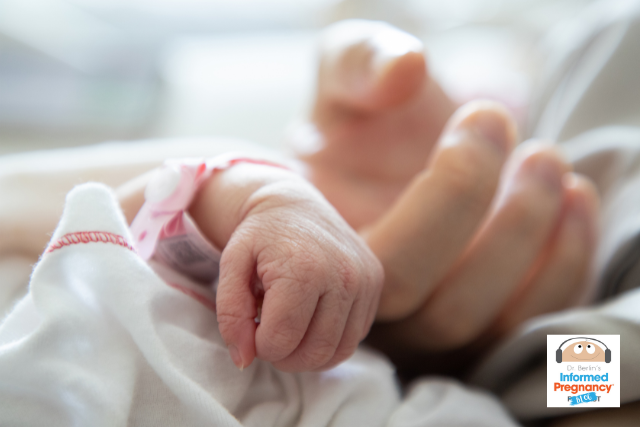
Today, I am grateful that Valentina is a happy and healthy four-year-old. She has not needed a second surgery but her birth changed my experience not just as a mother, but as an advocate for others. Long after the surgery, I learned that duodenal atresia was a condition that should have been caught during my pregnancy as it is often a marker for chromosomal issues and Down’s Syndrome but my doctor made a mistake. He missed it entirely. While knowing in advance would not necessarily have made my experience easier, the shock and pain I experienced at finding out immediately after Valentina’s birth was scarring. In addition, I eventually learned the reason her vomit was green was due to bile, which as a new parent experiencing heightened emotions I did not realize at the time. There was so much information I didn’t know. I was so focused on advocating for my daughter, that I did not realize no one was advocating for me. The impact of Valentina’s surgery on my health embedded itself in my existence for a long time. After her birth, I needed to attend therapy and started medication for anxiety. I lived in constant fear and anxiety for my daughter, that anything could happen to her.
While a birth journey is wildly beautiful, it can at the same time be scary, intense, and a road riddled with unknowns. My journey with Valentina changed me. I realized that you have to be your best advocate, but that you should not have to do it alone. Our medical system does not present options to expectant parents, often diminishing their judgment and intuition about their own children. Oftentimes, expecting parents are unaware of all the choices they can make. Thus with the birth of Valentina, my dream to be a doula was also born. The isolation and pain I experienced after Valentina’s birth is something I never want another parent to experience. My connection with my daughter is one of the most magical and beautiful things I have in my life. As a doula, I want to help parents trust their connections with their children. My mission is to educate and empower other expectant parents so that they have the wealth of knowledge and tools to make the best decisions for themselves and their families. My long-term hope is to create an empowered, informed, supportive loving community
Learn how to get your breast pump covered by insurance on this popular episode of The Informed Pregnancy Podcast!

Keira Morè is a doula, childbirth educator, lactation educator, NICU peer mentor, wife, and mother to two beautiful children. Pivoting from a career in the fashion industry, her powerful experiences with the birth of her first child inspired her to become a doula. Experiencing firsthand the inequities and limitations of the medical system as a parent transformed Keira’s perspective of parenthood. With her work as a doula, Keira infuses compassion and integrity to empower birthing people and their families. She centers her work on informing and educating expectant parents so that each family can make decisions that best serve them. Currently, Keira resides in Los Angeles with her lovely family. During her downtime, she is building a beautiful garden with the help of two very avid little gardeners. Connect with Keira through her Instagram – @noa.doula
by Dr. Nate Fox | Oct 5, 2022 | Health Conditions, Labor and Delivery, Pregnancy
“It is very important not to stop any necessary asthma medications due to a possible pregnancy without speaking to your doctor because an asthma attack in early pregnancy due to stopping medications can also be very dangerous to you, and your baby.”
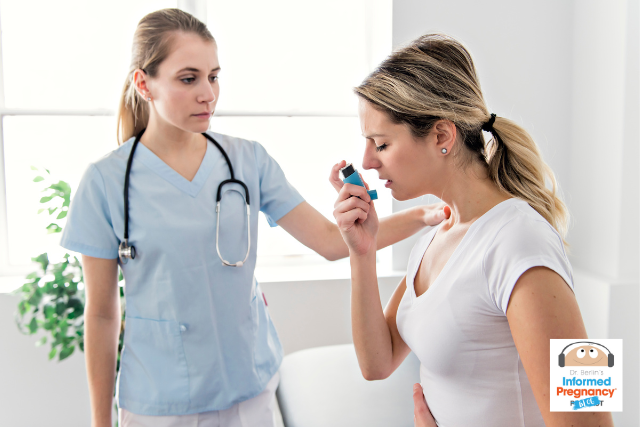
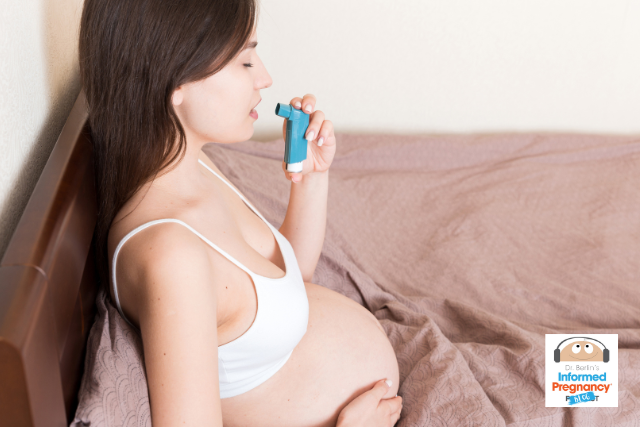
Asthma is a common medical condition. As such, many women have asthma during pregnancy. Pregnancy may affect asthma and asthma may affect the outcomes of pregnancy. The following is meant to be an overview of asthma during pregnancy.
The Effects of Pregnancy on Asthma
The effects of pregnancy on asthma vary among women. Approximately one-third of women with asthma improve during pregnancy, one-third worsen, and one-third stay the same. Interestingly, pregnant women aren’t likely to experience asthma exacerbations, or shortness of breath, coughing, and wheezing, during labor. Additionally, the changes in physiology during pregnancy do not significantly alter spirometry (testing of lung function) values in asthmatic patients, so spirometry remains an excellent technique to detect and manage pregnant women with asthma.
Asthma has been shown to increase the risk of fetal growth restriction, preterm birth and perinatal mortality. However, this is most likely related to the quality of asthma control, and if well-controlled, women with asthma tend to have similar pregnancy to those without asthma. Thus, the key is having the asthma well-controlled!
Click here to listen to Dr. Nate Fox on The Informed Pregnancy Podcast!
Management of Asthma during Pregnancy
Asthma is managed similarly in pregnant and non-pregnant patients, and is primarily based on the severity of the asthma. For women with mild asthma (rare exacerbations and symptoms), usually an inhaled bronchodilator (relaxes and opens the lungs) like albuterol are used as needed. For those who need this “rescue inhaler” more than a few times a week, usually an inhaled glucocorticoid (steroid) is recommended daily or twice daily. For those with even more severe symptoms, additional inhalers and even oral medications are used to keep symptoms under control.
Safety of Asthma Medications in Pregnancy
The inhaled bronchodilators and the inhaled steroids are considered safe in pregnancy in all trimesters, so they are used liberally for pregnant women with asthma. For this reason, if someone has asthma and only requires inhaled medications, they can typically continue the same medications in pregnancy. The oral medications tend to be considered safe as well, but someone who requires oral medications should check with their asthma doctor or OBGYN, ideally prior to getting pregnant. It is very important not to stop any necessary asthma medications due to a possible pregnancy without speaking to your doctor because an asthma attack in early pregnancy due to stopping medications can also be very dangerous to you, and your baby.
Conclusion
Although asthma is a very common condition found in pregnancy, there are many ways to treat symptoms, so it usually will have a minimal impact on the health of your pregnancy. The key is to have tight control during pregnancy, minimizing any chances of an asthma exacerbation.
What’s up doc? Click here to find documentaries about childbirth!
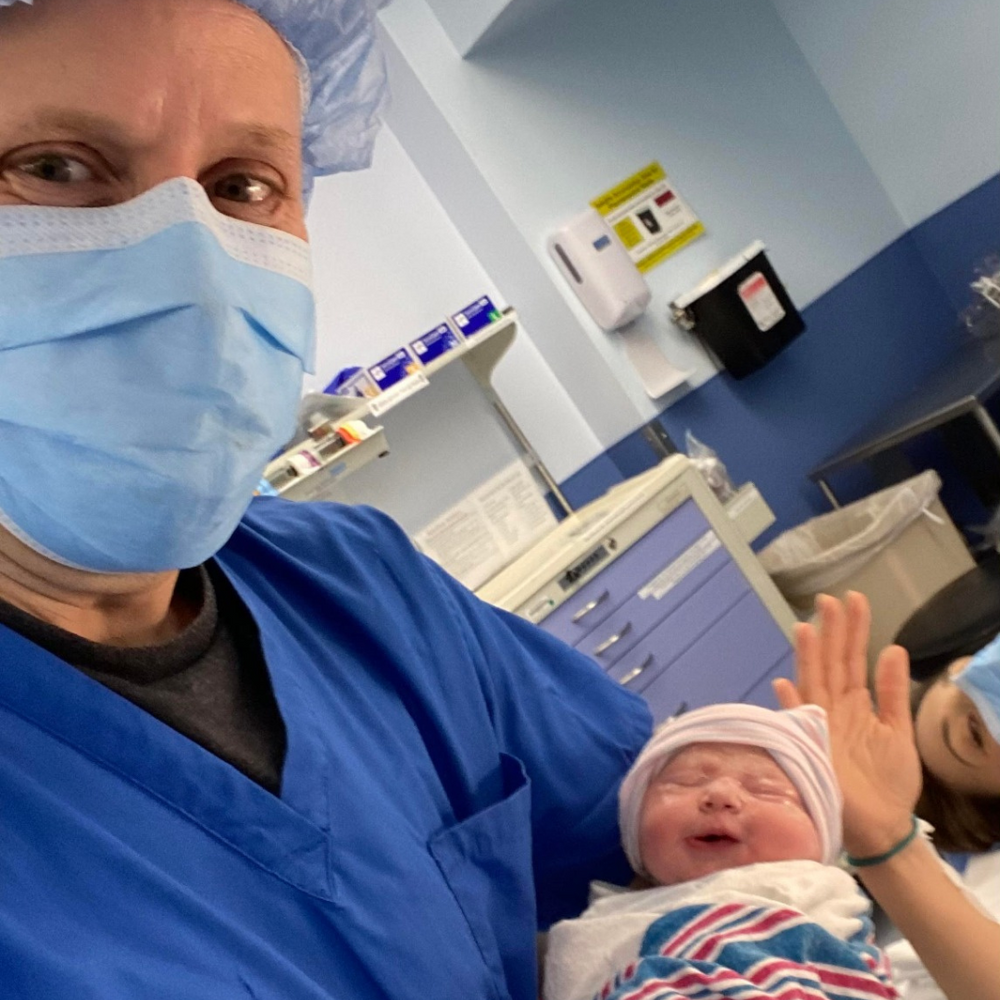 Dr. Nathan S. Fox is a board certified Obstetrician/Gynecologist with the subspecialty certification in Maternal Fetal Medicine. Dr. Fox completed medical school and residency in Obstetrics and Gynecology at Mount Sinai School of Medicine and his fellowship in Maternal Fetal Medicine at Weill Cornell Medical College. To learn more check out www.mfmnyc.com and www.healthfulwoman.com