“The pressure used during therapy is less than the weight of a nickel and most of the movements are so slight that they are often missed by the parents as the practitioner moves through the treatment. “
It’s 2:00 in the morning and your one month old newborn has been screaming since midnight. You and your partner have tried everything… nursing/bottle, diaper change, warm bath, rocking, bouncing, white noise, singing, a walk outside… but the screaming seems endless. This continues for several days and you both decide to call the pediatrician. You are told that your baby is perfectly healthy, the screaming is normal, and there is nothing to worry about. Now what? Do you just grit and handle the screams every night? What other options do you have? You still feel like something is off and that your baby is in some pain or discomfort. You and your partner may even feel lost as to what to do next.
Navigating the first year of a baby’s life can be extremely challenging for any parent. Pediatrician, night nurse, lactation consultant, physical therapist, chiropractor, occupational therapist, myofunctional therapist, pediatric dentist… Sometimes it feels like there is an overwhelmingly endless list of people to help your child. Let’s take a deeper look into the option of craniosacral therapy to help you decide if it is the best option to help your child.
What is Craniosacral Therapy?
Craniosacral therapy is a very gentle manual technique used to assess and enhance the function of the structures surrounding the brain and spinal cord. Alleviating tension in these structures can promote improved functioning in the nervous system and subsequently the other bodily systems, which allows the body to respond better to the stressors of life. Craniosacral therapy facilitates the body’s natural healing process and can therefore be used to increase the body’s resistance to disease.
What Can Craniosacral Therapy Help With?
Craniosacral therapy can help infants who struggle with many different ailments. Some of the most common are difficulty gaining weight, latching issues, colic, reflux, gassiness, difficulty sleeping, mouth breathing, torticollis and/or muscle tension (clenching fists constantly or straightening legs/arching back during diaper changes.)
Is Craniosacral Therapy Safe?
The pressure used during therapy is less than the weight of a nickel and most of the movements are so slight that they are often missed by the parents as the practitioner moves through the treatment. With this small amount of pressure it is safe to use on most infants and newborns, however it should not be used in conditions in which a slight change in intracranial pressure would cause instability.
What to Expect During Craniosacral Therapy.
Craniosacral therapy is typically performed in a quiet, calm, dimly lit room with the infant lying comfortably on a massage table. The practitioner will first identify the craniosacral rhythm by placing their hands gently on the baby. They will then feel the baby’s head, neck, torso, and spine while assessing and alleviating tension in the craniosacral system. Many of the movements are so subtle that they can be imperceivable except for the calming effect and relief seen in the child.
What If My Baby Cries Constantly or Doesn’t Sit Still?
Don’t stress if your child is fussy or has the wiggles during an appointment. Some treatments occur while infants are breastfeeding or even with them laying on top of a parent. A skilled therapist has encountered a wide array of baby obstacles and has many options to help calm them. Typically by the end of the session the baby is relaxed, quiet, and/or sleeping.
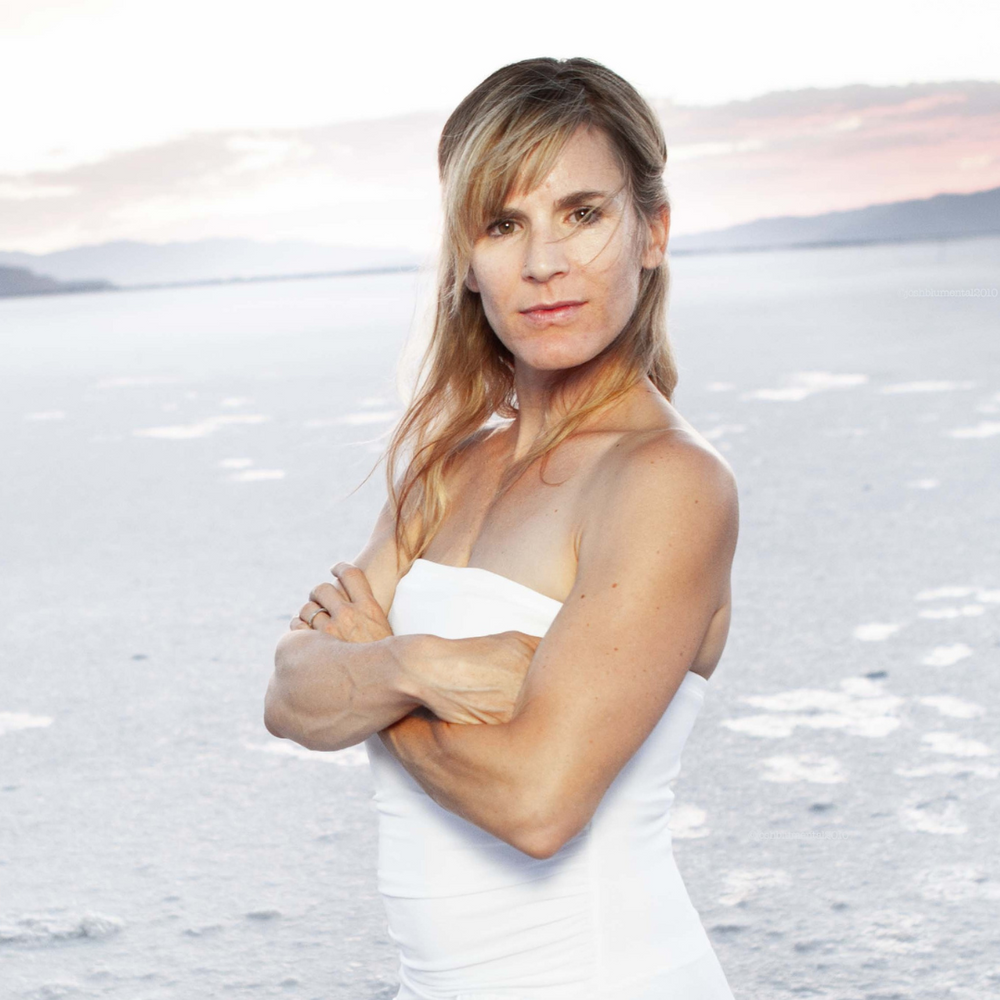
Dr. Sarah Dirks is a pediatric and prenatal chiropractor, specializing in craniosacral therapy and Webster Technique. She received her doctorate of chiropractic at Los Angeles College of Chiropractic in 2010. Dr. Dirks is in private practice and collaborates frequently with midwives, lactation specialists and pediatric dentists to provide a comprehensive treatment for all of her patients.
She is a wife and mom to a one year old daughter and a three year old son. In her free time she enjoys spending time with her family, as well as swimming, traveling and going to concerts. After having her son, who was colicky, tense, and struggled to gain weight, she began to dive deeper into craniosacral therapy. The technique gave him so much needed relief.
“Don’t diffuse oils into the room. This can be so tempting! BUT, smell is a strong sense, and, during birth, it can be a fickle sense. You may love an aroma one moment, and hate it the next. Once the aroma is in the room, it is very hard to remove.“
Essential oils have drastically grown in popularity over the past several years. Info is everywhere! But while general essential oil information is easy to find, information regarding their use during birth is more scarce.
Did you know that essential oils can affect your body differently during pregnancy and birth? Did you know some oils are unsafe for babies, especially newborns? Do you know how to handle an adverse reaction if one surprises you during your birthing time? If you don’t know the answers to those, you’re not alone!
Your Body During Birth
During your birthing time (and even the end of your pregnancy), your body goes through many changes that affect the way essential oils react with it.
Skin-stretching makes the oil more easily-absorbable, requiring less of it to be effective. It can also make the skin on your belly more sensitive to outside chemicals, natural or not, being placed on it.
Hormonal changes affect the way your body might react to different essential oils. Something that wouldn’t usually negatively affect your body could trigger a sensitivity. The essential oils themselves could also interfere with the normal hormonal process of pregnancy and birth.
Body temperature and blood pressure also often increase during the birthing process. An increase in body temperature can cause the oil to more easily absorb into your body and the increased blood pressure can cause it to circulate more quickly within your body. This means that a smaller amount of oil can have a bigger impact (either negative or positive) on your body.
All of this needs to be considered when choosing which oils to use during birth and HOW to use them.
General Tips/Guidelines
With all of that being considered, there are some tips or guidelines that will help you safely and effectively use essential oils in your birthing space.
Don’t diffuse oils into the room. This can be so tempting! BUT, smell is a strong sense, and, during birth, it can be a fickle sense. You may love an aroma one moment, and hate it the next. Once the aroma is in the room, it is very hard to remove. And as far as your perfect baby goes, he or she likes the smell of birth and NOT essential oils; those scents are often far too strong for them. Instead, put the oils on a towel and tuck it into your bra strap or keep it close to your face. Then you can easily discard it whenever you are finished with it.
Don’t ingest the oils. There is really no need for this during birth and evidence is scattered on whether this is safe or not during pregnancy. Inhalation or the occasional topical use is quite effective.
Topical use should be tested ahead of time, TWICE. If you are going to use the oils topically, you should test the diluted essential oil on your skin towards the end of pregnancy. Apply the diluted oil on your wrist or the inside of your arm and let it sit for 10+ minutes. A few days later, do it again! If your pregnant body is sensitive to the oil, it likely won’t react until the second test; it requires the first test to be sensitized before your body will accurately react to it.
During birth, dilute oils using a 1% dilution and don’t place oils on any area of your body that the baby might touch. If you do, properly cleanse the area before/during pushing (ex. Stomach or chest).
Always be ready to handle a negative reaction if you use it topically during birth. Have a towel with a carrier oil (maybe coconut, olive, or almond) ready to wipe off the skin where the oil was placed. After wiping well with the oil, you can use a gentle soap and water to finish cleaning the area.
Don’t put essential oils in a tub if you plan to birth in it.
DO NOT use peppermint, or any blend that contains peppermint, around the baby, including during your birthing time. People commonly use peppermint for nausea, not realizing it could hyperstimulate the baby’s lungs and make it hard for them to breathe!
10 Safe and Supportive Oils
Now the fun part! Here is a list of 10 essential oils that could support almost any emotional need during your birth. You can also take advantage of these in the postpartum period, too.
Orange: Most people love this smell; it creates a sense of happiness, warmth, and energy.
Lemon: Great for nausea, energy, and overall feeling happy.
Ginger: Sometimes stronger for nausea than lemon, but takes longer to work.
Black Pepper: This is warming and great for the lower back, when diluted properly and kept away from any place the baby will come in contact with.
Clary Sage: This can encourage contractions, but also reduce the amount of pain that you feel.
Cedarwood: Great for giving a sense of “I’m going to be ok” when anyone in the room is anxious, stressed, or feels like they are losing control.
Frankincense: Another good option for relieving stress and inducing calmness.
Lavender: Great for inducing rest, reducing blood pressure (do NOT use with low pressure), and relieving stress. Can also help speed vaginal healing when on a pad postpartum.
Roman Chamomile: Can induce rest better than lavender, but is more expensive.
Helichrysum: Wonderful for vaginal healing when placed on a pad postpartum, but is more expensive than lavender. Some say it supports safe bleeding after birth, too.
Pick and choose, or enjoy them all. Either way, you can feel confident that you used them safely and effectively!
Rachel has been studying birth for over a decade now, ever since her first pregnancy. It was that birth that ultimately inspired her passion for supporting other moms/families during this life-changing experience. She is the owner and creator of ,The NaturalBirth Site, as well as the podcast, ,The NaturalBirth Talk. She is also a birth doula, childbirth educator, and midwife’s assistant in the St. Louis, MO area, under the name ,Rachel Mans, Doula. She loves teaching parents to trust their body, baby, and innate instincts! There is little free time as a homeschooling mama of five, but she loves caring for her garden, going on walks/hikes, and playing board/card games with the whole family when she has the chance.
“My naiveté, my ignorance and egocentricity pain me now. My assumption that my child would be just like me, excluded any possibility of disability because those with disabilities were invisible to me back then. I went into the NICU blind and came out with a son burning a brilliant new light into my eyes.“
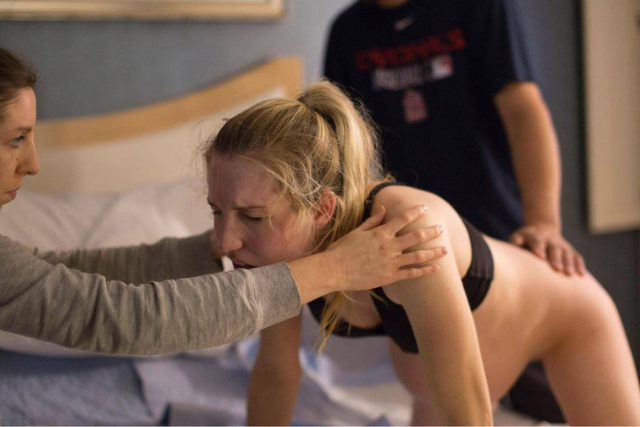
When I get pregnant for the first time, I cultivate a dreamy, earth mama Disney fantasy. The fantasy goes like this—a very difficult but ultimately beautiful birth at home with my husband crying soft man tears and our doula singing while I drop our firstborn like a mango. But this isn’t how it happens. What happens is that we labor at home for 36 hours at which point, I tell my husband and our doula that I’ve lost my bubble of peace and want to go to the hospital—like now.
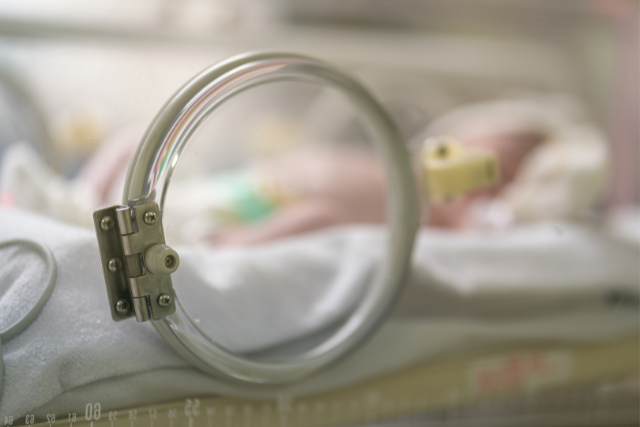
My son Cassius arrives via an emergency c-section twelve long hours after arriving at the Intermountain Health Center. Five days later, my husband and I make a 2 a.m. run to the Neonatal Intensive Care Unit because Cassius isn’t getting enough oxygen. My beautiful boy is turning blue.
I scrub my arms to the elbows and strap a paper mask over my mouth before I can enter this room with washing machine sized incubators holding babies the size of a man’s fist.
And after a full day of testing, the diagnosis comes back. To say I was unprepared, belies my degree of naiveté. Despite being 40 years old, I hadn’t felt the need to do any kind of genetic testing at all. My son had looked great, practically buoyant in his ultrasounds. The triple serum screening showed no issues whatsoever. I thought we were golden. I couldn’t imagine we’d have a child who was anything less than perfect. My naiveté, my ignorance and egocentricity pain me now. My assumption that my child would be just like me, excluded any possibility of disability because those with disabilities were invisible to me back then. I went into the NICU blind and came out with a son burning a brilliant new light into my eyes.
Dr. Templeman is gentle when he gave us the diagnosis. My husband and I sit in the hard backed hospital chairs, our bodies vibrating with fear. Cassius sleeps in my arms, tubes snaking everywhere, his little bird wrists limp against his chest. The silent wailing in my body that started when we walked into the NICU has not stopped. And when the words Down Syndrome drop from Dr. Templeman’s lips, all sound feels sucked from the room.
With those two words, my world drops out beneath me. I have no ground on which to stand. My boy. My beautiful, perfect boy has Down Syndrome? It doesn’t compute. I’ve never known anyone with a disability, much less Down Syndrome. I search the files in my memory and think, don’t they all have those Coke bottle glasses and soft bodies? Are those the people with Down Syndrome? I flash on a memory of one of photographer Diane Arbus’s infamous Institution photos taken in upstate New York in the 1970s. There were a lot of these institutions back then—warehouses where those deemed damaged or mentally deficient could be put away so as not to be a burden on family or society.
In the photo I’m thinking of, a group of maybe four or five adults are seen at a distance, holding hands in a field. Their bodies are soft and hunched with the unposed vulnerability of the very young. These are people who are unused to being looked at. They don’t arrange themselves. They don’t smile. They’re just standing there, waiting. And it’s Halloween, so a few of them have clown masks on and sheets that billow around their exposed, pudgy legs. And there’s something about the way they’re holding onto one another’s hands—as if they’re the only hands they have to hold onto in the world—that makes the whole scene feel sad and horribly lonely.
And there’s this thing that happens in life sometimes: you move into the photographer’s lens. A window opens and you fall through it and suddenly you’re inhabiting the world that the photographer documented. You feel the skin of the people in the picture, the cold air, the grass against your calves and those standing at the periphery, staring.
I remember the phone calls to my family. There were stunned silences. A few “I’m so sorrys.” And then there was wisdom, softness. You will stop spinning, a friend said. You are so lucky. You have no idea how lucky you are.
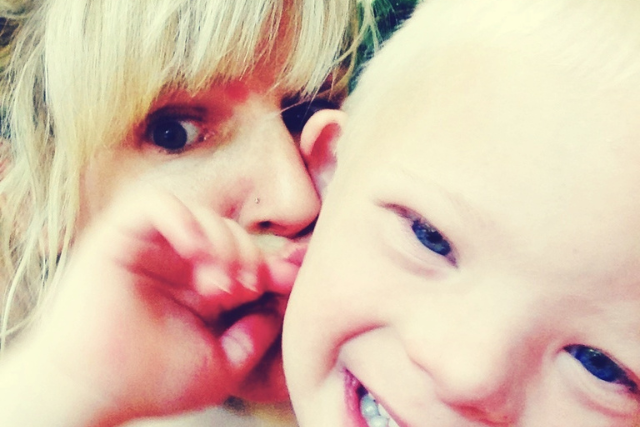
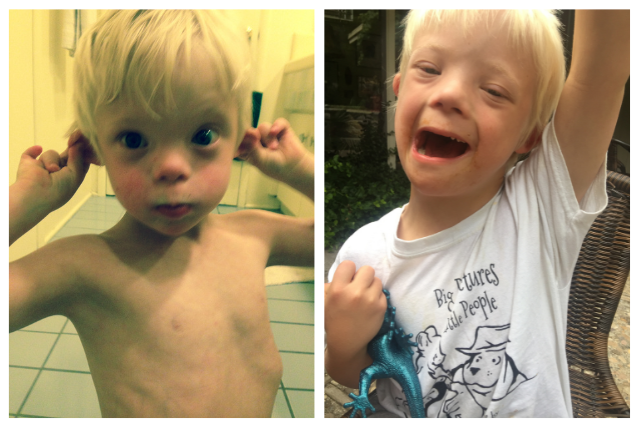
Cassius turned fifteen this year. The early years were filled with physical and occupational therapies and learning the manual of a child who is the same but also different. Cassius can run and jump and talk to you about zombies. He loves kissing his sister. He makes a habit of sitting at the base of one of the trees in our backyard and looking up. For a long time. Then he stands, shakes the tree branches as if he was shaking a man’s hand, turns and walks back to the house. He does a lot of sitting. And looking. And when he looks at people… there’s something that penetrates, something that always startles me. I’ve talked to other parents who confirm that their Down Syndrome child also has this look. They call it the Zen eye. Cassius has an openness to his gaze that often does something I can’t explain. He has a presence that wakes me. It’s a look that betrays a kind of intelligence that I can only hope to learn in this lifetime.
The Roman philosopher and poet Lucretius wrote an epic poem called The Nature of Things. In it, he talks about human emotion as existing on the level of atoms. Love, he said, was atomically smooth and soft. Love feels good when it moves into you. Hate, prejudice, anger—these things are sharp and angled. They’re fast. They hurt. Cassius reminds me of Lucretius’ poem. In this increasingly fast world, Cassius’ leisure feels more than good. It’s as if he is, down to the atomic level, soft and smooth. He’s love. He doesn’t have time for anything else.
Melissa Bond is a narrative journalist and poet. During her years of dependence on benzodiazepines, Melissa blogged and became a regular contributor for Mad in America. ABC World News Tonight interviewed her for a piece in January 2014. She is a respected writer on the perils of overprescribing benzodiazepines and has been featured on the podcasts RadioWest and Moms Don’t Have Time to Read Books. Her memoir Blood Orange Nightwas selected as one of the best audiobooks of 2022 by TheNew York Times and Moms Don’t Have Time to Read Books. Learn more at MelissaABond.com.