by Sarah Goldberg | Sep 20, 2023 | Family and Relationships, Health Conditions, Mental Health, Parenting and Child Development
“I was so happy with the way I was handling the new addition that my following depression blew me out of the water. My husband was away on a trip, and I got a new car. Sounds like a good thing, but somehow I found driving a new car with its new buttons and pockets in different places to be overwhelming. To be fair, it was also a nine-seater. I’ll let you sit with that.”
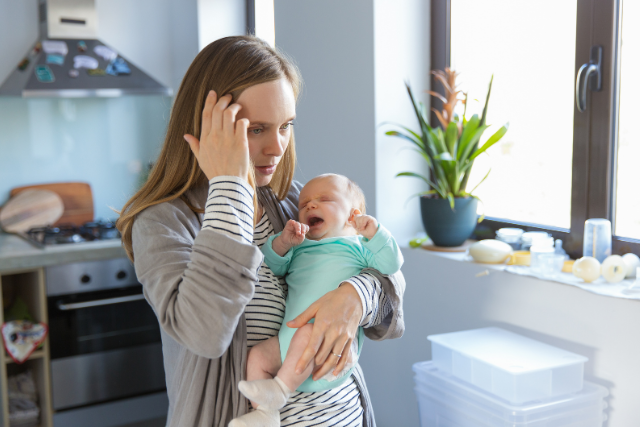
I am a mother of eight. My youngest is 16 months old and my oldest is expecting my first grandchild at 22 years of age. I am extremely blessed. I am also a woman who has experienced multiple episodes of Postpartum Depression (PPD.)
I’m told I’m predisposed to anxiety, which resonates with me. As far as I know, I didn’t experience PPD with my first two births. For what it’s worth, all of them were normal, healthy births. After my third, a lot of things irritated me. A lot! I found my fists clenched all of the time and it took a bit before I realized that wasn’t normal. I wanted to enjoy my baby, husband and other kids but everything set me off. I got a psychiatrist referral from my doctor who promptly prescribed psychotropic meds. I started getting debilitating headaches and was concerned that they were a side effect of the meds. My kids were making a lot of noise when I reached out to the psychiatrist by phone and had my concerns dismissed. He surmised that if he had as many kids as me, and it was so noisy around him, he too would have a headache and hung up. Imagine what he’d say about the five more kids I have now!
Needless to say, I deleted his contact, and told my OB to take him off of his referral list. When a person is in a vulnerable state, she needs understanding and empathy; not cruelty and sarcasm.
Then came baby number five. I had a bit of a bumpy ride leading up to the birth because my parents had divorced a year earlier and my dad was getting remarried. It was a bit dysregulating, (read: one of the hardest experiences of my life emotionally). I mention this because at that time I may have already been in a high stress situation and standing at the edge of the cliff. Maybe, who knows? I had the best time with my baby for four weeks. I was present, my other kids were excited, and they were in camp during the day so I had some time alone with the baby. I even had my dad and stepmom over for the first time. The higher you are, the harder you fall.
I was so happy with the way I was handling the new addition that my following depression blew me out of the water. My husband was away on a trip, and I got a new car. Sounds like a good thing, but somehow I found driving a new car with its new buttons and pockets in different places to be overwhelming. To be fair, it was also a nine-seater. I’ll let you sit with that. When my husband called that evening, I told him I couldn’t breathe because that’s how I felt. I hadn’t realized at the time that I was having a panic attack. I actually think I only figured it out recently.

When he returned home, and I was clear that something was horribly wrong, I tried to find a psychiatrist that I could trust but they all had a minimum two week wait. At this point I was getting desperate. I asked to be hospitalized and was turned down because I wasn’t a danger to myself or anyone else. I did not feel like I could be left at home. All I knew is that I needed to be “fixed” ASAP.
My OB prescribed Xanax to tide me over until a psych appointment. I took one pill and slept for 17 hours straight. When I awoke, I couldn’t follow anything with my eyes. That’s when it all started to fall apart. I couldn’t sleep, even for a minute. You’d think having a one month old would’ve made me tired but I physically could not close my eyes. I couldn’t eat, never mind drink, and I’m usually a stress eater not a starver. My closet seemed too overwhelming for me to choose an outfit so I stayed in pajamas. I couldn’t go near the baby and then I couldn’t even leave my room. Everything seemed so frightening. I felt like the walls were going to cave in, literally. If I hadn’t experienced it myself, I wouldn’t believe it. Now I feel like it’s just a movie I once watched. I was afraid to do things I had been doing for decades because they all seemed overwhelming. The future seemed scary and bleak. Does this mean I can’t have any more kids? Will I ever be able to take care of the baby? Leave the house? Get dressed?? What will my other kids do? It was a dizzying spiral. And then, a friend of mine brought over her friend who had PPD with her first child.
I knew this woman. She had a full life, a normal life. She had a second child after her episode and it all went well. We spoke and she gave me hope, even if it was the tiniest bit. I had some old meds (I do not recommend trying this at home) so I took one. And the world was different. It was so different. I don’t think it’s common for people to turn around as quickly as I did, but I’m grateful. I felt like I could see a way out, and once things were a bit more stable, I was able to wait for my doctor appointment with more ease. I met my superstar psychiatrist, Dr. Jennifer Yashari. She focuses only on the woman’s cycle, so things like PPD, infertility, pregnancy, adoption, menopause etc. She wanted me to get more out of the medication so she made me a cocktail that I’ve been taking ever since.
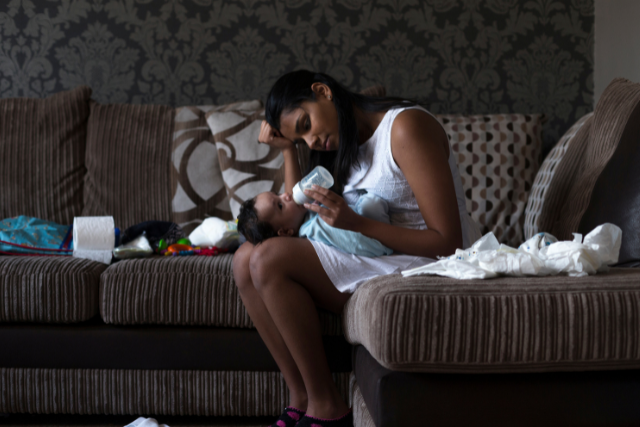
When the baby was 15 months old, I found myself with a surprise twin pregnancy, yes I know how that sounds. It scared the living daylights out of me. Dr. Yashari reminded me that this time was different. I had knowledge, I was prepared, I had her, my meds, and we were watching. I stayed on the meds throughout the pregnancy, as research has not concluded that it’s dangerous, but unstable mental health definitely is. As far as I know, one of the babies was a bit sleepy for a day and that was the extent of the effects my meds had on the pregnancy. When my life was at its most hectic, with three kids aged two and under, plus another four above them, I was at my most stable.
Eight years later, we went for one more, just for fun. It was the most amazing pregnancy and an awesome postpartum experience. Since then we have also married off a child, are expecting a grandchild and I have been open and honest about my challenges with my kids. My pregnant daughter finds comfort in knowing that I am looking out for her and will do everything to keep her safe. PPD should not be stigmatized; it’s not a guarantee, and it’s treatable. We need to educate our partners and family members to keep their eyes out for anything that seems unusual and have them bring it up in the most gentle of ways. If you or anyone you know is questioning their mental health after giving birth to a baby, reach out to a professional and get evaluated. You are not alone and you won’t be like this forever.
***
This post is written in memory of my superstar OB, Dr. Jay Goldberg. Like many of his patients, I considered him a cherished friend. His days were too few, his accomplishments many, and his loss devastating to those who knew him. He helped bring my lights into this world all the while emanating his own bright light and he is missed by many, every single day.
***
Resources for Postpartum Depression:
The Mayo Clinic – Postpartum Depression
Mental Health America – Postpartum Depression Test (New & Expecting Parents)
NIH, National Library of Medicine – Use of Prescribed Psychotropics during Pregnancy: A Systematic Review of Pregnancy, Neonatal, and Childhood Outcomes
Recurrence Rates and Risk Factors in Perinatal Mood Disorders

Sarah Goldberg is a licensed life coach in private practice. She is on sabbatical while she immerses herself in the joys of raising a toddler and a family of 10. She lives in Los Angeles, where she can be found at a different public playground every day!
She welcomes any questions or opinions on pregnancy, labor, or child raising and can be reached through sarahlgoldberg@gmail.com.
by Dr. Meghna Dassani, DMD | Sep 13, 2023 | Health Conditions, Infant Care and Breastfeeding, Parenting and Child Development
“Parents and healthcare providers need to take pediatric OSA seriously. But they should also know that the condition is highly manageable with the right treatment. Diagnosing pediatric OSA typically involves a comprehensive sleep study called polysomnography. This test monitors several physiological parameters during sleep, including brain waves, heart rate, oxygen levels, and respiratory patterns.”
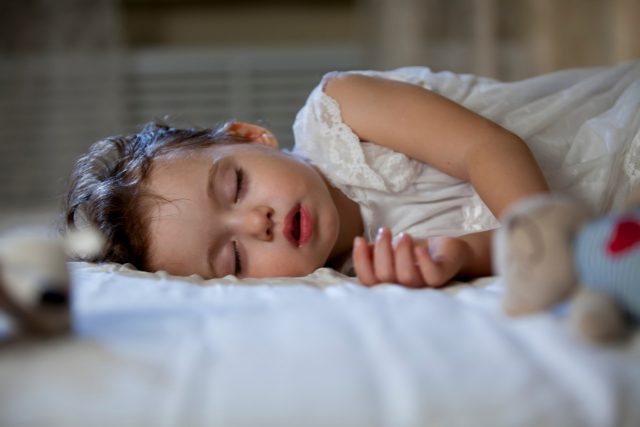
Quality sleep is vital for children’s healthy growth and development. Unfortunately, some children have trouble achieving restful sleep due to obstructive sleep apnea (OSA), a common sleep disorder affecting between 1.2% and 5.7% of children of all ages.
Early detection and effective management of pediatric sleep apnea are important to ensure children can breathe freely and get the rest they need. Left untreated, pediatric OSA can have serious consequences, including:
- Impaired growth and cognitive development
- Learning difficulties
- Cardiovascular problems, like hypertension
- Behavioral issues
- Increased risk of accidents due to excessive daytime sleepiness
What Is Pediatric Obstructive Sleep Apnea?
Pediatric OSA is characterized by a partial or complete blockage of the upper airway during sleep. It results in repeated episodes of interrupted breathing, leading to brief periods of breathing cessation (apnea) or shallow breathing (hypopnea). These episodes can occur multiple times during the night and last for several seconds to minutes.
Airway obstruction typically occurs when the muscles at the back of the throat relax excessively, causing the soft tissues, such as the tonsils or adenoids, to collapse and block the airway. This can lead to reduced oxygen levels in the blood and disrupted sleep patterns. Pediatric OSA often arises from the following:
- Enlarged tonsils or adenoids
- Obesity
- Structural abnormalities, such as a tongue tie, narrow airway, or cleft palate
Recognizing the signs and symptoms of pediatric OSA is important for early detection and intervention.
One of the primary indications of pediatric OSA is persistent and loud snoring. Occasional snoring is normal. However, chronic and intense snoring in children should raise concerns for parents.
Other symptoms to watch out for include:
- Restless sleep
- Gasping or choking during sleep
- Bedwetting
- Excessive daytime sleepiness
- Irritability
- Difficulty concentrating
- Mouth breathing
- Morning headaches
If parents observe these signs, they should talk to a healthcare professional and ask for a sleep evaluation.
How to diagnose pediatric obstructive sleep apnea
Parents and healthcare providers need to take pediatric OSA seriously. But they should also know that the condition is highly manageable with the right treatment. Diagnosing pediatric OSA typically involves a comprehensive sleep study called polysomnography. This test monitors several physiological parameters during sleep, including brain waves, heart rate, oxygen levels, and respiratory patterns. A sleep study helps determine the severity and underlying causes of obstructive sleep apnea, enabling the development of an appropriate treatment plan.
Treatment options for children with OSA
The management of pediatric OSA may involve several approaches, depending on the child’s specific needs.
In cases where enlarged tonsils or adenoids are identified as the primary cause, doctors may recommend surgical intervention through an adenotonsillectomy. This is the most common way to treat pediatric OSA. The procedure removes the airway obstruction, allowing for improved airflow and a reduction of sleep apnea symptoms.
Some children have structural abnormalities, like a tongue tie or narrow airway, that can lead to OSA. In these cases, doctors may suggest a tongue release, also known as frenuloplasty, or the use of expanders to widen the upper jaw.
For children with persistent sleep apnea or underlying factors, like obesity, additional interventions may be necessary. Lifestyle modifications, such as weight management programs, regular exercise, and a healthy diet can reduce the severity of sleep apnea.
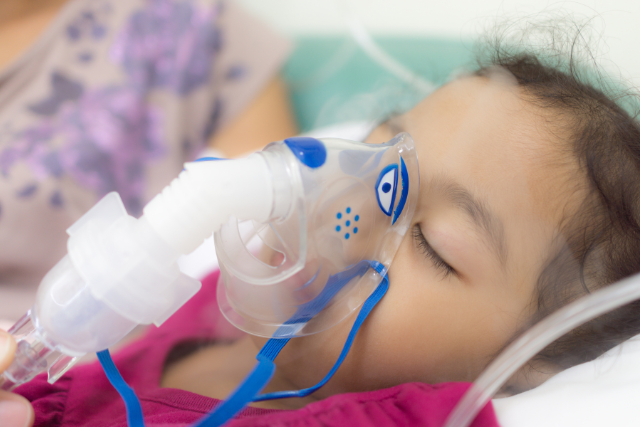
In some instances, doctors may prescribe continuous positive airway pressure (CPAP) therapy. CPAP involves wearing a mask during sleep that delivers a gentle flow of air. It ensures that children’s airways remain open and unobstructed.
Creating an optimal sleep environment is also important for children with OSA. Establishing consistent bedtime routines, creating a comfortable sleep space, and promoting good sleep hygiene all contributes to a better sleep quality. Limiting screen time before bedtime and maintaining a regular sleep schedule also improves sleep patterns.
Parents should follow up regularly with healthcare providers to monitor the effectiveness of their child’s treatment and make any necessary changes. Open communication with children about their sleep experiences and any changes in symptoms is also important. Parents who provide emotional support and reassurance can help children cope with managing their sleep apnea.
 Dr. Meghna Dassani has practiced dentistry for over two decades and is passionate about the role dentists play in whole-body health. She earned her DMD at Boston University Goldman School of Dental Medicine and opened Dassani Dentistry in Houston, TX in 2011. You can learn more on her website: MeghnaDassani.com.

by Celeste Yvonne | Sep 6, 2023 | Family and Relationships, Mental Health
“With the rise of women returning to work postpartum, mothers in the 21st century have faced an unprecedented time in traditional partnerships where the mother works full time yet remains largely responsible for the household duties, the invisible work, and emotional labor that play integral roles in keeping a household running smoothly.”

You don’t have to look far to see that mommy wine culture has seeped into every aspect of
motherhood. From infant onesies that joke “I’m the reason mom drinks,” to the aisles of Target – shirts emblazoned with the words “mommy needs wine,” to popular Instagram reels of moms coyly pouring booze into their tumblers as they prepare for a day watching youth sports from the sidelines.
Mommy wine culture is a social narrative that jokes or implies moms need alcohol to cope with the challenges of raising children. It seems innocent enough. After all, motherhood is daunting and sometimes ruthless. Every so often, moms need an inside joke to ease the tension of just how hard it can be, and a little ‘mom juice’ never hurt anyone, right?
The problem with mommy wine culture comes when you start to question how we got here, and it turns out the answer has very little to do with wine at all. The proliferation of jokes about needing wine to cope is a symptom of much larger issues, and they are issues all mothers need to be aware of.
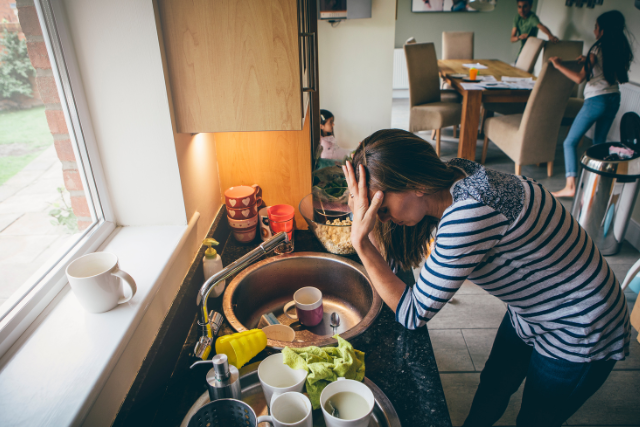
With the rise of women returning to work postpartum, mothers in the 21st century have faced an unprecedented time in traditional partnerships where the mother works full time yet remains largely responsible for the household duties, the invisible work, and emotional labor that play integral roles in keeping a household running smoothly. Often described as the ‘mental load,’ the responsibility of a parent to run the household, organize, remind and plan generally falls on the mothers’ shoulders. Data shows that 90% of partnered moms said they alone were responsible for the entire family’s schedule.
Combined with sub-par maternity leave options, depending on what state you live in and what company you work for, 6 in 10 mothers return to work less than four months postpartum, and 26% return less than two months postpartum. The United States is one of six countries worldwide that does not offer paid parental leave. Child development as well as mental health research shows this leaves a tremendous strain on everyone in the family and deters critical early attachment for a newborn.
Mental Health and Motherhood
For a mother, mental health is extremely important, not just because sleep deprivation and stressors of new motherhood make this time uniquely challenging, but also because new moms are potentially prone to postpartum depression or anxiety. At a time when all eyes shift to the newborn, a mother’s mental and emotional needs can sometimes feel swept under the rug both by loved ones and the doctors doing postpartum physical check-ups.
When you also consider the pink-washing of the alcohol industry over the last few decades, advertising, labeling, and even new lines of products (hard seltzers and ‘skinny’ malt beverages) marketed directly to women, it’s no wonder alcohol use in women has skyrocketed, with a 2021 study showing a 70% increase in alcohol-related visits to the emergency room for women.
More and more women are using alcohol to cope with the unprecedented stressors of motherhood. In a period when mothers are encouraged to ‘lean in’ to the highly competitive nature of corporate roles while trying to make home life look effortless, using alcohol to cope with stress is an obvious crutch. Yet unlike healthier coping mechanisms, such as exercise or time in nature, alcohol is an addictive substance linked to six types of cancer and causes more than 140,000 deaths a year in the US alone.
What Real Support for Mothers Means
Suddenly those ‘mommy needs wine’ jokes don’t feel quite so innocent. The problem with mommy wine culture isn’t about the wine itself, it’s about why mothers are turning to alcohol in the first place and the solution is finding better ways to support mothers through these weary, wonderful years.
Support includes having tough conversations in our partnerships about moving towards more equal distributions of household responsibilities. It means better support at work, with companies offering paid maternity and paternity leave options two months or longer, or voting for policymakers who will make legislative changes at the state or federal level. Finally, it means building a community where mothers feel safe and supported, where they can find mental health resources and receive regular screenings for postpartum depression and anxiety. In a community that values mothers and their time, health and work, mothers may still enjoy a glass of wine… but they won’t “need” it.
Footnotes:
1 https://www.instagram.com/p/CuF9JXPyTOu/
2 https://nypost.com/2022/09/13/how-long-do-the-majority-of-moms-think-maternity-leave-should-last/
3 https://www.apa.org/mhttps://nypost.com/2022/09/13/how-long-do-the-majority-of-moms-think-maternity-leave-should-last/onitor/2022/04/feature-parental-leave
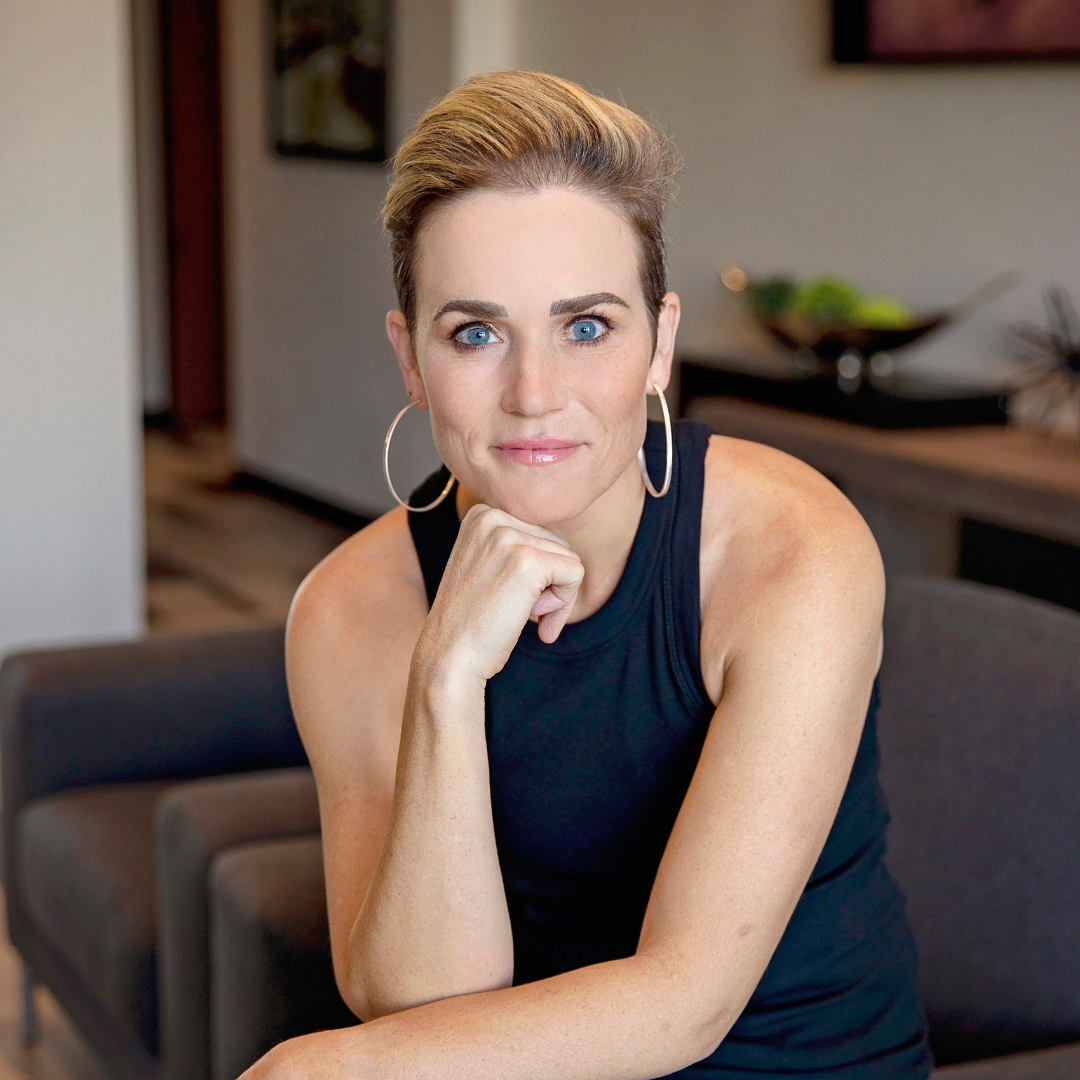
Sober mom advocate Celeste Yvonne is a writer and certified recovery coach (IAPRC) with over 20 years of experience as a communications professional in corporate America. Her essays on parenting, the mental load of motherhood, mommy wine culture, and sobriety resonates with mothers everywhere and has been featured in the Washington Post, Good Morning America, Today Show, and Refinery 29, among others. She is also a contributing writer to the Wall Street Journal and Publishers Weekly bestseller So God Made a Mother.
Over five years sober and a founding host of the Sober Mom Squad, Celeste advocates for mothers who struggle with addiction and mental health. She is a recipient of the Windfelt Inspire Award by the Dry Society Social Club, as well as 2x winner of Red Tricycle’s Spoke Challenge for best writing. She lives in Reno, Nevada, with her husband and two children.
Connect with Celeste Yvonne:
Official site: www.celesteyvonne.com
Facebook: @theultimatemomchallenge
Instagram: @theultimatemomchallenge
