
February 27, 2020 · 39 minutes · Episode 164
About this episode
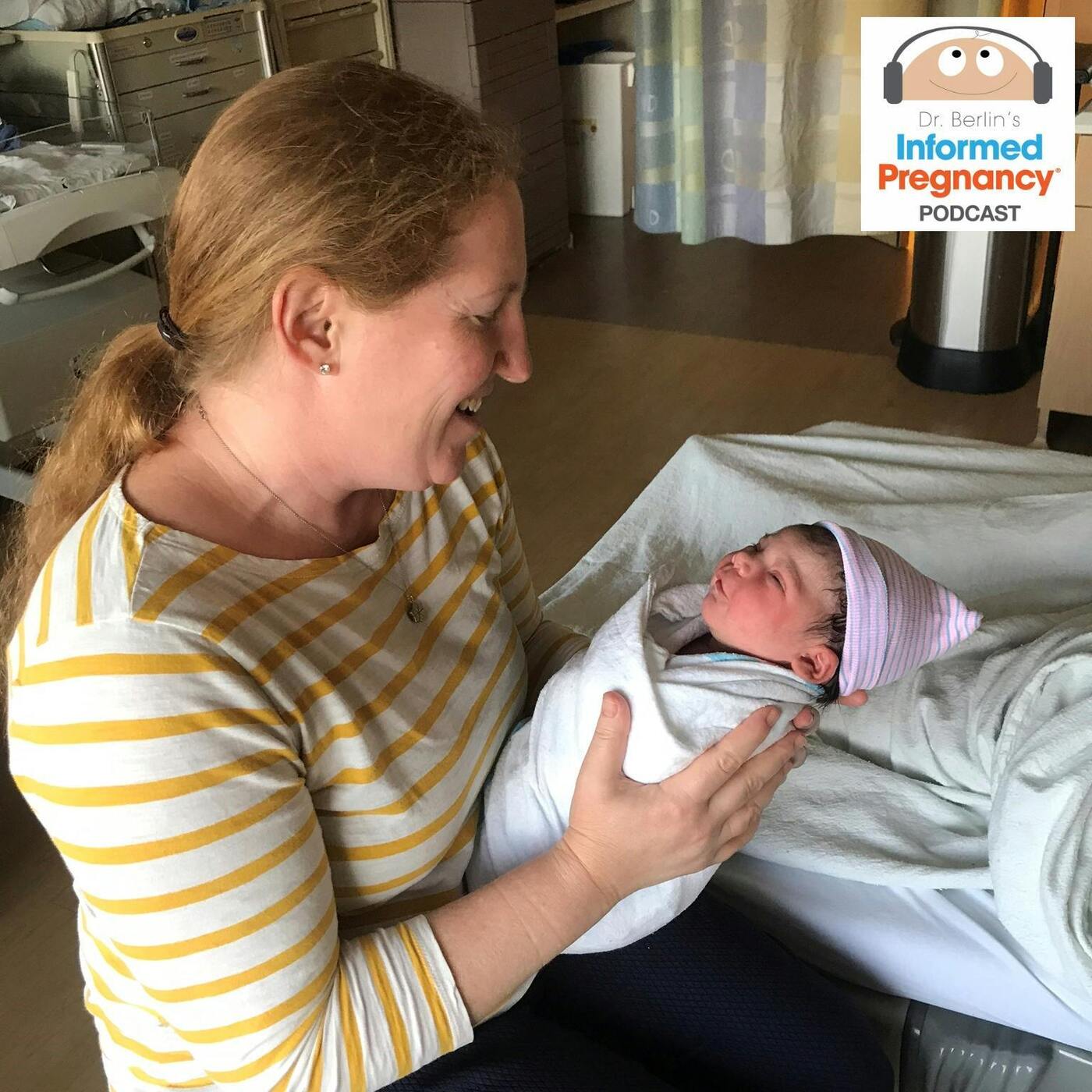
Certified Nurse-Midwife Naomi Drucker attends birth at home, a birth center and a hospital. She shares her unique insight into the options of giving birth in the hospital under the care of a midwife.

Learn more about your ad choices. Visit megaphone.fm/adchoices
See Privacy Policy at https://art19.com/privacy and California Privacy Notice at https://art19.com/privacy#do-not-sell-my-info.
Key quotes
“I'll be the midwife and I'll answer the phone and if I can't answer the phone”
“or give it a little time before we start Pitocin.”
“And, you know, sort of your mama bear protector,”
“She did home births and she did births at the hospital.”
“low intervention birth they should be able to have it in any setting and”
Related episodes
- Ep. 179 Alaina Meyer – Before Birth
- Ep. 84 Out-of-Hospital Birth Centers – Hayley Oakes, LM, CPM
- Ep. 40 Ashley Williams – Shoulder Dystocia
- Ep. 182 Randi Wood – Birth Story
Transcript
AI-generated transcript with speaker labels — may contain errors, especially names and medical terms. Dr. Elliot Berlin, DC appears in blue; Naomi Drucker in orange.
Download PDF of the Transcript
Dr. Elliot Berlin, DC [1:36] Welcome to the informed pregnancy and parenting podcast. I'm your host dr. Elliott Berlin and in this episode we're talking about Giving birth in different birth settings including the option to give birth in a hospital under the care of a midwife My guest is a certified nurse midwife whose mission is to give growing families a full range of birthing choices and options She offers personalized prenatal birthing and postnatal care in a variety of settings including home birth centers and hospital Amy Drucker, welcome to the podcast. Thank you It's great to see you here. I hear your name in the office almost every day in one setting or another and
[2:13] Once in a rare while I get to even work with you Yeah, so you have a really interesting background and your journey to where you are is I think also pretty unique So let's talk about the beginning where you're from
Naomi Drucker [2:25] Well, I'm from Montreal But how I got started here is I feel like a lot of people are led to midwifery by a sucky first birth experience
Dr. Elliot Berlin, DC [2:35] What was yours young?
Naomi Drucker [2:37] I was 21 when I had my first son and I was you know in the system getting the routine care Just not knowing any different here in Canada here in LA and you know, it was fairly okay I was at a facility that had midwives and saw the same midwife at every visit and toward the end She even gave me her number and said I could call her when I was in labor And so that was my whole birth plan Oh, and then when I was in labor and I called her she didn't answer the phone oops That was jarring and not great and then just showing up to the hospital and not at all knowing what to expect Not knowing any of the people who were caring for me was Really disappointing
[3:19] So physiologically the birth couldn't have been better. It was fairly quick and easy but every little thing just made it sort of unpleasant like the the three IV pokes and the no eating rule and the no getting up out of bed rule and Did you have anybody else supporting you through that? No, I didn't know about doulas then either. Oh, really? So, you know, I got through all that and then of course the obligatory ER visit in the postpartum period because there's nobody to call or talk to about what's going on Lots of women will get mastitis or some other kind of infection or your midwife still wasn't answering the phone At that point I stopped trying to call her
[4:00] so Shortly after all that I started opening my eyes and found out about doulas and Signed up for a training like within the first year after my baby was born. I did a doula training and Was working as a doula for several years and loved it after my experience I sort of knew in my mind one day I'll be the midwife and I'll answer the phone and if I can't answer the phone I will discuss a backup plan with each and every one of my clients because you know, it's unreasonable to Expect that you could always always be there as much as we all try So it was a step-by-step process, you know, I had a new baby now So doula training doula work worked really well for my family for a while
Dr. Elliot Berlin, DC [4:42] Well, I mean having a new baby and do the work don't sound like they go together that well
Naomi Drucker [4:46] Well, I have a very supportive partner and he was about one when I started doing the doula work and it worked for me I didn't have other work and it was very flexible. I didn't take too many clients. So it worked for a time and then when he got a little older and I was having another child I started to think about you know my oldest one was getting to school age almost you know like preschool and as a family we needed a better income and as a doula I found that the nurses really had a lot of pull as far as how your experience goes in the hospital setting. So I thought that that would be your logical next step and you know nursing school was another two years so I did
[5:25] that became a nurse and went straight into labor and delivery and I did that for a long time because I was right you could make so much difference in so many people's lives every time I went to work I'd affect two three four families sometimes and it was awesome I was like an undercover midwife there. I mean you have a little more control over your schedule that way. Oh the schedule was amazing the pay was great. You get paid better. The benefits were amazing so the whole thing was so great that you're the one doing the IV poke. Right exactly so I'd do the IV pokes I'd communicate with the doctors and you know always do my best to honor the birth plans and give people choices and
[6:06] remind everyone that like you've still got choice when you're in that setting and these are all things that are suggested or you know standard of care but you never lose the power to ask for some time or to say no even. Where in that journey did you have your next birth? Around five years into being a nurse or four years along the way I had a couple miscarriages and I had terrible care with those with the insurance that I had at that time so then because now I was in the setting and I knew all of the doctors and nurses I was able to kind of find a doctor that I felt really comfortable with who I knew would be there for me for my next pregnancy
[6:44] and it was twins the next time. Oh wow. So that was different. Oh I didn't even talk about my middle birth. He was born at the Hollywood Birth Center with the midwives there. Oh outside the hospital. And that was awesome and that was like just as I was starting nursing school like right before. Oh so you'd been a doula for a while. Yeah I'd been a doula for a while I was on to the next mission of nursing school and I had him during school basically. Did you have a doula for that birth? No. I had had such a real easy physiologic birth the first time that I figured I'd be okay with the midwife and the midwife assistant who happened to be Alex. Oh really? Yeah that was my first time meeting her.
[7:28] That's so cool. Yeah so that was an amazing birth and then I kind of you know got on with my life two kids and school and work and and then the last birth then there were miscarriages then there were the twins and that was in the hospital with the doctor who was a hundred percent there for me. I'm just curious of the twins was that a decision to have them at the hospital or was there another another choice? At that time because I was working there and because I trusted my provider so much and they were mono dye twins so there was a lot of surveillance and a lot of concern about that they shared a placenta and so there's just a couple extra safety concerns. Oh
[8:06] and then I had a short cervix so it was kind of a no-brainer toward the end because I had a short cervix from 28 weeks and I was on bedrest for the duration of the pregnancy. That does not sound like the most comfortable thing. It was actually kind of awesome because I was allowed to do bedrest at home and I already had two kids so I kind of knew that this was going to be the last rest I'd ever get. It was true. I read so many books and watched movies it was kind of awesome in the way that I did it. And physiologically was that birth how you had wanted it? I guess because my cervix was short it was just surprisingly quick and surprisingly early because my
[8:46] previous birth had been at 42 weeks so I was sort of in it for the long haul. I figured I'd hang on till the end and I ended up breaking my water at 35 weeks out at my sister's place in Tarzana and then having to drive all the way back into the city. Not really thinking anything much was happening but my water was broken in the middle of the night but then out of nowhere pushing in the car. Oh wow. Just out of nowhere. I mean short cervix. Your body did not want hospital birth. Right, short cervix, tiny babies. I barely made it. And then how long between them? Seven minutes. Oh wow. But I was able to call everybody from the car and coordinate you know my husband
[9:23] meeting us at the hospital, my mother coming to take care of the kids, my doctor. Was it just you in the car? My sister was driving. I had to wake her up. She was nursing and it was like do we leave the baby? Do we take the baby? What do we do? It was two in the morning. Wow. That was awesome. My doctor even made it. As a labor and delivery
Dr. Elliot Berlin, DC [9:40] nurse who's more patient oriented, is that different than what typically takes place at a hospital? Is there resistance from a hospital to that? Do you sometimes end up in a funny place where your client wants something and you want to support them but the hospital policy is not really that way? Oh for
Naomi Drucker [9:58] sure. I mean if any old client had called the hospital and said I'm coming in hot send someone down with a gurney you know they usually send a couple people down with some gloves just in case but I had the whole team ready and it is for you yeah for me so it's you know obviously I got deluxe treatment because they were all my friends it's like having a birthday party with all your best friends it was crazy but that's the kind of when I have a client as a midwife now though I get to call ahead and arrange everything for them before we even get there which is so cool that's really nice my clients don't go to triage I
Dr. Elliot Berlin, DC [10:35] mean we're not there yet but yeah yeah I mean you are now practicing as a midwife at the same hospital where you did labor and delivery I am yeah so what I'm also asking is that when you're a very patient oriented labor and delivery nurse do you sometimes find yourself in an awkward position where the hospital has policies but the patient wants to do something that's not exactly within the hospital policy do you feel pulled in both directions
Naomi Drucker [11:05] a little bit but there's this nifty thing called documentation and I was never afraid to use it so if a patient has a birth plan that states she wants things that are outside the box or if we have a conversation and she would prefer not to partake of whatever the intervention is then I just very happily would document that and move along so I didn't get too much resistance on that it worked smoother
Dr. Elliot Berlin, DC [11:31] than you would think that's wonderful yeah let's take a little break and then come back and talk about giving birth in different settings because you attend birth and all of them don't go anywhere we'll be right back this

Dr. Elliot Berlin, DC [14:10] welcome back to the informed pregnancy podcast we're talking to Naomi Drucker one of the questions people ask frequently is what's the difference between a doula a midwife and a nurse and you're all three right so nothing how would you describe the differences between doula labor and
Naomi Drucker [14:29] delivery nurse and midwife so a doula is someone who's trained to be a physical and emotional support and have some idea of what normal labor is and how to support a woman in that and also to be a strong advocate for her clients to sort of help guide them along the decision-making process when things come up you know you've got inexperienced doulas but then the more experienced doulas have been to a lot of births and they've seen a lot of different things and they have a good sense of well you know like maybe we could wait on breaking the water, or give it a little time before we start Pitocin. And sometimes they don't say much. Some clients don't really need much from their doulas
[15:09] other than just that presence of someone who knows what's going on in the room and that type of support.
Dr. Elliot Berlin, DC [15:15] Sure, I think for some people, just going into a hospital makes their blood vessels constrict and their jaw tighten up a little bit and they just don't feel that comfortable. So if you bring things with you that make you feel naturally more relaxed and comforted and not in danger, then they can be very helpful. One of those things could be a person or different people. Yeah, even just a person. So that doula, if you spend time during prenatally just getting to know each other and you feel like there's someone who just makes you feel relaxed by their presence or by just putting a hand on your shoulder or squeezing your hips or their voice. Absolutely.
[15:48] Could go a long way.
Naomi Drucker [15:49] Yeah, and people talk about how doulas would be so effective in so many different settings, like any setting that's uncomfortable, really.
Dr. Elliot Berlin, DC [15:57] Sure, oh yeah, I want a business doula.
Naomi Drucker [15:59] Right. I'll often accompany clients to doctor's visits because when you're in midwifery care, sometimes even just going to the doctor for a routine, whatever, ultrasound can be stressful. With your midwife, typically you don't wait to see them and you have a nice long visit and with the doctor, it's sort of the opposite where you wait and wait and wait, have a short visit and then you leave kind of wondering what just happened. What happened? Yeah, this is the way the system's set up. Yeah, so sometimes when I feel like it might go that way, I'll accompany my clients to the doctor and it works out really nicely.
Dr. Elliot Berlin, DC [16:31] That's so nice. And then you went from doula to labor and delivery nurse.
Naomi Drucker [16:34] Right, yeah, so the doulas, I hope I covered that sort of okay. I know I've left out a lot, but they… Roughly. Yeah.
Dr. Elliot Berlin, DC [16:42] I mean, most people listening to your podcast probably know, well, what a doula is. A lot of them do. We have a whole episode on labor doulas that you can also search the library and listen to. But basically, they're non-medical people.
Naomi Drucker [16:52] Right, they don't do clinical tasks. They're there to be attentive to you emotionally, physically supporting you with light massage or, you know, aromatherapy talking to you and things like that. Whereas nurses are, you know, they're employees of the hospital. Their primary job is to carry out the orders of the physician. And part of those, I mean, the general gist of that job is to take care of the laboring woman, to be by her side for the hours that she's in the hospital to ensure that she and the baby are safe and have what they need to be comfortable and to do clinical tasks like taking your vital signs and evaluating your baby's heartbeat,
[17:30] starting IVs, administering medication, documenting- A lot of charting.
Dr. Elliot Berlin, DC [17:34] A lot of documenting.
Naomi Drucker [17:36] A lot of time at the computer. Yes, exactly. Checking your labs, reporting them if they're abnormal, talking to you about them if that's the case. Looking at your whole health history and ensuring, you know, we don't give you anything that you're allergic to or, you know, don't do anything that could harm you, you know. Look at the whole history. Try to be sensitive to, like, let's say you had cancer or maybe you had a miscarriage last time or, you know, whatever it is. Try to get the whole big picture in a short amount of time so that they could take safe care of you. And also be, like, almost, like when I was a labor and delivery nurse, I was sort of toeing that line
[18:12] of trying to be your doula friend nurse. And, you know, sort of your mama bear protector, making sure that you were not getting steamrolled by the system.
Dr. Elliot Berlin, DC [18:22] What's the role of the nurse in a cesarean birth?
Naomi Drucker [18:24] Well, there's a couple nurses in a cesarean birth. One will be a circulator, and sometimes that, like, let's say it wasn't an expected cesarean birth and you were laboring for a while. In an ideal circumstance, it would be that same nurse that labored with you who takes you to the operating room, gets you all set up and organized, and then the circulator is responsible for documenting things in the operating room and checking in on you and making sure your partner's comfortable and safe and bringing him over to the warmer when it's time, helping take pictures, those types of things. Of course, documenting, but in the operating room, the nurse isn't doing any real clinical tasks with you
[18:58] because the anesthesiologist is responsible for medication administration and vital signs. The doctor's obviously doing the procedure. So they call her a circulator because she's kind of all over the place. Moving around.
Dr. Elliot Berlin, DC [19:10] Yeah, counting instruments, that type of stuff.
Naomi Drucker [19:12] And then there's another nurse. And that, right, there's another nurse who comes in to help with the baby. And sometimes, if there's extra nurses, there will be another nurse that just comes in to help in general, to help with whatever needs helping. And then someone who will get the baby's vital signs, get the baby registered in the computer, tagged.
Dr. Elliot Berlin, DC [19:30] Is that a separate pediatric nurse
Naomi Drucker [19:32] or is that also the labor and delivery? She's a labor and delivery nurse whose job it is that night to take care of babies. So, you know, at some hospitals, they call her the rover nurse or the baby nurse.
Dr. Elliot Berlin, DC [19:42] Ooh, I like these behind-the-scenes names. We have the circulator and the rover.
Naomi Drucker [19:47] Yeah.
Dr. Elliot Berlin, DC [19:47] It's like spies.
Naomi Drucker [19:49] Exactly. And then hopefully that same circulator nurse will follow you to the recovery room. And in the recovery room, you know, as long as it's not full of other women, because sometimes there could be up to three. women recovering but I used to work night shifts so it was typically just me and the client and the baby and the partner and you know if there was a doula out in the hallway we bring her back. Is that PACU? Yeah the post anesthesia recovery unit and you usually stay there after a c-section for an hour or two before you're moved over to postpartum. Postpartum and then
Dr. Elliot Berlin, DC [20:22] the midwife. Right. Now we've gone to level three of your journey. Yeah so
Naomi Drucker [20:29] at some point in all that jumble I went to midwifery school because I was always gonna do that. My 40th birthday was looming and it was time. What's school like? School? Yeah. I did a distance program at Frontier Nursing University so you go to campus like once a year. It was a three-year program. You go to campus basically for team building and skills and in between you do your didactic courses online so you write your papers you do your projects you even do group projects and all that stuff is online but then the practical part of the training is done on site where you are so it was up to me to find preceptors who would teach me the art of midwifery which can be
[21:08] difficult sometimes because there aren't that many places in LA where midwives are practicing full scope. Yeah and there's a lot of students coming through the pipe. There are a lot of students coming down the pike so I was very fortunate because of my long experience as a nurse and a doula that I had plenty of people that I could call and help me arrange those things so I had three different sites. One was a birth center, one was a medical practice like a doctor's office for the menopause and gynecological stuff and I also had the opportunity to train at a hospital with midwives. Oh wow, that's well rounded. Yeah it was exactly what I wanted. And the clinical skills that
[21:47] you're talking about are? Like the actual delivering of the baby, the prenatal care which I didn't really learn as a nurse because as a labor delivery nurse you're just at the birth. You don't have anything to do with the prenatal care, the genetic screening or the teaching that goes along with that or any of the things that happen along the way for pregnancy nor do you get exposed to the postpartum aspects either. So that was a very specific start and end point as a nurse. Yeah so midwifery, the skills included the prenatal office visits, the birth, suturing lacerations, managing labors which I feel like it was sort of similar to how I was trained
[22:29] as a nurse because you're the one who's there not the doctor and you do manage the labor. So that I felt like I had a little edge on but I learned all those other things. Postpartum care, all the postpartum concerns that women come up with. Like starting IVs, drawing bloods. That all I did in nursing school. So you must have had tons of an edge on that, more than an edge. Yeah I feel very comfortable. Like yeah the IVs, managing a hemorrhage, managing a neonatal resuscitation, reading a strip, you know evaluating baby's heartbeats, cervical exams. All of that I was very comfortable with which was, you're right, it did give me a level of comfort that I imagined would
[23:06] be very different if I had just gone straight through to midwifery. Yeah so
Dr. Elliot Berlin, DC [23:10] I mean that's a pretty clear picture that you gave of the doula support versus the nurse support. One of the things that you pointed out that I didn't really realize is that the time frame that the nurse is involved is a very specific time frame. Whereas now as a midwife you're really like conception through postnatal. Yeah. And maybe beyond. And beyond yeah. Alright time flies and I'm learning a lot from you so I appreciate that. When we come back what I'd like to talk about is the different birth settings because now we've talked about the different types of providers out of birth and in particular Los Angeles hasn't really had the option, this area hasn't had the option, to have a private midwife work with you
[23:52] and still deliver at a hospital until recently. And so I want to talk about more of the pros and cons of that choice. Don't go anywhere we will be right back. Welcome back to the Informed Pregnancy podcast. We're talking to Naomi Drucker. Alright let's talk about this. There's so many choices to make when it comes to giving birth. There's the setting, there's the provider and then there's even further how natural or not interventive you want. We've talked a lot about provider types although we didn't talk about doctors too much. Let's talk about setting. You deliver babies at home at a birthing center and at a hospital. Yes. What are some of the pros and cons of
[24:42] different settings and when someone's trying to figure out which is best for them what are some things to think about? Okay I'll start with home.
Naomi Drucker [24:51] Home is lovely for people because they don't have to go anywhere and they have everything that they need right there. As far as birth equipment, I bring all of my equipment. The family buys a small box of disposable things that they might need. And the food is there, the child care is there if they need it, typically with a family friend or something. And
Dr. Elliot Berlin, DC [25:14] You mean if they have older kids?
Naomi Drucker [25:15] Yeah. So home is very comfortable. And as I know you've talked about on your podcast before, midwives bring all the essentials to birth, all the things that they need to manage a normal labor and delivery, and also to manage some types of emergencies. So
Dr. Elliot Berlin, DC [25:32] Duffel bags. Duffel bags, yeah.
Naomi Drucker [25:34] Lots of equipment.
Dr. Elliot Berlin, DC [25:35] Wheelie suitcases.
Naomi Drucker [25:36] Wheelie bags, yeah. Exactly. Oxygen tanks, and medicine, and IVs, and ampute bags, and all the mad skills that it takes to use those things.
Dr. Elliot Berlin, DC [25:43] Absolutely.
Naomi Drucker [25:44] And confidence.
Dr. Elliot Berlin, DC [25:45] And it's all those things that make home birth safe. Because you have what you need both training wise and equipment wise to deal with things as they come up. And also all that heavy equipment is what makes midwives some of my greatest clients.
Naomi Drucker [25:59] I bet.
Dr. Elliot Berlin, DC [26:00] I'm due.
Naomi Drucker [26:01] I'm due. Another thing at a home birth is that typically the midwife will bring an assistant. And some midwives work with midwife students. And other midwives will hire a skilled assistant. I typically will hire a skilled assistant to come with me. And usually they'll just sort of join in at the end. Yeah. And then that's especially handy because once the baby's born, then there's two people to potentially care for. So it's nice to have two caregivers.
Dr. Elliot Berlin, DC [26:26] Absolutely.
Naomi Drucker [26:26] That's why we need the assistant. For the baby, the mom. And then somebody to help me carry my bags out.
Dr. Elliot Berlin, DC [26:33] That's nice. Is there a downside? Is there a reason why somebody would say that's not the right environment for me?
Naomi Drucker [26:39] I've had some clients who live in sort of close quarters. One of my clients is like a property manager in her building. And just wasn't interested in giving birth where people might be knocking on her door asking for. My toilet's broken. Yeah. People who live in apartment buildings or condos who are a little self-conscious about potentially making noise. And sometimes people might live in a place that is difficult to access in the case of an emergency and might think better of giving birth there. Even if you're low risk, you want to have a transport plan in place.
Dr. Elliot Berlin, DC [27:14] Safety blanket nearby. Yeah. So those people, if they still want to not be at a hospital, have the option to go to a birth center.
Naomi Drucker [27:24] Yep. In those cases, a birth center is a great option. At a birth center, it's the same kind of deal where the midwife is with you and an assistant shows up toward the end, unless it's students who are learning. At a birthing center, there's all the same equipment that a midwife would bring to the house.
Dr. Elliot Berlin, DC [27:41] Well, they just have it there.
Naomi Drucker [27:42] Yeah. It's all set up there. So you don't need to shell up any bags. And some birth centers have nitrous oxide, which is nice. I don't see a ton of people using it, but people like to know that it's there.
Dr. Elliot Berlin, DC [27:51] In case you need a root canal during labor.
Naomi Drucker [27:53] Well, you know.
Dr. Elliot Berlin, DC [27:55] I'm curious about nitrous. When you see people use it, does it seem to help?
Naomi Drucker [28:00] First of all, not a lot of people go for it. And of the people that do, I don't see that it makes a huge difference. Some people, it does. Right, so I see sometimes people who are very anxious. It looks like it helps them relax, not like they don't feel the intensity. It just helps them relax about the intensity. Yeah, I've seen it work kind of nicely at the end if there's a repair. Like after the baby's born, if there needs to be a repair done. It's like the last thing you want to deal with after you've had a baby. You feel like, I did it. We're done. And then it's like, no, now there's this uncomfortable thing.
Dr. Elliot Berlin, DC [28:32] Yes, exactly.
Naomi Drucker [28:33] Well, that's interesting.
Dr. Elliot Berlin, DC [28:34] So that another benefit potentially of a birth center? Yeah, because I don't know of anybody that brings nitrous to home births.
Naomi Drucker [28:40] And they have tubs sometimes?
Dr. Elliot Berlin, DC [28:42] Exactly.
Naomi Drucker [28:42] They do have tubs. But you could have a tub at a home birth too. A lot of people in LA have fabulous tubs. Just already built in.
Dr. Elliot Berlin, DC [28:49] Yeah.
Naomi Drucker [28:49] Or you can get the inflated tub or snap a tub.
Dr. Elliot Berlin, DC [28:51] Right, you could rent a birth tub. But I've seen some really amazing tubs. Right, we did ours at our tub.
Naomi Drucker [28:57] Oh, nice.
Dr. Elliot Berlin, DC [28:58] Just built in.
Naomi Drucker [28:58] Very cool.
Dr. Elliot Berlin, DC [28:59] Convenient.
Naomi Drucker [29:00] Very convenient.
Dr. Elliot Berlin, DC [29:00] It's a lot easier to fill and drain than that hosey pump situation.
Naomi Drucker [29:04] Absolutely. So the birth center, yeah, it's fully equipped with what you need. You don't need to worry about doing laundry or what else? The laundry's a big one.
Dr. Elliot Berlin, DC [29:14] Or in our case, getting on my hands and knees and using hydrogen peroxide and a toothbrush to get the bloody look out of the grout before the kids wake up.
Naomi Drucker [29:22] Exactly, you don't have to worry about that. Should have put a towel there.
Dr. Elliot Berlin, DC [29:26] Oh, we didn't. Yeah, grout is surprisingly absorbent. I found out. And then hospital, where I think classically in the US, your birth is attended by doctors, but sometimes you have the option to have a midwife.
Naomi Drucker [29:42] Oh, and bringing up hospital, that's another advantage to home birth. And birth center birth is that you never really have to go to triage, which can sometimes be terrible. It can sometimes take a long time. And if you don't have someone with you who knows birth, you might end up in triage a couple times before it's. the real thing.
Dr. Elliot Berlin, DC [30:01] You mean going and they send you home, going back, they send you home.
Naomi Drucker [30:03] Exactly.
Dr. Elliot Berlin, DC [30:04] But at home, you're already home.
Naomi Drucker [30:05] Right. Exactly. So the midwife might have to come out to you one or two extra times, but you don't have to come.
Dr. Elliot Berlin, DC [30:10] No skin off your back.
Naomi Drucker [30:11] Well, her back. Right. So at the hospital, and I mean, do you want me to speak to it from the perspective of like how it goes for my clients and my practice or in general?
Dr. Elliot Berlin, DC [30:20] Well, first in general and then specific to you.
Naomi Drucker [30:22] Okay. Well, in general, when a woman is in labor, typically they'll call their doctor's office and be instructed to go to labor and delivery. They'll have a short conversation about what the contractions are like and whatnot. But typically the doctors will want to know that the baby's doing okay and have the person seen by a professional. So you go to triage and people arrive at triage either smiling and walking, and other people arrive to triage crying and crawling, but everybody gets put in triage and evaluated by either the resident team or the midwife on staff. That person will typically communicate with the doctor and come up with a plan.
[31:00] If you're not really in labor yet or things seem early and you seem safe, they might send you home. Or if there's any little concern at all, they might keep you. You could be two centimeters or you could be eight centimeters. You could be admitted very early or you could be admitted in active labor. Then you move from triage to labor and delivery where you get a nurse assigned to you and you get your IV and your blood work done. If you're banking cord blood, they would draw blood for that too at that time. Hopefully at some point during that process, someone will review your birth plan if you bring one. And then…
Dr. Elliot Berlin, DC [31:33] Well, the benefits there are that I guess you have even more equipment.
Naomi Drucker [31:37] You have all the equipment. You have, you know, let's say you might be having a life-threatening emergency. They can take care of that there.
Dr. Elliot Berlin, DC [31:46] Pretty quickly.
Naomi Drucker [31:47] Pretty quickly.
Dr. Elliot Berlin, DC [31:48] You don't have to hire an assistant for hospital birth. They're already there.
Naomi Drucker [31:52] Right.
Dr. Elliot Berlin, DC [31:53] Lots of assistants. We already talked about the circulator and the rover.
Naomi Drucker [31:57] Yeah, exactly. So, I mean, I guess from the midwife perspective, but you do have the disadvantage of being exposed to lots of people you haven't met before and in an environment that's kind of foreign and limited.
Dr. Elliot Berlin, DC [32:08] I feel like to some degree, checking your autonomy at the door may be some environments more than others. But I think sometimes when you walk in there, it's almost the questions. You can even tell by the questions. The questions that she'll ask sometimes are, can I do this? Can I do that?
Naomi Drucker [32:23] Yes.
Dr. Elliot Berlin, DC [32:24] Versus at your home, the staff is sort of talking to you like, do you mind if we use your thing for this?
Naomi Drucker [32:29] Exactly.
Dr. Elliot Berlin, DC [32:30] It's just a different hierarchy. Even the outfits, you know, the outfit that the caregivers have are like nice lab coat-y kind of outfits versus the oversized unisex hospital mumu.
Naomi Drucker [32:40] Exactly. And that doesn't feel so empowering that the patients get. So it's just a different vibe in there.
Dr. Elliot Berlin, DC [32:47] It is, for sure. Typically, but not always. Let's talk about your practice, which is kind of unique. You're at a popular hospital here in Los Angeles and you're a midwife where typically doctors deliver there. So how does that work out?
Naomi Drucker [33:00] It just kind of looked like an interesting option. Well, I only knew that it was a possibility because there was one before me. She's since passed away. Her name was Debbie Frank. And while I was a nurse there at the hospital, I was able to observe her practice and she had what seemed to me like the most ideal practice. She did home births and she did births at the hospital. She sat with her patients. She was always there. She'd meet them. She'd get there before they did. And she would do the triage things herself, you know, evaluate their labor, check them in. More often, she'd come with them from home, which was awesome. So you know, I endeavored to sort of like follow in her footsteps.
[33:40] And when I graduated midwifery school, I applied for privileges at the hospital right away and I figured it wouldn't work out because nobody else was doing it. So there must be some kind of huge barrier, but it worked out. And here I am. Was there any barrier? I mean, there's some parts of it that are prohibitive, like, you know, some things about applying for privileges and keeping them that are more expensive than if you're a home birth midwife. And then as a nurse midwife, the law is that I must have a supervising physician, which is fairly easy. I mean, I have plenty of physician friends who are supportive of my practice and willing to have that role for out of hospital clients.
[34:20] But for in hospital, they need to be, you know, a little bit more intimately involved. So that, you know, it's a little bit difficult finding supportive doctors.
Dr. Elliot Berlin, DC [34:28] I would have thought the other way that it's easier to find doctors to support in hospital.
Naomi Drucker [34:32] Yeah, yeah. But I think it's also because you have relationships with them. It's easier. They trust you and they know you well enough so they can support your out of hospital birth experiences.
Dr. Elliot Berlin, DC [34:44] Is it just more red tape?
Naomi Drucker [34:46] It's quite a bit of red tape and liability concerns and stuff like that. Within the hospital? Yeah, because, you know, as a nurse midwife, needing a supervising physician at home birth, like, nobody's really looking at that. But in the hospital… patients that actually admitted under the doctor's name. Oh so it's a lot more responsibility. Yeah it's it's a lot more responsibility so the trust factor is huge and I'm so fortunate that I have a lot of doctors that trust me and that I trust with my clients. So right when I have a client in labor I will always go to their house you know I've never actually gotten a call from someone saying they're heading to the hospital they want to meet me there.
[35:23] It's always we've been laboring a while it's getting a little bit more intense and then you know we discuss a when would be a good time for me to come check them out and do a labor evaluation at home and then typically I will just meet them at the hospital and call ahead get them a room get them a nurse and so we arrive together and go straight into a labor and delivery room and if they prefer a tub or a window because you've done triage at home exactly I've checked their cervix I know if they're GBS positive if they are I might have administered some antibiotics at home already like it's all very streamlined. At some point during that process I'll call my
[35:59] supervising doctor and let them know hey so-and-so is in labor FYI we're on the way to the hospital and you know typically that's all that need be said you know unless things go wacky then we just proceed from there. We get to the hospital we get set up and I've definitely talked through all the triage stuff or the new admission stuff with my clients so that they know they're gonna be asked when was your last bowel movement when was the last time you ate like I pretty much give them the whole list of questions so that they can either write a study they can just have somebody else answer them if they're in rip-roaring labor nobody wants to go through that
Dr. Elliot Berlin, DC [36:34] stuff. And then once they're in the hospital do you stay with them? Well
Naomi Drucker [36:39] that's really the beautiful thing like typically we don't go to the hospital until they're in active labor ready and if they're in active labor yeah for sure staying. There have definitely been times where someone's needed to come in early for either an induction for medical reason or maybe pain management in early labor and in those cases if they're tucked in and sleeping then I'll most likely go home and sleep too
Dr. Elliot Berlin, DC [37:02] and then come back. Well that brings up something interesting because how does that even work because if you're doing a home birther on birthing center induction and other interventions are not typically
Naomi Drucker [37:13] available. Right so that is like one of the most wonderful things about my practice is that if things go even just a little bit outside of normal I don't have to hand them off to somebody else. I can do an induction I can co-manage an induction they can have an epidural if they want there's no reason why they couldn't have it under my care. Oh so that's really unique so as a midwife you can write the orders yeah for those things and then also be there while they're being administered. Mm-hmm and then on the far end of that is if things go the complete opposite way and someone needs a C section I'm able to go into the operating room and hold their hand
[37:49] and really help support that process. Yeah and you're familiar with it I imagine at some point you were a circulator. Well at some point I was the
Dr. Elliot Berlin, DC [37:58] doula who was made wait in the waiting room. Right before you got to be in there but I'm saying all your years being a labor and delivery nurse you must have spent some time in cesarean births. For sure. You have the experience of knowing what's happening what all these different people are doing and what's going on so for some people they really are comforted by knowledge of what's happening but it's oftentimes short nobody's really spending that time talking to the client about what's
Naomi Drucker [38:24] happening they're doing it right especially if it's not scheduled. And yeah in the midwife role it's kind of nice because when a C-section has been called for whatever reason there's like I don't really have anything I need to be doing as far as clinical tasks or midwifey stuff I can really just be there as a friend for support and oftentimes people have a doula even when they birth with me at the hospital for early labor and sometimes a big hairy male massage guy. All right did you have any final
Dr. Elliot Berlin, DC [38:55] thoughts? I learned a lot and I love that this option is available here
Naomi Drucker [38:59] again. Yeah it's amazing and I guess just some other points about my care
Dr. Elliot Berlin, DC [39:05] is for the most part do my prenatal care in the home. Yeah I was wondering about that so it really is this blend of midwife with hospital delivery and you're as if you're a home birth midwife up until the point in that you go to the hospital. If you go to the hospital. Do people hire you for both like let's set it up for home but we'll see? Typically they
Naomi Drucker [39:27] choose like you know part of the reason why I felt so strongly about getting hospital privileges is that most people feel safer in the hospital. Well it's 98% your birth in the hospital. Most people do and those people you know I worked as a nurse long enough and heard enough like why didn't she just stay home if she doesn't want anything we have to offer here like that's not what it should be at the hospital. If someone's low risk and wants to have a low intervention birth they should be able to have it in any setting and so I'm passionate about that. I forget how I got on that tangent but yeah. Yes, home, prenatal visits, and then the postpartum care
[40:02] is so different than with typical care.
Dr. Elliot Berlin, DC [40:04] Oh, yes.
Naomi Drucker [40:05] It's very similar, almost the same as the home birth midwife, is that I'll visit you within 48 hours of the birth. I'll visit you at a week. I'll visit you at three weeks and at six weeks, and we'll be in touch during all the time in between so that I'll very rarely ever have a client who ends up in the ER with mastitis because I've been there helping her breastfeed or getting her in touch with a lactation person.
Dr. Elliot Berlin, DC [40:26] Yeah, well, that's why I wanted to have you on here, because I didn't understand how some of the nuances work, but all the different options have pros and cons to them. They're just different choices for different people, and your option that you've made available is unique, but it has a lot of compliments. I think, like you said, people who feel more comfortable having the safety blanket of a hospital but want to be nurtured by midwife care, those long visits with short wait times, and how the doctor's typically not with you for most of labor, but Naomi is, and all the other things that you mentioned, I think, create this beautiful option that is surely not gonna be available in every town,
[41:07] but it's available in many towns, and now it's available here. So thank you. Where can people find you online?
Naomi Drucker [41:14] I am on Yelp and Google. You can just Google my name, Naomi Elizabeth Drucker, CNM. My website is fairly amateur, but it's NaomiDrucker.com.
Dr. Elliot Berlin, DC [41:24] How'd you think of that?
Naomi Drucker [41:25] Yeah, I need a business doula, too.
Dr. Elliot Berlin, DC [41:29] We all do. Thank you so much again for coming in for sharing your expertise and for the passion that you bring into what you do.
Naomi Drucker [41:37] Thanks so much for having me.
Dr. Elliot Berlin, DC [41:38] At home, thanks for listening to our show. If you'd like other pregnancy and parenting media, visit our website, informedpregnancy.com.
Want more pregnancy + parenting? Start your FREE TRIAL of Informed Pregnancy+ and get access to all our curated pregnancy and parenting content — original series, iconic birth films like The Business of Being Born, prenatal workouts and more.
