
by Kate Eales | Nov 1, 2022 | Cesarean and VBAC, Labor and Delivery
**This is a repost of a classic Informed Pregnancy article.
“During those final days, though, Dr. Schneider asked me one question that gave me pause: Why did I want a VBAC so much? Even after all I’d done to try for a successful VBAC, it was a difficult question to answer. For me, having a VBAC certainly didn’t matter more than having a healthy child.”
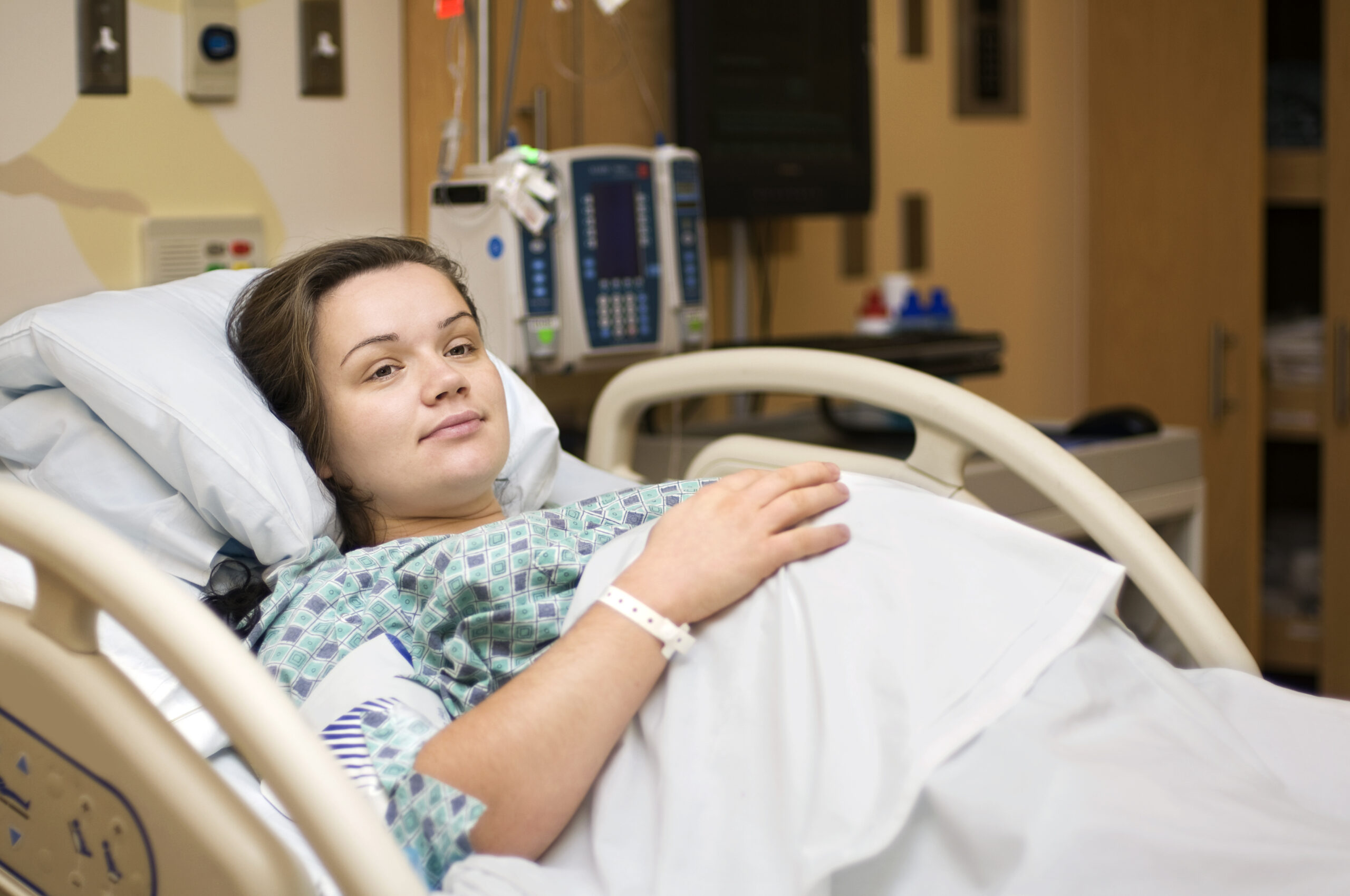
My VBAC journey began, as many do, with an unwanted cesarean.
It wasn’t that the labor and delivery of my first child were terribly traumatic. But for five hours after my son’s birth – time I had hoped to spend bonding with my new baby – I was alone in a recovery room, my sense of failure growing by the minute. All of the messages of empowerment that I’d received before labor now haunted me instead: Women are built for natural childbirth. Your body knows what to do. You and your baby will work together to make it happen. What did it mean about me as a woman, and as a mother, that I hadn’t done it? I worried that I’d never be able to breastfeed, that my baby and I would never bond, that I had failed him in his first moments of life.
These worries faded as we met, and bonded, and breastfed without trouble, but the seeds of doubt about my birth experience had been sown deep. Was it my fault for getting an epidural at 4cm? Had I not been moving enough in labor? Had the clock really run out, or was my midwife (who’d been at the hospital for four straight days with deliveries) just exhausted?
During my second pregnancy, I resolved to do as much as I could to avoid feeling so much self-judgment and doubt after the baby’s arrival. I ruled out a home birth, just as I had the first time, but I knew that the first change to make was also the most important: I needed a new care provider whose opinion and experience I trusted completely. I was thrilled when I found Dr. Jessica Schneider, partly because I knew she was supportive of VBAC, and partly because our communication was so open and easy. I remember coming home from one of our first appointments and saying to my husband, “I’m going for a vaginal birth, but whatever happens, I know I’m in good hands. If she says I need a cesarean, I’ll trust her.”
Check out more from The Informed Pregnancy and Parenting Project!
As my pregnancy progressed, I did everything that I felt comfortable doing to increase my odds of VBAC success. I found a wonderful doula, took hypnobirthing and VBAC prep classes, and started regular acupuncture and chiropractic visits. At every ultrasound, I was told that my daughter was measuring big, but my doctor assured me that we could still try for a VBAC. As I sailed past weeks 37, 38, and 39, I took steps at home to avoid an induction, which I knew counter-indicated VBAC success. Herbal teas, nipple stimulation, scrubbing the floor, sex… I tried them all. I remained hopeful for a long time, but as I passed 40 weeks with no sign that labor was near, I realized I was starting to panic. My first baby had been late, and big, and arrived via cesarean, and here I was, past my due date again, with another big baby… I shared my mounting anxieties with Dr. Schneider and she assured me that yes, we could still try. The decision to go for a VBAC was going to stay in my hands.

During those final days, though, Dr. Schneider asked me one question that gave me pause: Why did I want a VBAC so much? Even after all I’d done to try for a successful VBAC, it was a difficult question to answer. For me, having a VBAC certainly didn’t matter more than having a healthy child. Sitting inside that exam room, it was incredibly hard to say out loud that I worried I would feel like less of a woman if I never had a vaginal birth. Hearing myself say it, I knew it was absurd – but once I said it, I cried, and that emotional release felt better than anything else I’d done in the preceding few weeks. After that cathartic moment of letting go, I decided to schedule my induction, and I stopped scrubbing the floor at home. Labor would start before my induction, or it wouldn’t. I spent those last few days relaxing.
At the end of my 42nd week, I went in for my induction. I had a mental list of targets for my labor and delivery, and to my joy, everything starting humming along as I’d hoped. After an initial small dose of Pitocin, I labored naturally for hours, and this experience was completely different from my first. At 8cm, I asked for a walking epidural, after which I was able to keep moving: squatting, doing yoga, resting, and then moving again, doing everything I could to make my baby come down.
As it turned out, my baby was not coming down. About 24 hours after my induction began, my dilation had stalled and the baby had been stuck at zero station for several hours. Dr. Schneider came in and gently said, “I think it’s time to talk about a c-section.”
And there we were. I won’t deny that I was disappointed. But once my husband and I were alone, discussing our options, we both came back to what I’d said before about trusting Dr. Schneider. She was leaving the door open for me to wait if I wanted to, but she didn’t advise it, or think it would help. What would I be fighting for if I said no, and for how long?
My mantra for labor (and the name of at least three tracks on my music playlist!) was “Let Go.” It felt clear to me now that the best way for me to bring my daughter into the world was to let go of my vision for how it would happen.
That is how my VBAC journey came to end with a repeat cesarean. But this time, after my (healthy, 10-pound!) daughter was born, my doctor made sure we weren’t separated at all. I held her and nursed her in recovery, and in the days that followed, our bonding and my recovery went beautifully.

Before we said yes to the second cesarean, my husband and I talked about how having another cesarean would mean leaving certain questions unanswered forever. Would our daughter have come down if I’d kept on squatting and walking for a few more hours? Maybe. Might I have had a VBAC if I’d had a home birth? Perhaps. Was there anything I could have done differently to end with the VBAC I’d hoped for? It’s possible. But in leaving these “what if” scenarios unanswered, I feel peace knowing there’s another question that will remain unanswered: what if I will never know how lucky I am that cesareans exist? No matter the answers, I feel okay with not knowing.
One thing I do know is that in no way am I less of a woman, or less of a mother, because I birthed my son and daughter via cesarean. And while I believe that “healthy baby, healthy mother” comes first, I know that they are not the only things that matter. It turns out that it mattered to feel that my birth “experience,” not just the statistical outcome, were important to my care team, and it mattered that I felt good about myself when all was said and done. I do feel good about myself. My second cesarean turned out to be a second chance, and I have no regrets about my choice to let go.
Follow Dr. Berlin on Instagram for news on blogs, podcasts, and more!
 Kate Eales was born in Minneapolis, Minnesota, USA. She is a prenatal yoga teacher and feature film editor.

by Alisha Tamburri | Oct 11, 2022 | Labor and Delivery, Pregnancy
**This is a repost of a classic Informed Pregnancy article
“Of course, many mothers-to-be also have strong feelings upon learning their baby is breech – some feel angry, disappointed, depressed, nervous or scared. Some are terrified contemplating the possibility that they may have a surgical birth. Quite often mothers-to-be confide in me that they feel they must have done something ‘wrong,’ and I quickly assure them that this is NOT the truth. While the primary goal of a breech session is encouraging the baby to turn, I also work to help mothers feel more relaxed and peaceful about their upcoming birth, no matter how they eventually deliver, so they can focus on the joy of meeting and holding their newborn.”

It’s late in your third trimester. You’ve been hoping and planning for a vaginal birth and never thought much about delivering via cesarean – until your OB or midwife does a scan and tells you your baby is breech.
Now what? Suddenly your plans to ‘rest and nest’ in preparation for your newborn’s arrival are pushed aside. You read everything you can find about chiropractic techniques, acupuncture, moxibustion, external cephalic version (ECV) and even standing on your head in a swimming pool (Who comes up with these ideas?), desperately searching for a way to get your baby to turn.
You might not read about a method for encouraging babies to turn that I’ve used successfully in my practice for more than 30 years – hypnotherapy. Hypnosis can help loosen tight muscles in your uterus, release stress, and calm your body and your baby. An integral part of the breech turn session is fear release therapy, where moms learn to let go of their fears concerning their pregnancy, labor, parenting, and even the stress of dealing with in-laws.
Of course, many mothers-to-be also have strong feelings upon learning their baby is breech – some feel angry, disappointed, depressed, nervous or scared. Some are terrified contemplating the possibility that they may have a surgical birth. Quite often mothers-to-be confide in me that they feel they must have done something ‘wrong,’ and I quickly assure them that this is NOT the truth. While the primary goal of a breech session is encouraging the baby to turn, I also work to help mothers feel more relaxed and peaceful about their upcoming birth, no matter how they eventually deliver, so they can focus on the joy of meeting and holding their newborn.
The use of hypnosis to help turn breech babies was supported in a groundbreaking 1994 study presented by Dr. Lewis Mehl-Madrona. The study included 200 women who were carrying their babies in a breech position at 36 weeks gestation or more. The experimental group of 100 women received hypnotherapy from a trained practitioner. The comparison group of 100 did not receive hypnotherapy, although some did ECV, a procedure where the baby is manually manipulated from outside the abdomen to bring about the downward turn.
Looking for more on breech pregnancy and labor? Listen to this popular episode of The Informed Pregnancy Podcast!
While in hypnosis, the mothers in the experimental group were led through guided imagery to bring about deep relaxation. They were helped to imagine their uterus becoming pliable and relaxed in order to allow their babies sufficient room to make a move. Suggestions were then given to visualize their babies effortlessly turning into the proper vertex position for birthing. Each mother was asked to talk to her baby. The hypnotherapist verbally encouraged the baby to release from the breech position, turning downward for a gentle birth.
The result? 81 of the 100 breech babies in the experimental group turned spontaneously. In the group that did not receive hypnotherapy, only 26 babies turned, and an additional 20 turned after ECV.

Hypnosis is a natural state of focused awareness that we all have within ourselves. All hypnosis is self-hypnosis; the hypnotherapist serves as a guide. The power is truly yours! It is inspiring to witness a mother become at peace with herself, her body and baby using only the incredible power of her own mind – a power they often don’t know they possess until they come into my office.
I give moms a recording of their session to listen to every day. This repetition helps mothers maintain the calm state they achieved in hypnotherapy, and encourages a baby who does turn to stay head-down until birth.
Whether or not your baby is breech, hypnotherapy during pregnancy can help to relax your body, mind, muscles and baby. It can also help make you feel more confident and empowered about birthing and becoming a parent – no standing on your head required!
Follow Dr. Elliot Berlin, DC on Instagram for updates on The Informed Pregnancy Project!
Alisha Tamburri is a clinical hypnotherapist, birth doula, HypnoFertility therapist, and childbirth educator. She has more than 30 years of experience working with expecting parents, alleviating anxieties and resolving personal and physical challenges through hypnotherapy. Alisha is a pioneer of HypnoBirthing Childbirth Education in California. She is also the proud mother of two daughters, two sons-in-law, and two grandsons.
www.clearmindhypnotherapy.com
by Ana Paula Markel | Sep 13, 2022 | Labor and Delivery, Pregnancy
**This is a repost of a classic Informed Pregnancy Project article.
“Doulas are not only for mothers planning an all-natural birth, but for mothers planning or investigating all kinds of birth choices. The doula movement is all about options, information and nonjudgmental support. Doulas are hired for all scenarios, including scheduled cesareans.”

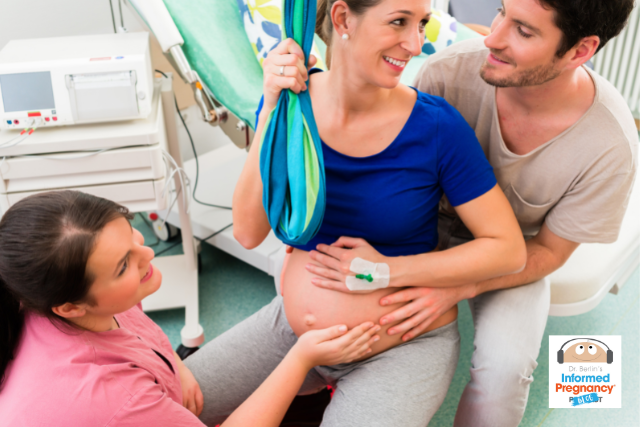
In the days before modern medicine and hospitals, laboring women would often be supported by other ‘wise women’ in their communities, who held and passed along the knowledge needed for the next generation to assist women during the process of labor and birth. These women were among the earliest ‘doulas’ – women whose sole role was to provide comfort, encouragement and wisdom during a woman’s labor and birth. The idea of the modern doula began to gain popularity from the studies of Dr. Marshall Klaus and John Kennel during the 1980s, which clearly showed the benefits of the presence of a doula during the labor process. DONA International was founded in 1992, and the role of the doula became a legitimate profession, with prospective doulas required to complete extensive training and assist in multiple births before becoming certified. In the past 20 years, one birth at a time, doulas have secured their role as an instrumental component in the birth team. People commonly think of doulas and midwives as having similar tasks, when in reality the midwife is a licensed care provider in charge of the mother and baby’s health while the doula’s focus is on supporting and promoting an environment of calmness and confidence in the mother.
As reported in many studies, the presence of a doula has many health benefits (less medical interventions, faster labors, easier breastfeeding) and the presence of a doula also highly increases birth satisfaction for the new mother. Doulas are not only for mothers planning an all-natural birth, but for mothers planning or investigating all kinds of birth choices. The doula movement is all about options, information and nonjudgmental support. Doulas are hired for all scenarios, including scheduled cesareans. In current maternity care, women often feel rushed during OB visits and sometimes are too self-conscious to share concerns, questions or fears with medical personnel. This is one of the gaps that doulas can fill.
One of the greatest benefits of hiring a doula is that doulas are well-read, informed and trained in medical terms, and understand routine hospital protocols along with the risks and benefits of various medical interventions. Doulas do NOT make medical decisions for their clients, but they do help clients to make informed decisions. In all up-to-date facilities across the country, doctors and nurses welcome the presence of a calming and professional doula. There is no role confusion; doulas are not there to take over the care of the woman, but to add to it. Doulas and nurses complement each other. During the process of hiring a doula, mothers should not feel shy to interview as many doulas as they feel they need to find their ‘match.’ An interview should be free of charge and commitment and usually last around one hour.
Some of the important points for a family to consider in hiring a doula are:
- How much experience does she have?
- How many births has she attended?
- Is she a mother herself?
- How many births does the doula take a month?
The answers to these questions may mean different things to different mothers-to-be. A mother may feel comfortable with a newer doula based on a personality match, and hiring the most experienced doula is not always the best fit for all families. The last question in the list is a very important one. Obviously, a doula willing to “book” 8 births in a typical month is much more likely to need to send a back-up doula to your birth than a doula who only schedules 3 births. A busy schedule may also affect when the doula joins a laboring woman, or how tired your doula is when she joins you for your birth.
- Is the doula certified?
- If so, by what organization?
DONA International is not the largest, but is by far the most respected doula organization worldwide. DONA has been training and certifying doulas for the past 22 years in 23 countries. If a doula is not certified, ask her to read and practice according to the DONA code of ethics and scope of practice, easily found at www.dona.org.
• How many prenatal visits will the doula provide prior to the birth? And after the birth? Not all doulas have a set schedule of visits, but the majority will do two prenatal meetings that last around 2 hours each, and one postpartum visit that lasts around 1 hour. The prenatal meetings can often substitute for a public birthing class.
Need more Informed Pregnancy? Click to listen to a popular podcast episode!
• When does the doula join the labor? Some doulas come when mothers first call; others come when labor is more established. Mothers should think about what they want and the doula should be willing to adjust to that, not the other way around.

• How much does a doula charge? This is a difficult question, as prices vary a lot. A more experienced doula will usually charge more, as will a doula with more services to provide (for example, prenatal yoga, nutrition help, or postpartum doula services – like doing laundry, watching the baby while you nap, or helping you and your newborn perfect your ‘latch’ for nursing.) In Los Angeles, doulas can charge anywhere between $500 and $3000. Some doulas work on a sliding scale, and most of the national organizations will help women to find doulas at no cost or low cost. The idea is that every woman that wants a doula should have one. Insurance companies are also starting to reimburse for doula services, so ask your insurance provider if a doula’s services are covered by your plan.
To find a doula in your area, please go to www.binibirth.com.
Need more guidance? Check out these workshops available through Berlin Wellness!
Ana Paula Markel is a childbirth educator, doula trainer, practicing doula and volunteer in international birth organizations. She is also the mother of four children. In 2008 Ana founded BINI Birth, a center in Los Angeles dedicated to the childbirth education field, doula training, parenting classes and green pregnancy retail.

by Nikki Spicer | Jul 13, 2022 | Labor and Delivery, Mental Health, Pregnancy
“In the months following Charlotte’s death, the other silence I was not prepared for was the silence of some of my family, friends, and coworkers. Those people who didn’t know what to say, so they said nothing. They didn’t mean to hurt me. In fact, they hoped their silence was helpful. They were afraid to say the wrong thing and upset me, so they said nothing at all.”
A Baby Girl
I was expecting a loud and joyous scene in the delivery room immediately after the birth of our first child, a daughter named Charlotte Victoria. We had been anticipating and preparing for this joy for months. Instead what we got was silence. Charlotte, a previously healthy and normal baby, had gotten her umbilical cord wrapped around her neck twice and perished ten days before her due date. Her death was so shocking, so earth-shattering that I’ll never fully recover. It was an event that tore the fabric of my soul to pieces.
The silence in the room was deafening. My husband, instead of laughing and gasping in amazement at his new daughter, was silenced by the weight of his grief upon seeing his firstborn child dead before she could live. The doctor was silent as she tried to deduce what went so horribly wrong. The nurse was silent as she tentatively held our perfect looking daughter and tried to convince us to hold her. I was silent as I tried to memorize every single feature of Charlotte’s face, to burn her image into my mind, even while I refused to hold her. I knew I couldn’t bring myself to bond with my child only to have her taken, not to the nursery, but to the morgue.
The Isolation of Grief
In the months following Charlotte’s death, the other silence I was not prepared for was the silence of some of my family, friends, and coworkers. Those people who didn’t know what to say, so they said nothing. They didn’t mean to hurt me. In fact, they hoped their silence was helpful. They were afraid to say the wrong thing and upset me, so they said nothing at all. They physically avoided me. They lost touch. They disappeared. I became a pariah because of my loss, because of my grief. Because what can you possibly say to help a woman who has lost her baby? Their silence only added to my grief, loneliness, and isolation.
Check out this related episode of The Informed Pregnancy Podcast: https://bit.ly/3oTV7KA
According to the Star Legacy Foundation website, “In the United States, nearly 24,000 babies are stillborn every year. Worldwide, there are more than 2.6 million stillbirths every year.” The loss of a baby, whether it is due to a miscarriage, stillbirth, or perinatal death, can affect a woman’s career, marriage, mental and physical health, and can leave a lifelong scar on her. The death of my only daughter affected every single aspect of my life in both the short and long term, and I know I’m not alone.
If you’ve lost a baby, I’m so, so sorry for your loss. I understand what you’re going through. You probably have many different feelings about this loss and that’s ok. I hope the deepest part of your grief only lasts a short time. The pain does eventually lessen; however, grief is circular, not linear. You may think you’re past a certain point in your grief only to revisit it again later. That’s ok too. You will eventually find your way back to a new normal, although you will never forget your little one. I still cried on Mother’s Day five years after Charlotte passed away even though I have two sons now.

Instead of Silence
If you know someone who has experienced a loss, please don’t be silent. Reaching out to that person may seem scary to you because you may not know what to say or how to make them feel better. You can start by mentally preparing yourself. The mother, father, or partner’s feelings may change daily or hourly depending on how he or she is feeling that day and what triggers may be in his or her environment. They may be fine one moment and cry the next. These feelings may go on longer than you expect them to. Please be patient with them. Their grief may not look the way you expect because everyone grieves differently. My grief was open and louder while my husband’s grief was more private and quieter.
You don’t have to give a big speech or a profound piece of insight, but please try not to accidentally minimize their loss or give platitudes. When people told me, “These things happen for a reason; At least she’s with God; You’ll see her again one day,” it only hurt me further.
Genuinely being there for that person will help the most. Whether you bring food to their house, do their laundry, write them a heartfelt note, spend quality time with them, or truly listen to their story, offering love and support can be one of the best ways to help a grieving person get through perhaps the worst moment in their life.
As a country and society, we can no longer accept miscarriage, stillbirth, or perinatal loss as taboo. So many “silent women” never share their story of loss out of shame, embarrassment, or fear of another person’s reaction. So many women are out there silently living with their grief. I want you to know: YOU ARE NOT ALONE.
Follow Dr. Berlin on Instagram to stay up to date on the Informed Pregnancy Project: www.instagram.com/doctorberlin
Nikki Spicer is a former Senior Project Manager, mother, and the author of, “Burying My Children: Breaking the Silence on Miscarriage and Stillbirth”. This riveting and very personal memoir about her journey through infertility, pregnancy related harassment, stillbirth, miscarriage, and gender disappointment is currently in need of a publisher. If you are interested in Nikki’s memoir or would like to reach out to her with your own personal story, please email nikkispicerbook@gmail.com.
