by Eos Rejuvenation (Sponsor) | Mar 22, 2023 | Fitness & Nutrition, Infant Care and Breastfeeding, Mental Health
“…moms may need to wean their babies or switch to formula before the surgery since both anesthesia and antibiotics can impact breast milk.”
After childbirth, many moms start wondering how they can enhance their physical appearance, allowing them to feel confident in their own skin or extend some of that pregnancy glow.
Women who have given birth can undoubtedly be good candidates for plastic surgery. Still, according to board-certified facial plastic surgeon Dr. Nima Shemirani of Eos Rejuvenation in Beverly Hills, it is essential to wait an appropriate amount of time, ensuring the body is ready for the rigors of surgery.
When To Schedule Your Procedure
All moms are different, and their post-pregnancy recoveries can progress at varied timelines. For most, Dr. Nima recommends waiting three months before having any type of aesthetic surgery.
After cesarean or vaginal birth, it is vital to wait before considering a plastic surgery procedure for several reasons. Most importantly, this time allows the body to regain strength following childbirth and reduce the risk of complications during recovery. Additionally, moms may need to wean their babies or switch to formula before the surgery since both anesthesia and antibiotics can impact breast milk. For these reasons, Dr. Nima recommends that moms wait at least three months before considering a plastic surgery procedure and recommends consulting with their doctor first to determine the best plan of action tailored to their specific case.
The Advantages of Waiting
While it is perfectly natural to feel eager or impatient about transforming your appearance, there are ultimately many advantages to waiting.
One of the main benefits of waiting a year or so before having surgery is that recovery from plastic surgery requires a fair amount of downtime, and most patients will need to rest and heal for a week or more. Peace and quiet may be hard to come by when you have a baby in the house, but not as challenging as juggling your recovery with newborn sleep cycles, breastfeeding, and the like.
But the main reason to delay surgery is for your general health and wellness. Giving birth to a baby is no small thing; it will weaken your body for several weeks or even months.
Talk to Your Doctor
Ultimately, the best way to evaluate your readiness for plastic surgery is to talk to your doctor. Your readiness depends on your unique recovery timeline, which only you and your medical provider can determine. If you’d like more information on plastic surgery after childbirth, contact Dr. Nima of Eos Rejuvenation today to learn how cosmetic procedures may benefit your post-baby transformation journey.

Dr. Nima Shemirani grew up in a family of artists and found himself drawn towards the field of medicine in college when he recognized that biology is an equalizer. “Underneath the microscope, we are all the same: we are merely human without color, race or religion.” This personal revelation spurred a deep passion, and Dr. Nima applied to and excelled at the prestigious Medical School of Wisconsin where he also completed his Otolaryngology (ENT) residency. Dr. Nima then secured a greatly-coveted fellowship with the globally-respected Glasgold Group in New Jersey, where he trained under some of most highly trained plastic surgeons in the world.
With a luxurious office and Medicare-certified (highest certification) surgery center in the heart of Beverly Hills, Dr. Nima offers individualized and artistic results for his patients, specializing in facial plastic surgery (i.e. rhinoplasty, facelifts, brow lifts, earlobe reduction, etc.), ENT (ear, nose and throat procedures) and non-surgical facial enhancements (i.e. lip augmentation, non-surgical rhinoplasty, injectables, etc.).
Beyond his impressive credentials, Dr. Nima has developed a compassionate sensitivity to his patients’ needs and fears. He takes the time to really listen to them and collaborates with each one to develop a highly personalized approach that directly addresses not just that patient’s particular issue but also takes into account the individual’s personality, sensitivities and concerns. He creates a warm atmosphere where his patients feel safe, secure and nurtured.
by Needed | Nov 30, 2022 | Fitness & Nutrition, Pregnancy
*This is a sponsored post.
“Modern food processing depletes food of naturally-occurring enzymes, and oftentimes pregnant mamas don’t produce enough themselves. That’s what taking a pregnancy-safe digestive enzyme supplement can help.”
With the holidays around the corner, digestion is on the minds of many. Being pregnant during the holidays comes with added digestive challenges, like heartburn, bloating, constipation, feelings of fullness, and more.
Plus, improper digestion can impair nutrient absorption, and pregnancy certainly isn’t the time you want to mess with nutrient depletion. Here are 7 tips to help naturally support your digestion while pregnant so that you can get through the holiday season feeling comfortable and optimally nourished.
1. Stay hydrated
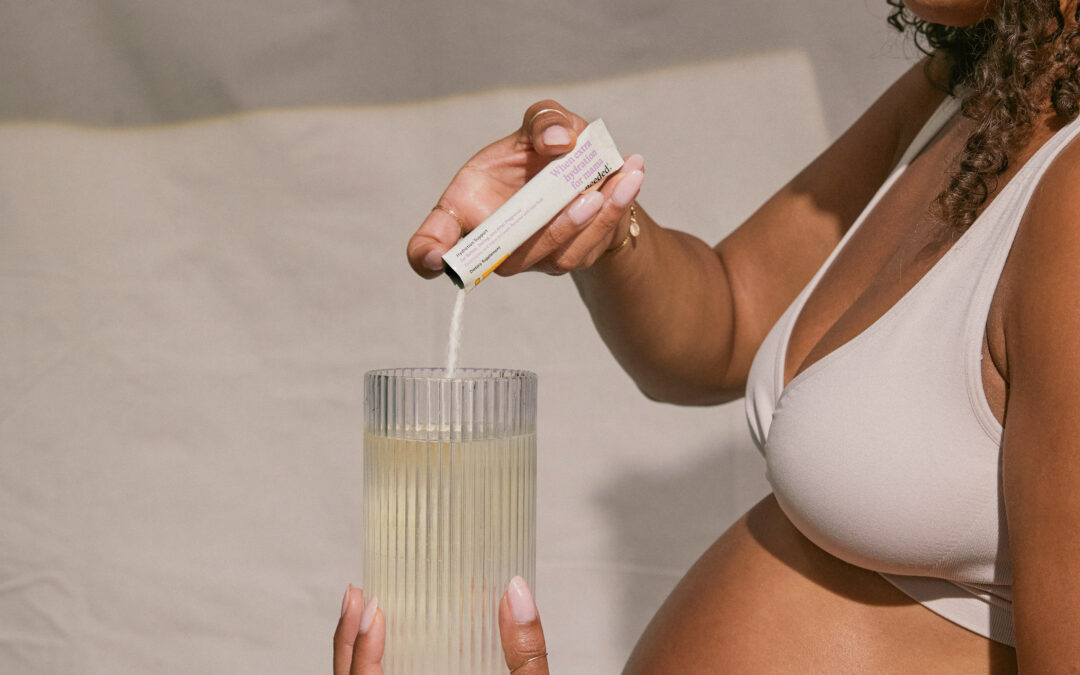
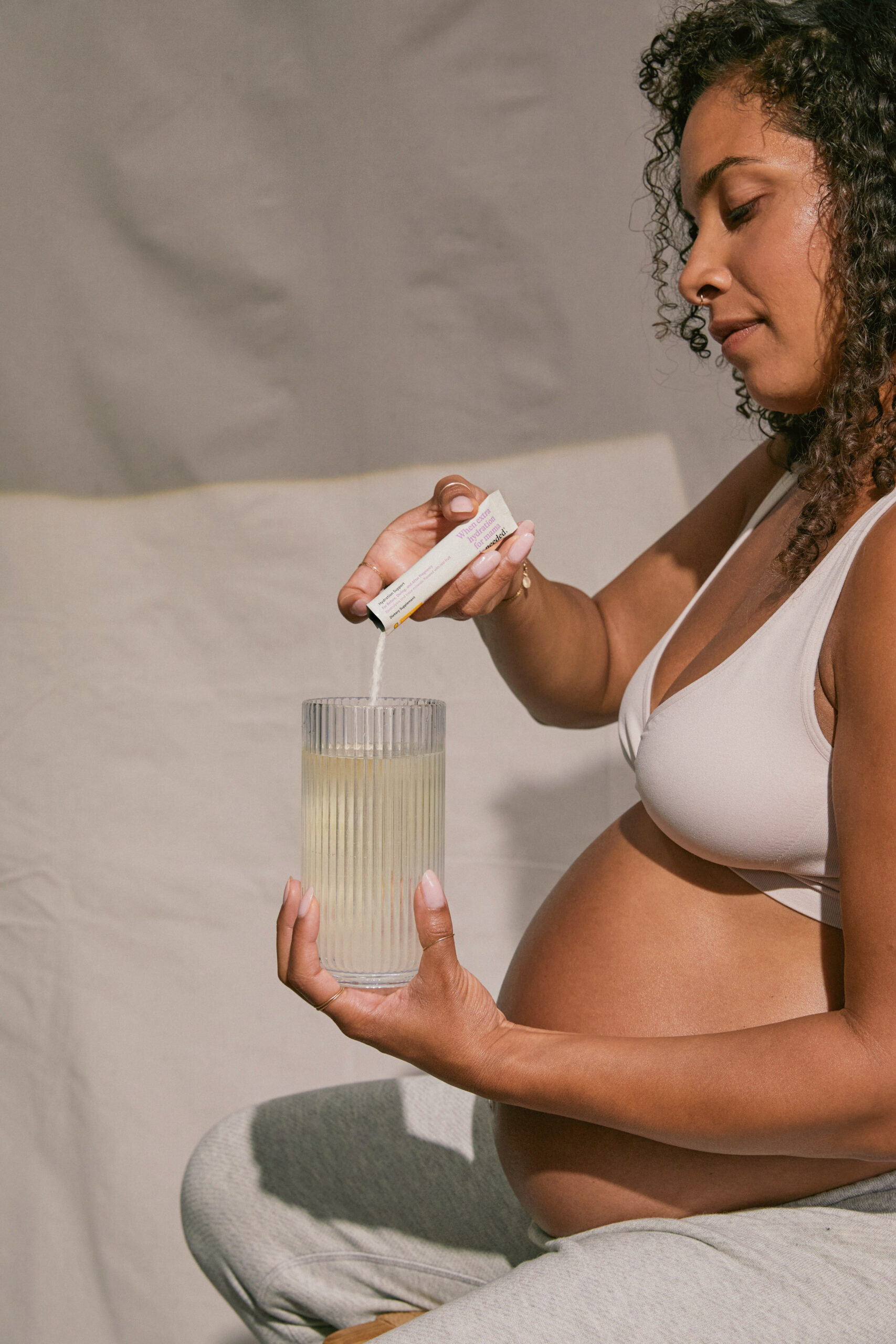
Water helps to keep food moving through the digestive tract. Not drinking enough water is a common cause of constipation. Your hydration needs are elevated when pregnant, so it’s important to focus on getting enough water. Of course, water alone isn’t always enough to hydrate properly, so consider adding a pregnancy-safe electrolyte supplement like Needed’s Hydration Support.
Other ways to stay hydrated include soups, smoothies, pregnancy-safe herbal teas, and bone broth.
2. Manage stress
Pregnancy + holidays is a stressful combination. But stress has been associated with a number of digestive concerns, from nausea and ulcers to diarrhea and constipation.
Stress hormones like cortisol directly affect your digestion. When your body is in a stressed out or sympathetic state (also known as fight-or-flight mode) it directs all of its resources toward essential bodily functions like vision and cardiovascular functions, and diverts energy away from “nonessential” functions like digestion and reproduction. This means that your digestion will slow, leading to discomforts like bloating and constipation.
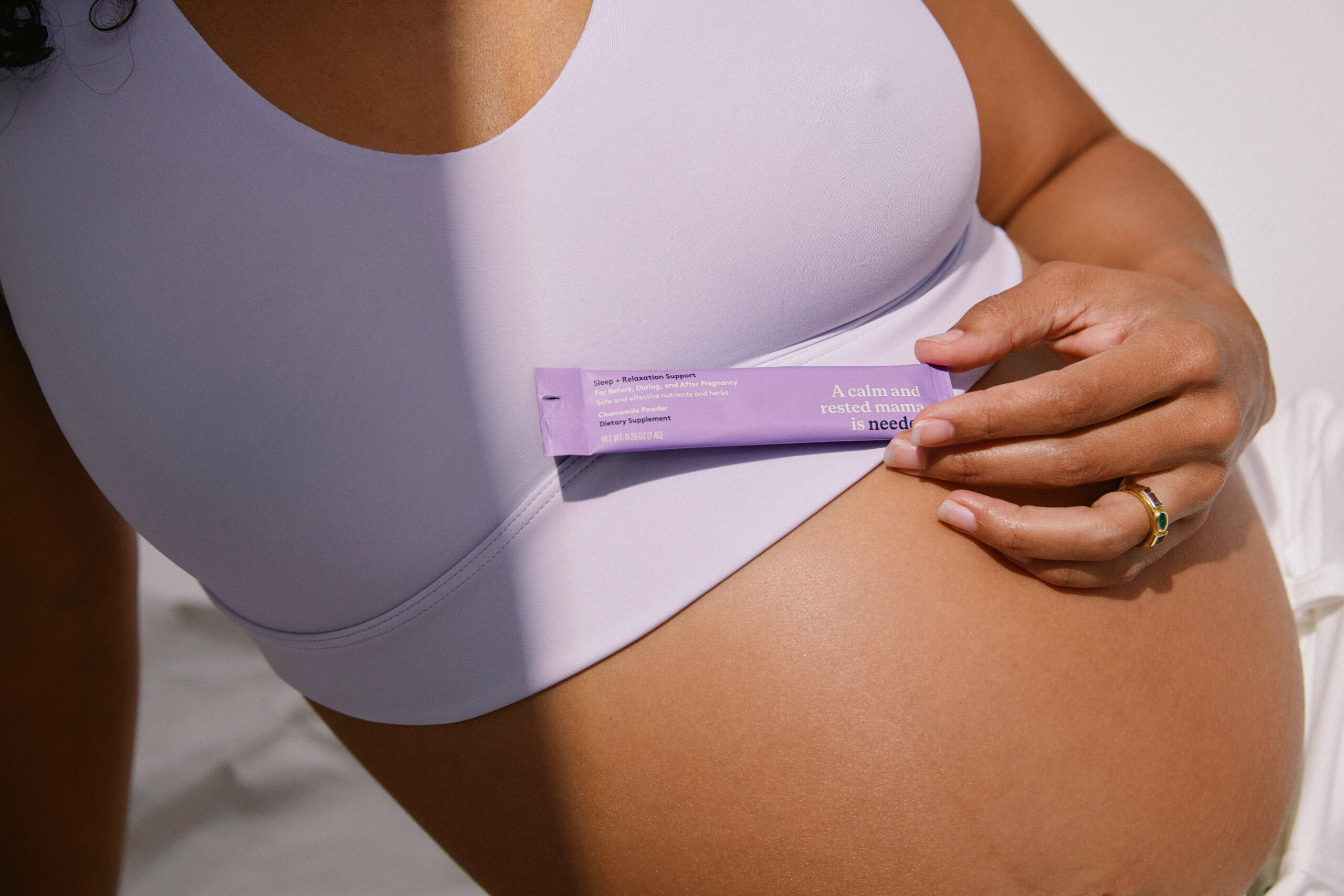
Some effective ways to manage stress include mindfulness activities like breathing exercises, meditation, and yoga. You can also take a pregnancy-safe supplement like Needed’s Sleep and Relaxation Support. It includes magnesium for relaxation, L-theanine which promotes alpha-wave brain activity, the brain waves that help reduce stress and anxiety, L-glycine for improved sleep quality, and chamomile which is traditionally used to promote overall relaxation.
3. Chew thoroughly
Digestion starts in your mouth, and the process of chewing helps to activate your body’s digestive enzymes which help to break down your food.
Chewing food thoroughly helps to take some burden off of the rest of your digestive system, which alleviates symptoms like indigestion, bloating, and heartburn. Try to focus on eating slowly and mindfully without distraction to support your body’s natural digestive process.
Stay informed with Dr. Berlin on Instagram!
4. Take digestive enzymes
We know that digestive enzymes are essential for healthy digestion, but sometimes, even with adequate chewing, the body isn’t able to produce enough on its own.
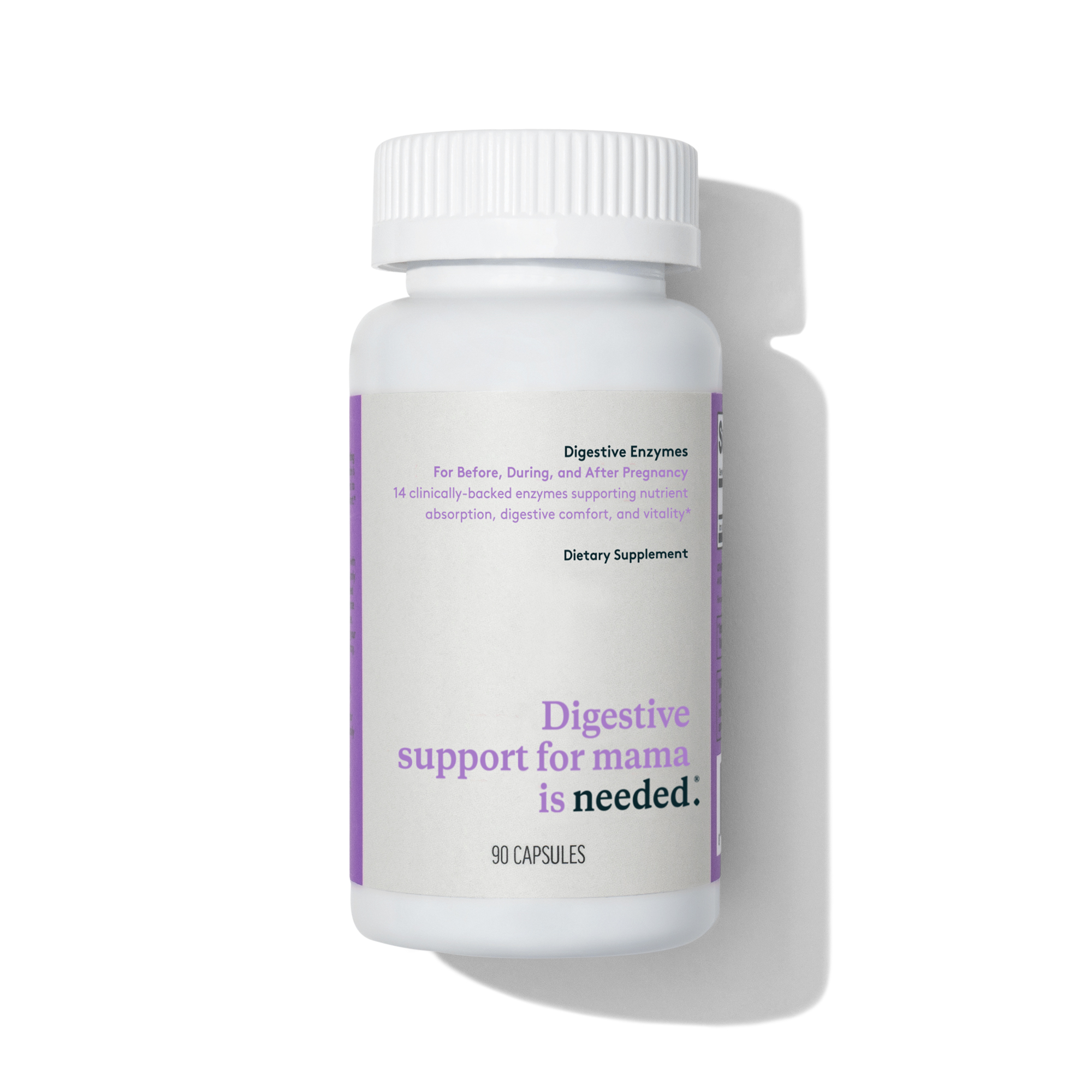
Modern food processing depletes food of naturally-occurring enzymes, and oftentimes pregnant mamas don’t produce enough themselves. That’s what taking a pregnancy-safe digestive enzyme supplement can help. Needed’s Digestive Enzymes support digestive comfort and overall gut health, plus nutrient absorption which helps immunity, energy levels, and mental alertness.
5. Introduce gentle movement
Even light exercise can help food move through your digestive system. A simple walk after your meal can help to improve digestion, reducing bloating and constipation.
6. Take a probiotic
During pregnancy, the hormones estrogen and progesterone increase, which can change the composition of gut microbiome and affect the digestive system. A recent study found that probiotics significantly improve the symptoms of pregnancy-related digestive concerns like nausea, vomiting and constipation.
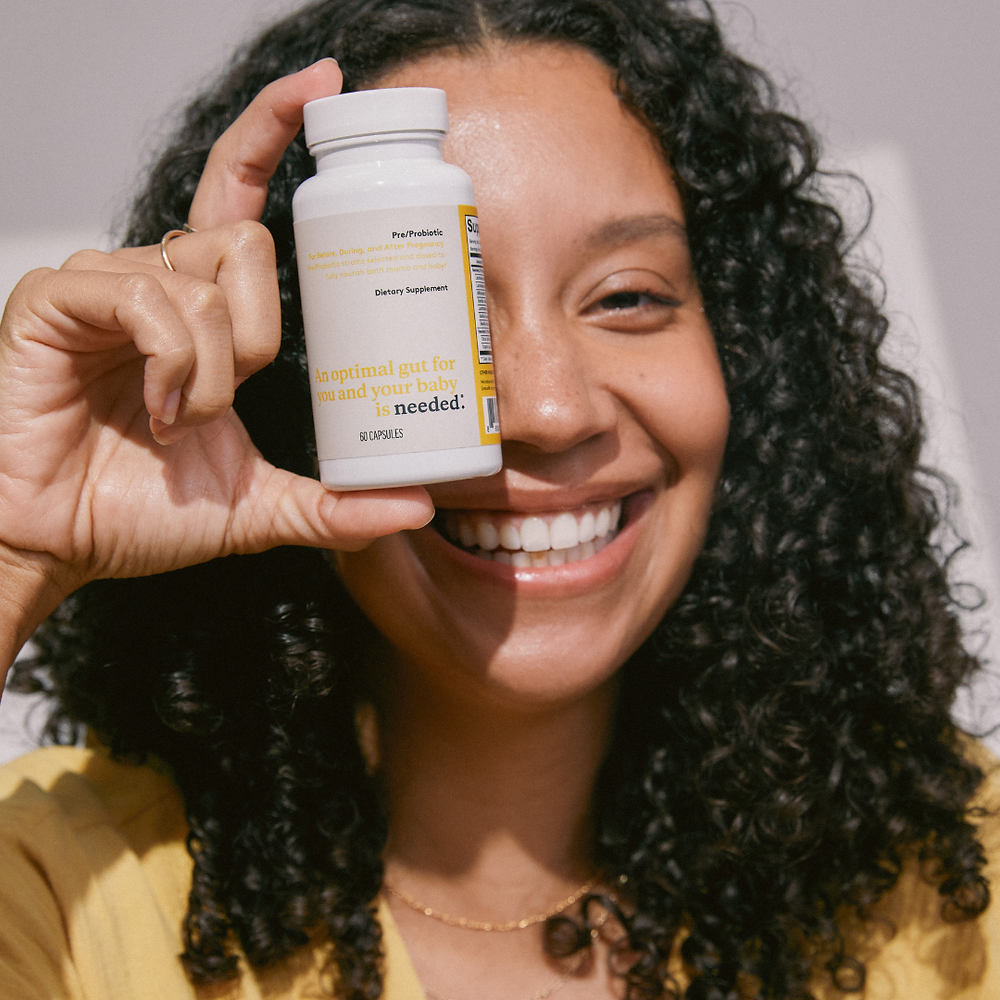
Needed’s Prenatal Pre/Probiotic supports a strong and healthy microbiome, including not only your digestive tract, but also your skin, and vagina, and the gut of your baby to be.
7. Incorporate fiber
Fiber has a number of benefits during pregnancy. Fiber can help to reduce the risk of insulin resistance and glucose intolerance which can contribute to diabetes. It can also help to reduce the risk of preeclampsia and can also help support digestion and ease constipation.
There are two types of fiber – soluble and insoluble. Most plants contain both soluble and insoluble fiber, but in different amounts. Soluble fiber dissolves in water, and absorbs water in your intestine. Soluble fiber is found in oats, barley, seeds, beans, lentils, apples, and citrus. Insoluble fiber doesn’t dissolve in water, so it adds bulk to the stool making it softer and easier to pass through the stomach and intestines. As it can help food pass more quickly, insoluble fiber can support constipation. Insoluble fiber is found in cruciferous vegetables, nuts, green beans, potatoes, and whole grains.
The bottom line Pregnancy involves so many changes in the body, including digestive changes. But the good news is that many of the digestive challenges that pregnancy presents can be managed with simple tweaks and additions to your nutrition and lifestyle.
Check out IP+ the brand new pregnancy-focused streaming service from Dr. Berlin!
 Needed is a nutrition company delivering optimal nourishment for women and their partners before, during, and after pregnancy. Needed is the #1 women’s health brand among nutritionally trained practitioners, and is backed by the recommendation of thousands of perinatal health experts. Their products and educational content are grounded in the latest clinical research and the in-practice experience of its practitioner collective. Needed delivers what you need to thrive, not just survive, along the perinatal journey and the parenting years beyond.
by Julie Thomas | Sep 14, 2022 | Family and Relationships, Mental Health
*This is a sponsored post.
“As much as I wanted to hide out forever, I responded to a tug in my heart and attended a women’s event at my church. Sitting in a room of 400 women, I still felt alone and unable to fully embrace the positive atmosphere or laughter of others. Yet, it was a first step outside of my darkness that ultimately led to another step, and another.”

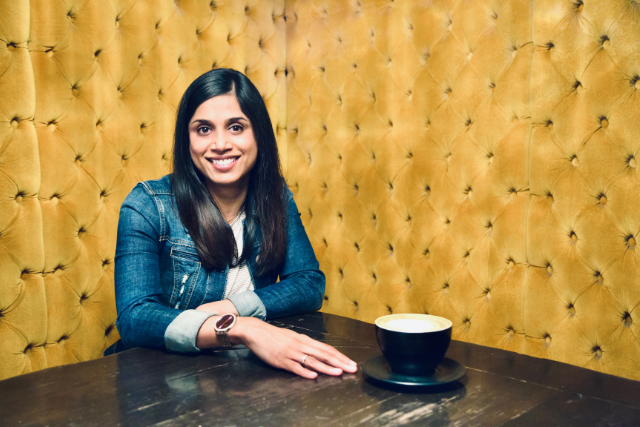
With the birth of my second son came a new version of myself that I didn’t expect or recognize. I developed a deep sadness, heaviness and confusion that I couldn’t seem to shake off. What began as postpartum depression grew with intensity and dragged on for six years.
I never expected to suffer in this way. I wanted to be a good mom and I wanted to be happy. I was living in a nightmare that I couldn’t wake up from. I tried to hide as much as I could, avoiding eye contact with people, creating social boundaries and closing every drape in the house. The burden of my depression stole my joy, purpose and hope for the future. Darkness took over my life.
Postpartum depression is one of the worst-kept secrets. For most new mothers, the first several days after having a baby is an emotional roller coaster ride. Moments of happiness and bliss are abruptly interrupted by a hormonal, exhausted plunge into depressive symptoms like crying, anger and anxiety. Often referred to as “baby blues,” these emotions can emerge within the first two to five days after delivery, and for most women, go away as quickly as they came.
Except sometimes they don’t go away. For some women like myself, the depression continues for months and becomes so overwhelming, you’re only a shadow of the person you were before. It’s lonely and frightening.
The darkness in my life began to dissipate when I realized I had to fight for myself. That’s not easy for most women to do, because we naturally put our kids’ needs above our own. But I was desperate. I couldn’t live this way anymore. Although my journey to complete healing wasn’t quick or simple, I took a few brave steps in the right direction that ultimately served as a meaningful starting point.
Need more podcast in your life? Click to hear a related episode of the Informed Pregnancy Podcast!
I sought community
As much as I wanted to hide out forever, I responded to a tug in my heart and attended a women’s event at my church. Sitting in a room of 400 women, I still felt alone and unable to fully embrace the positive atmosphere or laughter of others. Yet, it was a first step outside of my darkness that ultimately led to another step, and another.
Humans are relational beings and crave connection with others. Pursuing positive social interactions and emotional support may help to reduce the overwhelming feelings of depression.
I talked about it
Although I was very reluctant at first, sharing my experience with others helped me feel less alone. Many women with postpartum depression are ashamed of their symptoms and the social stigma associated with the diagnosis. Maybe it’s because we think we should be stronger than this, or we’re bad moms for feeling anything other than pure joy about motherhood. Postpartum depression affects around 1 in 7 women, yet 1 in 5 women keep quiet about their symptoms. Not only can talking about it provide a much-needed release and diminish feelings of shame, but I discovered that I wasn’t alone. Many other people in my life had experienced or were currently experiencing some form of depression too.
I let the light back into my life
As I began to connect with others and share my story, a new light in my life began to take over the darkness. I felt a renewed sense of purpose in encouraging others that they weren’t alone. I discovered that I could – and would – make it through this. Naturally, life still throws tough stuff at me occasionally, but when I feel that familiar twinge of depression trying to come at me again, I’m prepared to seek support, be open and honest about it and remember that I’m not alone.
Fellow moms, distinguishing the “baby blues” from more serious conditions such as postpartum depression and postpartum psychosis can be difficult, but recognizing the signs early is important. You don’t have to pretend you’re okay or live in shame. Consult a healthcare provider to discuss treatment options that may include peer support, clinical counseling or antidepressant medications. You’re not alone, and you’re worth fighting for.
Let a psychologist help you minimize the chances of perinatal mood disorders before baby arrives!

Julie Thomas is a wife, mother of two, life coach and author. After the birth of her second son, Thomas battled a severe case of postpartum depression. With the release of her novel, HOPE Inside Out, and her willingness to be open and transparent, Thomas was able to find healing for herself and help others do the same. Thomas was recently featured in I Am Second’s series of short films, sharing her raw and emotional journey from depression to healing.
