Ep. 289 – Three Part Journey: Cesarean, Breech VBAC, and Unmedicated Hospital Birth
June 30, 2022 · 57 minutes · Episode 289
About this episode
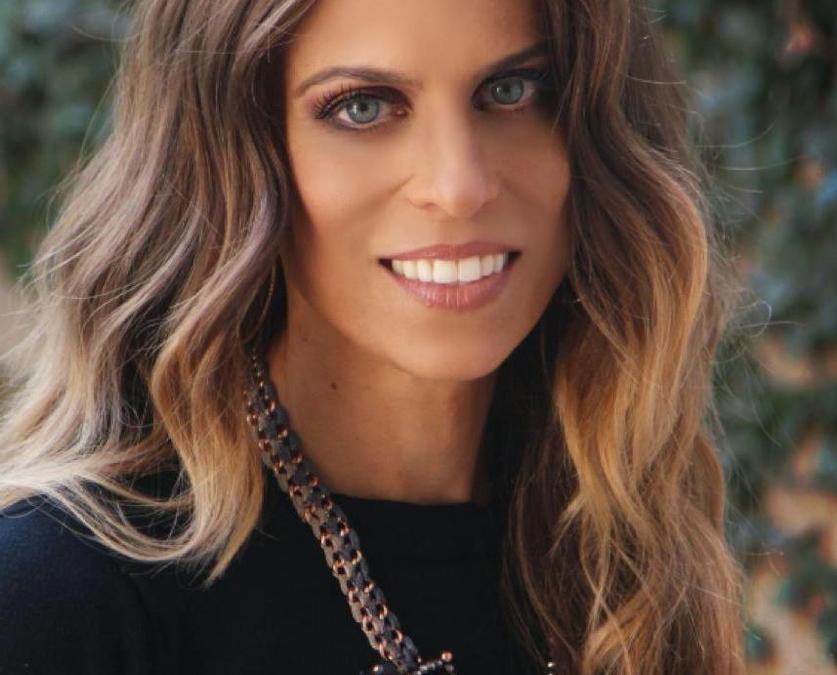
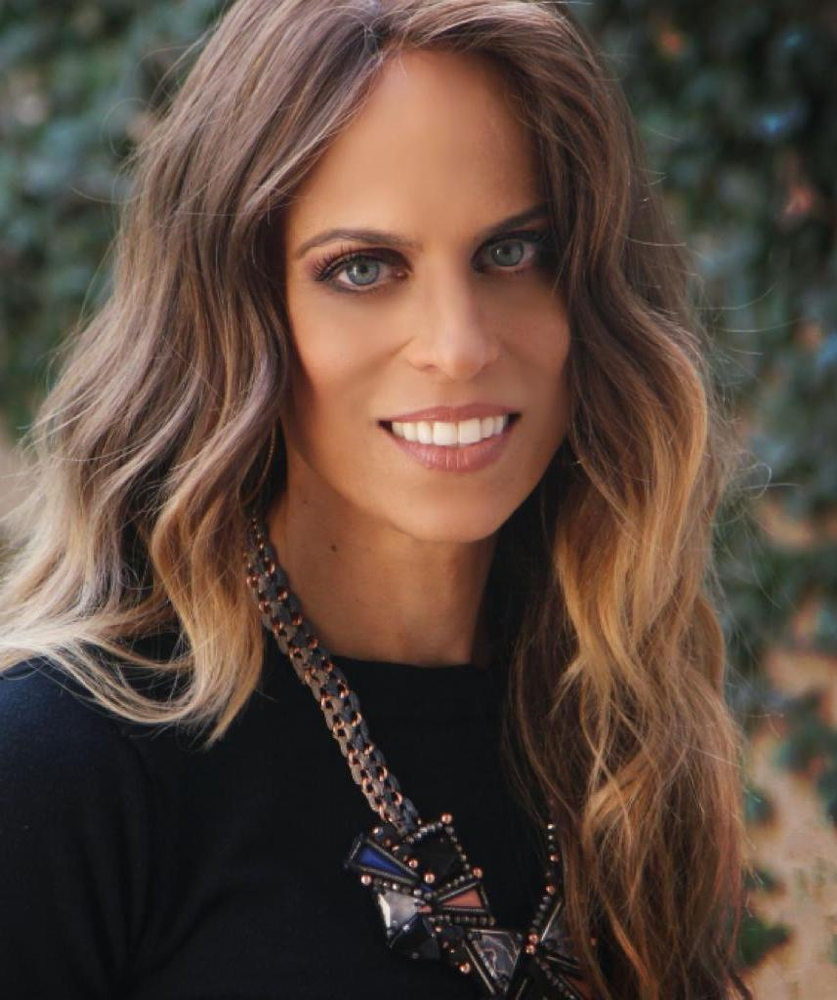
CEO and Founder of Shoptiques.com, Harvard business school graduate, Forbes 30 under 30 and Crain’s New York 40 under 40, Olga Vidisheva Leiser shares her three very different birth stories as she progressed through her career and grew as a parent.
This podcast has been brought to you in part by LMNT electrolyte drink mix. You can get a free sample pack with every order at drinklmnt.com/berlin .
Learn more about your ad choices. Visit megaphone.fm/adchoices
See Privacy Policy at https://art19.com/privacy and California Privacy Notice at https://art19.com/privacy#do-not-sell-my-info.
Key quotes
“I'm pushing up, but not only that, the big thing that I hope listeners take away from this is like, do not let anybody break your water unless the baby's in like a perfect position.”
“Yes, I was. I was so okay with that because I knew that every decision I was going to make, it was going to be an informed decision.”
“felt like choices were made for me in my first birth, even if the outcome was the same, I would have loved to be a participant in my own body and what was done to me.”
“pushed my eight pound, two ounces out, you know, unmedicated, and I don't want to get emotional, but it was like so magical because it was full circle, you know, from like the most medicated and just sort of interventions failed birth and not seeing to him coming out and like they left us alone. They didn't even weigh him at all. Like literally he came out of me, he was placed on my chest and left us alone for like two plus hours. It was such a magical experience.”
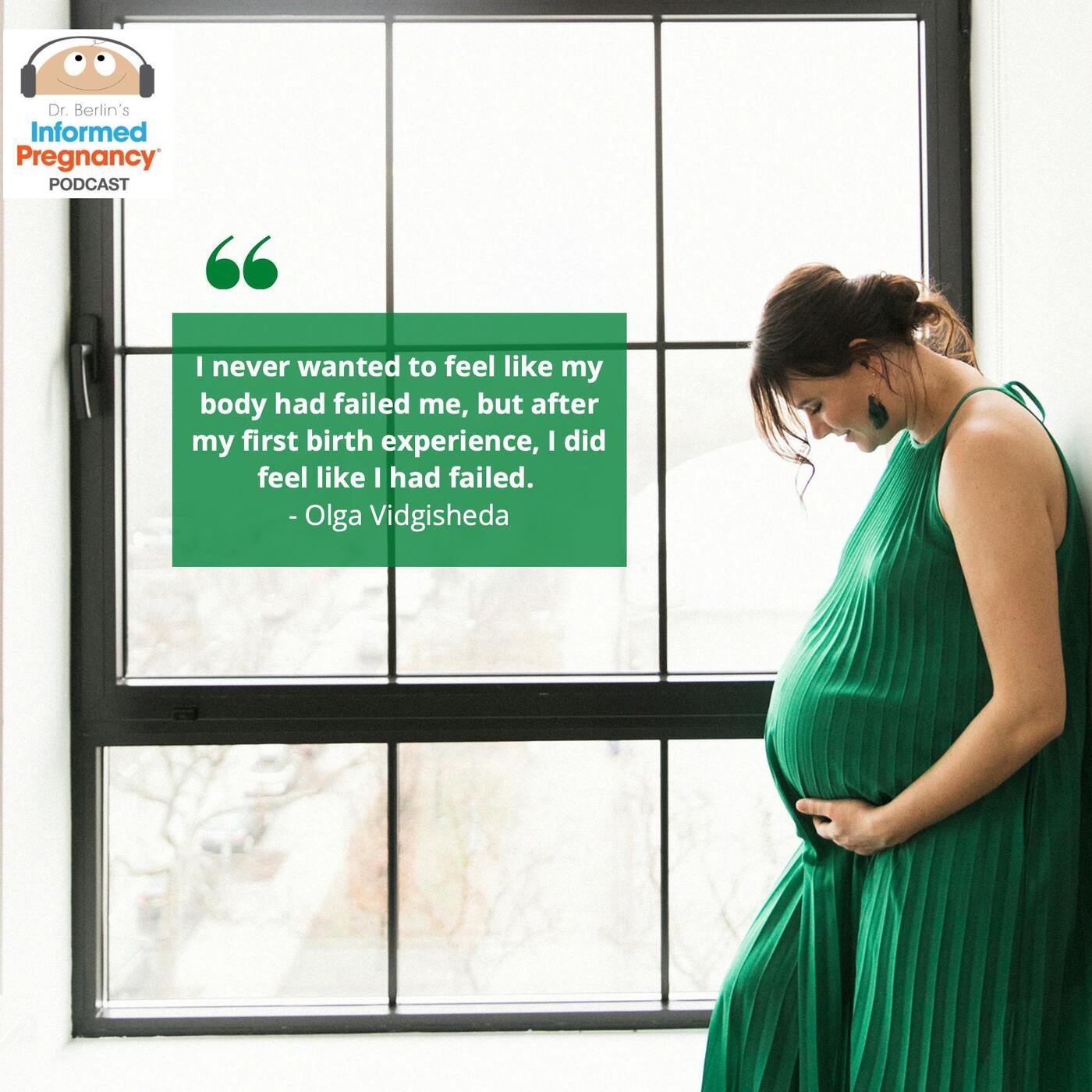
“And, you know, it was just such a magical way to believe in my body because definitely, you know, I never wanted to feel like my body failed me. But it did feel like after the first birth experience that my body failed me a little bit, you know? And I mean, it gave me the most amazing kids and my daughter, I'm so grateful for her every single day. She's just an incredible human being. And so, you know, I would not change a thing, but like knowing that I can do it and my body can do it. And it's just such an incredible feeling.”
Related episodes
- Ep. 295 Michele Maturo – After Birth
- Ep. 280 Kayleigh Harrigan – After Birth
- Ep. 286 Jen Lilley – After Birth (Again!)
- Ep. 277 Kelly Kilmartin – After Birth
Transcript
AI-generated transcript with speaker labels — may contain errors, especially names and medical terms. Dr. Elliot Berlin, DC appears in blue; Olga Vidisheva Leiser in orange.
Dr. Elliot Berlin, DC [0:12] I'm your host, prenatal focus chiropractor, Dr. Elliott Berlin. My guest today is a graduate of Harvard Business School and Wellesley College. She stepped down as CEO of New York City based technology startup, Shoptiques, just a few weeks prior to delivering her second child. During her tenure at Shoptiques, she was named 30 under 30 by Forbes Inc Magazine and 40 under 40 by Cranes New York. She previously worked for Goldman Sachs in Chanel in New York, and she is now the proud mama of three little babies who came into the world in three very interesting, different ways. Olga Vysheva, welcome to the podcast.
Olga Vidisheva Leiser [1:19] Thanks so much for having me.
Dr. Elliot Berlin, DC [1:21] All right, Olga, let's start at the beginning. Wow. So many accomplishments in so little time. Where are you from originally?
Olga Vidisheva Leiser [1:27] Born in Kyrgyzstan, just, you know, around the corner from here.
Dr. Elliot Berlin, DC [1:32] Kyrgyzstan. How long were you there before you left?
Olga Vidisheva Leiser [1:35] So the Soviet Union broke apart. Then my family moved to Russia and then sort of VR Moscow. I moved to Los Alamos, New Mexico out of all places and moved when I was 17 long time ago. My mom is musician, so she was invited to play piano in Los Alamos, New Mexico, believe it or not.
Dr. Elliot Berlin, DC [1:54] Oh, wow. Do you play?
Olga Vidisheva Leiser [1:56] I do. I graduated music school.
Dr. Elliot Berlin, DC [1:58] I play also. Well, we never talked about this.
Olga Vidisheva Leiser [2:01] No, we never talked about it.
Dr. Elliot Berlin, DC [2:02] I play one song though.
Olga Vidisheva Leiser [2:03] Oh, I doubt it. Which song?
Dr. Elliot Berlin, DC [2:05] It's true. Pack a bell's cannon.
Olga Vidisheva Leiser [2:08] Hmm.
Dr. Elliot Berlin, DC [2:09] Everybody thinks I'm going to say Mary had a little lamb, but I spent like four years teaching myself back a bell's cannon. When instead I could have just taken two years of lessons and played whatever I want to.
Olga Vidisheva Leiser [2:19] I mean, you know, you got to do the right way and your way is the right way. So
Dr. Elliot Berlin, DC [2:23] well, if anybody needs a pack of bell, Canon pianist, I'm your guy. Uh, so then you moved from, uh, New Mexico to Los Angeles, age 17.
Olga Vidisheva Leiser [2:33] No. So basically from Russia to Los Alamos, New Mexico at 17, and then went to Boston to go to school undergrad, and then New York spent 15 years in New York before moving to LA a few years ago, literally in the middle of COVID.
Dr. Elliot Berlin, DC [2:51] What'd you study in college?
Olga Vidisheva Leiser [2:53] Uh, math and econ.
Dr. Elliot Berlin, DC [2:55] Oh, wow. I mean, how did you end up with the startup shop?
Olga Vidisheva Leiser [3:00] So graduated Wellesley, went to work on wall street, uh, worked with Goldman, absolutely loved it. Wanted to bring my grandma to the States, uh, which I was able to do thanks to a Wall Street job. Then went to Harvard business school and then via Chanel started shop ticks and so sort of a quick journey to the startup in tech.
Dr. Elliot Berlin, DC [3:23] Wow. Okay. And that's a lot. That's before you had kids.
Olga Vidisheva Leiser [3:26] That's way before I had kids, although I worked the same amount. I literally worked 24 seven loved every second of it. So prepared me well for the, for being a mom job.
Dr. Elliot Berlin, DC [3:37] Yeah, exactly. All right. And then you moved to Los Angeles for anything specific.
Olga Vidisheva Leiser [3:42] You know, it was crazy. So I already had one kid. I was pregnant is my second. I was stepping down from my startup and I was going to travel the world. I was taking a year off to travel the world. That was March. My last day was supposed to be April 15th. And so I literally COVID started and I like, you know, couldn't go anywhere because New York city was hit so hard. And so my husband and I were like, we got to move. And in four days, we just packed ourselves up and moved to LA so that, you know, we can enjoy the weather, have a little bit more space and not be in an apartment and just remember beginning of COVID. Everybody sought like touching an elevator button would kill you.
[4:27] It was just crazy. A friend of mine lives in Beverly Hills and she's like, here's my house. You can stay here as long as you want.
Dr. Elliot Berlin, DC [4:33] Wow.
Olga Vidisheva Leiser [4:34] And yeah, we just literally told the movers like start moving towards LA. We don't not have a place yet. I quickly found the place and you know, the rest of his history, but it was an insane time as you remember, probably, you know, that's
Dr. Elliot Berlin, DC [4:48] is kind of interesting because I don't have any friends, but now I'm rethinking it. Maybe I should have friends.
Olga Vidisheva Leiser [4:53] Oh, come on. You can stay with me anytime you want.
Dr. Elliot Berlin, DC [4:56] And thank you so much. Now I feel better about everything. Before you had your first baby, you had some interesting medical stuff.
Olga Vidisheva Leiser [5:03] Truth. Yeah. So I had a few leap procedures. So I basically had the, I don't know how much people know about leaps, but essentially pre-cancer cells and they eliminate by cutting.
Dr. Elliot Berlin, DC [5:16] Freezing them off.
Olga Vidisheva Leiser [5:18] Exactly.
Dr. Elliot Berlin, DC [5:18] From a positive pap smear.
Olga Vidisheva Leiser [5:20] Exactly. Pap smear and then caposcopies.
Dr. Elliot Berlin, DC [5:23] Okay.
Olga Vidisheva Leiser [5:23] Um, I had it twice because the first one they did when I was 18 and the new thinking now is that they shouldn't have done it because I was so young and it would have naturally gone away, you know, and then the second one was like my late twenties and so they were concerned when I got pregnant that I would have, you know, short cervix and I wouldn't carry to term. So they put me on reduced, whatever. I couldn't exercise for the whole starting second trimester. And I would go do ultrasound every two weeks, which I loved because I got to see her every two weeks. I also had a miscarriage before my baby. And so it was, you know, emotionally, I sort of
[6:06] distanced myself from the pregnancy. And I did like the fact that they were so cautious about it, you know, like, again, I wasn't allowed to work out. I gained 80 pounds in my first pregnancy. You know, all that New York city food and now it's not a good and it was in the middle of winter. So they were like, don't go for walks outside because you might slip and fall, you know, and hurt the belly, whatever. So I was essentially on bed rest by myself, but I was working 24 seven. So it was kind of like this insane, you know, job that I had. I worked 24 seven. I worked two days before I delivered. I was in the office. I went back to work at a board meeting four days after she was born,
[6:52] literally with a C-section, I got discharged. I came home, went into her room, closed the door and had a call. You know, so I sort of like was in that New York craziness. And so mentally, one of the things that I, you know, wanted to do this podcast for is to really encourage women to get into that mental space, which I'm sure we'll get to. But I was in a crazy New York startup, New York world, where was work, work, work, no self-care. I did not even know people did chiropractic, you know, appointments or acupuncture, any of that during my pregnancy, nobody ever told me about that. And I didn't have a doula because, you know, in New York, I don't know,
[7:33] it wasn't that common and the kind of perception was, oh, it's like very
Dr. Elliot Berlin, DC [7:38] hippie, you know, no, it's for your hips. You didn't understand because of your upbringing in Kyrgyzstan.
Olga Vidisheva Leiser [7:45] Exactly.
Dr. Elliot Berlin, DC [7:46] Okay. A few things at some point, you had a collapse in London. Is that true too? Or am I making that long, long, long time ago? That wasn't a concern though. No, but I mean, how did that happen?
Olga Vidisheva Leiser [7:56] Oh my God. I was at the white house, believe it or not. It's the craziest story. I literally it's called spontaneous pneumothorax. So I was on a trip to, it was my Wellesley school. I was on a trip to Washington DC and there's a lot of Wellesley women in DC, you know, obviously Hillary Clinton, Madeline Albright. So at the time, you know, we were there, I was in the white house and I like literally couldn't breathe, went back to my hotel, went to the hospital and they're like, Oh, your lung collapsed. And it's like kind of similar to what you see on TV. They like put a stick through your ribs so that you can start breathing.
Dr. Elliot Berlin, DC [8:34] Oh, to get the pressure. Does it sound like a tire?
Olga Vidisheva Leiser [8:36] Like they are concerned when it's on the left side that the air presses on your heart and you have a heart attack and essentially die.
Dr. Elliot Berlin, DC [8:44] Yeah. Well, when they put that little stick in, does it sound like you're letting the air out of a tire? Like that kind of noise?
Olga Vidisheva Leiser [8:51] Yeah. Yeah. I mean, it was bizarre. Yeah. Like you have a basically a stick and then like a little balloon. So it does sound like that. Yeah. And then they reinflate your lung. Exactly.
Dr. Elliot Berlin, DC [9:02] I mean, I think it are like naturally re-inflates once the blips, whatever. There's all this weird signs behind it. Cause when I met you, like I heard all these different things and I was like, ah, we need to make this a great experience. But before we get to what I met you, which was during your second pregnancy, let's just talk quickly about your first pregnancy. So you're pregnant, you're in New York, no doula and no real self-care working around the clock. Did you have a plan for birth?
Olga Vidisheva Leiser [9:31] No, I didn't even know people make plans. I was like, I have a great doctor, which, you know, it was a practice that was perceived as very, I don't know, attractive. So it was like huge weightless, whatever. I was at this practice and I was like, okay, I go to the hospital. People deliver babies all the time. I get in a Pedro. So during my pregnancy, even though I wasn't mentally preparing, I did not drink coffee, I did not take a single drug, like as in no medication, not only I didn't take any drugs, but no medication. And I have like migraines. And so even my grain medication, I wouldn't take, I literally was like just in the dark room. And I was like, whatever now that the baby is there and healthy,
[10:15] give me all the medications, which I didn't know that interventions obviously lead to cesarean and all sorts of troubles. But what happened is also, nobody told me, I don't know how that is, but nobody told me babies go past their due date. So my due date came and gone. And I was like, what is going on? I'm on a schedule here. I have to go back to work. Where is this kid? And then also we were such amateurs, my husband and I, literally my mom flew in a week before because we were like, you know, as she gets born early, we need my mom's help. My husband's parents were in town. It was literally like all this pressure on me. Where is this baby? You know?
[10:55] And so the due date came and gone. We sent my mom home and then I stopped being able to walk because like the hip was just shooting, I had just a shooting pain through my leg. And that's why, like, as we talked about my second and third pregnancy, I just believe in what you do so much because relative to that experience, I just had such an easy pregnancy, but so like cannot walk. I'm on the couch in a reclining position, like the no nose from spinning babies, doing everything there is to do to encourage the OP baby basically, and had no obvious knowledge of that and my water breaks, but I don't know that it broke. It was in the bath. They told me, Oh, go in the bath because maybe the hip is hurting
[11:42] because she's lying in the funny position, being in a warm bath will encourage her to move. I'm in a warm bath, see some stuff happening, but there's lots of stuff happens in pregnancy. So I'm like, okay, call my doctor. She's like, come to the hospital in six hours. I think whatever, which was 3am. My husband and I wait till six, go to the hospital. They do this test. You know, they test your underwear or whatever. And they're like, yeah, your water did break. Admit me. And then the doctor comes in, does an ultrasound and it's like, no, your water didn't break because you have too much water. And like, I guess she saw my water bag, which by the way, now I
[12:20] know it did break because that's what happened was my second, but I'll tell you in a sec. So she's like, well, this is where I take full responsibility. We were completely kind of amateurs. She's like, we will induce you, but she wasn't pushing for it. This is the only decision that was kind of left up to me, but they were like, we already admitted you so you can stay. And I was so over being pregnant and being pressured of like having the skit. So I was like, nobody kind of speaking back to inform consent. Nobody was like, well, listen, if we break your water or if we induce you, the C-section rate goes up by whatever, 25%. Like nobody was informing me of my choices.
[12:59] It was rather presented as an option and it sounded like a pretty safe option. So we're like, okay, let's get induced. So we stay in the hospital, get induced. I can't walk at this point. I literally like, you know, I have shooting pain in my leg. And so they get pitocin started. They did a Foley balloon. Then it falls out, started on pitocin. Pitocin contractions are the worst now that I've experienced it.
Dr. Elliot Berlin, DC [13:23] You know, hold on a second. So you did the Foley balloon with no pain medicine?
Olga Vidisheva Leiser [13:28] Yes.
Dr. Elliot Berlin, DC [13:29] There was no painful pain medicine. Okay. So the Foley balloon is supposed to get you to like four centimeters. So if it came out, you must've been around four centimeters. And then you started Pitocin still with no pain medicine.
Olga Vidisheva Leiser [13:41] Yeah. So it's four centimeters. I was like, so as soon as they started Pitocin is when essentially I was like, give me the epidural because they were pretty intense right away. And they were on top of each other. So there was absolutely no break. So I get a epidural and then everything is like easy. And they're like, okay, we'll see you in the morning. I don't know what time, like it's an afternoon. They're like, you know, we'll see you in the morning. We'll have this baby tomorrow morning. Couple of hours later. I'm like, Oh my God, like epidural stops working. And I'm like, Oh, I need to go to the bathroom. And they're like, Oh, not possible.
[14:16] And so they check me and I'm at 10. So I went from like six to 10 in an hour, which, you know, again, I didn't feel anything. We were just like relaxing. So she's like, okay, now you push. And I pushed for three and a half hours. And she was a peeve, which I now know. And I got my notes from the hospital.
Dr. Elliot Berlin, DC [14:41] Let's just say, just in case people don't know what that means is O is for occiput, the baby's skull bone, the back of the head and P is posterior. So we look at the rotation where the baby's head is in relation to mom's body. So in this case, the hard part of the baby's skull, the back of the head was against your spine, the posterior part of your body. And it's a bone on bone relationship. And it's not a great fit. It's hard to maneuver around and come down. So you found out you're pushing OP.
Olga Vidisheva Leiser [15:11] I'm pushing up, but not only that, the big thing that I hope listeners take away from this is like, do not let anybody break your water unless the baby's in like a perfect position. So she was OP and they broke my water. And again, like, it's like, there was no necessity. Like I was already doing pitocin, but they broke my water and I'm already had epidural. So I'm lying down there. She's in a terrible position and they break my water when she's high. So she wasn't like minus two or something when they broke my water. So she just got stuck and water presents like a lubricant, at least my understanding, Dr. Berlin, correct me if I'm wrong. But my understanding is water just presents a lubricant for them to
[15:51] move in a better position through labor. And so I basically got my baby stuck up there. You know, I set myself up for failure of the get-go by allowing them to break my water. Yeah. To me, it seems like when I wait too long to get out of the bathtub and all the water drained out and now it's hard to get up. Yeah, exactly. And then also, you know, because I was already had an epidural, they wouldn't let me move around. In fact, Oh my God, there was a scariest moment. Like that birth was such a traumatic experience for me because I several times thought I was going to die. In fact, I think it was traumatic for my husband too, because I was looked at him and I was like, I'm going to die.
[16:33] My body was like, I just wanted to go. It was like out of body experience. And I was like, kept telling them I have to change from being on my back. And then at one point, like literally they were like, no, you cannot move. And at some point, honestly, like the animalistic way took over me and I just got on my force. And that's when I made the most progress. And the doctor was like, listen, if you get her to plus two, I guess she's like, I can vacuum her out. And she would get there when I was pushing. And then she would go back to zero would get there. So she was just stuck there. And the other thing that's really frustrating to me, which will bring
[17:12] sort of, again, as live and learn, um, what I was asking my doctor who now delivered my second and third baby is, you know, why did they cut it off at three and a half hours, right? Like I was fine. The baby was fine. There was no heart disease cells. Like if I wanted to keep pushing the funny story here is I asked, and my doctor is, as you know, Dr. Brock, who thanks to you, I've met. And I asked him, you know, I was like, how long are you going to let me push? Because that was a big question for me. He's like, do you know how long people used to push? I was like, how long? He's like, until you die, joking, obviously. But his point was if you're okay and baby is okay.
[17:52] And for him, obviously your wellbeing and the baby's wellbeing is number one priority. But if both of you are okay and you want to keep trying, why not let me keep trying, right?
Dr. Elliot Berlin, DC [18:01] Yeah. So Dr. Brock is not the doctor at that first birth. He's a subsequent doctor for you. And I, so after three and a half hours, they called it or you called it.
Olga Vidisheva Leiser [18:13] No, they called it. I was ready to push. And in fact, I convinced her to let me like do another 30 minutes. And that's when my body took over and got on my fourth. And you know, at that point, she just said, no, that's hospital policy. It wasn't presented as like, here are your options. It was like, now it's an emergency C-section. And again, I learned that there was nothing emergent about it unless you're in distress. But I mean, later I learned that that was a shift change and that she wanted to go home, you know, and it's very unfortunate, but you did give birth by a caesarian birth to a healthy baby. It's all that matters. And honestly, like, again, I had a miscarriage before.
[18:53] And for me at the end of the day, everything that mattered was meeting her. But honestly, I asked them to knock me out because I was shaking so hard. I was in labor for 24 hours at that point. And then had surgery. Yeah. And I had full surgery, you know, it's the most important thing. It's everybody's goal is to have a healthy baby and a healthy mother. Her to Nick you for 24 hours. So people would text me and they would say, Hey, you know, what's her name? Whatever. We haven't met her. So it's so hard just didn't even feel like we had a baby, you know?
Dr. Elliot Berlin, DC [19:26] All right. Let's take a little break. When we come back, we'll find out. Cause you had two more babies and it gets more interesting from here. We'll be right back.

Dr. Elliot Berlin, DC [19:45] Welcome back to the informed pregnancy podcast. We're talking to Olga. The de Sheva. Okay. You have your first baby long, long pushing phase, and then your hospital calls it into a C-section. You birth to a healthy baby girl, but you're exhausted. You get knocked out and then she's in the NICU for 24 hours. But in the end, everybody's okay. What was recovery like from that birth?
Olga Vidisheva Leiser [20:08] It was awful. I couldn't sleep for two weeks. I slept sitting up and we had a baby naming on the eighth day. We named her Lara, Lara, great Easter. She's named after my grandma, which is very, very special. And I'm still hormonal from my recent birth. So I don't want to cry here. He's named after my grandma who is incredibly special in my life.
Dr. Elliot Berlin, DC [20:32] Um, sweet.
Olga Vidisheva Leiser [20:33] Thank you. Yeah. So, you know, we did a baby naming. Everybody flew in. I literally couldn't sit down. It was quite a terrible recovery. And I remember so vividly telling my girlfriends at that baby naming on the eighth day, I will never have any more children. I was like, how can anybody prove this? So, you know, obviously that changed, but it was a tough recovery. And you know, even still having, you know, we'll talk about going forward. Like I still feel sometimes the scar pooling, which is very unfortunate feeling. And now it's been years. Three years and three of the three, Dr. Berlin, three under three.
Dr. Elliot Berlin, DC [21:10] Well, first you were 30 under 30, then 40 under 40. And now you have three under three.
Olga Vidisheva Leiser [21:15] Well, we're not doing four under four.
Dr. Elliot Berlin, DC [21:18] I guess I don't get a vote.
Olga Vidisheva Leiser [21:20] Yeah, no, no.
Dr. Elliot Berlin, DC [21:24] Okay. So I met you. So I guess you moved to Los Angeles during the pandemic and I met you then, and you know, you came in and you're like, I have this cesarean birth and now I'd like to have a vaginal birth, vaginal birth after cesarean, and I just immediately, you were just very captivating in terms of your energy, in terms of how determined you seem to, that I'm going to do this. And then also just that whole medical history. Like I looked at you as someone who's young and strong and healthy and had a collapsed lung and miscarriages and this long cesarean birth. And I just felt like I want to help you have an amazing experience the second time around, anything I can do that I can use to help you.
[22:08] I wanted to do it. So you come in, was it originally for pain?
Olga Vidisheva Leiser [22:12] No. So first of all, Dr. Berland, I'm so grateful I've met you. Like, you know, there's some people I really believe in like this energy. Like I just walked in, I was like, oh, we've known each other forever. It was just such an instant connection, which I really, really appreciate everything you've done for me. So I came because, you know, I'm like a type A, like I'm a good student. I'm like, okay, I'm going to do everything to get this V back. And in fact, I didn't even know what the V back is. It was a girlfriend of mine who came over after my C-section and she had a C-section. She's like, so are you doing a V back? I'm like, what is a V back?
[22:46] Right. And so I just put all of my energy into learning everything there is about birth. And so it seemed, you know, that you can increase your chances by having a V back by being incredibly healthy, obvious by doing chiropractic care, by doing acupuncture, you know, and so I in working out through the whole pregnancy. And I found the doula who was also a V back doula. Her name is Elizabeth. Her practice at the time used to be called grace and gratitude. Now it's called Luma birth. And so she was a V back mama, which was really important to me. And I asked her, I said, recommend me chiropractic care. And she recommended you. And I remember being on my couch.
[23:26] I don't know if it was like 9 PM when I filled out your contact desk form. And I just felt like that was like my step forward to like deciding to do a V back. And then I had an appointment with you and it was amazing. I just felt like so aligned, you know, it was like really, really
Dr. Elliot Berlin, DC [23:43] chiropractic dream for you to be aligned.
Olga Vidisheva Leiser [23:46] Yes. I mean, I felt like we were aligned.
Dr. Elliot Berlin, DC [23:48] We were aligned.
Olga Vidisheva Leiser [23:49] Yes. I just felt like, yeah, we just connected and it felt like you got me and it was really, really special. And that's the end. You were towards the very end. No, no, I came to see you pretty early, maybe 24 weeks.
Dr. Elliot Berlin, DC [24:03] Oh, 24 weeks.
Olga Vidisheva Leiser [24:05] I came to see you as my third baby at like 20 weeks or maybe even earlier. You're like, what are you doing here? And I was like, well, I have to see you this early.
Dr. Elliot Berlin, DC [24:14] Yeah.
Olga Vidisheva Leiser [24:14] I mean, a little bit later, you were basically telling me like calm every month because I was so early. Yeah.
Dr. Elliot Berlin, DC [24:22] Okay. So towards the end, you found out that the baby wasn't cooperating with your plan.
Olga Vidisheva Leiser [24:33] Basically what happened is I was seeing a doctor that my girlfriend was seeing before and you know, she was wonderful and great and she sort of like, you know, kept doing this ultrasounds every two weeks because I was considered high risk pregnancy again, because I was going to be over 35. So yes, my baby was going to be born a month after I turned 35. So I was considered high risk pregnancy. So I was seeing an ultrasound again every two weeks, which I was great at, like, I loved it because I got to see the baby. And so the baby kept being breached and every time they're like, don't worry about it until 34 weeks. And I'm like, I don't know. They're like, oh, the baby will turn the baby will turn.
[25:20] And like something inside of me was like, I know this baby will not turn. And I remember seeing you and I was like, oh my God, but what if she's breach? I can't get my VBAC. He like, no, you just see Dr. Brock. And I remember driving home. I was like, who is this Dr. Brock? I went into your podcast and first of all, there's an amazing, amazing three-part episode that you have on breach in general was so, so helpful, just educating myself. And then it was a VBAC story, this Dr. Brock participating in the episode. So I listened to him by the end of the drive, I was like, this is who is going to be my doctor. And so I think I was like either 32 or 34 weeks by that time.
[25:59] And like another kind of advice to listeners is like, do not be afraid to change doctors for some reason. I felt so guilty switching, even though this doctor, you know, like people switch doctors, not everybody has your best intentions and not everything works, whatever. She told me that it's hospital policy, not to have it's cedars. She was delivering in cedars and I ended up delivering in cedars. She told me it was hospital policy, not to do breach VBACs. And so I was planning to do that. So I didn't want to believe that. And so when I listened to Dr. Brock who delivered another patient of yours, and then she had a breach birth, I was like, this is going to be my doctor.
[26:38] And I remember calling him so scared. And I was like, I would like to schedule a consult. And then I wasn't sure if he would take me. And so he calls me back five minutes later and he's like, um, what is your consult about what are you consulting to? And then he was like, tell me about your previous birth. I think he told me, I have said like 85% chance of a VBAC. And I learned later that the hospital I delivered at in New York had 35% C-section rate, and I was like, I'll take 85% of my original percentage. This is amazing. So I got to see him and it was like immediate connection. He's just also like, so straightforward. So funny, like totally my vibe, super direct.
[27:26] And so he became my doctor. Yeah.
Dr. Elliot Berlin, DC [27:28] I mean, he has an exceedingly low cesarean rate in general, but if he's telling you 85% with a breach VBAC, that's, you know, obviously substantially higher than most people predict with even just a birth without a previous cesarean. So his numbers are really good in that way. So what kind of things did you do to try to get the baby to turn?
Olga Vidisheva Leiser [27:47] Well, so the biggest one is ECV and, you know, to turn the baby. And dr. Brock has a really high percentage of success. You CV. My babe was so stubborn. She did not operate. I did acupuncture, you know, the moxibustion, I think it's called. And what's the question? Yeah. So I did that. We did spinning babies, you know, like you lie down on the iron board. I put ice. I talked to the baby. I did it all, but honestly, after the ECV failed, I just really leaned in on the breach VBAC. I was like, of course I could not just get a VBAC. I would have to have a, you know, and so I just like, I knew it. Like even today she's so particular. My daughter, like every birth that I've had ended up to be like
[28:37] very explanatory of the kids. So she's just so particular. She wanted to be breached. We actually named her Frankie because in a Frank breach position. So Dr. Brock couldn't turn her. Yeah.
Dr. Elliot Berlin, DC [28:51] Frank, which is sort of like the pike dive where the butts down, the head is up under the rib cage and then the legs kind of come up under the rib cage as well, like the baby's doing a pike dive. So a bit of a harder position for them to turn because they're shaped like a rod rather than a ball. Okay. So did Dr. Brock, cause he's at the same hospital where your doctor is, who told you hospital policies. We can't do breach VBAC.
Olga Vidisheva Leiser [29:14] Yeah. He did not even mention that he said you have three choices. One is to do ECV at the time before even the CV. He takes the informed decision-making to like an awesome place. Like he just really educates you. So it was do an ECV, do nothing or do a cesarean. Oh, like do an ECV, don't do ECV and then do basically breach VBAC or do a cesarean or wait for, I guess the birth to start and then do cesarean. And so a lot of choices. Yeah, exactly.
Dr. Elliot Berlin, DC [29:44] Cause those choices don't normally exist for most people. He was saying either you have the choice to do the ECV or not. So that's up to you. Do you want to manually turn the baby or not? And if you do it and the baby's head down, then you're back on track for your plain old head down VBAC. But if you don't do it and the baby doesn't turn, then when you get to birth, he still gave you multiple choices. One is to go into labor. So the baby gets to pick the start date, the hormones kick in and get to do a cesarean at that point. Another one is to schedule a cesarean at probably 39 weeks. And then the last choice would be to just go into labor and labor
[30:21] your baby down and push her out.
Olga Vidisheva Leiser [30:23] Yeah. So visit VBAC, the head down baby VBAC. He has no rules. You can push for as long as you want. You can have an epidural, not have an epidural, do whatever you want. Visit breach VBAC. He has rules. And you kind of take his rules quite seriously because he has no rules for anything else.
Dr. Elliot Berlin, DC [30:41] Right. What are the rules?
Olga Vidisheva Leiser [30:42] The rules were you had to dilate from six to 10 within three hours. And then you have to push the baby out from the start of the pushing to like baby out has to be within an hour and a half. Okay. And you had to get an epidural for the delivery stage, which is different than pushing. So delivery is like when the baby's crowning, which I didn't know the difference, but essentially like when the baby's coming out, he has to have you to have an epidural. And it is because, you know, the reason breach birth can be dangerous is because in the pants of people who don't know how to deliver breach birth, the cord can get stuck and essentially the oxygen
[31:21] would not go to the baby. Again, Dr. Berlin, you would probably know a lot more than I do, but that's where he needs to reserve the right to maneuver the baby if he needs to pull her or him, whatever the baby out. In a quick manner. Right?
Dr. Elliot Berlin, DC [31:35] So there are a couple of maneuvers that doctors trained in breach will do, will sometimes do if the baby needs a bit of help coming out, but they can be pretty intense. If you can feel everything that can be pretty intense, which a, he doesn't want you to be in that kind of pain, but more importantly, he doesn't want you to be like tensing up and squirming your body around while he's trying to do this maneuver to help your baby out in a pressing moment. So, you know, he's going to incredible track where he does a lot of babies, a lot of VBACs and, you know, I guess over the years he's confident and he doesn't take everybody. You have to be a good candidate for it, but he's confident as long as
[32:11] you kind of stick to those guidelines.
Olga Vidisheva Leiser [32:13] And, and I asked him about the guidelines and he said that just in his experience, that just means that everything is going according to mother nature. So like, right.
Dr. Elliot Berlin, DC [32:22] If your body is going to bring your baby down and, uh, into the birth canal, then he's pretty confident you can get the baby out. If your body's hesitating with bringing the baby down, that could signify some of the potential issues that come up with breach. And therefore you can convert at that point to a cesarean birth.
Olga Vidisheva Leiser [32:41] Exactly. And so I really appreciated that. And, you know, a lot of people are afraid of hospitals and hospital birth, especially after like traumatic experience that I had was my first, but I actually felt so much more safe once I got to the hospital and hospitals in general, because if there's an emergency, like I'm right there, so, you know, I never considered doing like a home birth or anything like that. And obviously I'm really privileged to have found Dr. Brock and you, Dr. Berlin.
Dr. Elliot Berlin, DC [33:10] Yeah, I think we, uh, made a wonderful team.
Olga Vidisheva Leiser [33:13] Yes.
Dr. Elliot Berlin, DC [33:14] Yes. Yeah. It kind of comes together the way it's supposed to. All right. Well, this is how to down an interesting path. Let's take a break and find out how it turned out. Welcome back to the podcast. We're talking to Olga. Okay. So what a turn of events. No pun intended. You wanted to have a plan. It'll be back. Started doing your homework early, getting your mind ready, your body ready. Then there's a twist in the plans. Your baby is not head down. Breach Frank breach and all the efforts to try to help or encourage the baby to turn don't result in the baby turning. So now you're looking at a vaginal breach birth after cesarean, by the way, you've referenced the podcast a few times, the episode with Dr.
[34:08] Brock and also Dr. Donald Lou, who was our mutual patient. It was the three of us talking about her vaginal breach after cesarean. So if you're looking for that episode, it's called vaginal breach after cesarean breach with Dr. Barry Brock and Dr. Donald Lou. All right. So for you, that's the plan. As long as you stick to the parameters, you know, baby can come out vaginally supported by Dr. Brock, and if not, then you're looking at us as hearing, were you okay with either potential?
Olga Vidisheva Leiser [34:38] Yes, I was. I was so okay with that because I knew that every decision I was going to make, it was going to be an informed decision. And I knew so much about birth at this point that, you know, I just felt like choices were made for me in my first birth, even if the outcome was the same, I would have loved to be a participant in my own body and what was done to me. And I didn't feel like I was, you know, intense difference, a tremendous difference. So in this case, how far did you go until your labor started? So it was 39 plus three. I did not tell my family. I literally said to everybody, do not talk to me about the due date. Do not reference, you know, how many weeks, days, whatever.
[35:21] I just wanted to be in a really positive mindset. I stepped down as a CEO of the company. A month before I was reading, listening to podcasts, you referenced the podcast episode, but I recommend listening to all the podcast episodes, like that helped me really be educated around like what could happen, whether it's had down or breach birth. And so, you know, one, it was a Friday. We really remember my husband went to golf. We were like, go golf for the last time we were in LA with my toddler. She was about 20 months and I just wasn't feeling well, you know? And I kind of was like, maybe little TMI, but I was like feeling like I was peeing myself, but then I was like, Oh, maybe she's just so low.
[36:05] You know? And I called my doula. She's like, listen, just put a pad on. And, you know, from all the research that I've done, I knew that if the water breaks, you know, and it was clearly leaking, it wasn't like in the movies and she's like, from anything I knew, like if the water breaks, stay in your own bacteria, just don't go outside. The water can be broken for like days. But again, I was like, I don't know what to do if you breach baby. What if it's different with breach? So I was literally on a phone call and I just had a freak out. I'm like, what if it's different for breach? Call Dr. Brock. I'm like, Dr. Brock, small chance, like, you know, I'm leaking whatever.
[36:42] And he's like, well, listen, if the water broke, I will see you because the contractions will start in the next 24 hours. If the water didn't break, I'll see you on Monday. We had an appointment on Monday. So he was just so relaxed about that, which I really, really appreciate it. So, you know, I kind of moved on with my day. I had Domino's and Pinkberry. It was like stuff I was craving with my toddler. We just had like the most, I mean, she knew it was so interesting. We just had the most relaxing day. She would not let go of the belly. She was just holding the belly the whole day. And, you know, we just had a peaceful, peaceful, peaceful day.
[37:19] I didn't know I was in labor, but I was in labor. It turns out I was like texting my girlfriend. I'm like, do you remember feeling really crappy at the end? And, you know, she's like, no, I don't really. I was like, okay, I'm just feeling so weak today. And so, you know, we went to bed, we didn't even know anything. And then at one AM I woke up and I went to the bathroom and like, I just felt like, honestly, I felt like somebody kicked me, like a leg kicked me from the inside and I was like, Oh, maybe like she just weird. So I, you know, went back to the bed and then it just like the same, like a little lightning. And, you know, for three or four days before that, I've been feeling
[37:58] like intense Braxton Hicks. And I was talking to my doula and I was like, how do contractions feel? Because I've never had labor contractions started on their own. She's like, once they will come, you will know. And so, you know, on the second contractions, I knew it's real contractions and I woke up my husband and they called my doula. And we said, you know, like we're having contractions. She's like, listen, it could be a long labor. It's kind of your first, you know, I never delivered a baby before. And she's like, have your husband go to sleep, you know, you hang out. So he goes to bed in the living room and I wake him up 20 minutes later.
[38:36] And I was like, this is real. We have to go to the hospital. And I just like felt it. Oh, I guess I have to preempt by saying for three weeks up to that point, I was four centimeters dilated and like 80% of faced. And dr. Brock said people who's it's not their first babies can walk around like that for weeks and weeks and weeks. So I knew already that I was like four centimeters. And so, I mean, at some point I just knew we had to go to the hospital. And so we dropped off my daughter at my girlfriend's house on the way to Cedars and then we arrive, they check me. So we arrive at 6 a.m. On the dot, they check me. I am six centimeters dilated. And I think probably a hundred percent of face, but I don't
[39:21] remember exactly the effacement. And, you know, Oh, three days before they allowed doulas. So my doula is so fortunate. And so we move over, you know, they, you and triage, we move over and I'm, you know, whatever morning. And by the way, you prepare for what you're going to do during contractions. And you do completely crazy stuff. So this birth for me was incredibly spiritual. I saw my grandma, like she joined me. I've never experienced anything like it. It was not planned at all, but it was so amazing. And I sang like, I just sang like my grandma would sing. It was so incredible. And I never practiced. I practiced moving. I practiced, I never practiced singing.
[40:04] I'm not a good singer. And so I just was singing through this contractions. Long story short, right before these shift changes at seven and my doula is like, just make it through the shift change. Everything's going to be okay. And six 45 or six 50. I'm like, Oh my God, I'm pushing. I'm on my knees pushing. And she calls this nurse's line. And this is why it's so important to have doulas because even though I educated my husband, he listened to a bunch of the podcasts. And even though I was educated, I was prepared to advocate for myself. You just can't, you're in a completely different space. And so she calls the nurse's line and the nurse is like, there's
[40:45] no chance she's at 10, she has no chance. It's like 45 minutes later. We just checked her. She's six centimeters. And by the way, I'm not having epidural. I'm like all natural because I was like, as long as I'm allowed, I don't want to have any interventions. And as you remember, Dr. Brock said you can do it until whatever delivery, a delivery stage. And so my doula was like, no, you have to check her. Like I trust her body. And so they checked me. I'm 10 centimeters. But here's the thing. Dr. Brock is not there yet.
Dr. Elliot Berlin, DC [41:20] Oh yeah.
Olga Vidisheva Leiser [41:20] And nobody knows how to deliver a breach. So the doctor on call comes over and I'm like, I'm telling my husband. I'm like, I would rather have a C-section than have a bridge birth without Dr. Brock, because if it's a non person who doesn't know how to deliver it. It's very risky. So I was like, okay, give me epidural because epidural slows down labor. So I'm like, while I'm waiting for Dr. Brock, you know, I get an epidural and then, you know, a hundred people in the room. I don't even remember this, but my husband tells me later, all this people come over because it's a breach. Be back. Dr. Brock is not around. And so until Dr. Brock came, my husband says, like, it was the most intense room.
Dr. Elliot Berlin, DC [41:59] I am, how long was the delay?
Olga Vidisheva Leiser [42:02] I mean, probably 20 minutes. But it felt like years, you know,
Dr. Elliot Berlin, DC [42:06] Do you feel like pushing during that time?
Olga Vidisheva Leiser [42:09] Yeah. But once I got a patrol, I wasn't feeling anything. But yes, like through the epidural, through that stage, they're like, we have to check you. Like, you know, you have to get on bed. I'm like, I mean, I'm pushing. I'm like pushing. So it was, you know, hard to get the epidural in, but they did it. And you know, from there, I pushed her an hour and a half and she was born at eight 44, I think.
Dr. Elliot Berlin, DC [42:34] Wow. At that point, were you still pretty numb?
Olga Vidisheva Leiser [42:38] Not only was I numb right before delivery, Dr. Brock has like administered like more intense. So I was like completely not feeling, like, I didn't feel like that last, you know, call it 10 minutes, but before that I was feeling it and you know, it was more, but like at the last stage, just like it's he predicted, like you had to be very numb and not moving because if he had to do something again, you, you cannot be tense or move exactly how you explained it.
Dr. Elliot Berlin, DC [43:08] Wow. How was recovery from that birth?
Olga Vidisheva Leiser [43:11] I literally was ready. I think I said to you, Neva, like I'm ready to go on a hike. Let it to go on a hike that afternoon. It was the most incredible experience and it helps so much because I came home to a really, you know, amazing toddler who wanted my attention and wanted to run around, like I couldn't just lie there for two weeks. You know, but yeah, recovery was incredibly easy. I had, you know, no tears. Speaking of tears, I asked Dr. Brock, I'm like, what can I do? Is there a massage or whatever? And he's like, it's all on me. Just have to go nice and slow. That's what he told me. So then he had another baby. And then we had our amazing baby boy who is a gift because he was unplanned.
[43:57] We always wanted to have three, but we were going to wait a little bit, but he decided on his own timing and we got pregnant when I was eight months postpartum and I right away, I was like, Oh my God, my body's not ready. I need Dr. Berlin. Oh, you know, I was like, okay. I think I literally saw you like the day I had my 20 week like appointment to make sure everything is okay. The structural. Yeah, exactly. I mean, this pregnancy was a lot tougher to start. I had a lot more bleeding. Like I saw it. I lost him a few times, you know, I never imagined having a boy. So it was like an adjustment, you know, such a gift. And so, yeah, it was incredible.
[44:39] I started seeing Jason at your practice for acupuncture really early too, just for my wellbeing and then, and he was head down and I was surprised. I was hoping that I would have a, my dream of a medicated birth because my original plan was Frankie was an unmedicated VBAC, but because she was breach, you know, I was able to do a breach VBAC instead, but I was hoping this hand to have an unmedicated VBAC.
Dr. Elliot Berlin, DC [45:07] So I remember seeing you. I feel like you were doing chiropractic massage with me and acupuncture with Jason and our practice. And I feel like we saw you the day before you had your baby.
Olga Vidisheva Leiser [45:21] You saw me like literally a few hours before I delivered my baby. Six hours exactly. It was like the perfect. I always thought like, Oh, you want to be so aligned and perfect for your birth. And I like got it exactly. And so, you know, we had two little kids and no family in town. So we got my sort of, it came all together in the perfect way because I got a sibling doula who was watching my kids that day. I had my 39 week appointment with Dr. Brock every Wednesday I would see you. I would see Jason and then I would have Dr. Brock and I saw you, you got me all aligned. I saw Jason for acupuncture. I got, you know, in the perfect space and I went to Dr.
[46:03] Brock and I walk in. And actually, because I was again for centimeters dilated with his birth for a few weeks, I told my husband, I was like, listen, it's 39 week appointment. I'm 39 plus two and like, why don't you come with me? What if my water breaks while I'm driving just doesn't sound right. And so we packed our bags and so we're going in the car to see you. He literally was working outside your office while I was there for two of my appointments outside. And then we went to Dr. Brock together and we walk in and he checks me. He was recommending that I do a membrane sweep. And so, you know, it's 39 weeks or 39 plus whatever. And, you know, I got myself educated on membrane sweeps.
[46:48] And if I wanted to not doing it. So he checks me and he's like, well, no membrane sweep for you. He's like, you're six centimeters, baby's minus one. You're in labor. You need to go to the hospital. And I was like, Dr. Brock, I don't feel any contractions. And he's like, well, I can tell you that this baby is going to come so fast that I'm not going to make it to the hospital. I was like, well, I can get a hotel across the street. And he's like, neither was it going to make it. He's like, you have to go to the hospital. And this is where, you know, it's so funny comes full circle. I told you earlier, like do not break my water. And it was actually in my birth plan.
[47:27] I never want to have my water broken, but I had such an incredible trust with Dr. Brock that, you know, I decided to listen to him. And I remember with my husband, we walked around for probably an hour around his practice, deciding like, do we go in or not? Because I was so nervous about interventions, you know, and I wanted this full and medicated experience. But on the other hand, I had my two kids and like knowing that they're okay. Like my biggest fear was I go into labor and like, who is there to watch my kids? I can't just leave, you know? And so, you know, I had like a full, like five page plan, like we'll call this neighbor, we'll call this neighbor, and Dula gets there.
[48:10] And so knowing they were okay, I think really was mentally putting me in a really good space. Um, and so we got to the hospital, we trusted Dr. Brock, we get to the hospital. We don't even have to go to the triage. We just go straight into this beautiful room and I'm like, okay, I'm going to get this labor started. Everything I've learned, this is it. I'm like, give me the pump. I'm walking around. I'm like doing all this exercise, doing spinning babies. I mean, I can see the contractions, you know, when it's a V back, they put a continuous monitoring. I wanted a wifi monitor so I can see I'm contracting, but I'm not feeling them, you know? And so long story short, I said to Dr.
[48:50] Brock, we literally was like, okay, tell us this. If you break my water and my contractions do not start. Can I leave the hospital? He's like, yes, you can leave the hospital. Like you just basically like, again, this is so important for you to have, for those who are listening to have a good working relationship is your team is your doctor where you can ask this really hard questions. Like, don't be afraid to ask those hard questions and be like, what happens if this, what happens of this? Because I told Dr. Brock one non-negotiable for me was no pitocin. I like couldn't stand pitocin contractions, contractions on pitocin are so different than natural contractions that give you a break.
[49:29] And so I was like, okay, you can break my water, but only after we check baby's position. Yeah, thank you. I mean, we check his position. He was LOI, which is like the perfect position. And I don't know if you want to explain what that is, but
Dr. Elliot Berlin, DC [49:44] it was kind of the opposite of what you had before. So now the baby's firm part of the baby's head against the soft tissue of your body near your belly. So a lot better.
Olga Vidisheva Leiser [49:53] Exactly. So, and then he's minus one. I trust Dr. Brock, we break my water. Things go intense from a zero to a thousand, like in literally two seconds. He checked me. I was six centimeters, 80% of face, a hundred percent of face before he broke my water. He breaks my water two minutes later. I'm like telling my husband, I'm going to go to the bathroom. Dr. Brock stayed with me the whole time. And he hears me saying, go into the doctor to the bathroom. He's like, do not let her get her back in here. Let me check her. He checks me. I'm eight centimeters, literally two minutes later, eight centimeters and zero station. He's like, okay. And then for 20 minutes, I labor with my husband, you know, we
[50:34] were such an amazing team. I do is on the way. She's like driving and we like swaying like this birth. We were so in sync because we knew what to do. We were just swaying and playing music. Uh, right before the birth, I watched, um, Jennifer Lopez, new movie, marry me. And she has this song called on my way. And like, that is my song was my song every day. I would go three miles. I did spinning babies. I would listen to that song on repeat. And every time she was like on my way to you, I imagined him going down the birth canal, I just like really would imagine him going down. And I would tell him, baby, come down, baby, come down. And that was a song playing on repeat, the whole birth in the background.
[51:20] And I just, you know, like was imagining him coming down. And I don't know, I think an hour later, I was like Dr. Brock checks me and I'm 10. He's like, okay, it's go time. I'm, you know, plus two, whatever. And I was like, no, I'm going to push standing up. He's like, no, the baby's coming out. You got to get a bed. And I really love it because this time, you know, I did say I wanted a medicated birth. Not a single person was like asking me about epidural or anything. Like I said it and Dr. Brock had like read my sheet right before. And it was by the way, really funny because on one of my birth plan was like, I don't want to sign a C-section consent, which
[52:02] I didn't sign at the admission. And he was like laughing and I'm like, Dr. Brock, why are you laughing? And he's like, well, because if it's an emergency C-section and you're in danger or baby's in danger, nobody's waiting for your consent. He's like, they're saving your life. Everything else is like not emergency C-section, you know, and then they'll wait for your consent. But it just like puts it all in perspective as him, you know, and I pushed my eight pound, two ounces out, you know, unmedicated, and I don't want to get emotional, but it was like so magical because it was full circle, you know, from like the most medicated and just sort of interventions
[52:41] failed birth and not seeing to him coming out and like they left us alone. They didn't even weigh him at all. Like literally he came out of me, he was placed on my chest and left us alone for like two plus hours. It was such a magical experience. Exactly how, you know, it should be. And we had time to bond with our son and then eventually, yeah, eventually they weigh him and you know, he was eight pounds, two ounces. And, you know, it was just such a magical way to believe in my body because definitely, you know, I never wanted to feel like my body failed me. But it did feel like after the first birth experience that my body failed me a little bit, you know?
[53:24] And I mean, it gave me the most amazing kids and my daughter, I'm so grateful for her every single day. She's just an incredible human being. And so, you know, I would not change a thing, but like knowing that I can do it and my body can do it. And it's just such an incredible feeling. Yeah.
Dr. Elliot Berlin, DC [53:43] I mean, you went from a cesarean birth to a very heavily numbed vaginal birth to a completely unmedicated vaginal birth. What did it feel like when the baby came through you with no artificial pain meds?
Olga Vidisheva Leiser [53:58] So I was telling my girlfriend the other day who just went through birth because we call it contractions, but I really think it's like surges. And I just changed my mentality about it. You know what it felt like? I mean, I was so ready for it. Mentally that I really believe oxytocin and like our bodies are meant to do this. And so I just leaned in the feeling I roared like a wild animal. Like we named him Everett as a middle name, which means like a wild animal. Like I literally roared him out. So your body just takes over, you know, and no practice, nothing you can ever prepare for. Yeah. It was just completely animalistic experience and it felt
[54:42] amazing. I mean, honestly, birthing placenta was like, to me, felt the most relief. Like people talk about the relief. Like once placenta was out of me, it was like, Oh yeah. But once he came out, it was just like so peaceful, you know, like, I don't want to call it painful because it's, you know, oxytocin really does the trick on you, on your mind, on your body, but it was a lot of pressure. And then like it sort of culminated in having this incredible baby, you know, and that's it. Then, I mean, the moment stops, the time stops, the world stops and, you know, wouldn't change it for anything, you know.
Dr. Elliot Berlin, DC [55:20] Olga, thank you so much for sharing such a crazy three-part journey with us, and I'm so glad everything worked out the way you wanted to for your second and third births and that you have three healthy children. I'm grateful to the universe for bringing you into my world. You're very inspiring in a lot of different ways. So after you stepped away from the corporate world, from your company, you started consulting firm and now you help companies and individuals with your strategy and marketing and organization, career goals.
Olga Vidisheva Leiser [55:54] I'm helping a few public companies, private companies, individuals with all of their career and life planning, but I'm just so grateful that I was able to share my story and hopefully it was helpful for people who made it all the way to the end to hear the story.
Dr. Elliot Berlin, DC [56:09] I'm absolutely sure it will be helpful. At home, thanks for listening to us. If you want to connect with us or find other content related to pregnancy, childbirth, and parenting, find us on Instagram at Dr. Berlin, D O C T O R B E R L I N.
Want more pregnancy + parenting? Start your FREE TRIAL of Informed Pregnancy+ and get access to all our curated pregnancy and parenting content — original series, iconic birth films like The Business of Being Born, prenatal workouts and more.