
November 12, 2020 · 42 minutes · Episode 201
About this episode
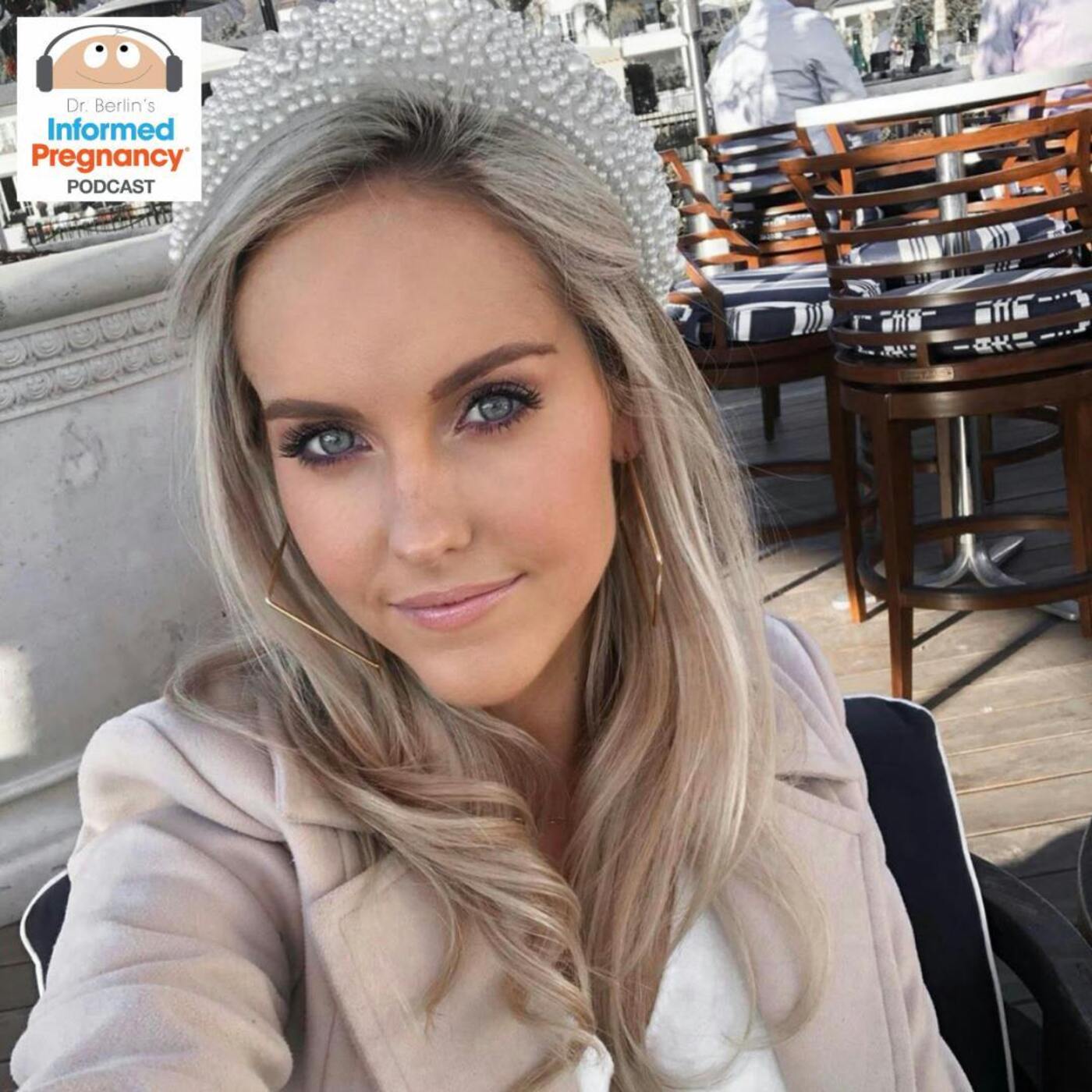
Due just as the pandemic was crashing in, Faith Hartley tried to switch her plans from hospital to home birth at the last minute. However, at her last OB visit the doctor was concerned about her findings and pushed for induction. Wanting a healthy otherwise unmedicated birth, Faith opted for induction without pain medication and joins us to share her story.

Learn more about your ad choices. Visit megaphone.fm/adchoices
See Privacy Policy at https://art19.com/privacy and California Privacy Notice at https://art19.com/privacy#do-not-sell-my-info.
Key quotes
“First trimester was hell on earth. The worst ever. I was like, I don't know if I can do this. I was so sick. I thought of going to the hospital a few times. I threw up like every few hours, every day till like week 17.”
“So much energy. And I am not a morning person in my normal life. But in pregnancy, I was like, jumping out of bed and I was like going to the gym, not the gym, but I did like bar classes and pilates and stuff. I did it like five or six days a week. And I just, I was like, thank God for the second trimester.”
“my doula had set me onto this book called Iname's Guide to Childbirth in pregnancy. And it literally changed my whole pregnancy for me. Like at the beginning, I was terrified, literally was like, how do people not give birth? Like, what's the other option? Can they knock me out? Like, what do you do? There's got to be something else. I was freaking out.”
“well, I've seen people not get it. I said, with pitocin? And she said, yeah, I have seen it. It's not that common, but I've seen it. And I was like, oh, and then I just decided that I wasn't going to go in there with like that fear mindset. Like I was going to like take that control back again a little bit, you know? And who knows if I was going to actually have an epidural or not, but I was going to go in there with the same mindset that I had planned on having for my home birth. And I was going to give it a go.”
“I bought the kit, I bought the hose, I was getting her to bring the tub. I'd always wanted a water birth and this was like my dream come true. And I just thought like, this is the universe. I meant to read that book, the pandemics, to get me ready for this, you know, home birth during the pandemic, like this is all falling into place. Everything is like perfect.”
Related episodes
- Ep. 174 Ildiko Ferenczi – Birth Story
- Ep. 254 Anastasiya Kukhtareva – After Birth
- Ep. 268 Anastasiya Rul – After Birth
- Ep. 209 Katie Lunger Lilly – After Birth Journey
Transcript
AI-generated transcript with speaker labels — may contain errors, especially names and medical terms. Dr. Elliot Berlin, DC appears in blue; Faith Hartley in orange.
Download PDF of the Transcript
Dr. Elliot Berlin, DC [0:55] Welcome to the Informed Pregnancy and Parenting podcast. I'm your host, Dr. Elliott Berlin. As I was preparing for this episode, I realized that I was introduced to today's guest for the very first time, just as the novel coronavirus was hitting the United States. She was imminently due with her first baby and looking for midwives to support a sudden change of plan to home birth. And I came down with an awful case of COVID-19 and was hospitalized just days later. Spoiler alert, I made it and she did not have time to switch plans. She ended up being induced into labor but opted to do it without an epidural. I've had the pleasure of getting to know her over the past few months and she's
[2:15] a continual source of inspiration. Faith Hartley, welcome to the podcast.
Faith Hartley [2:19] Thank you very much for having me.
Dr. Elliot Berlin, DC [2:21] I really got to know you by several accidents. One is my office screwed up one day and you had an appointment and we didn't have you in the books. And so I was like, oh, maybe I can help you. And then I wasn't supposed to be the one to see you, but I really lucked out in getting to know you.
Faith Hartley [2:35] Yeah, you gave me a free consult and also some ice cream, some vegan ice cream to take home. So I was actually had a great day.
Dr. Elliot Berlin, DC [2:43] Amazing. Well, we'll try not to screw up, but at least it turned out well. I think that's the first time that you were seeing one of the other doctors in And she's like, hey, can you help this girl find a midwife who will take her at the very last moment? So before we get to that, let's go to the beginning. You're obviously based on your accent alone. I can tell you're not from this side of the, I don't know, you're from down under. You're from over there where my best friend lives. I think I told you, Karen Milo Koala.
Faith Hartley [3:09] Yeah, the upside down. So I moved to the U.S. like four and a half years ago and first moved to Boulder to be with my boyfriend, who is now my husband, and we moved to L.A. a year and a half ago. And the U.S. is home now.
Dr. Elliot Berlin, DC [3:26] Welcome home. How did you guys meet?
Faith Hartley [3:29] We actually met at one of my favorite bars in Sydney called Icebergs. It's where I always swore I would meet my husband. And then we reconnected at Coachella. And you know, since then, we basically have been together ever since.
Dr. Elliot Berlin, DC [3:43] I heard he spilled wine on your shoes.
Faith Hartley [3:46] He did. He threw into my designer shoes with the red wine and, you know, swore by me and you when I told him not to worry about it. And he just had heart eyes after that.
Dr. Elliot Berlin, DC [3:56] Oh, you know what? I never tried that. That's a great pick up idea. So you kind of moved around a lot though before you came here, right?
Faith Hartley [4:04] Oh, yeah. I've lived in different places. I was traveling a lot. Australians like to get around. So yeah, I thought I would test out a few cities before I, you know, jumped over the pond.
Dr. Elliot Berlin, DC [4:16] What were you doing in the different cities?
Faith Hartley [4:18] Well, I grew up in Brisbane and then when I was young, I lived in Japan. I went to school in Japan, but that was just like a few months here and there. Every year I would go. But then I moved to Sydney just to get out of like where I grew up. And then I spent a bit of time in Melbourne, just having fun for the most part. And then when I finally moved to Boulder, that was for my husband. We decided to move to New York for a while. We went back to Boulder and then we ended up in LA.
Dr. Elliot Berlin, DC [4:43] Sounds very much like a witness protection program.
Faith Hartley [4:46] How did you know?
Dr. Elliot Berlin, DC [4:48] Darn it. Now you have to move again. So were you thinking babies after a while of being together?
Faith Hartley [4:56] I was thinking babies. He was not. really like that into having babies, but ever or at that time, no, I mean, I think he'd resigned himself to being a bachelor. I mean, he didn't even really want a dog. We got a dog and the dog, you know, the best thing that ever happened in his life ever. He's obsessed with her. So I knew it would be like the same thing with babies. He just like needed a push. So we did end up deciding to have a baby and we actually got pregnant like the first time that we tried. So no way. Yeah. I know it doesn't happen that way for a lot of people, but, and I didn't actually expect it to happen that way for me either. I was resigned to like trying for a while.
[5:36] Yeah, it happened a lot sooner than we really planned for. How did you find out you were pregnant? Well, I was like dying to get pregnant. And so I took a test, but I took it like way too early. And so I thought I wasn't pregnant and I was just like so devastated and upset and I was like, I'm never going to get pregnant. I knew it because you didn't get pregnant the first time. I know it's ridiculous. And then, you know, a few days went on and I was like, oh, I think I should take the test again. I'm like a few days late and yeah. And I was, and I just was over the moon.
Dr. Elliot Berlin, DC [6:08] Oh, how did you break the news?
Faith Hartley [6:11] It was not very subtle. I broke, I was on the phone to my girlfriend and then I was texting my husband. I was like, where are you? Um, and he said, I'm walking home from the office. And so I just like, I never do this. I never go and meet him, but I ran down the street to meet him. He was like, oh, this is like a nice surprise. And I just basically ignored him until we got home. I couldn't answer one question. And then he closed the door and I was like, what do you think? And he just goes, you're pregnant.
Dr. Elliot Berlin, DC [6:36] Was he nervous about it?
Faith Hartley [6:38] I don't know. Whatever he was, he was exactly what I wanted him to be. He was very supportive. And he was like, I'm so excited for you.
Dr. Elliot Berlin, DC [6:47] Very nice for you.
Faith Hartley [6:50] I was like for us, but that's fine for now.
Dr. Elliot Berlin, DC [6:52] You could dip your toe in and get comfortable later. How was pregnancy for you? How are the different trimesters?
Faith Hartley [6:59] First trimester was hell on earth. The worst ever. I was like, I don't know if I can do this. I was so sick. I thought of going to the hospital a few times. I threw up like every few hours, every day till like week 17.
Dr. Elliot Berlin, DC [7:15] Oh my goodness. That's really intense.
Faith Hartley [7:17] And I had to go to Australia in the middle of it all. And I did not think I could get out of bed to do it. And my doctor gave me some stuff to help me with the nausea, but yeah, it was intense. It really, really, really sucked. And I just, I was like, I don't think I can do this again.
Dr. Elliot Berlin, DC [7:31] Okay. So I mean, you're a pretty fit, healthy person. You take really good care of yourself.
Faith Hartley [7:35] Yeah, I try.
Dr. Elliot Berlin, DC [7:37] And I have no idea how nausea and vomiting chooses who it's going to target and who it isn't, who's going to just have a light case and who's going to have all day every day, who's just going to have a first trimester and who's going to go halfway through the pregnancy. I mean, the way you describe it, it almost sounds like hyperemesis throwing up all, you know, all day, every day for 17 weeks.
Faith Hartley [7:54] If I didn't have this drug that my doctor gave me and it didn't work, I mean, I was still nauseous, but I didn't throw up as much. So throwing up every day, I would have probably said the same thing. That hyper…
Dr. Elliot Berlin, DC [8:07] Emesis.
Faith Hartley [8:08] Right. I don't think that that stops if you have medication.
Dr. Elliot Berlin, DC [8:11] Yeah. So for most people that like they take it and doesn't touch it, you know, sort of like when somebody has searing back pain and they take a lot of Advil and it doesn't make a difference. You're like, okay, that's not one of the male back pain. I mean, was it hard to stay nourished and hydrated with all that nausea and throwing up?
Faith Hartley [8:28] I did. I mean, I started eating bread and I never eat bread. I ate white bread. I just ate anything that wouldn't make me feel sick, which turned out to be obviously junk food, which is just the opposite of everything I normally try to do. So actually the first trimester, my nutrition was not great. Probably for the first time in a long time. Yes, exactly. And like the rest of it, the pregnancy, I was amazing. I was like very good, but yeah, no, the first one was a writer.
Dr. Elliot Berlin, DC [8:54] Hmm. So, you know, somewhere around 17 weeks, the nausea went away. Did you feel, a lot of people describe the second trimester as like the golden trimester, just lots of energy, feeling good, happy. Was that you?
Faith Hartley [9:07] So much energy. And I am not a morning person in my normal life. But in pregnancy, I was like, jumping out of bed and I was like going to the gym, not the gym, but I did like bar classes and pilates and stuff. I did it like five or six days a week. And I just, I was like, thank God for the second trimester.
Dr. Elliot Berlin, DC [9:25] And when did you start to show? Did it take a while for you?
Faith Hartley [9:29] Yeah, I just started to show at 25 weeks of like a little bit of a bump. So yeah, it did take a while.
Dr. Elliot Berlin, DC [9:36] How tall are you?
Faith Hartley [9:37] I am 5'9".
Dr. Elliot Berlin, DC [9:39] Yeah, so you're on the tall side and also just very fit legs. I think if you have strong abs, then it takes a little while for especially the first baby to kind of peek through and show itself.
Faith Hartley [9:49] Yeah, that's what I kept hearing. But I mean, I actually wanted to show early because that's like half the fun. Show your bump and I was like, what's happening? Am I really pregnant?
Dr. Elliot Berlin, DC [9:58] Well, you'll like it next time. you usually show earlier faster. You'll have that. I mean, you were excited to show off the bump. Did the body changes for you? I mean, were you excited about them all the way through, even as you got
Faith Hartley [10:11] bigger? Yeah, I've always really liked being, like, slim. And so, for me, I was, like, very surprised that I took putting on weight so well. I think because I knew it was a temporary thing and it was the way it was meant to be, but I just loved it. I loved my boobs were bigger and, you know, I didn't mind, like, putting the pounds on, which was a
Dr. Elliot Berlin, DC [10:33] nice surprise. I mean, did you see it in other places, besides what you mentioned, and your belly? Or, I mean, I didn't know you before pregnancy, but you look like you swallowed a basketball. I mean, you just look like you had a belly in an otherwise not pregnant body.
Faith Hartley [10:49] Well, yeah, I mean, but for me, I was even skinnier than that. So, I was a lot for what I'm used to. So, yeah, I mean, that's what I kept hearing. But for me, when you know, when you know yourself, I definitely put on weight in places I didn't
Dr. Elliot Berlin, DC [11:02] happen before. Okay, cool. So, then third trimester, especially in the later part of third trimester, some people kind of say gets a little first trimester in terms of the energy going down, or maybe the nausea sneaking back in. How was your third?
Faith Hartley [11:18] Yeah, I mean, it was pretty good up until about 30 weeks. And then, you know, everything just started getting like my back started hurting, my hips were getting tight. I was told I had to stop exercising. They thought I might have had low growth, like a growth restriction.
Dr. Elliot Berlin, DC [11:37] Oh, I OGR?
Faith Hartley [11:38] Yes, I had a single artery. And so there were like a few things that came up in my pregnancy. And she wasn't growing as fast as they wanted her to. So they said you need to stop exercising because I was still feeling like so good. And I wanted to be really, really fit for the labor because I wanted to like have a great labor. But yeah, I got told I had to stop doing that. And then, you know, I was just sitting around in my back, you know, I mean, it just gets harder and harder and harder. Like things hurt and I wanted a massage every day.
Dr. Elliot Berlin, DC [12:06] We could have arranged that. The single umbilical artery, just to sort of, in case people don't know what that is, the umbilical cord usually has two orders in one vein. Sometimes it has one artery in one vein. It's a variation. It doesn't necessarily mean anything, but together, if they see it together with slower growth, they sometimes take a more cautious approach.
Faith Hartley [12:29] Well, that, and I also had a little dot on her heart. And so the thing about like pregnancies, like these things can mean something or they can sometimes mean nothing, but you just have the knowledge now and all you can do is worry about it.
Dr. Elliot Berlin, DC [12:46] Yeah, I just worry all the time anyway. So pregnancy would just put me over the top. I want to find out because we're almost at the point where I got to meet you for the very first time and this crazy pandemic hit let's take a little break. We'll be right back and talk all about it.

Dr. Elliot Berlin, DC [15:24] Welcome back to the Informed Pregnancy podcast. We're talking to Faith Hartley. Towards the end of your pregnancy, sort of unrestricted activity, and I'm pretty sure the first time I really came in contact with you was leaving you a message about midwives who might be willing to take you at the very end to switch to home birth. What was going on there
Faith Hartley [15:43] for you? So the pandemic had just hit, and I was about three and a half weeks off delivering. So, you know, I was like 36 and a half weeks pregnant. And there was a lot of like information going around that some hospitals were not allowing in, you know, they were restricting the people that could be in your birth room. And so it was, you know, down to two people could be in the birth room, and then it was down to one person. So, you know, I had a doula and all of a sudden my doula is out. She can't come to the hospital with me. And I was like, okay, that's not great. You know, I hired her as support and now I'm freaking out a bit. And then there was rumors going around from doctors that, you know,
[16:22] they might cut down to zero. So you might not even have for me, my husband to be in the room with me. And that was just not going to happen. I was freaking out about that. So my doula had set me onto this book called Iname's Guide to Childbirth in pregnancy. And it literally changed my whole pregnancy for me. Like at the beginning, I was terrified, literally was like, how do people not give birth? Like, what's the other option? Can they knock me out? Like, what do you do? There's got to be something else. I was freaking out.
Dr. Elliot Berlin, DC [16:56] After you got pregnant before you read the book?
Faith Hartley [16:59] Right. Correct. Yeah.
Dr. Elliot Berlin, DC [17:00] You didn't want to have anything to do with the birth?
Faith Hartley [17:02] No, I wanted a caesarian, but I wanted to be knocked out. And I wanted all the drugs. I was freaking out. Like it was setting me into a sheer terror moment. And so.
Dr. Elliot Berlin, DC [17:12] Hold on a second, because curious mind. So you're a very fit person. Are you a natural person,
Faith Hartley [17:18] generally speaking? I am generally natural, which is why this was like, so hard for me to deal with. Because I mean, I just heard all the negative stories about birth and it freaked me out. All I ever heard was when things went wrong. And I didn't want to deal with all the pain everyone kept going on and on and on and on about. And so I started like freaking out. And then anyway, so I hired a doula because I didn't think I could do it on my own. And she told me about this book that I read. It's called Inna Mae's Side to Child Birth. And it basically is a whole bunch of stories of women who go to this farm in Tennessee and these very, very experienced holistic midwives,
[17:54] taking these women to give birth in the most nurturing, loving, supportive process. They fully trust the body. They trust the process. They don't rush you, but they have all the medical equipment in case you need it. But it's just about empowering like the birth process. And so, you know, this pandemic hit, and I just read this book and I was feeling so empowered going from not wanting to give birth myself and have a c-section to going like, I don't want to do this with any drugs. I'm so excited. I can't wait to feel a contraction. I can't wait to breathe through it and like just fully experience the whole thing. So I had already started wanting to have been on the
[18:36] path of doing a home birth, but I was too far along. You know, it's too late in the process for me. But when the pandemic hit, I just said, there's no way my husband's not going to be there. And I spoke to my doula and she was like, I think I could get you in touch with a good midwife in time and she might be able to switch you over. So that's when I was reaching out to her and I reached out through you to another midwife about switching at the last minute. So now you're like 37 weeks. Yeah. And that's not normally like something that
Dr. Elliot Berlin, DC [19:07] midwives will do, but they were being really supportive during the pandemic. Absolutely. And so first of all, that's a crazy 180. And I sort of kind of feel like it's probably because you are so natural in your approach to healthy living that deep down inside it, it seems like you probably would have wanted that. There was just a lot of fear on top of it.
Faith Hartley [19:29] I definitely wanted it. And at one point when I was doing my, I did a degree in natural medicine and nutrition and I wanted it back then, but I sort of forgot all the points. And then, you know, by the time I got pregnant, I was far gone the other way. And I was like, no, just give me the drugs. And was your husband okay? Was he on board with home birth as well? In the beginning, he wasn't, he didn't say no, but he definitely did not feel comfortable, but he sat through the, you know, He was there for every doula appointment and I read him parts of the book and he was there through the process and he saw the way that the pregnancy ended up going with all the
[20:08] natural pieces that were coming in. And by the end he absolutely was on board and he was like, yes, this is right. This is what you want. This is what you should do. You know, I totally support it.
Dr. Elliot Berlin, DC [20:18] And then you were able to find midwives who would take you.
Faith Hartley [20:21] Yes. I found a midwife recommended by my doula and through you, both of them, I only ended up going with a different one because she was closer to me, but they took me. You know, I was ready. I bought the kit, I bought the hose, I was getting her to bring the tub. I'd always wanted a water birth and this was like my dream come true. And I just thought like, this is the universe. I meant to read that book, the pandemics, to get me ready for this, you know, home birth during the pandemic, like this is all falling into place. Everything is like perfect. I was so excited. I wasn't going to give birth in a hospital. I was like fantasizing about this thing.
[20:57] It was amazing.
Dr. Elliot Berlin, DC [20:59] And then what happened?
Faith Hartley [21:01] And then, well, it was pretty late in my pregnancy. So I had a few things come up with my obstetrician. They're just numbers that weren't going in the right direction. And I just wanted to kind of two time my midwife with her permission and keep going to see my obstetrician, just to check on a few things that she was scanning for, and I was just going to go to one last appointment just to check that my fluid levels were doing okay. Cause they started to go a bit down. And my midwife said, just be aware that, you know, some obstetricians like to, that she might ask you to give birth when you go in, cause it'll be a 39 week appointment. And I said, Oh no, no, no, no.
[21:35] My doctor last week told me she was definitely going to let me go over. So she won't do that. And anyway, I get to my appointment at 39 weeks on the dot, which she asked me to come in early for, and as soon as I walked in the door, she goes, so are you ready to have a baby today? And I was like, what? No, what do you mean have a baby today? Like that's not what we talked about. And she just goes, well, we'll see what we see. I was like freaking out. Cause then at this point, I just felt like I'd lost my trust in her because I felt like she's just pulled the veil off at the last minute. And I just saw really what she was planning on doing the whole time.
[22:15] That's what I felt. She ended up finding that my fluid was lower and she just said, you've got to go to the hospital right now. Like, this is it. You cannot wait. You can't even go home. This is like serious stuff. I mean, I didn't not believe her, but I wondered, she'd already told me she wanted to go to the hospital to have a baby that day. I didn't know if she was just being overly cautious just to get to what she wanted. So, um, I was pretty upset and I was freaking out and I didn't know what to do and I called my midwife and you know, went through it with her. Ultimately I decided to go to the hospital and like do the induction, which is what she wanted just because it was COVID and I didn't know.
[22:58] I knew that day they were allowing fathers to be in the room. I didn't know tomorrow if I had to go in it anyway, if they were going to let fathers in. So I went to the hospital. I did go home first. I did not, like she said, cause it was such an emergency situation. I went home, I had a shower, I got my food and then I packed my bag. The essentials. Yeah, it definitely was, I mean, I was bawling my eyes out. It was the opposite of the situation I thought I was going to be in. And I felt like all the power that I had was being taken away from me again.
Dr. Elliot Berlin, DC [23:34] It's kind of tough, you know, it's such a back and forth for you, you know, you originally wanted a very medicalized birth, interventional birth. You came full 180 and then you were thrust back into it. And this is, do you remember what day you went into the hospital?
Faith Hartley [23:49] Yeah, it was a Monday, Monday, the 23rd.
Dr. Elliot Berlin, DC [23:52] 23rd of March. So it's literally as everything is coming down. We're probably in the hospital at the same time to come to think of it.
Faith Hartley [24:00] Oh really?
Dr. Elliot Berlin, DC [24:00] Yeah, cause I think I came in on the 24th, the next day.
Faith Hartley [24:04] Oh wow, that's a good thought.
Dr. Elliot Berlin, DC [24:06] Yeah, I was there, sending you whatever positive energy I had left. I mean, you know, this is also before they had any idea how to treat COVID and I have some preexisting conditions out of pretty awful case, like I think all we had was hydroxychloroquine. So I took it day one and things crashed. I got rushed to the ICU. I took it day two and literally stopped breathing that night. And then I took a day three and I finally turned the corner, but that's also the first time they gave me the Cozy Shack vanilla pudding. So I don't know which one worked. I still have one Cozy Shack vanilla pudding a day, just prophylactically, so I don't get it again.
[24:42] Anyway.
Faith Hartley [24:43] So crazy.
Dr. Elliot Berlin, DC [24:45] Yeah, it's just occurring to me now. We were there at the same time. I was also bawling my eyes out. So I might've been tapping into your energy. I don't know. Do you remember when you got in, like, did they check your cervix? Were you effaced? Were you dilated? Are those details still with you?
Faith Hartley [25:00] She checked my cervix before I went to the hospital. I was 2 centimeters dilated and 80% effaced Oh, so things were already moving. Yeah, she said I was pretty primed for labor. So I I mean that was something but they told me I was gonna have to get on pitocin and
Dr. Elliot Berlin, DC [25:18] The Foley balloon. Okay, so we'll take a break in a minute and talk about that. I just wonder do you remember? How much amniotic fluid you have?
Faith Hartley [25:29] It was just above five. I don't know if it's point five five Like five point eight or something. It was just above it But it wasn't the actual number where there's a I don't know the exact word for it
Dr. Elliot Berlin, DC [25:42] But so the way they usually measure it is called the AVI the amniotic fluid index So on the ultrasound they make a horizontal line and vertical line that creates four quadrants they look for the biggest pocket of fluid in each quadrant add those four together and It's usually on a typical scale at the end of pregnancy somewhere You know between seven or eight on the low side and 24 on the high side So it sounds like you were just under that but maybe she was more worried because it was trending down Was it going down each time down and it was going down?
Faith Hartley [26:12] I think a little bit faster than she would have liked but it was only a little bit above the number that There's a name for the condition and that's where you absolutely have to go to hospital and it was just above that number Maybe it wasn't five
Dr. Elliot Berlin, DC [26:26] Yeah, it's probably oligo hydromino which is Fairly big or just to break it down oligo means few so less than we want Hydro is fluid and amniose is the amniotic fluid. So when it's too low, it's oligo hydromino So it's too high they called poly hydromino. All right, your body naturally is on your first baby doing stuff already It's like you're already a facing dilating on your own. It sounds like you're getting close and You go in for induction, let's take a little break and find out how that goes down. We'll be right back Welcome back to the informed pregnancy podcasts. We are talking to faith Hartley Okay, so you go in and they talk about a balloon
[27:17] So no server Dell, which is the one that they usually give you to ripen you you're already effaced and ripe They talk about a balloon and talk about pitocin. So do they do the balloon first?
Faith Hartley [27:27] Yeah, they did the balloon first and I was begging them not to do the pitocin because you know I've read about that and I didn't want that so I did the balloon first and
Dr. Elliot Berlin, DC [27:37] How was the balloon because so essentially what's happening here is they do almost like a pelvic exam But they're introducing with the fingers They're introducing this catheter that has a little balloon head on the end Since your cervix is already open a little bit like a centimeters of Cheerio your two centimeters So they can get it into the other side and then they fill it with fluid so that it starts to expand to four centimeters, but on the other side of your cervix on the uterine side of your cervix and I've heard people say that Even just placing it felt horrible to them and other people say it's not much worse than just a regular pelvic exam
[28:12] And then once it's inflated I've seen every response under the Sun from nothing really to a lot of pressure to a huge hormonal release to a massive Onslaught of contractions. How was it for you?
Faith Hartley [28:26] So yes, they placed it and I don't know exactly what happened, but my blood pressure crashed I Just started like they were talking to me and I just started going in and out and was like something's wrong something's happening I thought something was happening with the baby So I started panicking and freaking out and you know that she started I don't know I don't even know what she did to get my blood pressure up, but she did a bunch of stuff and Eventually, I came to but it was hot cold sweats, and I thought I was dying and it and then it was so painful
Dr. Elliot Berlin, DC [29:00] What kind of pain like you're talking about from the balloon
Faith Hartley [29:03] Yeah, the balloon was I mean it was painful going in and maybe that's what set me off It was like the most intense Pelvic stat exam period pain combination ever and I was like, oh no Oh, this is what laborers like like no, give me that for drill right now Like I'm done had they already offered you an epidural before doing I had gone in and I and said I don't want Epitosis because they don't want the epidural. I made a big scene about not wanting the epidural and then one minute
Dr. Elliot Berlin, DC [29:36] Were you connected to an IV Yes, I had to be connected to an IV. So I wonder if they just pumped up your fluids to get your blood pressure going Yeah, I know you didn't end up getting that epidural. So how did you talk yourself off the cliff?
Faith Hartley [29:51] I mean, I still had a sense of humor throughout the whole thing So I said it as a jerk and my husband laughed at me because he knew I much more to time and then that, but I like to sort of pretend I'm going to cave in. And he just looked at me and he was like, are you really going to get the epidural now? You're five minutes in. And I was like, no, all right. I won't. And at this time, your doula is not allowed in there with you physically, right? She couldn't come in the whole time. And I wasn't going to call her quite yet because, you know, I wasn't having any contractions and I was doing okay. I had decided to like turn my mindset around once again, because of this book, one of the nurses was
[30:30] coaching me through my crying. And she, I just, I just don't want to get an epidural. And she said, we don't have to. And I was like, what do you mean you don't have to? And she said, well, I've seen people not get it. I said, with pitocin? And she said, yeah, I have seen it. It's not that common, but I've seen it. And I was like, oh, and then I just decided that I wasn't going to go in there with like that fear mindset. Like I was going to like take that control back again a little bit, you know? And who knows if I was going to actually have an epidural or not, but I was going to go in there with the same mindset that I had planned on having for my home birth. And I was going to give it a go.
Dr. Elliot Berlin, DC [31:07] I've seen people be induced with no epidural, but not on the first kid. Oh, really? Yeah. And so it's just pretty rare, which is like, when you told me you did it, I was like, what? And I thought it's really important because I think it's a common misconception that if you're going to be induced, you must have an epidural or some other pain relief. And you may want it and you're welcome to have it, but it doesn't mean you have to have it. So you ended up starting Pitocin as well? Yeah. So they started Pitocin halfway
Faith Hartley [31:33] through the foley balloon. And you know, the foley balloon came out faster than they thought. I think I was progressing quite well. Yeah. So it's usually four centimeters
Dr. Elliot Berlin, DC [31:43] big. So when you get to four centimeters, it comes out. Yeah. They said I would be
Faith Hartley [31:47] there for about four hours and I was there for an hour. Oh, that sounds like you. I wanted to get it done. I wanted to get in and out. Did you have to wear a mask the whole time? No, I don't know if they're doing that now, but you did not have to wear a mask. It was like pre-mask. It was so new. The pandemic was so new. It was back
Dr. Elliot Berlin, DC [32:07] when they were like saying, don't wear a mask. If you're wearing a mask, you're taking it away from the doctors. Right. And it was before the cloth mask came out. That's true. Cause even I was there again at the same time, the nurse would come in very infrequently and she apologized. She's like, I'm only going to come once or twice a shift unless you need something because we don't want to run out of PPE, like the disposable gowns and the masks and everything that they needed to put on, which I totally understood. But you know, you're already alone and with no nurse coming in, it's just me and Netflix. So, yeah, at least I had Netflix. Oh my gosh, that's horrific. I watched Tiger King.
Faith Hartley [32:45] Oh, so did I. We were watching that at the same time too.
Dr. Elliot Berlin, DC [32:47] In the hospital. That's so funny. Yeah. It made me feel better. I was like, I'm almost dead, but I feel better now that I see it's not as bad as these guys. And then I had my pudding. Okay. Back to you. So you start with toast and now at four centimeters. Did the balloon give you contractions? Were you contracting? I was not feeling contractions at that point. So how did your body react to pitocin?
Faith Hartley [33:11] You know, it took a couple of hours and I just thought I would, you know, everybody always said, get some sleep. So I just thought I would get some sleep. My husband was already passed out. So of course I just like, fine, I'll, I'll try and sleep too. So I slept for a bit and then, you know, I woke up and I could feel a little bit and I was like, oh, maybe that's a contraction. And they just, you know, they got stronger and stronger, but it was like, I don't know. I felt like it was going too slow. And so I just like really wanted to keep things into gear. So I just channeled my, my in a May child guide to child birth book. And I just wanted to do what like I read about
[33:45] the women doing. I wanted to do all like the stuff they did. So I got up, I got my husband up and I got up like the yoga ball and I just wanted gravity to like start to take over. So sat on the yoga ball and I was doing like my hip swivels and within like maybe two minutes, I physically felt the baby do a sudden drop and it hit me like this huge wave. And I was like, Whoa, something's happening. It was crazy. It was such a weird feeling. And then, you know, I threw up immediately and I had hit that like next level. It's probably transitional, you know, the next phase of labor and things like, that's when I was like bending over the bed, moving like a cow. Like my husband was like, what is happening?
[34:31] I'm going to call the doula.
Dr. Elliot Berlin, DC [34:34] First of all, they say you can puke a centimeter.
Faith Hartley [34:37] Oh, is that right?
Dr. Elliot Berlin, DC [34:38] Yeah. Yeah. After I told somebody that she's like, bring me my least favorite food. I need to puke a centimeter, but you were just riding the waves. I mean, surely you felt the intensity of the surges at that point.
Faith Hartley [34:52] No, I mean, it was insane. Like I went into a whole other world and I just like shot everything else out. And I just. started trying to remember what my doula told me and she did some really good points. One of them was when you think of like your contraction, think of it like you only have to get to the first half of your contraction because it's like a mountain. You get to the peak and then you go downwards. So you're only struggling, like not struggling, but you only have to really ride the wave until you get to halfway through and then it gets easier. And that was so much easier for me to like get my head around. So I only counted halfway through my contraction and then I was like, okay, now we're good.
[35:30] We're good. We're good. Things like that just like really helped me breathe through it. She was on the phone. She was helping coach me. She knew exactly when I was getting to my peak and she would be like in there, you're there, you know, and it was really amazing. Just like FaceTime. It wasn't FaceTime. She was just on the phone. Oh, wow. That's incredible. Yeah, she was very helpful. So, you know, she, she told me, I think you should get in the shower. So I got in the shower and she's like, you should get the peanut ball. So I sat in the peanut ball and I did that for a little while. And I remember that she said to me, don't tell the nurses that you're ready to push until you really, really cannot feel your body holding
[36:10] it in anymore because you risk somebody telling you to push a bit early and then you'll weigh yourself out. I really held on to that and maybe a little bit too long. Well, I'll find
Dr. Elliot Berlin, DC [36:22] out what that means in a minute, but I do see that difference at home, you know, where oftentimes the midwives won't coach you on pushing. When you feel like it, you start and that's it. And if you're asking for help, then they might guide you a little bit. But generally I just love when they just leave it to you and you feel the instincts and you start grunting and you start pushing and you just do it on your own. Nobody tells you how to push or how long to push or when to push. In the hospital, it just seems more trendy to, as soon as you get to 10 centimeters to start guiding you to pushing. And so you see sometimes people push for three or four
[36:54] hours with very little progress. And sometimes they end up going off for a cesarean because nobody thinks that baby will come out. But I always wonder, what if we waited? Like there seems to be a gap between getting to 10 centimeters for a lot of pregnancies, for a lot of births, and before you feel like a strong urge to push. And I kind of feel like if you cut that out, if you just wait till you have that big urge to push, unless there's reason, like some sort of medical urgency, then I bet you can cut down the
Faith Hartley [37:21] pushing time a lot. Yeah. And nobody checked me except when I first got to the hospital, they put the folly balloon in. They never ever checked me again until I got to the point where I was like, like my daughter said, you ask them to check you. Like on the phone tour, I like whispered, I was like, my body is pushing for me. Oh, that's the best. She was like, Hey, this is when you tell, you don't need to hold it anymore.
Dr. Elliot Berlin, DC [37:49] Oh, and then they checked you again right there.
Faith Hartley [37:51] Um, well, no. So then I told the nurses, I said, Oh, I feel like my body's pushing the baby out on its own. And I don't think they really thought that that's what was happening. I think they thought I was calling it about early and I think maybe that's like common. They were like, okay, well we'll get you on the bed. Cause at this point I'm still in the shower and so they put me on the bed and they're like, well, we'll find a midwife. We can't really find a midwife. There's like no one around. Uh, we'll check you. Oh boy. You're 10 centimeters. Wow. You're ready. You're ready to go. And then they were like, well, we can't find a midwife. And I had
[38:24] written like a list of things that I wanted throughout my pregnancy that my doula helped me write. And one of them was like, I wanted only attending positions. They were like, uh, is it okay for residents? I was like, whatever. I don't care. But you were doing it yourself that all they had to do was come and catch. I honestly felt I didn't care that there wasn't anyone around. I felt it's very strange to say this, but I felt totally capable of doing it on my own. And my doctor was nowhere near being able to come or make it for the birth. And I felt actually very good about that. I was much happier having the women and the people on staff that were with me. And yeah, it was like bring on a resident.
Dr. Elliot Berlin, DC [39:02] I'm good. Let's go. Let's do this. You know, it's only half weird. It's weird in today's environment where birth is so medicalized, but I spent a decent amount of time watching other animals give birth and they always do it by themselves. And I think that women are just very hard wired to be able to grow a baby, deliver a baby, feed a baby without a lot of help from other people. So it's not how our society is set up, but I don't think it's a weird sentiment at all that when you got there, you did everything on your own. I mean, you had some help getting the contractions going, but you really did all the work on your own. And just knowing you actually
[39:37] doesn't surprise me at all that you felt like I can probably just do this with nobody. Yeah. How was pushing for you?
Faith Hartley [39:44] You know, because my body had, I think had probably been pushing on its own for like 10 minutes. I was trying to like hold it in. I was like pretty prepped to go and I was pushing in under 10 minutes. I mean, my doula was was there, but mostly I thought I was screaming. My husband put the phone down, asked him to put the phone down on record just so that I could hear like the birth. I didn't want to see anything, but I wanted to hear what was happening in the room. And you know, I mean, it started to get like to a point where I didn't think I could handle it anymore. And I actually did call for the epidural.
Dr. Elliot Berlin, DC [40:22] Oh, really?
Faith Hartley [40:23] Yeah, I did. I was like, no, I can't, no. One thing I forgot to mention was my doula said, I said, this is too much, because contractions are coming on way too strong. I can't handle it at this level anymore. And she goes, Faith, I think you're progressing really well. Ask them to turn down the pitocin. I was like, hey, you can turn down the pitocin. Yes. I was like, what? And so I asked them and they turned it down. I felt so good about that. I still felt like I was like, had a little bit of control over it. And so, yeah, when I was pushing, my doula was like on the phone and she was coaching me through it and the waves were still crashing quite hard.
[40:59] And I don't know how she knew this, but she goes, open your eyes. Open your eyes. Stop going so far deep inside yourself. Because I think I was losing control a little bit. She was like, be present. And so she like helped me calm down and helped me like breathe through the pushing because I started to like get a little bit stressed. And yeah, three real pushes and she was out.
Dr. Elliot Berlin, DC [41:21] Wow.
Faith Hartley [41:22] Yeah.
Dr. Elliot Berlin, DC [41:23] That's crazy. Again, on your first baby. Well, I think curious minds will want to know, did you feel the ring of fire when the baby was coming through you? Because you were unmedicated. I started screaming stuff. Okay. Just for like a minute or?
Faith Hartley [41:39] I felt like my, not my doctor, but whoever was helping cash the baby was in there doing something. And I thought it was them stretching me out. And I just like, whatever you're doing, just stop. Yeah.
Dr. Elliot Berlin, DC [41:54] Sometimes they do try to massage you out a little bit so you don't tear. Or that was actually the baby, but you know, who knows? That's a phenomenal birth story. You know, we're almost out of time, but in a nutshell, I'd love to know how was your recovery? How was feeding and how was motherhood go?
Faith Hartley [42:12] Recovery was fine. It was pretty easy. I felt pretty normal quite quickly. Feeding was the worst challenge ever. A lip tie, breastfeeding was hard. I'm still breastfeeding, but it was hard for a while. But I mean, everything else was good. I had a really good aftermath.
Dr. Elliot Berlin, DC [42:30] You know, in retrospect, if you have another kid, did you learn things from this experience that will shape your plans for next time?
Faith Hartley [42:37] A hundred percent. I will not go to an obstetrician next time because from the beginning of my pregnancy, things came up that could have been something, could have been nothing, but like it just like brought out this whole fear cycle within me. And I just had to keep going to get more information to try and clear my, like clear the past thing they found, you know, but they always found something new. And I was stressed in that regard. I was stressed the whole time because I was just going to see if they could find something else wrong with the baby. And there's nothing really much you can do anyway. And I just want to have a natural birth. I don't want to know all of the things
[43:13] that could potentially ever go wrong and just like take out that stress and that fear the next time.
Dr. Elliot Berlin, DC [43:20] I sort of feel like if you were that much more comfortable in the shower, you'll probably be amazingly more comfortable in the bath.
Faith Hartley [43:26] I've always dreamt about having a water birth. I'm the happiest person ever. If I'm in pain, if I'm sad, I go on the water. So yeah.
Dr. Elliot Berlin, DC [43:34] Amazing. You're an amazing person. That was an amazing story. Thank you for sharing it with us. And there's other amazing things that inspire me about you that we've talked about, but maybe they could be a whole nother episode. Who knows? You're entering the world of influencing. Where can we find you online?
Faith Hartley [43:50] I'm on Instagram and my Instagram is at Faithy Heart.
Dr. Elliot Berlin, DC [43:54] Faithy Heart.
Faith Hartley [43:55] Yeah.
Dr. Elliot Berlin, DC [43:56] H-E-A-R-T. Oh, amazing. Well, I'll be looking for my daily dose of inspiration. Thank you again for joining us at home. Thanks for listening to the podcast. If you like what you're hearing here, join us on our website at informedpregnancy.com or on Instagram at Dr. Berlin. D-O-C-T-O-R-B-E-R-L-I-N. Who's I got a?
Want more pregnancy + parenting? Start your FREE TRIAL of Informed Pregnancy+ and get access to all our curated pregnancy and parenting content — original series, iconic birth films like The Business of Being Born, prenatal workouts and more.
