
March 17, 2022 · 73 minutes · Episode 273
About this episode
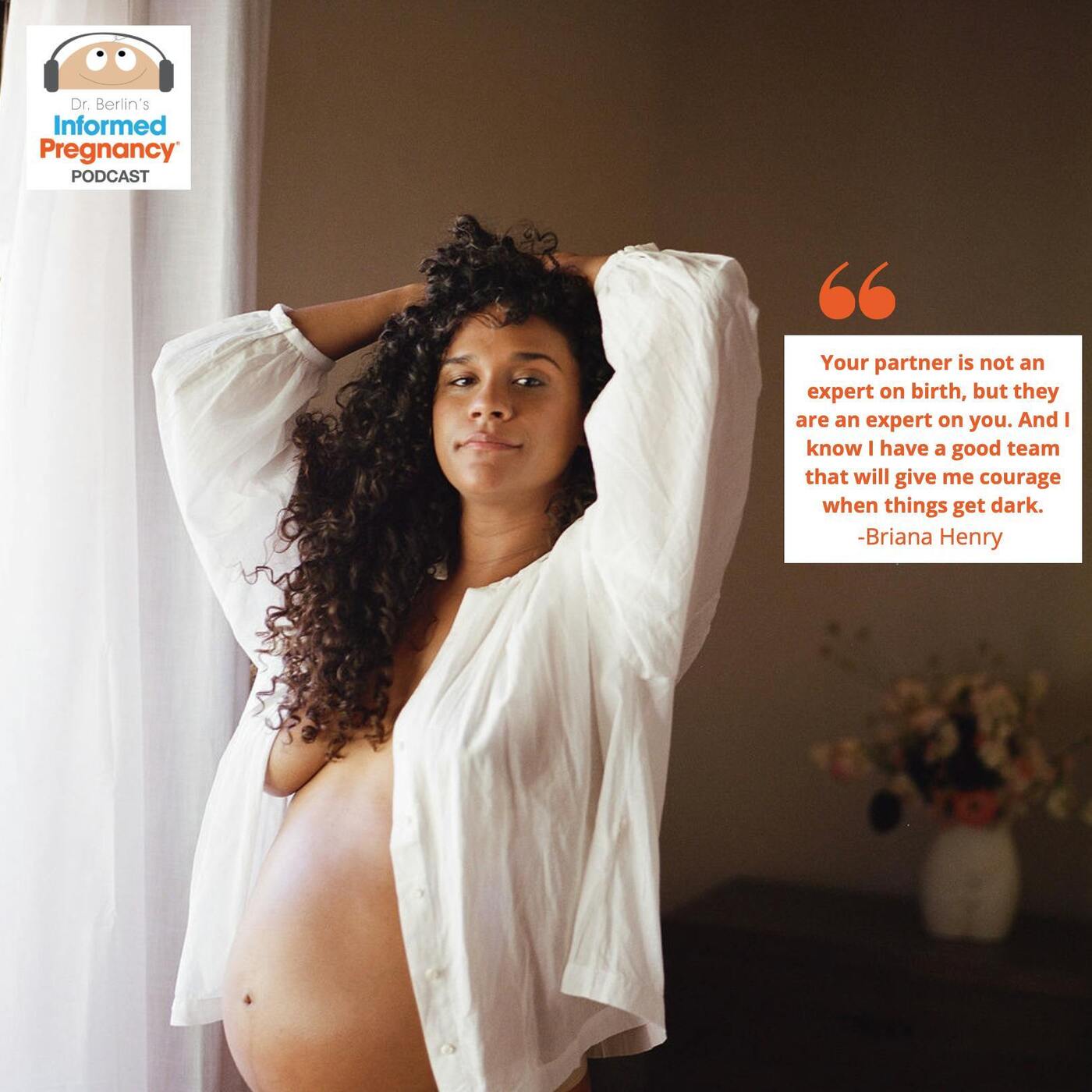
Actress and fitness enthusiast Briana Henry is best known for her roles in General Hospital and The Young and The Restless. Pregnant with her first, Briana talks candidly about her mid pregnancy ‘incompetent cervix’ complication, the cervical cerclage procedure and the resulting challenges with intimacy as well as physical and mental health as she prepares for birth and motherhood.

Learn more about your ad choices. Visit megaphone.fm/adchoices
See Privacy Policy at https://art19.com/privacy and California Privacy Notice at https://art19.com/privacy#do-not-sell-my-info.
Key quotes
“But I will say I think that getting the surclash was probably one of the most terrifying things that I've personally had to experience. And I think in part, it was just because of the circle. stances in which it all went down. It was all very fast. It was just all very fast and a bit scary.”
“You know, I decided a long time ago that I just needed to be chill about it. even bleeding into the teens. And then one day I was like, you have to stop this. Like, this is enough. Like you're going to need to do this. I got to find my thing. If that's one thing off my list, just by saying, you know what, you're done.”
“I had been working out, you know, four to six times a week for the last eight years of my life. And before that had been an athlete my whole life. So moving is like my medicine.”
“And it feels a little bit like pushing a boulder up a hill and then having to deliver a baby once you get there. I was like, that might be what it feels like towards the end. Yeah, like literally,”
“that the superpower of having experienced depression for so many years is that I know what it is and that I can at least not be overwhelmed by like, what is this sensation? Cause it's like, oh, my old friend, like over acquainted.”
Related episodes
- Ep. 274 Briana Henry – After Birth
- Ep. 230 Laughter Yoga with Jamie Poster
- Ep. 77 Jackie Seiden Before Birth
- Ep. 296 Alessandra Torresani – Before Birth
Transcript
AI-generated transcript with speaker labels — may contain errors, especially names and medical terms. Dr. Elliot Berlin, DC appears in blue; Briana Henry in orange.
Download PDF of the Transcript
Dr. Elliot Berlin, DC [1:13] Welcome to the informed pregnancy and parenting podcast. I'm your host. Dr. Elliott Berlin today I'm talking to a fitness fanatic and actress that most recently appeared on my favorite show General Hospital and who was diagnosed with a Incompetent cervix one of my favorite terms 20 weeks into her first pregnancy And she's an amazing human being one of my other favorite things is that that she doesn't have a TMI button There's nothing she can't talk about Brianna Henry. Welcome to the podcast
Briana Henry [2:05] Very happy to be here and you're very pregnant. I am very pregnant. That is very true
Dr. Elliot Berlin, DC [2:12] Pretty soon. You're having your first kid Let's go back to being you're a whole bunch of cool things in one little package. Where are you from originally?
Briana Henry [2:19] So I'm originally from Miami, Florida and I moved to LA 11 years ago Welcome. Thank you
Dr. Elliot Berlin, DC [2:27] I'm probably among the first to say that around here
Briana Henry [2:31] I'm so happy to be here I feel like LA is just a I don't know a more Exciting version of Miami, which is hard to believe because a lot of people think Miami is pretty exciting. But yeah
Dr. Elliot Berlin, DC [2:42] I don't know that much about Miami I went there recently and I had to take a kovat test to get there and they only let you in if it's positive
Briana Henry [2:50] Oh, yeah, that seems like a thing there. Actually, it's a Florida thing
Dr. Elliot Berlin, DC [2:56] But it does seem like a happening place and LA is a happening place but maybe with less humidity
Briana Henry [3:01] Yeah, I would say my hair got significantly better when I moved to Los Angeles
Dr. Elliot Berlin, DC [3:06] Which I was really grateful for mine started falling out, but I think it's It would have anywhere
Briana Henry [3:12] So welcome to LA what brought you this way? I actually went to USC to get my BFA in theater I was really excited about being a Trojan and they had a great theater program And so I was like that is I was actually really dramatic about it I sent in some auditions and auditions for a couple of other schools While I was going to and after my USC audition, which was my first audition I told my mom that if I didn't get into USC I was not meant to be an actress and so I didn't go to any of my other auditions Oh, wow. I very luckily got into the program. So I worked out It was pretty terrifying now that I look back on it I was very Unprepared, you know, like people work with like coaches and stuff to get into college programs and it's just kind of me
[4:00] I think I like worked with maybe my high school drama teacher once or twice and did my monologues for her But you just do a classical piece and a contemporary piece and you go in front of this incredibly intimidating board of professors at USC and it was actually the audition was in New York and You do some monologues Wow, it sounds like monologue American Idol it is that's exactly what it is show idea. Yeah
Dr. Elliot Berlin, DC [4:25] Look at that interesting Well, you did it. I mean so you get to pick your monologues
Briana Henry [4:31] Yeah. Yeah, you get to pick your monologues. Do you remember you picked? My contemporary was like this really weird random play that like I was playing a detective and I to this day Can't understand why I did it and my other monologue Oh I think it was Midsummer that I did I I honestly don't remember anymore. I think cuz I was shocked that I even got in Kind of things that are recorded.
Dr. Elliot Berlin, DC [5:02] Can we dig them up? You know, if they're recorded, they never gave it to us. I'm going to go dig it up on the freedom of information act or something.
Briana Henry [5:11] Yeah.
Dr. Elliot Berlin, DC [5:11] You should like, you can probably Google that and find it on some. Yeah, you can Google anything. I'll put it on my TikTok just as a warning to anybody who's going to look for it. I don't have to talk. I had to delete mine. It was sucking up too much life.
Briana Henry [5:25] I think after, uh, what's that little one with the ghost?
Dr. Elliot Berlin, DC [5:29] Oh, a Snapchat. Now, Chad, I think Snapchat came along and they were like, yeah, you're too old for social media now. Everything after that. I couldn't even figure out how to use Snapchat and I'm afraid of ghosts. So it wasn't my favorite platform. So you come here, you go to USC, but somehow I mean, you're, you're a fitness guru.
Briana Henry [5:51] Oh gosh. That's a really sweet way of putting it. I, I was like a soul cycle fanatic. It was just something that really helped with like my life, my depression, college, and when I was graduating, I was, you know, lost and was like, what do I do? I'm not booking anything. And I was in a soul cycle class and this amazing instructor at the time, the senior instructor called me out after class and talked to me. He was like, do you want to be an instructor? Like, do you want to audition for, to be an instructor? And I was like, no, and he followed up with me like several times. And I finally was like, okay, like, why not? I can keep my body in shape while I audition.
[6:32] And I told them, I was like, I'm an actor. Like that's what I'm determined to do. So as long as this doesn't interfere and they were awesome about it. And let me teach and audition.
Dr. Elliot Berlin, DC [6:42] Did you have to audition to become an instructor?
Briana Henry [6:44] Yeah.
Dr. Elliot Berlin, DC [6:46] Oh, you had mixed your two favorite things.
Briana Henry [6:48] Yeah.
Dr. Elliot Berlin, DC [6:49] What is that audition like?
Briana Henry [6:52] Um, you know, it is like literally like we're in a dark room and you're in front of all the other people that are auditioning. And I think similarly, I think you pick two different songs and, you know, in soul cycle, there's like all these different like rhythms of what you ride your bike. So you have to pick like a fast song and a slow song. And you kind of like coach the group that's in front of you through the song. And because I had just taken so many soul cycle classes, I kind of knew what I was doing a little bit, just from like memory. And I remember if we had any kind of preliminary training before that, I think when you just audition and you come in with your songs and maybe
[7:32] there was like a couple of meetings before to kind of tell us what it was going to be like. And it's interesting. My best friend, Tiffany Daniels, she was in the audition with me. I met her there and she's this, you know, beautiful light biracial. And I was like, you know, in the audition world, you see someone that looks like you like, Oh, there's not enough room for me. And so she went to go audition. I was like, well, there goes my spot and we both got it and my sister now.
Dr. Elliot Berlin, DC [7:59] Um, cause you're doing classes on a regular basis. Is that all you need for working out?
Briana Henry [8:06] I mean, if you're being healthy about it now, like you should probably be doing a more full body workout because they're, you know, you do the same workout over and over and over again, your body just gets so adapted to it that you're not actually really growing or expanding. So I was probably in the best shape physically, but I was just getting wrecked. Like also I was, I think I went to the emergency room three different times the last year I taught because I'm also immune compromised and I just don't think my body had enough time to like catch up or I was teaching like, you know, anywhere from nine to like 13 classes a week.
Dr. Elliot Berlin, DC [8:43] Holy cow. That's incredible. In all your classes, has anyone taking your class ever toppled over on the bike?
Briana Henry [8:52] You know, I had no medical emergencies in my classes. I don't think I had some like professional football players. Sometimes they would come in that looked real on the edge, which was really surprising always. Cause I'm like, you guys do way harder stuff than this, but there's something about a soul cycle bike that just like really messes you up.
Dr. Elliot Berlin, DC [9:11] I feel like I might be the only one who's ever done this, but I was like on a fitness kick, lost a little weight, started to move around a little bit. I looked in the window at my gym and they were doing a cycling class. It wasn't soul cycle. And I was like, okay, tomorrow I'll try that. And it's a multi use like function room. So they do kickboxing in there. They do all sorts of stuff. So the bikes are in the corner. You're going to like, go grab one and line it up. And then she's like, I don't know why she took an interest in me and she's like, come on, I'm out of the saddle. And she's yelling at me faster, faster, faster. And my bike starts wobbling side to side.
[9:48] And I'm already kind of embarrassed because I'm not the exercise class kind of guy. I was just getting into fitness and I'm socially awkward. I always assume everybody else in the class, like knows each other. And I'm the outsider and I don't want. to like look bad. So I'm up out of my saddle and all of a sudden my bike topples over to the side. Oh, yes. And I'm a big guy, big fall, huge boom. I'm like sort of mortified, but and I don't blame her for this. I don't blame her. But what happened was like when I went down, she gave off this huge laugh into that little microphone. So it's just like, yeah, like magnified for everyone to hear that laugh. I do it too. Like
[10:28] if something startling happens, even if it's bad, I don't know why my reaction is just a laugh, a loud laugh. And it's gotten me into trouble many times. Like I can't control it. It's not that it's funny. It's just my relief. That's it. Instead of like, I giggle. My mom does the same thing. I get it. Yeah. I one time accidentally closed the trunk of our car into my wife's head and I just laughed. And, you know, it was a lot of repair work on the road. I was going to say like, how much time did you have to put in to repair that one? Yeah. So I haven't been back to a cycling class since that happened. It can be tragic for some people. Yeah. I got rid of soul
[11:08] cycle and just picked up Krispy Kreme. And it's pretty delicious. I live right by a donut friend and I'm there way too often. That's what I'm saying. That donut kind of reminds me of the wheel of the spin bike. It's about the same. It's a little triggering actually sometimes. Okay, gosh, I'm going to run out of time because you're amazing. So a few more things before we go to the meat of the issue. You have a husband.
Briana Henry [11:31] How'd you meet? We met on Bumble, the dating app. Yeah, very strange. Did you go out with other people on Bumble first? Oh my gosh. So many people. I was his first online date ever though. So I was his first and he was probably going to be my last. And I really tried to bail on it. And my best girlfriends pretty much forced me to go on the date because they were just like, he's so cute. And look, he had like on his profile that he went to Juilliard, but he was a florist. And they just thought that was so funny. Okay. Yeah, right. No, I would love that, but he's a composer for a TV show. He's brilliant. He's fun to talk to also. And he's so like chill, but he's so talented.
Dr. Elliot Berlin, DC [12:20] Yeah. Your baby is going to be enormous talent between the two of you.
Briana Henry [12:25] I hope so. I really secretly hope she wants to be like a rocket scientist or something like nothing to do with either of our skills. Maybe she'll play a musically inclined rocket
Dr. Elliot Berlin, DC [12:34] scientist on TV. That would be cute. Especially if she's on contract. All right. So you met on Bumble and then you've dated a lot of guys from there. So what made this one different? Like you really locked it in.
Briana Henry [12:51] You know, I think he was so kind. I was actually still teaching at SoulCycle and I was kind of on the fence about how I was feeling about him. And I got really sick. I got like food poisoning or something. I was throwing up. I had to go home from work. And I think we had only been talking to each other for a couple of weeks. We had maybe had one date and you know, he called me and I was like, I'm really sick. You know, I look like a wet rat. My hair is just like wet from the shower. I'm throwing up and just all kinds of disaster. And he's like, well, I'm going to come over and bring you stuff. And I was like, no, no, no, you don't have to do that. And he was like, no, no, no, I'm going to come.
[13:28] And next thing I know, he like shows up with things that don't even make sense for my symptoms from CVS, just like half of CVS. Puts it all on my desk and fell asleep that night with him and my best friend, like stroking my hair and like rubbing me to sleep. I woke up the next day and I was like, oh, I guess I really take this seriously. I know. Yeah, here we are all married and super pregnant.
Dr. Elliot Berlin, DC [13:54] It's super pregnant with this child. And you're collaborating. Are you collaborating together on a project?
Briana Henry [13:59] Yes. So he was commissioned to write a horn concerto for the LA Phil that just was performed at Disney hall. And yeah, and we accompanied it with a bunch of music from TV shows that he's done that were really moving to him. And he asked me to help him produce and direct them. And so I got my first introduction into directing a bunch of series of short films for the show.
Dr. Elliot Berlin, DC [14:25] Well, that's so cool. You guys are producing a lot this year.
Briana Henry [14:28] Yeah, yeah, yeah. We started a production company called Atoll Studios. I guess it was last year. We had both really been into producing and wanting to make our own content. So we were like, why not now?
Dr. Elliot Berlin, DC [14:39] And now you've reproduced and made some sort of content.
Briana Henry [14:43] We really made some sort of content.
Dr. Elliot Berlin, DC [14:45] Something come and say, how long have you guys been together now?
Briana Henry [14:50] Been together five years.
Dr. Elliot Berlin, DC [14:51] I thought you were going to say five months. I was like, wow, yeah, really fast. Five years. And then was like, maybe something. that you were both interested in early on? It was definitely something we were both interested
Briana Henry [15:04] in. I think we were both really excited about kids and that time of life. She was very unplanned. I would say that, you know, we were being reckless. So, you know, when you're doing that, you're like, Oh, this could happen. But we did not expect it to happen and the timeliness
Dr. Elliot Berlin, DC [15:21] that it did. Okay. Recklessness. But I'm trying to get the thought process. So it sounds like you're saying we knew this could happen and we didn't like go the extra mile to prevent it. So it sounds like you were okay. Like if the universe decided we needed a musical actress or actor, then you'd be okay with it. So does that mean before that,
Briana Henry [15:43] were you not being reckless? You know, I was on birth control until a couple of months leading up to we got married in 2020 in June. And so a couple of months leading up, you know, I have depression. I felt like my birth control was like exasperating it. I had all these other symptoms from taking birth control for years. And so I was kind of like, let me purge, get off this birth control. And, you know, we kind of agreed that maybe when I turned 30, we would start really kind of planning out when to have this baby. I mean, I just turned 30, like two weeks ago. Thank you. And so we weren't too far off the mark, but we kind of had a conversation and we were just like, all right, you know, if we continue in this way,
[16:31] we could get pregnant. How do we feel about this? And we were both like, we're okay with it. Like, I don't think it's going to happen. But, you know, you always hear people be like, yeah, I had to try for so long. And, you know, we did this and who would have thought that, you know, really like, I think we were really reckless. Like, I don't know, the year and a half that I was off birth control, maybe three times. And this one stuck.
Dr. Elliot Berlin, DC [16:54] Oh, look at that. Why would you think you wouldn't get pregnant?
Briana Henry [16:59] You know, I think that my mom, both of our moms, I had quite a journey with their getting pregnancy journey. And so, you know, I think both of us kind of were under the interpretation that it may take some effort. We might have to, you know, investigate if we could, how we could. Yeah, like medically, like, I don't think either of us thought it would be super easy because both of our mothers had a hard time, like getting pregnant, staying pregnant. And we were both just cautious. We were mentally preparing ourselves and emotionally preparing ourselves that it could be quite a journey, especially like we have so many friends and things you read online of people that really have to invest
Dr. Elliot Berlin, DC [17:46] time and energy into making it work. Yeah. Well, with that in mind, how did you
Briana Henry [17:52] realize you're pregnant? When I realized I was pregnant, I was only four weeks pregnant. And yeah, I'm really in touch with my body. I feel like I can tell the second I'm getting sick. I just knew something was kind of off and I was spotting. And even though I had been on birth control for too long to be spotting at this point, and even when I was on birth control, my periods were super regular. When I got off birth control, my periods were still super regular. And so it was strange that I was spotting for a couple of days.
Dr. Elliot Berlin, DC [18:27] Four you expected your cycle or after? Because if you were four weeks,
Briana Henry [18:33] Oh, okay. So just leading up to them pretty close. I was leading up. It was like pretty close. I may have been a little under four weeks and Chris had just left out of town to go do on a project that he's working on to go on a road trip. And I took a test like super casually and left it in the bathroom, like went to go walk my dog, completely forgot about it. And then kind of went back and picked it up. And it was like pregnant. I was like, Oh, wow. And I just kind of like sat there for a second and like, did some like deep breathing. And I FaceTimed him. And I must have looked just shocked because he was like, Are you okay? And I was like, I don't know.
[19:18] He was like, what's going on? And I was like, and I showed him the test. And he just started crying. He was so, he was like, Oh my gosh. And I'm sitting there like, you're happy. Like, are we happy? This is crazy.
Dr. Elliot Berlin, DC [19:37] Had you taken tests before? Like after other reckless tests? Oh yeah. So you expected it
Briana Henry [19:42] to just be negative like the other ones. I mean, like, I'm like a paranoid freak. I think I was taking pregnancy tests before I was having sex. Like I was just always like
Dr. Elliot Berlin, DC [19:51] thinking I was pregnant. I guess you wouldn't be the first one. Yeah. Maybe the second. All right, Brianna, let's take a little break. We have a lot of important stuff to talk about because 20 weeks into your pregnancy, you found out there's a potential complication or issue, and you keep throwing around this depression word. You don't sound like you're a depressed person. Obviously, it's something you've struggled with for a while, and that always means some highs and lows. And pregnancy and parenthood could have contributing factors there as well. So we're going to talk about it all. We'll be right back with Brianna Henry.

Dr. Elliot Berlin, DC [22:56] Welcome back to the Informed Pregnancy Podcast. We are talking to Brianna Henry. Okay. Let's talk about this. You have an idea on birth. We'll start there because then we'll see how your pregnancy curve balls affect that one way or another. So what was your thought, your plan? I want to have this baby, you know, there's so many choices at home, in the hospital, more medical, more natural, even if you're in the hospital with drugs, without drugs, partial drugs, vaginally, cesarean, so many choices.
Briana Henry [23:22] Mm hmm. Yeah. I mean, I think in my head, when I pictured pregnancy, I always imagined I probably have a home birth. You know, I'm kind of, uh, my husband and I are both, I would say 95% vegan since I've been pregnant, I throw my eggs back into my diet and honey,
Dr. Elliot Berlin, DC [23:41] but, um, especially the honey, you're a horrible person. I know I'm killing the bees. Can I make a recommendation right here? People always say, why don't vegans eat honey? And my son, Hootie the foodie has a podcast about it. And it's kind of entertaining and informative at the same time. I don't usually do plugs, but it's called Hootie the foodie, H-U-D-I, the foodie, F-O-O-D-I-E. Look for the episode with Kate Meir, who's a vegan. And they have a really wonderful conversation about it. Okay. But, uh, now you're, you're being a horrible person. You're having, uh, honey and eggs.
Briana Henry [24:18] I have a monster. Yeah. And I mean, I try to do, you know, as, as ethical as I can, but I keep telling Chris, we need to get a chicken so that I can love the chicken and feel like we have this like equal exchange that's going on. But that's another story.
Dr. Elliot Berlin, DC [24:33] When you say we should get chicken, when I said we should get chicken, it's not the same. It's not the same. I don't know. Mine is on post-max.
Briana Henry [24:42] And so Chris and I both like, you know, are pretty eco-friendly, socially aware of our impact on the environment and all of these things. And more than anything, I just think that medicine and hospitals are not really my favorite place. My stepfather was a paraplegic. He had an accident when I was. eight or nine and you know, I spent a lot of time in and out of hospitals with him and it just, it was not my favorite place growing up. And so I kind of never imagined that my pregnancy would be in a hospital, but because of this unexpected situation with this short cervix of mine and my cervical sirclage that I had to get at week 20, and it kind of just pushed me a little more
[25:28] into that direction. As well as having some preliminary tests even before the sirclage that kind of put my platelets into question. They weren't super low, but they were low enough where I've had to monitor them throughout my pregnancy just to make sure that they were staying at a healthy level. And so it's been kind of recommended that it makes sense for me to give birth in a hospital.
Dr. Elliot Berlin, DC [25:49] Okay. Your platelets just came in low. You didn't have that before pregnancy as far as you know?
Briana Henry [25:55] I actually did.
Dr. Elliot Berlin, DC [25:57] Oh you do?
Briana Henry [25:57] Yeah.
Dr. Elliot Berlin, DC [25:58] Nobody would ever guess your thrombocytopenic because of all your personality.
Briana Henry [26:02] Thank you so much. I will take that. I've never had any real signs of it being an issue, but other than this one test that I took in 2017 where my platelets were kind of wonky. And then when I got pregnant, I went to go get my platelets done and my primary was like, you should go see a hematologist just in case. I think that this could be affected by pregnancy and maybe be an issue for you, which it truly hasn't been. I believe that stuff kind of like lived around like 117 for the most part, 116, but they've been monitoring it.
Dr. Elliot Berlin, DC [26:38] And in pregnancy, has it stayed stable?
Briana Henry [26:42] Yeah, it actually has. It's like fluctuated a couple of numbers, but nothing that's close enough to them being alarmed by me having to have any kind of surgery or anything like that.
Dr. Elliot Berlin, DC [26:52] And we mentioned the sirclage. So your cervix you found was short. I mean, at 20 weeks, who's looking at the cervix?
Briana Henry [27:01] So I was seeing my specialist, Dr. Kalil Tabish and my OB, Dr. Samsa Mercy. She kind of recommends that you see the specialist before there's even an issue. I think it's just kind of a precautionary thing. And I think I saw him at 12 weeks and everything was fine. And then I went back at 20 weeks and he was like, oh, your cervix is a little short. That's something we should definitely keep an eye on.
Dr. Elliot Berlin, DC [27:27] On an ultrasound?
Briana Henry [27:28] Yeah, he actually did a, I think it was a transvaginal ultrasound because he was trying to do an external ultrasound on my stomach and couldn't really see my cervix. So they had to do a transvaginal ultrasound. And he was like, yeah, your cervix, I think, I want to say my cervix was 2.3 centimeters when I saw him. And I guess what's normal is why I think it's above two, five, but up to like four or something like that.
Dr. Elliot Berlin, DC [27:54] Very close.
Briana Henry [27:55] Yeah, so very close. And he was like, okay, so this isn't something to totally be alarmed about yet. He was like, let's prescribe you some progesterone suppositories that you'll insert vaginally for the time being. And we'll see if your cervix, I want you to come back every week for the next couple of weeks to see if your cervix significantly shortens or if it kind of stays the same. And so I had an appointment, I think about a week later and my cervix had shortened to 1.6 centimeters.
Dr. Elliot Berlin, DC [28:24] Oh, well, that is not close.
Briana Henry [28:26] Yeah, it was a jump. And so he was a little alarmed by the jump, called my gyno and she was kind of like, you should do the circlage. And he was like, you should do the circlage. And he was like, can you do it tonight? And I was like, can I figure out what to do with my dog for a week?
Dr. Elliot Berlin, DC [28:44] Oh, such a responsible pet owner.
Briana Henry [28:47] I really try. She's, you know, I've kept her alive for almost eight years. I'm really on a roll. And we scheduled it for the next day. And yeah, and I got that bad boy put in there.
Dr. Elliot Berlin, DC [29:00] The bad boy. Had you had trans vaginal ultrasound before that?
Briana Henry [29:05] I have actually, I had one, I thought I would maybe had endometriosis because I've had really painful periods off and on throughout my life. Once I went on birth control, they stopped. But prior to that, I was having painful periods and my OB has actually known me since I was like 18. And so, yeah, I've actually known her, I think before I was even on birth control. And so she ended up doing a trans vaginal ultrasound. I think then, but I think that might have been the only time that I had had that.
Dr. Elliot Berlin, DC [29:35] Okay, two questions in my mind. One is after you stopped birth control, did the painful periods come back?
Briana Henry [29:42] They didn't.
Dr. Elliot Berlin, DC [29:43] Oh, that's wonderful.
Briana Henry [29:44] I had more cramping for sure, but they actually weren't as heavy or as painful as they had been prior to. And maybe that's because I was young and my body was like acclimating. I don't know.
Dr. Elliot Berlin, DC [29:56] On a scale of one to 10 for you. how comfortable or uncomfortable is a transvaginal ultrasound?
Briana Henry [30:06] If uncomfortable is 10, I would say it's only about a four or four and a half.
Dr. Elliot Berlin, DC [30:16] Not too bad.
Briana Henry [30:17] Yeah.
Dr. Elliot Berlin, DC [30:18] I mean, everybody perceives them differently and they're probably also practitioner skill. But I know that when we talk about things like putting in a Foley balloon and other things like that, some people are like, ah, it was no big deal. And other people are like, it's the worst thing I ever felt in my whole life.
Briana Henry [30:34] Totally. I mean, even with the cerclage. I was doing so much research trying to understand what the hell it was when they told me about it. And I think the recovery time for most people was like two to three days. And I felt messed up from that for like a week.
Dr. Elliot Berlin, DC [30:50] Well, let's talk about the cerclage. They're basically sewing your cervix closed. And I don't know much about them, but you did mention recently that there are a couple of different kinds.
Briana Henry [31:02] Yeah. So the two that I'm familiar with the McDonald's from my understanding is the most common kind. And then there's another one that to my understanding is a bit more invasive and it's a shared car. I'm sure that's how you pronounce it.
Dr. Elliot Berlin, DC [31:17] Oh, it sounds like a fast food restaurant and a fancy like French cuisine.
Briana Henry [31:23] Yeah.
Dr. Elliot Berlin, DC [31:24] With like a Chevrolet outside or something. Yeah. The French one is going to be a lot more intense when you get the bill, especially. OK. So are there pros and cons to each and were they presented to you like to make a choice? Hey, which one do you want?
Briana Henry [31:39] You know, I have to say, I do wish that that was I think because of the urgency in which the procedure was wanting to be had. I didn't feel like I was as thoroughly walked through what it was going to be like, per se, and what my choices with the Sir Claus were. I do wish that that had been communicated a little more clearly to me, even maybe during the procedure as well. But I am an avid reader and researcher. So I kind of had an idea of what was going to happen and what it was going to be like. I know that the shared car Sir Claus, because it's a bit more extensive from my reading of it. It seems like you can actually keep it in for multiple pregnancies and having cesareans to remove the baby.
[32:32] That's kind of an interesting fact about that one that I read on the Internet.
Dr. Elliot Berlin, DC [32:36] And that's the one you've got.
Briana Henry [32:38] So what was interesting is I actually I don't know if it was because I was drugged and couldn't remember or what it was. But I actually don't know if I was ever totally informed of which one I was getting. And so I actually today kind of probed and was like, which one did I get, by the way, because with the McDonald, a lot of the time you can go into to get it removed. You just go in as an outpatient at your OB's or your specialist MFM's office and they can actually remove it in the office. And it's painful and uncomfortable, but it's nothing that you can't handle. What it seems with the shared car, you often have to go under anesthetic because it can be very painful.
[33:21] And so I was told that to my understanding, Dr. Tavish, part of his renownedness and part of the reason why people come from all over to go to him. It's because his surpluses have quite a reputation of being highly successful. And I think he kind of does his own flair on the surpluses, a combination of the two or exactly what it is. It hasn't really been explained to me. I know that I have to be under anesthesia to get it removed.
Dr. Elliot Berlin, DC [33:50] So you were under anesthesia to put it in?
Briana Henry [33:53] Yeah. Yeah. I had to get a spinal in my.
Dr. Elliot Berlin, DC [33:56] Oh, so you were awake.
Briana Henry [33:58] I was awake. Yeah.
Dr. Elliot Berlin, DC [33:59] But you're numb from like the chest down.
Briana Henry [34:01] Yeah.
Dr. Elliot Berlin, DC [34:02] Did you feel anything happening?
Briana Henry [34:04] You know, I could feel like a banging sensation. And I think that's more like sonically, I could hear what was like happening. So I don't know how much of that was like, I could feel it or I could just hear that there was something. I was also sitting there imagining what he was doing the whole time. That's what I would be doing. You know, I was like, is this the part where he's like stitching the cervix? Is that like, oh, what is that? So, you know, I was kind of trying to suss out what was happening down there. I could feel pressure. That was mostly what I could feel. I could definitely feel that he was in there.
Dr. Elliot Berlin, DC [34:38] I mean, you have depression. Do you have anxiety?
Briana Henry [34:41] You know, I do have anxiety. I would say my depression is a little stronger than my anxiety. But I will say I think that getting the surclash was probably one of the most terrifying things that I've personally had to experience. And I think in part, it was just because of the circle. stances in which it all went down. It was all very fast. It was just all very fast and a bit scary. And, you know, Dr. Tatters has so many patients and because he's a high risk MFM, like he has a bunch of people that are needing things from him. And he had checked me into the hospital, I think I had, I got checked in at 11 and, um, was supposed to have my procedure around
[35:22] like four or five, I think. And I didn't end up having the procedure until one o'clock in the morning because he had a, I think it was an emergency cesarean and another delivery. So it pushed my procedure back quite a few hours. So I hadn't eaten for over 10 hours.
Dr. Elliot Berlin, DC [35:41] Oh, you can eat before that one, even though you're awake.
Briana Henry [35:44] Yeah, I guess just because it's still, um, some form of epidural or, you know, spinal that's going into the spine. They don't want you to eat. I always thought it was just general, but.
Dr. Elliot Berlin, DC [35:55] Had you ever had a spinal before? No. Oh, okay. Surgery. Oh, no surgery. Well, right. This is kind of like a pretty minor surgery. I mean, is that no, I guess it's minor. I mean, I think the added element of having to get the spinal makes it feel not as minor, but I would say the recovery time is not typically super long. So, uh, we have a whole episode also on anesthesia for mostly for labor and delivery with Dr. Mark Zikowski, different types of epidurals and spinals. And he kind of explains the difference between a spinal blocking and epidural. You know, with the help of Google, I'm going to try to see the pronunciation of that. Sure. Quash that you got there.
[36:38] Let's see what it says here. The following pronunciation is Shirodgar. Shirodgar. Shirodkar. That's a way fancier than the way I was. Shirodgar.
Briana Henry [36:51] So you got a mix between McDonald and Shirodgar.
Dr. Elliot Berlin, DC [36:54] From my understanding. You got McRodgar.
Briana Henry [36:57] Exactly.
Dr. Elliot Berlin, DC [37:00] Tab McRodgar. The Tabish. I don't know. Okay. You got something. What was the spinal like for you getting it?
Briana Henry [37:07] Oh, man, it was weird. I think it brought up a lot of like triggered feelings, mostly because my stepfather, like I had mentioned, was a paraplegic. So I think the idea of like, I spent so much of my childhood with him, not feeling sensation in his legs and, you know, this traumatic experience of like losing sensation from the waist down. And so I think that there was something psychologically that was very like unnerving for me to have to do that. But it just felt like a lot of pressure. The actual like injection in my back, it wasn't too bad. The anesthesiologist was so, so nice and like really comforting, actually.
Dr. Elliot Berlin, DC [37:44] Oh, that's wonderful. They're supposed to be comforting. Are you like a needle person, like, like them neutral, hate them?
Briana Henry [37:51] You know, I decided a long time ago that I just needed to be chill about it. Like I used to cry every time I got a shot when I was like young, even bleeding into the teens. And then one day I was like, you have to stop this. Like, this is enough. Like you're going to need to do this.
Dr. Elliot Berlin, DC [38:06] I need to try that on some things about myself.
Briana Henry [38:10] That's like maybe one of the only things that's worked for me.
Dr. Elliot Berlin, DC [38:13] I got to find my thing. If that's one thing off my list, just by saying, you know what, you're done.
Briana Henry [38:21] So I don't love needles. I was really scared about the spinal, but it mostly just felt like a lot of like pressure, like people like sitting on your back. The second they kind of put it in you, and then you just start to lose sensation in your legs. And that's freaky.
Dr. Elliot Berlin, DC [38:36] And then afterwards, once it wore off, you said the recovery is like a few days.
Briana Henry [38:42] Yeah. I think they say it's supposed to be like two to three days. I felt pretty messed up for like a week. What does messed up mean? Well, the next morning after the procedure, I just was throwing up. Yeah. I think it was like a combination of antibiotics that I had to take because of the procedure and not having eaten for so many hours in a row. There was at least one nursing shift, like rotation. So I think that there wasn't all great track of like what I was eating when I was eating. And so I think that I just went way too long without food to have all that stuff pumped in me. And like I said, I don't know the last time I took antibiotics,
[39:23] it's been years. And then I had hydrocodone after the procedure for pain. And I'm pretty sensitive to medication and you know, I like couldn't feel my legs when I came out of the procedure. I was just like in so much pain and the nurse was like, you know, what do you want? Do you want this medication or hydrocodone? And I was like, well, which one's going to make me not feel this. And she was like this one. And you know, didn't know that I hadn't eaten for so long. And so I was just so sick. And then days after I left the hospital. didn't take any of the hard drugs that were going to help take away the pain that I could have gotten. Cause I was like, no, I don't want to do that.
[40:06] So I can't remember what I took. It was like Tylenol strength or something and it didn't do anything. And I never knew where my cervix was in my body until after this procedure, I was like, oh, it's right there.
Dr. Elliot Berlin, DC [40:19] It was painful afterwards?
Briana Henry [40:20] It was so painful. It just felt achy. My back ached, I think because of the spinal. I was really itchy after, which is another symptom of epidurals.
Dr. Elliot Berlin, DC [40:31] Like your body was itchy, not like your shoulders.
Briana Henry [40:33] My body was really itchy. I was just in like achy pain. I think I cried for like a couple of days. So sad.
Dr. Elliot Berlin, DC [40:43] Wow, that's intense. And then, so that just lasts for a few days for you?
Briana Henry [40:47] Yeah, it just lasted for a few days. I was pretty terrified to poop, to be honest with you. Cause I was wondering like all that stuff. Yeah, you're not like supposed to, when you get the sirclage, I was told like I could not have intercourse. I wasn't allowed to drive a car for some reason, which I don't know if it's just like, I pretty much put on like low activity. I know, I'm just trying to picture what those two have in common.
Dr. Elliot Berlin, DC [41:11] Right?
Briana Henry [41:12] I'm like, I'm curious.
Dr. Elliot Berlin, DC [41:14] Like I'd like to hear-
Briana Henry [41:16] Drive that kind of intensity. Like some sort of like intense adrenaline. And I couldn't work out at all. I was told I could not work out.
Dr. Elliot Berlin, DC [41:25] No, that's your thing.
Briana Henry [41:27] That's my thing.
Dr. Elliot Berlin, DC [41:28] You're a work outer. Other than driving, the rest of those activities sound like things that help combat depression.
Briana Henry [41:34] They totally do.
Dr. Elliot Berlin, DC [41:36] So is there something you can shift to that kind of takes that place?
Briana Henry [41:43] Yeah, and I think that honestly, I'm still figuring that out and I'm almost not pregnant anymore. I mean, it was really hard. I had been working out, you know, four to six times a week for the last eight years of my life. And before that had been an athlete my whole life. So moving is like my medicine. And it was really, really difficult to not have that as a resource anymore. You know, even prior to the circulation, I had a couple of depressive episodes, but they were fairly light. But I would say the last couple of months, it got a bit heavier, just cause I think I had been on low activity now for so many months, you know, you miss like the intimacy.
[42:25] I actually was told my OB gets a kick out of this because my specialist, Dr. Tabish, kind of told me to steer clear of orgasms.
Dr. Elliot Berlin, DC [42:34] Okay.
Briana Henry [42:35] Cause you know, it contracts your cervix. Yeah, especially while you're driving. Especially while you're driving. And he, you know, told me that it could cause a lot of discomfort and a lot of cramping. And I kind of was just like, I researched my life away and I asked my OB and she was like, you can orgasm. It's okay. And I decided that I just at least had to give myself that if I could not have intercourse with my husband, you know, and that's been difficult too. It's like, I miss him. You know, it's been a long time.
Dr. Elliot Berlin, DC [43:07] But he's not allowed to play a role in…
Briana Henry [43:10] He can. He can play a role as long as, you know.
Dr. Elliot Berlin, DC [43:13] Right, he stays out, but… As long as it's like PG-13-ish.
Briana Henry [43:17] Oh yeah, yeah.
Dr. Elliot Berlin, DC [43:18] PG-13, TV-14.
Briana Henry [43:21] Yeah.
Dr. Elliot Berlin, DC [43:22] I'm a boarder. But the other question is, yeah, so it's not the same.
Briana Henry [43:30] Yeah, no, it's definitely not the same. And I think, you know, it was also a transition of I'm the first of, you know, I have these amazing mom girlfriends that I've kind of started collecting in the past. Really a couple of years, but those relationships have really been deepened after this experience. But of my best girlfriends, I'm the first one to get pregnant. So I think that there was also quite an isolation in that too, that I didn't feel totally like I could be related to. And so I kind of reached out to some of these women that had started becoming moms for, you know, first and second times and found a lot of comfort in some of their experiences
[44:12] and their understanding of how difficult all of this can be.
Dr. Elliot Berlin, DC [44:16] Here's the situation that I have. My situation is I'm feeling a little bit like Joe Rogan right now in the sense that I have so much more to talk to you about, but we're running out of time. So I feel like we should have a fourth segment.
Briana Henry [44:32] I'm down. If we got the time.
Dr. Elliot Berlin, DC [44:35] So we're gonna take a break and go into the third segment and then we're gonna have a bonus segment with Brianna. We'll be right back. Welcome back to the Informed Pregnancy Podcast. We are schmoozing with Brianna Henry and it's the Brianna Henry experience. We're doing the long form today. I like that. Okay, so many things going on here. So if we could recap, you went to school to be an actor and you succeeded. You got the audition down-pad, then you auditioned to be a fitness instructor, then you did that for a while, then you started acting. So how did acting take off for
Briana Henry [46:23] you? So I ended up getting a manager. I think it was my junior year of college and he kind of took me on as a developmental client, which pretty much means that I don't know what I'm doing and he's helping me understand what to do in audition rooms. And I eventually booked Young and the Restless, the soap opera, my senior year of college. And, you know, my program was pretty intense about not working while you were in school, mostly because they didn't want to interfere with classes. And I got so lucky. I was only supposed to be on the show for like two episodes, but they liked the character and they kept me on for 16. And every episode that we shot, shot on the day that I was not in class.
[47:05] Wow. Meant to be. The universe was really, really helping me out
Dr. Elliot Berlin, DC [47:09] there. So are you a soap fan prior to being on one? No, I had never seen a soap before. Oh, well, because it's a very specific
Briana Henry [47:18] very specific. I mean, I think I had seen it in like doctor's offices or like, you know, in and out of the places where soap operas are on every day. But no, I never watched one. And it was a really like intense awakening to like what this industry was because they're fast. They're so fast. They produce them fast or what? Yeah, yeah, you produce them. I mean, there would sometimes be days on general hospital where I would shoot at most like four episodes a day where like you're shooting like chunks of the episodes. You're just like in so many different storylines and it's crazy. I think it's crazy. I was a theater major, but, you know, we did play. So you had like six months to
[48:04] figure out your character and get into it and rehearse or whatever. Great. Like, how could you even really get into it with that speed? Yeah, you kind of just have to commit really hard. I mean, it's so fast. There were days where I was memorizing on a really hard day. I was memorizing sometimes, you know, 50 pages of dialogue a day. Holy moly. That's terrifying to me. Yeah, it was. It was super terrifying. And on Young and the Restless, I was just a recurring guest star. So I didn't have that much responsibility. And after Y&R, I kind of had that like dip where I wasn't booking anything. And I got out of college and I was feeling really confident because I had an agent because of the
[48:45] show and didn't book anything. And then I finally booked a sitcom called Undateable on, I think it was on NBC. Oh, yeah. Yeah. And I was on that for a
Dr. Elliot Berlin, DC [48:54] couple of episodes. Is that around the time you were on
Briana Henry [48:56] Bumble? I might have been. I might have been on Bumble during that time. I was on Bumble for a little while. Kind of off and on. You know, kind of off and on. Dateable and undateable at the same time.
Dr. Elliot Berlin, DC [49:07] Dateable and undateable at the same time. It's like putting a humidifier and dehumidifier in the same room. Exactly. Okay. So how was that? It's very
Briana Henry [49:15] different format. So different. I really loved sitcoms. It was actually so fun. I mean, all those guys are stand-up comedians. So they were just so funny. And I had such an appreciation for the craft of comedy. I ended up taking some UCB improv classes after that because it was just so awesome. And booked a couple of guest stars after that. I did an episode of Insecure and I was on Shameless. And then I ended up booking a series regular for General Hospital, which was my first series regular job,
Dr. Elliot Berlin, DC [49:44] which was awesome. That's so good. Are there things that would come up that would make you nervous? Like, I don't know if I can do that. Oh, yeah.
Briana Henry [49:54] Oh, man. I think that like, you know, my first day on General Hospital, my executive. producer. He's great. All I had to do was like sit in a chair. I had a lot of words on my first day, but I was like sitting in a chair and I had to like pick up a phone and he comes up to me after I've done it like once or twice and he's like, can you sit more gracefully? And I think it's like I was shaking. I was just so nervous because I had never had the weight of like a series regular character on my back before. And I was a recast because soaps are weird and they recast people for like a bajillion years. So the woman I recast had been on the show for like five years and everyone
[50:35] loved her. And fans were just like pissed off that she was leading and it was a lot of pressure. So it took a while for me to win people over. And I think that I just did as I left.
Dr. Elliot Berlin, DC [50:47] Oh, you won me over in like 30 seconds.
Briana Henry [50:49] Thank you.
Dr. Elliot Berlin, DC [50:51] In those soaps, is there any room for ad-libbing or you got to stick hard to the script?
Briana Henry [50:59] You know, I think it depends on who you are, right? If you're like one of the OGs and like the stars of the show, there's definitely a lot more wiggle room for you to kind of do your own thing. But when you are like a me coming in and kind of fresh and green, you try to stay as close to the script as you can. I mean, the writers and our EP were really great about, you know, if you have an issue with any of the dialogue or something, you can kind of chat with them and they'll maybe make tweaks here and there. But they really try to stick to what it is that's being written for you most of the time.
Dr. Elliot Berlin, DC [51:31] Sweet. And then have you been working pregnant?
Briana Henry [51:35] No. So I actually got pregnant, I think it was a month, two months before I left GH. I had already made the decision that I was leaving the show, my contract was up. Then I found out I was pregnant and was like, well, that's interesting. Like I was expecting to be propelled back into the industry and audition my life away. When you're contracted, it's difficult to audition for other things. So I was really excited to get back out there. And, you know, I came home to Chris and I was crying and I was like, should I just resign my contract? Like, I don't know what to do. And he was like, no, like, trust that, you know, you'll have the baby. It's kind of great timing. And we'll
[52:14] figure it out.
Dr. Elliot Berlin, DC [52:17] I mean, it's nice, though, to be able to chill during your pregnancy.
Briana Henry [52:21] It was so nice. And I tried, I was stubborn. I think I auditioned pretty much up until I had the circlage put in, which was five months. And it was just like, impossible. I was auditioning for things. And it was like, oh, you know, the window of shooting is between November and, you know, January. And it's like, I'm gonna look really different from November to January. So you can't book me in this. So we just decided for me to chill.
Dr. Elliot Berlin, DC [52:46] Chill. That's good. And now you're also working on producing. So it's a different element of the industry.
Briana Henry [52:53] Totally.
Dr. Elliot Berlin, DC [52:54] Before we get back into you and your pregnancy and your plans for your upcoming birth, I have one question, an observation, like you have anxiousness and depression. Do you feel like the comedy people have more anxiety and depression than the drama people? Or am I just making that up?
Briana Henry [53:17] Honestly, I just feel like artists in general are prone to like, I just think they're deep feeling people, you know, it seems like there's a lot of comedians that have some heavy things that they're always moving through. But I mean, you can look at like a Philip Seymour Hoffman or Heath Ledger, like all these amazing dramatic actors that were also just so burdened by their minds and, you know, their hearts. And I think that it's just when you're an empath and you're creative and feel a lot, it's sometimes hard to process. That's a very good, fair point. I was just hoping that my
Dr. Elliot Berlin, DC [53:52] anxiety will help me become a better comedian.
Briana Henry [53:55] It probably will.
Dr. Elliot Berlin, DC [53:59] That's great. Because after my COVID experience, I feel very funny.
Briana Henry [54:03] Yeah. You've made me laugh quite a lot.
Dr. Elliot Berlin, DC [54:06] Oh, hashtag mutual. All right, we're gonna get back into your pregnancy. You know, the idea that your legs went numb, and your stepfather had paralysis in his legs. First of all, if we can go back just a little bit. Your parents separated when you were young?
Briana Henry [54:25] Yeah, so my parents got divorced when I was I think I was five. But they're best friends to this day. When my dad comes into town, he often stays at my mom's house.
Dr. Elliot Berlin, DC [54:36] That's so weird.
Briana Henry [54:38] It's so weird. And they're like, you know, it's funny, I can't even really ever imagine them married, because they're just much better off as friends. But yeah, they have a pretty great co parenting relationship.
Dr. Elliot Berlin, DC [54:50] Unmarryable.
Briana Henry [54:52] Yes.
Dr. Elliot Berlin, DC [54:54] So they're good co parents, and then your mom remarried.
Briana Henry [54:58] Yes. married. How old were you then? I think it was a couple of years after her and my dad divorced. So maybe I was like seven or something like that. She's going to hear this and be like, Rihanna, you were this age. Are you crazy? Who are you? Where did you come from? So when she married him, he wasn't paralyzed. No, he got paralyzed eight months after they got married. Oh my, and you were still very young. Yeah, I was still still very young. How did it happen? She was playing basketball at his boss's house in California. And we were living in Miami at the time. And he was on a business trip. And he was going up for a layup and got pushed just, you know,
[55:49] basketball push. And they were kind of playing on this like steep, I don't want to call it a cliff, but like elevated layer that was like 35 feet above the ground below. And there was no fencing, to my understanding. And so he kind of fell through some concrete on his head. 35 feet and broke his
Dr. Elliot Berlin, DC [56:10] back and got a lot of concussions. Wow. Yeah. That's intense. Yeah. So like, with that experience, that trauma for your whole family, and then growing up with everything that surrounds that, it makes sense that you'd be extra sensitive to starting to not be able to feel your legs, use your legs.
Briana Henry [56:35] Yeah. And I didn't even really think about it until I talked to my therapist. She was like, Yeah, Briana, that makes sense. I was like,
Dr. Elliot Berlin, DC [56:45] there's some logic to all this. All right, let's take another break and get to pick up where we left off with your sir cloche. And now that you're getting close, what your plans are like for your upcoming birth, we'll be right back. Welcome back to the fourth bonus segment with our conversation with Briana Henry. And it's the fourth out of at least seven, because she's going to come back after she has the baby and tell us how everything went down. Absolutely. So you have the sir cloche, and now it's time to get it out. You found out that your mix of sir cloche techniques means that you don't really have a choice, right? You got to go another spinal.
Briana Henry [57:34] Yeah, it's been advised to do it with some kind of anesthetic.
Dr. Elliot Berlin, DC [57:39] Yeah. And just like a little injection wouldn't help. It's got to be like the full Monte there.
Briana Henry [57:45] I guess so.
Dr. Elliot Berlin, DC [57:46] Okay. And what do they expect after they take it out? Well, happen? First of all, is there a recovery period from having it removed?
Briana Henry [57:56] Well, they said a couple of days, kind of like the first one, which because it was more than a couple of days, I'm kind of like a mentally preparing for more than a couple of days. But you know, everyone seems really chill about it, which is kind of making me feel freaked out. But they're all like, yeah, the baby shouldn't come like right away. My OB was like, you know, I've never had a sir cloche patient have the baby like right away after getting the sir cloche removed. Dr. Tabish is like, he's gonna be cool. Like everyone seems like I could carry this baby to full term potentially. So
Dr. Elliot Berlin, DC [58:31] I don't want to put this idea into the universe. But I've had several patients with sir cloche early on, like, in that same time zone, early second trimester, that had it removed around 37 weeks or so, and then went to like 41 weeks and they were threatening induction. Really? Yeah. So interesting. You get the excitement on both sides. So who knows, they're going to take it out. They don't think the baby will fall out. You'll be around 37 weeks when they take it out.
Briana Henry [59:02] Yeah, I'll be around probably. Oh, actually, they just scheduled it for this weekend. So I'll be just before 37 weeks. I'll be like two three days before.
Dr. Elliot Berlin, DC [59:13] Okay, so pretty much right at term, the early part of term, no longer preemie. Yeah. And then I have all these questions. Are you allowed to start driving again?
Briana Henry [59:24] I remember Dr. Tabish telling me after I got the sir cloche put in, I was like, how long do I have to have restrictions? And he was like, once I have the sir cloche out, he's like, you can go dancing for all I care.
Dr. Elliot Berlin, DC [59:35] Well, that's not what you were missing.
Briana Henry [59:38] Yeah. So it seems like I can kind of do whatever I want after this.
Dr. Elliot Berlin, DC [59:44] Well, it'd be nice like to have that kind of intimacy with your husband before the baby comes because then it kind of goes on another little break. That's what I've heard. That's what I heard. My wife hired a Brinks security guard to stand by her bedroom door for like three months. Yeah, man. I hear it's like, dude, can you get me my socks? Like, please just pass them to me though. Something. Okay, cool. So that I mean, is that exciting to you that you'll just at least not first of all, the fear of the baby coming early prematurely and then also your ability to kind of resume your activity so you can work out. Yeah, I
Briana Henry [60:21] can work out. You know, it's funny because a couple of weeks, it was like a month a month, a month and a half after I got the sir cloche put in, you know, I'm going to all these appointments and I'm being so annoying. I'm like, so can I do anything? Can I go on a walk? And I like, you know, and like every appointment, they're like, okay, you can go on like a 10 minute walk, you can go on like a 15 minute walk. And so I've been able to go on some walks the past couple of weeks. And you know, when I got the sir cloche out, I told my husband, I was like, oh, we're gonna go on walks. We moved to a neighborhood. I was like, we're gonna walk around. And I walk like 15 minutes and I'm like,
[60:57] like heavy breathing. Yeah, like, I'm not going on these extravagant walks that I thought I was going on. But I'll at least not feel fearful of it.
Dr. Elliot Berlin, DC [61:06] Let's just say I'm not a medical doctor. I have no idea how they make these decisions. But it sort of sounds like, you know, the CDC talking about how long you have to quarantine if you're exposed or with a mask without a mask. But you know, if you're symptomatic or asymptomatic, five days, 10 days, okay, seven days, but it's just sort of like, oh, this is what feels right today. How do we know that I don't believe there's a textbook that says, okay, 10 minute walk is okay today, but you know, and then eventually 15.
Briana Henry [61:36] And I tell you that I think that that is something that I have felt incredibly frustrated by. And you actually put me on to Emily Oster's book. But you know, I've similarly to her felt so frustrated because you have these appointments and, you know, you get it. The doctors are coming from a place of like, they'd rather be on the side of caution. And, you know, for liable reasons for their souls, like for all these different reasons, they're like, we don't want you to do anything to just want you and the baby to get there. Okay. And they deal with so many tragic, you know, ends to these pregnancies all the time, and they just don't want to see it happen
[62:12] to you. But it does create quite a black and white kind of like, I think there's a lot more gray that we could be, you know, making these decisions out of that. I think sometimes the medical world are just not interested in playing with because they just don't want the consequences.
Dr. Elliot Berlin, DC [62:31] And the thing about risk is it's very individual. So I think Emily Oster's point, her book is called expecting better. I think her point is that, you know, just tell me like what the pros and cons are, what the factual data is, what chances are that something will go wrong? And you know, what type of thing would happen? And, you know, if I do this, or don't do this, and then some people would say, Oh, that's something I want to do, and they'll do it, even though there's some amount of risk involved, they don't find it to be risky, or the reward for doing it is well worth whatever risk there may be. And for other people, they might go completely the
[63:06] other way. And so, you know, for a healthy, rational person, it's kind of like we want, a lot of people don't, but I think a lot of people do want them to say, these are the pros and cons, the data as we know it. Here's my recommendation. But ultimately, the choice is yours.
Briana Henry [63:25] 100%. And that is rare to get that from everyone. Yeah, it's hard. I'm not blaming doctors, like, oh, they their hands are tied in so many different ways with liability. And it's true, like, even if they advise you one way or the other, and you make your choice and something comes up that didn't go well, they are on the hot seat. 100%. And the ones that really care and are invested, it's like, you know, they feel defeated, because they like, we're like, yeah, you can do this. And now, you know, I imagine it's a lot of weight to carry, but it doesn't make it any easier for the person on the other.
Dr. Elliot Berlin, DC [63:58] No, no, it's a very challenging system that we're all stuck in. Okay, the baby's coming soon ish. You said at the beginning, you're ideal, like, because you're so vegan, except for the honey and the eggs. And you guys are very natural minded people, that you would have considered a home birth, but then you had the low platelets even before you got pregnant, although they're holding steady. So you probably wouldn't be risked out of a home birth at this point. And then the sir cloche and the risk of premature birth, you went with the hospital birth, does it mean you still want like more of a natural, uninterventive birth?
Briana Henry [64:38] Yeah, I mean, I would love and I've expressed to my OB and she's been really supportive of it. You know, Dr. Mercy kind of leans towards a more holistic way of practicing in general. But you know, I think that my goal is to do this on medicated. I do feel a little intimidated being in a space where I know that that is not the like common thing that people go there to do. And it feels a little bit like pushing a boulder up a hill and then having to deliver a baby once you get there. I was like, that might be what it feels like towards the end. Yeah, like literally,
Dr. Elliot Berlin, DC [65:18] you know, the boulders, like the hospital system, you know, for me, the boulders, the baby, that too. Yeah. There's a lot of boulder pushing going on. Maybe I got two. I mean, it is the hospital system. I don't know. It's different than a home birth. The ingredient that makes a home birth, a home birth is pretty much the home. But you could have a very like my wife, I say we, but it feels like it was mostly her had a really beautiful unmedicated birth at the hospital with our first baby and the next two after that. And then we did a home birth with the fourth, again, mostly her. I was sleeping, but it can be done. And like you said, your doctor knows what you want and she's pretty
[66:01] supportive. And because I think you're in Los Angeles and the more earthy part of Los Angeles, especially like you're not the first one to walk in there and say, this is what I want.
Briana Henry [66:13] Exactly. That's kind of what I'm hoping for. And I have a doula, which I also help.
Dr. Elliot Berlin, DC [66:20] Oh yeah. What's in your mind? What's the role of the doula?
Briana Henry [66:22] I really am hoping that my doula can really just advocate for me and help ground me in what it is I said I wanted in the moments that I feel ungrounded and unable to really hold tight to what that was. And I also am looking, you know, I think to her to help guide me in what's going to be best for me and the baby. You know, there, I feel like so many people lead to having medicated births and whatnot. It's mostly because of the laboring, right? It's like, how long your labor is. Do you have the energy to get the baby out of your body? Like, and especially with the hospital system, you're kind of put on a clock in a way that you're not in a home birth kind of environment. And so, you know, I think it's also looking to her
[67:08] just for transparency of like, Hey, like you should do this. Like now, like you physically, like for you and for the baby need help with this or no, this is what you wanted. You know, you can push through this. You're just feeling pain right now. Like I'm looking for some guidance and what the difference of like when I'm being stubborn and when I'm
Dr. Elliot Berlin, DC [67:30] needing to be open minded. Yeah. I think it's also like we were talking about before how nice it would be if someone could tell you, Hey, these are the options in front of you. Here's some pros and cons of both. Which one do you want to do? And that person sometimes is there at the hospital, could be your doctor or labor and delivery nurse. Sometimes they're not there and certainly not handpicked by you, those nurses. So your team is going to be you, your husband, your doula, some kind of nurses in between that you don't know who they are yet. And then eventually your doctor, you feel good about the team. I think they're good about
Briana Henry [68:09] the team and my doula Hayes, she's been really lovely and I really dig her energy. And I dig that she is of the world that I feel, I guess more, I don't want to say more kinship with, because I, I have such respect for the medical world, but just the way that I live my life on an everyday basis is more aligned with, I think some of her philosophy than-
Dr. Elliot Berlin, DC [68:33] Oh, totally. Super the holistic. She does a ton. I've done births with her in the hospital and in home, trying to think of I've done some in birthing center, but in many different settings. And she's a very, very interesting, unique energy that she brings to a birth. And just so like lifts you up. It makes you feel like I can do anything. And yeah, it's total light. Beautiful. Okay. As you are getting closer, are there any things in your mind that you think besides the people, the great people around you will help you during
Briana Henry [69:12] the more challenging times? You know, I think that I'm really looking to Chris, you know, Hayes always says this great thing about partners during birth. She's like, you know, you're not an expert on birth or how to do this, but you're an expert on your partner. And so I think I'm really looking for like the camaraderie of having Chris on my team and, you know, trusting that I have the right people for my OB to my doula to Chris, just to advocate for me and really just kind of give me the courage when it's starting to dim a little bit. Sure. As it does for most people at various points, you know.
Dr. Elliot Berlin, DC [70:00] Are you going to try to labor at home first for a bit?
Briana Henry [70:04] Yes, and that's actually something my OB has really encouraged, which I think her approach on that even just made me feel like, okay, you're on the same page as me and you're aligned with what it is I'm trying to do. She was like, labor at home for as long as you can. She was like, I want you to do that in a comfortable space. And when you get to a point where you feel like you can't handle it anymore, then come to the hospital. She's like, I don't want you having to deal with that environment for too long if you don't have to.
Dr. Elliot Berlin, DC [70:34] A lot of people struggle with sadness, baby blues or depression after a baby comes, especially in the first few months. You've had that even before pregnancy. So are you concerned about what that might be like for you, that transition?
Briana Henry [70:54] Totally, that has definitely been something that me and my therapist have spoken about. And we're kind of in the process of getting me in to just see a psychiatrist maybe before the baby comes, just so I have one kind of on deck that specializes in postpartum. Just because I think we're both aware statistically, typically people that suffer from depression have higher chances of experiencing it after birth. And I'm kind of mentally preparing. It's like, on one hand, it's really difficult to have this experience and have depression because there's this whole element of guilt that's introduced to your experience with depression.
Dr. Elliot Berlin, DC [71:32] Oh, do you know where that comes from probably? Your 1% Jewish gene.
Briana Henry [71:39] Totally, that's what I think too. I mean, it's very intense.
Dr. Elliot Berlin, DC [71:43] Yeah, because you did 23andMe and you found out you're mostly Jewish.
Briana Henry [71:48] Yeah, pretty much, at least. 1%.
Dr. Elliot Berlin, DC [71:51] 1%. Do you know which side you get your 1% from?
Briana Henry [71:57] You know, I want to say that it's actually, oh, I don't know, my family's at the city on both sides is such like a beautiful, messy conglomerate that I would think it's from my dad's side, but my mom's side always there was some monkey wrenches in there. She's like, oh yeah, did you know that, you know, your grandma was at Puerto Rican? I'm like, no, I didn't know that.
Dr. Elliot Berlin, DC [72:22] I do. Wow, so you do have a spicy potpourri of genes in there. Yeah, so the guilt might come from that 1% Jewishness.
Briana Henry [72:33] I think that the guilt comes from there. So yeah, I'm mentally and emotionally prepared for having to experience that after, and I'm just kind of reminding myself now that the superpower of having experienced depression for so many years is that I know what it is and that I can at least not be overwhelmed by like, what is this sensation? Cause it's like, oh, my old friend, like over acquainted.
Dr. Elliot Berlin, DC [72:59] Oh yeah, and you'll still have that support afterwards. I love that you're pre-pairing for it, you know, literally pre-pairing for it with your therapist and having in place the tools that you might need. If it comes to that, it's very hard afterwards. Like when you don't have those things set up and in place, it's very hard to do something new and go for help. And so it often goes very undiagnosed, untreated and spirals in a way that, you know, hopefully you won't have it at all. But if you do, in a way that you'll catch it quickly and deal with it swiftly. You sort of have a psychiatrist ready in case you need them. Does that mean you're not medicating now?
Briana Henry [73:38] No, I've actually not. I took antidepressants a couple of years. It was actually before I met Chris. So it was five plus years ago, or maybe I was just dating Chris when I was getting off of them. And I decided to kind of go off of them and I haven't been on them ever since. And there's been a couple of times during pregnancy that my therapist was just like, you know, you know that you can, like, you know, that like that's something that is accessible to you. And I was really resistant to wanting to do that during pregnancy. And, you know, I think that because I've experienced depression for so many years, I have felt the real low lows of my depression
[74:17] and it didn't quite get to a place where I felt like it was dangerous for me. So I was like, I think that I can manage this with therapy and some of the other like tools. I mean, food has really been helpful.
Dr. Elliot Berlin, DC [74:30] Oh, that's nice. So I can do that, but. My therapist is high in carbohydrates.
Briana Henry [74:37] Right, but you know, and I think honestly, I'm so grateful. My mom and Chris and my dad, they're so, so supportive of my depression and so aware that it's a thing and have really just like smothered me and support and love throughout my pregnancy and really helped combat some of my depression with me, which I really appreciate.
Dr. Elliot Berlin, DC [74:58] I love that you. recognize it head on that you talk about it. I mean, you're an amazing human. And I think a lot of people that struggle with any kind of mental health issue are just always so afraid to be stigmatized or labeled or talk about it. And I think someone can look at you and be like, Oh, you know what? She's normal, cool, awesome, successful. And, you know, it's probably because she has an amazing chiropractor. Duh, but you know, she has depression. It's like we each have our thing, you know, she's dealing with it. So thank you. Thank you so much for sharing that and not having a TMI button.
Briana Henry [75:40] Of course. I don't think it'll ever go away. So I'm here whenever you want.
Dr. Elliot Berlin, DC [75:44] Thank you. You know, we're going to do something. All right. Yeah. I'm going to let you go. Finish just dating and have your kid. I do have this question. Where can we find you online?
Briana Henry [75:56] You're probably best find me online on my Instagram. Just Brianna Nicole E. B R I A N A N I C O L E E E.
Dr. Elliot Berlin, DC [76:07] Oh, E. Triple E.
Briana Henry [76:10] Yeah.
Dr. Elliot Berlin, DC [76:11] Two E's. Two E's is like E. Three E's is like E. E.
Briana Henry [76:16] You know, I'd say that's probably the best place you can find my, you know, pro animal love yourself. Post.
Dr. Elliot Berlin, DC [76:26] I mean, why so many E's?
Briana Henry [76:29] You know, I kind of think that Brianna Nicole was just like taken. So I was like, how do I make this work for myself? And I just added three E's because I was like, who would want to do that? And it was available.
Dr. Elliot Berlin, DC [76:39] Wow. Okay. I mean, the logic paid off. All right. Brianna Nicole E. Thank you again for being on here. We will talk to you again, hopefully in probably just a few weeks. And find out the rest of the story at home. If you'd like to connect with us, you can visit us on Instagram at Dr. Berlin. D O C T O R. B E R L I N.
Want more pregnancy + parenting? Start your FREE TRIAL of Informed Pregnancy+ and get access to all our curated pregnancy and parenting content — original series, iconic birth films like The Business of Being Born, prenatal workouts and more.
