
by Sarah Goldberg | Sep 20, 2023 | Family and Relationships, Health Conditions, Mental Health, Parenting and Child Development
“I was so happy with the way I was handling the new addition that my following depression blew me out of the water. My husband was away on a trip, and I got a new car. Sounds like a good thing, but somehow I found driving a new car with its new buttons and pockets in different places to be overwhelming. To be fair, it was also a nine-seater. I’ll let you sit with that.”
I am a mother of eight. My youngest is 16 months old and my oldest is expecting my first grandchild at 22 years of age. I am extremely blessed. I am also a woman who has experienced multiple episodes of Postpartum Depression (PPD.)
I’m told I’m predisposed to anxiety, which resonates with me. As far as I know, I didn’t experience PPD with my first two births. For what it’s worth, all of them were normal, healthy births. After my third, a lot of things irritated me. A lot! I found my fists clenched all of the time and it took a bit before I realized that wasn’t normal. I wanted to enjoy my baby, husband and other kids but everything set me off. I got a psychiatrist referral from my doctor who promptly prescribed psychotropic meds. I started getting debilitating headaches and was concerned that they were a side effect of the meds. My kids were making a lot of noise when I reached out to the psychiatrist by phone and had my concerns dismissed. He surmised that if he had as many kids as me, and it was so noisy around him, he too would have a headache and hung up. Imagine what he’d say about the five more kids I have now!
Needless to say, I deleted his contact, and told my OB to take him off of his referral list. When a person is in a vulnerable state, she needs understanding and empathy; not cruelty and sarcasm.
Then came baby number five. I had a bit of a bumpy ride leading up to the birth because my parents had divorced a year earlier and my dad was getting remarried. It was a bit dysregulating, (read: one of the hardest experiences of my life emotionally). I mention this because at that time I may have already been in a high stress situation and standing at the edge of the cliff. Maybe, who knows? I had the best time with my baby for four weeks. I was present, my other kids were excited, and they were in camp during the day so I had some time alone with the baby. I even had my dad and stepmom over for the first time. The higher you are, the harder you fall.
I was so happy with the way I was handling the new addition that my following depression blew me out of the water. My husband was away on a trip, and I got a new car. Sounds like a good thing, but somehow I found driving a new car with its new buttons and pockets in different places to be overwhelming. To be fair, it was also a nine-seater. I’ll let you sit with that. When my husband called that evening, I told him I couldn’t breathe because that’s how I felt. I hadn’t realized at the time that I was having a panic attack. I actually think I only figured it out recently.

When he returned home, and I was clear that something was horribly wrong, I tried to find a psychiatrist that I could trust but they all had a minimum two week wait. At this point I was getting desperate. I asked to be hospitalized and was turned down because I wasn’t a danger to myself or anyone else. I did not feel like I could be left at home. All I knew is that I needed to be “fixed” ASAP.
My OB prescribed Xanax to tide me over until a psych appointment. I took one pill and slept for 17 hours straight. When I awoke, I couldn’t follow anything with my eyes. That’s when it all started to fall apart. I couldn’t sleep, even for a minute. You’d think having a one month old would’ve made me tired but I physically could not close my eyes. I couldn’t eat, never mind drink, and I’m usually a stress eater not a starver. My closet seemed too overwhelming for me to choose an outfit so I stayed in pajamas. I couldn’t go near the baby and then I couldn’t even leave my room. Everything seemed so frightening. I felt like the walls were going to cave in, literally. If I hadn’t experienced it myself, I wouldn’t believe it. Now I feel like it’s just a movie I once watched. I was afraid to do things I had been doing for decades because they all seemed overwhelming. The future seemed scary and bleak. Does this mean I can’t have any more kids? Will I ever be able to take care of the baby? Leave the house? Get dressed?? What will my other kids do? It was a dizzying spiral. And then, a friend of mine brought over her friend who had PPD with her first child.
I knew this woman. She had a full life, a normal life. She had a second child after her episode and it all went well. We spoke and she gave me hope, even if it was the tiniest bit. I had some old meds (I do not recommend trying this at home) so I took one. And the world was different. It was so different. I don’t think it’s common for people to turn around as quickly as I did, but I’m grateful. I felt like I could see a way out, and once things were a bit more stable, I was able to wait for my doctor appointment with more ease. I met my superstar psychiatrist, Dr. Jennifer Yashari. She focuses only on the woman’s cycle, so things like PPD, infertility, pregnancy, adoption, menopause etc. She wanted me to get more out of the medication so she made me a cocktail that I’ve been taking ever since.
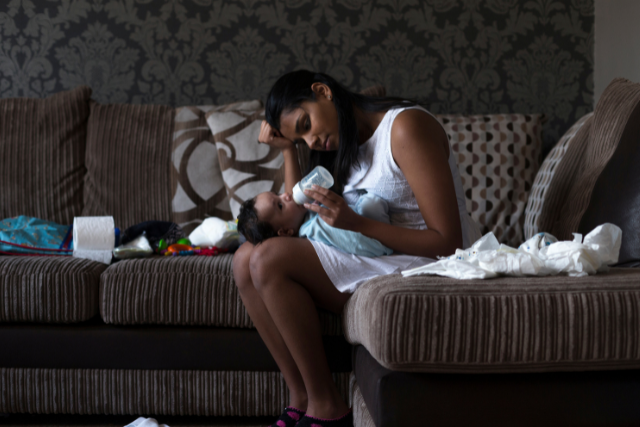
When the baby was 15 months old, I found myself with a surprise twin pregnancy, yes I know how that sounds. It scared the living daylights out of me. Dr. Yashari reminded me that this time was different. I had knowledge, I was prepared, I had her, my meds, and we were watching. I stayed on the meds throughout the pregnancy, as research has not concluded that it’s dangerous, but unstable mental health definitely is. As far as I know, one of the babies was a bit sleepy for a day and that was the extent of the effects my meds had on the pregnancy. When my life was at its most hectic, with three kids aged two and under, plus another four above them, I was at my most stable.
Eight years later, we went for one more, just for fun. It was the most amazing pregnancy and an awesome postpartum experience. Since then we have also married off a child, are expecting a grandchild and I have been open and honest about my challenges with my kids. My pregnant daughter finds comfort in knowing that I am looking out for her and will do everything to keep her safe. PPD should not be stigmatized; it’s not a guarantee, and it’s treatable. We need to educate our partners and family members to keep their eyes out for anything that seems unusual and have them bring it up in the most gentle of ways. If you or anyone you know is questioning their mental health after giving birth to a baby, reach out to a professional and get evaluated. You are not alone and you won’t be like this forever.
***
This post is written in memory of my superstar OB, Dr. Jay Goldberg. Like many of his patients, I considered him a cherished friend. His days were too few, his accomplishments many, and his loss devastating to those who knew him. He helped bring my lights into this world all the while emanating his own bright light and he is missed by many, every single day.
***
Resources for Postpartum Depression:
The Mayo Clinic – Postpartum Depression
Mental Health America – Postpartum Depression Test (New & Expecting Parents)
NIH, National Library of Medicine – Use of Prescribed Psychotropics during Pregnancy: A Systematic Review of Pregnancy, Neonatal, and Childhood Outcomes
Recurrence Rates and Risk Factors in Perinatal Mood Disorders

Sarah Goldberg is a licensed life coach in private practice. She is on sabbatical while she immerses herself in the joys of raising a toddler and a family of 10. She lives in Los Angeles, where she can be found at a different public playground every day!
She welcomes any questions or opinions on pregnancy, labor, or child raising and can be reached through sarahlgoldberg@gmail.com.
by Dr. Meghna Dassani, DMD | Sep 13, 2023 | Health Conditions, Infant Care and Breastfeeding, Parenting and Child Development
“Parents and healthcare providers need to take pediatric OSA seriously. But they should also know that the condition is highly manageable with the right treatment. Diagnosing pediatric OSA typically involves a comprehensive sleep study called polysomnography. This test monitors several physiological parameters during sleep, including brain waves, heart rate, oxygen levels, and respiratory patterns.”
Quality sleep is vital for children’s healthy growth and development. Unfortunately, some children have trouble achieving restful sleep due to obstructive sleep apnea (OSA), a common sleep disorder affecting between 1.2% and 5.7% of children of all ages.
Early detection and effective management of pediatric sleep apnea are important to ensure children can breathe freely and get the rest they need. Left untreated, pediatric OSA can have serious consequences, including:
- Impaired growth and cognitive development
- Learning difficulties
- Cardiovascular problems, like hypertension
- Behavioral issues
- Increased risk of accidents due to excessive daytime sleepiness
What Is Pediatric Obstructive Sleep Apnea?
Pediatric OSA is characterized by a partial or complete blockage of the upper airway during sleep. It results in repeated episodes of interrupted breathing, leading to brief periods of breathing cessation (apnea) or shallow breathing (hypopnea). These episodes can occur multiple times during the night and last for several seconds to minutes.
Airway obstruction typically occurs when the muscles at the back of the throat relax excessively, causing the soft tissues, such as the tonsils or adenoids, to collapse and block the airway. This can lead to reduced oxygen levels in the blood and disrupted sleep patterns. Pediatric OSA often arises from the following:
- Enlarged tonsils or adenoids
- Obesity
- Structural abnormalities, such as a tongue tie, narrow airway, or cleft palate
Recognizing the signs and symptoms of pediatric OSA is important for early detection and intervention.
One of the primary indications of pediatric OSA is persistent and loud snoring. Occasional snoring is normal. However, chronic and intense snoring in children should raise concerns for parents.

Other symptoms to watch out for include:
- Restless sleep
- Gasping or choking during sleep
- Bedwetting
- Excessive daytime sleepiness
- Irritability
- Difficulty concentrating
- Mouth breathing
- Morning headaches
If parents observe these signs, they should talk to a healthcare professional and ask for a sleep evaluation.
How to diagnose pediatric obstructive sleep apnea
Parents and healthcare providers need to take pediatric OSA seriously. But they should also know that the condition is highly manageable with the right treatment. Diagnosing pediatric OSA typically involves a comprehensive sleep study called polysomnography. This test monitors several physiological parameters during sleep, including brain waves, heart rate, oxygen levels, and respiratory patterns. A sleep study helps determine the severity and underlying causes of obstructive sleep apnea, enabling the development of an appropriate treatment plan.
Treatment options for children with OSA
The management of pediatric OSA may involve several approaches, depending on the child’s specific needs.
In cases where enlarged tonsils or adenoids are identified as the primary cause, doctors may recommend surgical intervention through an adenotonsillectomy. This is the most common way to treat pediatric OSA. The procedure removes the airway obstruction, allowing for improved airflow and a reduction of sleep apnea symptoms.
Some children have structural abnormalities, like a tongue tie or narrow airway, that can lead to OSA. In these cases, doctors may suggest a tongue release, also known as frenuloplasty, or the use of expanders to widen the upper jaw.
For children with persistent sleep apnea or underlying factors, like obesity, additional interventions may be necessary. Lifestyle modifications, such as weight management programs, regular exercise, and a healthy diet can reduce the severity of sleep apnea.

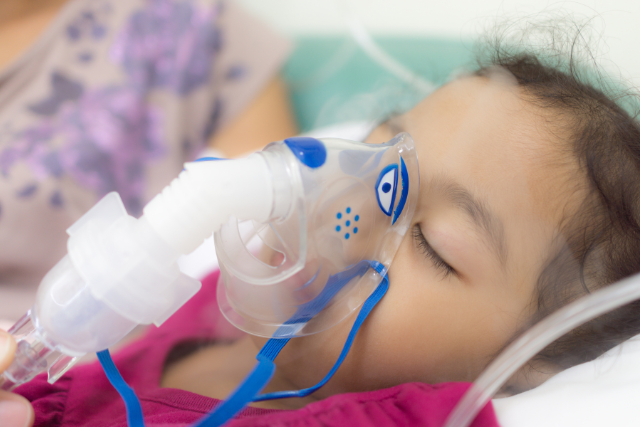
In some instances, doctors may prescribe continuous positive airway pressure (CPAP) therapy. CPAP involves wearing a mask during sleep that delivers a gentle flow of air. It ensures that children’s airways remain open and unobstructed.
Creating an optimal sleep environment is also important for children with OSA. Establishing consistent bedtime routines, creating a comfortable sleep space, and promoting good sleep hygiene all contributes to a better sleep quality. Limiting screen time before bedtime and maintaining a regular sleep schedule also improves sleep patterns.
Parents should follow up regularly with healthcare providers to monitor the effectiveness of their child’s treatment and make any necessary changes. Open communication with children about their sleep experiences and any changes in symptoms is also important. Parents who provide emotional support and reassurance can help children cope with managing their sleep apnea.
 Dr. Meghna Dassani has practiced dentistry for over two decades and is passionate about the role dentists play in whole-body health. She earned her DMD at Boston University Goldman School of Dental Medicine and opened Dassani Dentistry in Houston, TX in 2011. You can learn more on her website: MeghnaDassani.com.

by Dr. Sarah Dirks | Aug 30, 2023 | Health Conditions, Infant Care and Breastfeeding, Parenting and Child Development
“The pressure used during therapy is less than the weight of a nickel and most of the movements are so slight that they are often missed by the parents as the practitioner moves through the treatment. “
It’s 2:00 in the morning and your one month old newborn has been screaming since midnight. You and your partner have tried everything… nursing/bottle, diaper change, warm bath, rocking, bouncing, white noise, singing, a walk outside… but the screaming seems endless. This continues for several days and you both decide to call the pediatrician. You are told that your baby is perfectly healthy, the screaming is normal, and there is nothing to worry about. Now what? Do you just grit and handle the screams every night? What other options do you have? You still feel like something is off and that your baby is in some pain or discomfort. You and your partner may even feel lost as to what to do next.
Navigating the first year of a baby’s life can be extremely challenging for any parent. Pediatrician, night nurse, lactation consultant, physical therapist, chiropractor, occupational therapist, myofunctional therapist, pediatric dentist… Sometimes it feels like there is an overwhelmingly endless list of people to help your child. Let’s take a deeper look into the option of craniosacral therapy to help you decide if it is the best option to help your child.
What is Craniosacral Therapy?
Craniosacral therapy is a very gentle manual technique used to assess and enhance the function of the structures surrounding the brain and spinal cord. Alleviating tension in these structures can promote improved functioning in the nervous system and subsequently the other bodily systems, which allows the body to respond better to the stressors of life. Craniosacral therapy facilitates the body’s natural healing process and can therefore be used to increase the body’s resistance to disease.

What Can Craniosacral Therapy Help With?
Craniosacral therapy can help infants who struggle with many different ailments. Some of the most common are difficulty gaining weight, latching issues, colic, reflux, gassiness, difficulty sleeping, mouth breathing, torticollis and/or muscle tension (clenching fists constantly or straightening legs/arching back during diaper changes.)
Is Craniosacral Therapy Safe?
The pressure used during therapy is less than the weight of a nickel and most of the movements are so slight that they are often missed by the parents as the practitioner moves through the treatment. With this small amount of pressure it is safe to use on most infants and newborns, however it should not be used in conditions in which a slight change in intracranial pressure would cause instability.

What to Expect During Craniosacral Therapy.
Craniosacral therapy is typically performed in a quiet, calm, dimly lit room with the infant lying comfortably on a massage table. The practitioner will first identify the craniosacral rhythm by placing their hands gently on the baby. They will then feel the baby’s head, neck, torso, and spine while assessing and alleviating tension in the craniosacral system. Many of the movements are so subtle that they can be imperceivable except for the calming effect and relief seen in the child.
What If My Baby Cries Constantly or Doesn’t Sit Still?
Don’t stress if your child is fussy or has the wiggles during an appointment. Some treatments occur while infants are breastfeeding or even with them laying on top of a parent. A skilled therapist has encountered a wide array of baby obstacles and has many options to help calm them. Typically by the end of the session the baby is relaxed, quiet, and/or sleeping.

Dr. Sarah Dirks is a pediatric and prenatal chiropractor, specializing in craniosacral therapy and Webster Technique. She received her doctorate of chiropractic at Los Angeles College of Chiropractic in 2010. Dr. Dirks is in private practice and collaborates frequently with midwives, lactation specialists and pediatric dentists to provide a comprehensive treatment for all of her patients.
She is a wife and mom to a one year old daughter and a three year old son. In her free time she enjoys spending time with her family, as well as swimming, traveling and going to concerts. After having her son, who was colicky, tense, and struggled to gain weight, she began to dive deeper into craniosacral therapy. The technique gave him so much needed relief.

by Keira Moré | Feb 15, 2023 | Family and Relationships, Parenting and Child Development
” You may be excited by the idea of having another baby but the thought of disrupting the flow of your existing family unit terrifies you, particularly when it feels like you have just found that “flow.””

“When is the right time to have another baby?”
It is a question I get asked often and while there is no right answer, there are a few factors to consider.
The short answer is: whenever you get pregnant is the right time.
The longer and more complicated answer is that there is no “perfect” time to add another child to your family.
You may be excited by the idea of having another baby but the thought of disrupting the flow of your existing family unit terrifies you, particularly when it feels like you have just found that “flow.” As a mother of two preschoolers I can say that our home life is just now starting to feel less chaotic than it has for the past few years. I am just starting to feel settled in my new identity as a mom of two. I have space for myself in the day to do what I want or what needs to be done without a very cute and tiny accessory attached to me. I do not feel like I am drowning in motherhood most of the time anymore, even though those feelings still pop up once in a while.
Become part of the Informed Pregnancy Insta-fam!
Pediatricians and childhood development specialists say that a three year age gap is ideal for your older child. Starting around age three, children become more independent. They are likely in preschool and able to verbalize their wants and needs, making at least some aspects of parenting easier. A three year old has other safe, reliable and loving adults in their life and is not strictly dependent on his or her parents for everything, specifically the mother. They might participate in extracurricular activities that make their world feel bigger and are generally less consumed with their parents. As hard as the transition from baby to kid can feel for the parent, it does make bringing home a new baby easier on the sibling.
Another important consideration is that just because it may be the ideal time for your child, does not mean that it’s the ideal time for you! Things like finances, work load, parental age, possible fertility issues, emotional capacity and general stress levels in the home all matter. Adding another human to your family adds an additional layer of needs and that should not be taken lightly.

My personal belief is that the right time is simply when it happens. You will somehow find the time to do all the things that you need to, not only because you can but because you have no other choice. Your time becomes even more valuable and you will learn all of the best ways to spend it. Perfection becomes less important, while boundaries simultaneously become more important than ever. Your older children will adjust to sharing your attention with a new baby. No, it won’t always be easy but it will be worth it. The only thing I know for sure, and you likely cannot imagine it now, is your capacity to love does not become divided between your children: that capacity only multiplies itself. Lucky us and lucky them.
Check out more of Keira Moré on The Informed Pregnancy Blog!

Keira Moré is an experienced Doula and founder of Noa Doula Community. Her work empowers mothers, birthers, and parents to trust their intuition and build their authentic parenting style. She has supported people through birth, labor, and beyond. She currently resides in Los Angeles with her family. In her free time she can be found nurturing her garden and her family.
You can connect with Keira at https://www.instagram.com/noa.doula/ . Find out about Keira’s upcoming virtual and in-person offerings at www.noadoula.com/

by Rose Hart-Landsberg | Jan 25, 2023 | Mental Health, Parenting and Child Development
“Your spouse arriving home has sensed (i.e. read 18 text messages ALL IN CAPS LOCK) that you needed a little treat. He pours a glass of Sauvignon Blanc and takes a sip. He pops the toddler’s loopy straw in the bottle and hands it to you. What a catch.”

You used to be a foodie. Now when you add “ie” to the end of words it’s in a singsongy baby voice and it makes you cringe inwardly. But hey, it doesn’t have to be all or nothing. Here’s a brief list of drink pairings for foodies turned parents who definitely have given up on adult fun but haven’t admitted it yet.
1 ) Fruit and Riesling
You spent what seemed like ages lovingly chopping up beautiful fresh farmers market fruit for your little angel. He’s growing and evolving every day and as a thoughtful parent it’s your job to make sure he gets the best nutrients and develops a healthy well rounded pallet. However at the moment the little angel does not want fresh fruit. The little angel wants fruit snacks. His volume would suggest he wants them post haste. Most of the lovingly diced fresh fruit has made it to the floor. You open the cupboard, he calms knowing the fruit snack is nigh but what’s this in the corner? An unopened bottle of Riesling that footloose and kid free friend of yours brought over thinking your dinner party last month would last past 9:00 pm (haha.) You know one fruit snack packet will give you at least a few minutes of calm. You open the little plastic package and hand it over to grabbing sticky hands. You dump what’s left of the fresh fruit onto your own plate and pop the cork. You deserve lovingly chopped fresh fruit too, you know. Cheers to being a parent!
2 ) Fish and Sauvignon Blanc
The baby is crying. But only because the toddler is crying. The toddler may or may not be crying because you are as well. You wanted to teach them a valuable lesson about about life, about caring for others and responsibility. You also told the sales lady you very specifically wanted a fish tank heavy enough that a toddler could not pull it off the shelf onto the ground. “Well,” you think, “we can’t always get what we want.” That’s a good life lesson. The screaming toddler seems to have learned it in some sense. You’re a good parent after all. Your spouse arriving home has sensed (i.e. read 18 text messages ALL IN CAPS LOCK) that you needed a little treat. He pours a glass of Sauvignon Blanc and takes a sip. He pops the toddler’s loopy straw in the bottle and hands it to you. What a catch.
Check out an Informed Pregnancy Blog post on water safety for babies here!
3 ) Lamb and Merlot
Finally, tonight, it’s your partner’s turn to do bed time. The high pitched wails muffled only by a toothbrush and punctuated by a dramatic parade of angry staccato toddler stomps float down the staircase as you luxuriously sip a glass of Merlot. You notice your little one’s beloved stuffed lamb on the couch and know bedtime will be rough(er) without it. You use every last ounce of your college softball training to silently lob it up the stairs. You are not without sympathy, but you will not be pulled into the fray. A second, un touched glass of Merlot waits patiently on the coffee table for your partner. They will surely need a sip as well when the battle has been won. You’ve got a bit of work to finish up but bed is calling and you may or may not be awake by then.
4 ) Birthday Cake and Bubbly
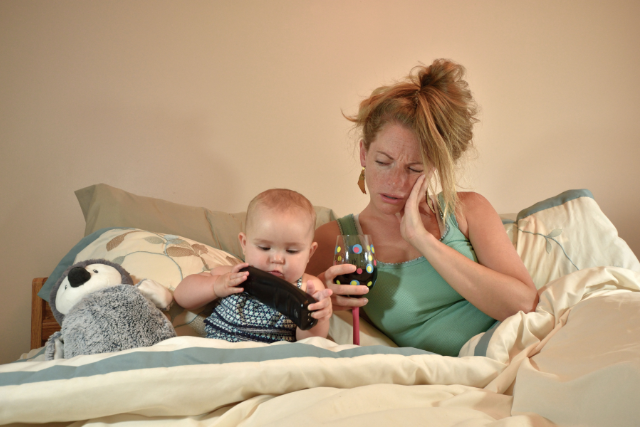
You’ve been answering e mails all day and there are so. many. more. A task much easier back when there wasn’t mysterious prehistoric reminiscent crayon drawings of what may be farm animals on your computer screen. You think about that art opening you meant to go to last night and the four – yes four – toddler birthday parties you went to all day instead. You think about champagne and little toothpicks stabbed into fancy cheese. You think about party number three when your little one was already breakdown adjacent and the piece of cake offered did not have the right color frosting. You think about how physically wondrous it is that a person that small can make noises that loud. You worry about waking her up as you slide the leftover cake from all 4 parties jammed together in one glorious frosted plateau out of the refrigerator. Each of your four mommy group friends insisted and each time you did not object. You begin to eat right from the pan in the dull comforting glow of the fridge light but as the sugar courses through your veins you realize something important is missing. The (cow?) on your computer screen glares judgmentally as you slide the hidden bubbly out of the crisper drawer. Happy Birthday to me, you think. You’re not even sure what day it is.
Don’t miss out! Follow Dr. Berlin for updates on podcasts, blog posts, streaming and more!

Rose Hart-Landsberg helps produce the Informed Pregnancy Podcast hosted by Dr. Elliot Berlin, DC and serves as managing editor of the new Informed Pregnancy Blog. She also spearheads podcast and blog sponsor partnerships and helps with various related content and copy writing for The Informed Pregnancy Project and Berlin Wellness Group.
In her free time she enjoys editing and writing fiction, makeup artistry, and is currently learning Turkish.