by Libby Levine | Sep 28, 2022 | Health Conditions, Pregnancy
“In the past, women with MS were told that they should avoid pregnancy, mostly because of an increased risk of relapse in the postpartum period and lack of effective and safe treatments for peripartum use. But with the use of careful monitoring and/or highly effective medications, having a baby, and even breastfeeding that baby, can be safe even if you have MS.”
What is MS?
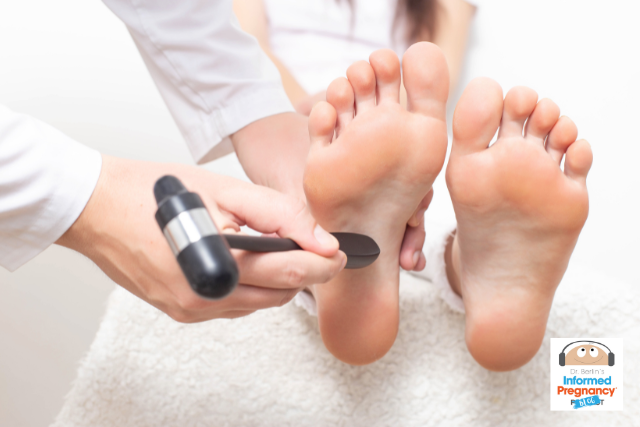
 Multiple Sclerosis (MS) is a chronic autoimmune condition that affects the central nervous system. It can cause symptoms of fatigue, numbness, weakness, visual disturbances, and bladder and bowel problems (to name a few). Most people with untreated MS experience “relapses” where new symptoms develop, worsen for a few weeks, and then partially or completely resolve. MS is most commonly diagnosed in individuals of child bearing potential and as such, one of the most common questions on patients’ minds is often, “Can I still have kids?” The answer is yes. There are some risks. However, with careful monitoring and open communication between provider and patient, most of these risks are greatly diminished. We have come very far in learning how to safely manage pregnancies in patients with MS. Yet we often forget about the extra support that new and expecting birthing parents with MS need.
Having MS Today
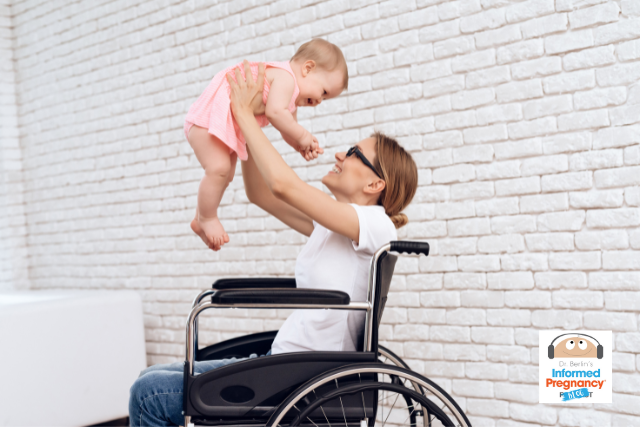
Many patients with MS are surprised to discover they can still have the family they have always wanted. They often tell me the only person they know with MS, for example, is their older relative who was very disabled and therefore didn’t have kids. Or they immediately assume they will be in a wheelchair in 5 years. However, having MS in 2022 is not the grim picture it once was. We’ve gone from three modestly effective treatments in the 1990’s to over 20 different therapies today, including some that are highly effective at reducing the risk of MS relapse and others that have shown to slow disease progression. If caught early enough, many MS patients walk around today with very little or absolutely no hint of disability.
In the past, women with MS were told that they should avoid pregnancy, mostly because of an increased risk of relapse in the postpartum period and lack of effective and safe treatments for peripartum use. But with the use of careful monitoring and/or highly effective medications, having a baby, and even breastfeeding that baby, can be safe even if you have MS. Of note, given the increased risk of relapse after pregnancy, it stands to reason that many women are diagnosed with MS soon after delivery.
Check out this popular Informed Pregnancy Blog post by Dr. Elliot Berlin to learn about D-MER!
Formulating a Peripartum Plan
After a postpartum relapse, new moms with MS often come to me with questions about breastfeeding. Then they ask me if they can have another child. They wonder: Which drugs can be used while breastfeeding? Which drugs take longer to work? Which drugs are safe for me? Which will I tolerate best? What happens if I relapse when I’m pregnant or breastfeeding?
When the time comes to plan the next pregnancy, they are forced to revisit the trauma of their MS diagnosis. They wonder: Will I have another relapse after delivery? Can I have an epidural? Which drugs to treat MS are safe to use in pregnancy? Which drugs can increase risk of rebound relapse when discontinued? These women and their families are understandably flooded with questions and filled with uncertainty. I do my best to quell their anxieties and help them formulate a solid and safe peripartum plan.
The key to a safe pregnancy when you have MS is open communication between the patient and the provider. Specifically, there needs to be plenty of discussion between the patient and the provider about the patient’s tolerance for risk of relapse and risk to the pregnancy. Additionally, the provider will need to provide education to the patient about data available around pregnancy, breastfeeding, MS medications, and MS.
More and more patients are learning that having MS does not mean they cannot have a family. This is wonderful. However as this population of parents with MS has grown, it has become apparent that providing education and formulating a peripartum plan to reduce risks of relapse and dangers to the pregnancy is not enough. We need to do more to support new and expecting parents with MS
.
What else can MS providers do to help?
As a woman who recently had a baby, I can attest to the challenges of trying to conceive, being pregnant, and then caring for a newborn (and toddler at the same time!) without having to manage a chronic illness (I don’t have MS). For example, mood changes such as anxiety and depression can be heightened in the peripartum stages. During and after pregnancy many women experience issues with body image, sexual function, pelvic floor and bladder function, keeping up with health maintenance, and fatigue.
These challenges are all heightened in people with MS. Consider a patient with MS who already struggles with these issues at baseline. Maybe she already suffers from frequent urinary tract infections due to neurogenic bladder. Or perhaps she is concerned her occasional hand incoordination, exacerbated by fatigue, will limit her ability to breastfeed. Will her balance also worsen like it did when she first relapsed if she is exhausted from feeding the baby every 3 hours? Will she fall while she is carrying the infant?
With questions like these running through her mind, it is clear that she needs support. She will need emotional support and access to various physical therapies. She may need to have more help lined up at home for when the baby comes. For this reason, our social worker and I have initiated a series of informational and supportive “Zoom Meet-Ups” for expecting and postpartum MS parents with the help of the Nightingale Award. We will cover the issues that many face around pregnancy (fatigue, bladder issue, self-care, mood issues, diet, etc) but will be providing information about how these issues affect people with MS. We also hope to create a safe space to discuss these issues. There is an obvious gap in support for women with MS who are considering pregnancy. It is our hope that we can begin to bridge that gap with Meet-Ups such as these .
Follow Dr. Berlin to stay up to date on The Informed Pregnancy Project!

Libby Levine is a nurse practitioner who has worked at Columbia University’s Irving Medical Center’s Multiple Sclerosis Center since 2015. She earned her bachelor’s in nursing from New York University and her Master’s in nursing from Columbia University. She is an MS Certified Nurse and is board certified as an Adult Gerontology Primary Care Nurse Practitioner. She is also the recipient of the 2022 Nightingale Award offered with the support of EMD Serono through the International Organization of Multiple Sclerosis Nurses (IOMSN).
by Lara Catone | Sep 27, 2022 | Fitness & Nutrition, Health Conditions
**This is a repost of a classic Informed Pregnancy Project article.
“The squat is the queen of pelvic floor exercises, so you can ditch all of the kegels and start squatting each day!”
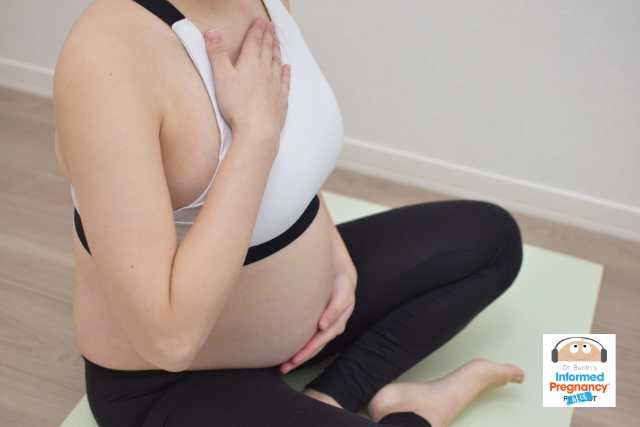
As a yoga teacher and doula, I have discovered that healing the core postpartum does not require hundreds of kegels and crunches. In my experience, the body does much better when slowly building on a solid foundation. This begins with relearning your body after the changes of pregnancy and childbirth.
Your core consists of your diaphragm, the muscles of the abdomen and low back, and the pelvic floor (the hammock of muscles at the base of your pelvis that stretch from your pubic bone to your tailbone).
Here are step by step instructions on how to feel these muscles and begin to bring them on board in all of your daily movements.
- Breath Awareness – The first step in regaining integrity in the core postpartum is to simply reconnect to it with your breath. These are the very first exercises you can begin right after having your baby. There are two types of breathing to practice.
Pelvic Breathing – Gently inhale into the bowl of your pelvis. Notice the bones of the pelvis and the muscles in between. See if you can feel a slight expansion as you inhale and a relaxation on the exhale. There is no need to add any squeezing or tightening, just sense the muscles.
Belly Breathing – Gently inhale into the low belly. As you breathe in, let the belly soften and expand. As you exhale, allow the belly to relax back to its resting state. Note: Many people are used to sucking their bellies in when they inhale and pushing them out when they exhale. It may take a bit of practice to learn to reverse this way of breathing. You can think of softly blowing air into your belly, like blowing up a balloon on the inhale and the air leaving on the exhale.
- Find Transversus Abdominis – Your transversus abdominis (TA) is your own inner belly band. It is the deepest abdominal muscle and wraps from the low back around to the front of your midsection. It is a large muscle that runs the length from your low ribs to your hip bones. The TA supports all of your abdominal organs and your posture.
Need more Informed Pregnancy? Click to check out this related podcast episode!
Sit up tall with your back against a wall or straight back chair for support. Inhale into your belly as you exhale. Imagine an inner corset wrapping from back to front, and hug these muscles toward your midline as you draw your belly back toward your spine. This is different from the habit of sucking your belly in that many women are used to. Instead, the belly button draws back, and the ribs and hip bones move toward the center. It’s a hugging in rather than a sucking in.
- Posture – Now that you’ve found your TA, you can use it to support you as you move around in the world, and you will strengthen your core simultaneously. Engage your TA about 25-30% of the time while sitting, feeding your baby, and walking. While lifting things or standing up from sitting, engage your TA as much as 60-70%. Build up to using your TA more and more over time, and continue to breathe into your belly and side waist. Avoid the pitfall of over stiffening and not breathing.
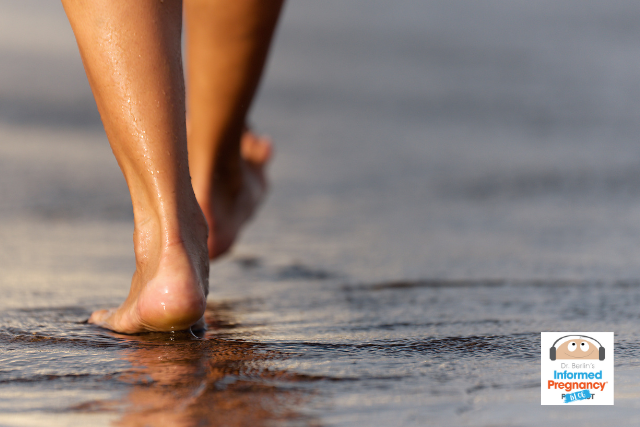
- Walk – Walking is one of the best exercises for toning your pelvic floor, and when you bring your TA on board, you’ll also be building abdominal strength. You will also be getting some cardio and enjoying fresh air. A good pair of sneakers with arch support will make all the difference. Walk around barefoot as much as possible when you are at home and around your yard.
- Squat – The squat is the queen of pelvic floor exercises, so you can ditch all of the kegels and start squatting each day! Here’s a way to come into a squat that is easy on the knees. Stand with your feet a little bit wider than hip distance, and allow your toes to turn out about 45 degrees. Engage your TA, bend your knees enough to keep the spine straight as you fold from the hinge at your waist and bring your hands to the floor. Then bend your knees completely, dropping your butt toward the floor. This will take you into a full, low squat. Be sure that the toes and knees are pointing in the same direction. If your heels do not touch the floor, fold up a yoga mat or blanket and place it underneath them.

Postpartum recovery is a gentle and patient process. Be sure to balance any exercise with lots of rest, water, and a variety of healthy foods. Time is one of your best partners in restoring your core. Instead of focusing on what your body used to be, celebrate the subtle changes toward strength and health that happen over time.

Lara Catone is helping to establish the field of sexual wellness as a yoga teacher and somatic sexologist with a specialty in women’s health. She has attended nearly 50 women in birth as a birth doula and midwife assistant. In 2011, she began development of the Restore Your Core Program that includes nonsurgical approaches to diastasis recti (abdominal separation) and pelvic pain and dysfunction.
Lara trains fitness, birth, and medical professionals in her progressive approach to core health. She has a thriving private practice in Venice, CA and teaches workshops and retreats worldwide. Lara recently expanded her global community through the launch of an online studio with live webcam classes. Her mission is to empower radiant health and pleasure. Visit www.laracatone.com for musings and educational media as well as videos of transversus abdominis (TA) and pelvic floor exercises.

by Melissa Teigue | Sep 21, 2022 | Infant Care and Breastfeeding, Parenting and Child Development
“I always tell parents “if your child can roll, crawl or walk to a water source they need to know how to save themselves.”
Prioritizing Water Safety
 We often think of the safety of our children and the first things that come to mind are childproof locks, child gates and the safest car seat(s) we can buy. Water safety does come to mind but not everyone prioritizes it, especially when your child is just an infant. I always tell parents “if your child can roll, crawl or walk to a water source they need to know how to save themselves.” We tend to believe kids need to be older to learn how to swim or survive in water. This is not the case.
Drowning is the number one cause of accidental death in children under 4. And it is silent. It also doesn’t always look how you may expect drowning to look. The child could be bopping up and down vertically in the water. Or struggling to catch their breath with their head barely above the water. It could also be just a quiet “slip” into the pool.
What Can You Do?
There are many things we as parents can do to help prevent this from happening to our families. The following multiple layers of protection when done in conjunction with infant swim lessons can help prevent drownings.
-Locks and alarms on doors and windows that surround the pool
-Installing a fence around the perimeter of the pool with the proper latch and lock
-Cover for the pool that has no entry point for a child to slip through
-An alarm in the pool
-US Coast Guard approved life jackets if around the pool with a child that doesn’t know how to swim
-CPR certification
-A Water Watcher which is someone who is assigned to solely watch the water with no distractions and for no more than 30 minutes at a time.
Puddle Jumpers, Arm Bands, and Noodles
In speaking about water safety for kids and babies, I would be remiss to not mention the “go to” method that many parents use to keep their children “safe.” Flotation devices. These include puddle jumpers, arm bands, noodles, etc. They do not in fact keep your child safe at all. In actuality, they put your child in a drowning position-vertical in the water, and create a false sense of security. I have firsthand proof of this because it’s the reason my niece had her non-fatal drowning. Charlotte only knew swimming in water with a puddle jumper on. When she took it off to have dinner by the pool at a family birthday party it was then she thought she could swim and went off the step only to slip under the water quietly. We don’t know how long she was under but we pulled her out, immediately performed CPR and she started to gain consciousness as the paramedics arrived. After hearing so many stories that did not end like this I realize how fortunate we are to still have her with us.
Help Them Succeed
 Drowning is preventable. Infant swim lessons help make it more preventable. ISR instructors teach infants as young as 6 months old how to self-rescue should they reach the water alone. At 6 months of age a baby can learn how to roll to their back, float and sustain that float until someone finds them. Starting at 12 months and older-or when a child can walk, they will learn the swim-float-swim sequence that they use to get to the side of the pool and get themselves out. Not only do they gain skills to survive but they also gain confidence in other aspects of their lives.
As parents we want to give our children every opportunity in life to help them succeed. Shouldn’t that apply to the water as well?

Melissa Teigue: I am a Certified Infant Swimming Resource (ISR) Instructor and have been teaching babies and kids as young as 6 months old for over 3 years.
In 2014 after giving birth to my first daughter I looked into ISR. At the time the commitment and
financial aspect didn’t seem like the right fit. However, July that same year I witnessed my 4 year old niece being pulled out of a pool and the use of CPR to resuscitate her. We were so fortunate that it was a non-fatal drowning but after that incident we knew we would pay and do anything to not have that happen to our daughter. I have been an advocate of ISR ever since and thought that one day I could see myself being an instructor.
In 2018 our life was forever changed. Our second daughter passed away from a rare disease which was the catalyst for me leaving my corporate job of 10+ years. I turned to ISR because I knew it would be fulfilling.
I believed that if I couldn’t save my own child at least I can save other children and save parents from the heartache I endure. I want nothing more than to prevent as many drownings as humanly possible.
by Kim Walls | Sep 20, 2022 | Pregnancy
**This is a repost of a classic Informed Pregnancy Project article.
“Treating new stretch marks usually leads to better results than treating older stretch marks, but preventing them from occurring in the first place is obviously even better.”
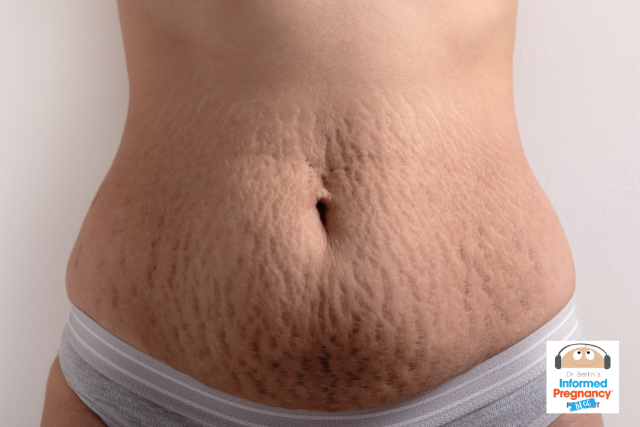 One of the most common changes in a woman’s body during pregnancy is the emergence of stretch marks, clinically known as striae. If you are feeling self conscious about your stretch marks, it might help you to know that as many as 90% of women develop at least some stretch marks during pregnancy. These tiny tears in the skin usually appear on the tummy, breasts, hips and thighs, and result from the skin failing to ‘keep up’ with the rapid growth of your body during pregnancy. Surprisingly, you can even develop stretch marks after your baby is born, possibly as a result of the rapid downsizing of your belly immediately after giving birth. The good news? Your stretch marks will probably be one of the first signs of pregnancy to diminish after your baby is born. The bad news? They may never disappear altogether.
The severity and longevity of stretch marks are determined by a combination of factors that are mostly out of your control, including your genetic code and fluctuations in the levels of the hormones estrogen and relaxin during your pregnancy. Treating new stretch marks usually leads to better results than treating older stretch marks, but preventing them from occurring in the first place is obviously even better. Well hydrated and moisturized skin is thought to be key in preventing the breakdown of collagen — the supportive elastic tissue beneath the skin — which causes the depressed ridges that characterize stretch marks.
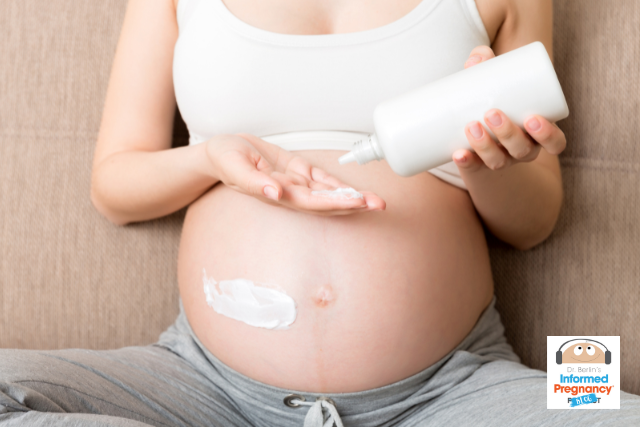
Stretched skin also tends to be itchy. The best defense against both itching and striae is to gently massage the skin and keep it well-hydrated at all times. Massaging your growing body parts with a probiotic-rich moisturizer that soothes and softens stressed skin and contains a full spectrum of vitamins and minerals to nourish and foster skin repair can help prevent dryness and act as a natural mood booster. With massage and great products, you can soothe your skin and your mood at the same time!
An added benefit of using moisturizers chocked-full of probiotics on your growing belly is that you can transfer this healthy microflora (‘good’ bacteria) to your baby by maximizing early skin-to-skin contact. Your baby can start to benefit from the healthy colonization of beneficial microflora on your skin within moments of birth, playing an important role in helping to optimize your newborn’s immune system. Stretch marks usually diminish 6-12 months after childbirth. The pigmentation fades and the marks usually become lighter than the surrounding skin. The right skincare products can potentially help minimize stretch marks and reduce healing time.
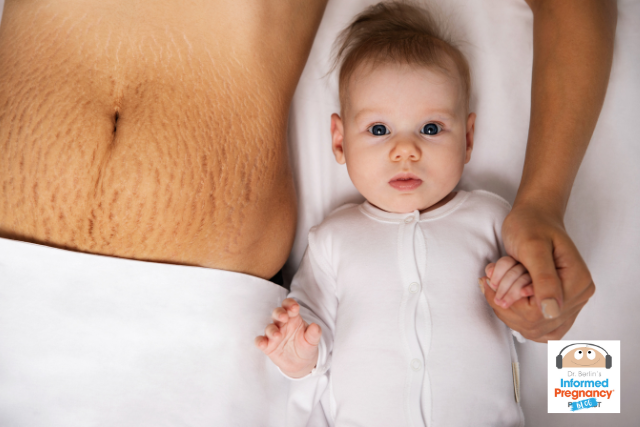
Choose a natural moisturizing serum that is designed with nutrient-rich fruit oils to help increase skin’s elasticity, lock in moisture and help increase collagen production, all of which could help minimize the discoloration and appearance of stretch marks over time. The most important thing to remember about stretch marks is that you should never feel embarrassed or ashamed by them – they’re just a small reminder of the amazing feat your body performed in growing and nurturing a new life. Focus on the connection between yourself and your baby, and love the skin you’re in!

Kim Walls is an internationally recognized skincare expert focused on optimizing health through skincare. Leading child health advocacy groups and national media rely on Kim’s clinical expertise to help parents navigate the often confusing world of natural skincare. You can read more about her here.

by Julie Thomas | Sep 14, 2022 | Family and Relationships, Mental Health
*This is a sponsored post.
“As much as I wanted to hide out forever, I responded to a tug in my heart and attended a women’s event at my church. Sitting in a room of 400 women, I still felt alone and unable to fully embrace the positive atmosphere or laughter of others. Yet, it was a first step outside of my darkness that ultimately led to another step, and another.”

With the birth of my second son came a new version of myself that I didn’t expect or recognize. I developed a deep sadness, heaviness and confusion that I couldn’t seem to shake off. What began as postpartum depression grew with intensity and dragged on for six years.
I never expected to suffer in this way. I wanted to be a good mom and I wanted to be happy. I was living in a nightmare that I couldn’t wake up from. I tried to hide as much as I could, avoiding eye contact with people, creating social boundaries and closing every drape in the house. The burden of my depression stole my joy, purpose and hope for the future. Darkness took over my life.
Postpartum depression is one of the worst-kept secrets. For most new mothers, the first several days after having a baby is an emotional roller coaster ride. Moments of happiness and bliss are abruptly interrupted by a hormonal, exhausted plunge into depressive symptoms like crying, anger and anxiety. Often referred to as “baby blues,” these emotions can emerge within the first two to five days after delivery, and for most women, go away as quickly as they came.
Except sometimes they don’t go away. For some women like myself, the depression continues for months and becomes so overwhelming, you’re only a shadow of the person you were before. It’s lonely and frightening.
The darkness in my life began to dissipate when I realized I had to fight for myself. That’s not easy for most women to do, because we naturally put our kids’ needs above our own. But I was desperate. I couldn’t live this way anymore. Although my journey to complete healing wasn’t quick or simple, I took a few brave steps in the right direction that ultimately served as a meaningful starting point.
Need more podcast in your life? Click to hear a related episode of the Informed Pregnancy Podcast!
I sought community
As much as I wanted to hide out forever, I responded to a tug in my heart and attended a women’s event at my church. Sitting in a room of 400 women, I still felt alone and unable to fully embrace the positive atmosphere or laughter of others. Yet, it was a first step outside of my darkness that ultimately led to another step, and another.
Humans are relational beings and crave connection with others. Pursuing positive social interactions and emotional support may help to reduce the overwhelming feelings of depression.
I talked about it
Although I was very reluctant at first, sharing my experience with others helped me feel less alone. Many women with postpartum depression are ashamed of their symptoms and the social stigma associated with the diagnosis. Maybe it’s because we think we should be stronger than this, or we’re bad moms for feeling anything other than pure joy about motherhood. Postpartum depression affects around 1 in 7 women, yet 1 in 5 women keep quiet about their symptoms. Not only can talking about it provide a much-needed release and diminish feelings of shame, but I discovered that I wasn’t alone. Many other people in my life had experienced or were currently experiencing some form of depression too.
I let the light back into my life
As I began to connect with others and share my story, a new light in my life began to take over the darkness. I felt a renewed sense of purpose in encouraging others that they weren’t alone. I discovered that I could – and would – make it through this. Naturally, life still throws tough stuff at me occasionally, but when I feel that familiar twinge of depression trying to come at me again, I’m prepared to seek support, be open and honest about it and remember that I’m not alone.
Fellow moms, distinguishing the “baby blues” from more serious conditions such as postpartum depression and postpartum psychosis can be difficult, but recognizing the signs early is important. You don’t have to pretend you’re okay or live in shame. Consult a healthcare provider to discuss treatment options that may include peer support, clinical counseling or antidepressant medications. You’re not alone, and you’re worth fighting for.
Let a psychologist help you minimize the chances of perinatal mood disorders before baby arrives!

Julie Thomas is a wife, mother of two, life coach and author. After the birth of her second son, Thomas battled a severe case of postpartum depression. With the release of her novel, HOPE Inside Out, and her willingness to be open and transparent, Thomas was able to find healing for herself and help others do the same. Thomas was recently featured in I Am Second’s series of short films, sharing her raw and emotional journey from depression to healing.
