
August 16, 2014 · 62 minutes · Episode 1
About this episode
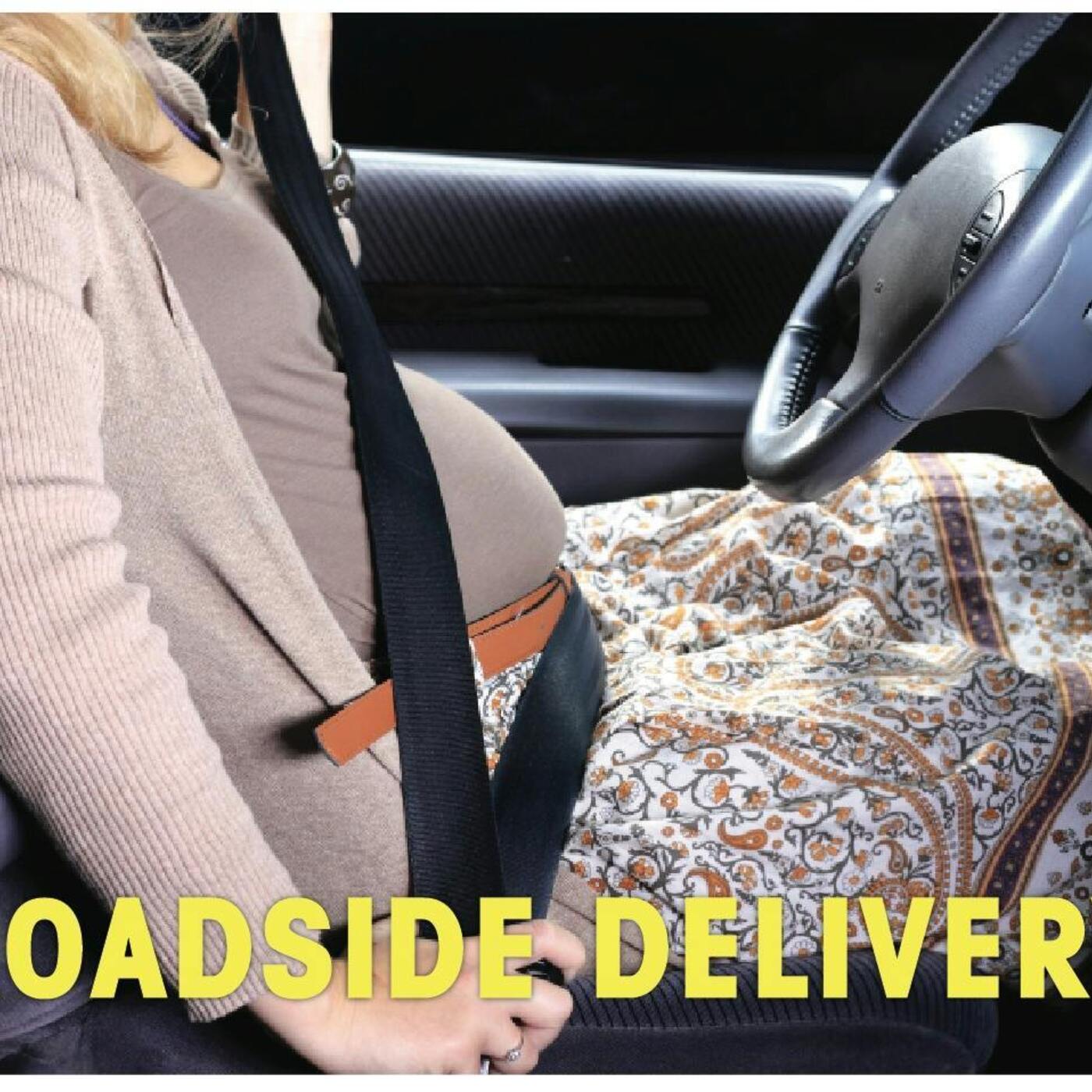
What would you do if you had to deliver your baby with no medical assistance? A new mom shares what happened when she got stuck in rush hour on the way to her birth and couldn’t make it to the hospital, and midwife Aleksandra Evanguelidi helps an imminently due couple feel confident knowing what to do should same happen to them.

Learn more about your ad choices. Visit megaphone.fm/adchoices
See Privacy Policy at https://art19.com/privacy and California Privacy Notice at https://art19.com/privacy#do-not-sell-my-info.
Key quotes
“I mean, I had a midwife with me. And so, I mean, honestly, I could have been delivering anywhere. And I mean, just having her felt so comfortable.”
“I mean, you have to realize that birth is a design such that nobody actually needs to be there for this to work. You are designed to give birth without anybody there. Not your husband, not the NICU nurse, not the OB, nobody with the fancy scissors.”
“I think really what this conversation's taught me is just, and I don't think I would have in the beginning, but just the importance of not creating a stressful environment once you're transporting yourself to the hospital.”
“The biggest one is to witness. And I think that's really difficult for a lot of men to be fully present inside of watching their partner suffer, you know?”
“But also that birth is just kind of normal. If you're in a roadside delivery situation or an elevator delivery situation and it's happening, you're just going to surrender to it and let your body do what it's been doing already for nine months.”
Related episodes
- Ep. 182 Randi Wood – Birth Story
- Ep. 167 Gillian Shure: After Birth
- Ep. 164 Midwife support options for any setting
- Ep. 268 Anastasiya Rul – After Birth
Transcript
AI-generated transcript with speaker labels — may contain errors, especially names and medical terms. Dr. Elliot Berlin, DC appears in blue; Casey Bixby in green; Danielle in orange; Natalie in teal; Shane in purple; Aleksandra Evanguelidi in pink.
Download PDF of the Transcript
Dr. Elliot Berlin, DC [0:40] Welcome to the Informed Pregnancy Podcast where we try to have discussions and get some information on how to enjoy a more successful and enjoyable journey to parenthood, labor and delivery, postpartum experiences. I am a host, Dr. Elliot Berlin. I live here in Los Angeles with my wife and four kids, and we have a wellness practice for primarily pregnancy, postpartum parenting and pediatrics. And my lovely and talented co-host, Casey Bixby is here.
Casey Bixby [1:10] Hello.
Dr. Elliot Berlin, DC [1:12] Casey is also Los Angeles based. She is a wardrobe stylist and has the online boutique Bixby Atelier.
Casey Bixby [1:21] Very good.
Dr. Elliot Berlin, DC [1:22] I've been practicing that all day. And you're expecting baby number one, super preggers.
Casey Bixby [1:28] Super.
Dr. Elliot Berlin, DC [1:29] How's it going so far?
Casey Bixby [1:30] Good.
Dr. Elliot Berlin, DC [1:31] Do you feel like you know everything you need to know?
Casey Bixby [1:33] No.
Dr. Elliot Berlin, DC [1:34] What's missing?
Casey Bixby [1:35] Absolutely not. I feel like I've packed in a lot of information in six months and I have a lot more to go. I feel okay, but I feel like I need to know some more things still.
Dr. Elliot Berlin, DC [1:48] Where do you get your info?
Casey Bixby [1:50] Not from What to Expect and Your Expecting or Babysitter those because I get freaked out and from you.
Dr. Elliot Berlin, DC [2:02] Oh, perfect.
Casey Bixby [2:03] From my doula, from a doctor. Well, that's what I realized. Looking stuff up online, not a good idea. Asking your doctor, better idea.
Dr. Elliot Berlin, DC [2:14] Depends on your doctor. Asking your doctor is a good idea.
Casey Bixby [2:19] Or I've also really liked Ina Mae stuff.
Dr. Elliot Berlin, DC [2:21] Ina May gaskin?
Casey Bixby [2:22] Yes.
Dr. Elliot Berlin, DC [2:23] How do you feel about Scott, your husband? Do you think he's ready?
Casey Bixby [2:28] Well, after our birth class last week, he told me he's ready to birth a baby. So yeah, I feel good. The thing I would like is for us to watch some actual births, have him watch The Business of Being Born or something like that, because I think that's the one thing you can hear about it and you go to a birth class and then you can start to visualize these things, but then actually seeing a birth is a whole nother thing. It is a whole other
Dr. Elliot Berlin, DC [3:02] Thing.
Casey Bixby [3:02] And can be so freaky. I mean, he doesn't need to attend one in person, but I think something like that could help because it's shocking, I think.
Dr. Elliot Berlin, DC [3:14] It is kind of shocking. And for me as a dad, I didn't realize this when we had our first kid almost 10 years ago, but dads never had a role in childbirth. Before the 1900s when women were in the village having babies at home was the norm. It was all the women of the community that got together. And you didn't have a midwife and a doula and things like that because there were just women in the community. First, some of it was family, your mom, your sisters, your aunts, but all the women in the community would come in and play that role of naturally the doula, the support people. And dads were out hunting and gathering berries for the growing family.
[3:51] And then in the 1900s it moved into the hospital and dads were absolutely not allowed into the delivery room. And then I think most of the people my age in late 30s and 40s, our dads weren't at labor and delivery. And now all of a sudden it's like, "Hey, come on in, you're going to be the partner, you're going to be the coach." And most of us have no idea what that means and what to do. It's so freaky weird for us to be there. And so that's why we have this little podcast is to try to get more information and see if we can find our way.
Casey Bixby [4:24] Sounds good.
Dr. Elliot Berlin, DC [4:25] So today's topic is roadside delivery. What would happen if you were in a car, ran out of gas, if there was an earthquake or a tornado or storm and you're stuck in an elevator and it's just you and your partner and there's nobody else that's going to come deliver this baby, no medical personnel or anything like that. What do you think for you? How would that go down?
Casey Bixby [4:51] I think it could happen to me because I said after our birth class, I'm glad you have so much confidence because I feel like I want to wait. I'm delivering in the hospital, but I want to wait as long as possible and be at home. But when you do that, I suppose you're at a much higher risk of… Or I said maybe we'll accidentally have the baby at home, which I realize is you should plan for that or you should plan for the hospital probably, not plan for the in between. But I think that's super fascinating because I think it might happen to me.
Dr. Elliot Berlin, DC [5:32] Well, it's interesting that you say, I think one of the reasons why I've had 10 patients over the past two years have their baby on the way to the hospital or when they're even getting into the car before they left the house.
Casey Bixby [5:44] Which is a lot.
Dr. Elliot Berlin, DC [5:45] It's a lot. It's a small percentage. I do lots and lots of pregnancies a year, but –
Casey Bixby [5:49] That's a lot of people.
Dr. Elliot Berlin, DC [5:49] It's still a lot. And I think one of the major reasons why it's happening is because people have that birth plan of stay at home as long as possible and then in transition, rush to the hospital so that you can push the baby out there, which doesn't even make a whole lot of sense in my head. You've done all the work. You've had nine months of pregnancy, you've had 20 hours of labor and you're ready to push and then you run to the hospital and the doctor runs there to meet you. It doesn't necessarily make the most sense, but I see why people do it. You want an uninterventive birth, which you feel like you'll have a better chance of at home, but you want the safety if anything goes wrong right at the last second.
Casey Bixby [6:28] Exactly.
Dr. Elliot Berlin, DC [6:29] And that's what happened to Danielle. I think we're going to ask. Danielle was a patient, is still a patient, but a couple years ago when she had baby number two, I think she wasn't quite sure if she wanted the baby at home or at the hospital. And she's here today so we can find out.
Casey Bixby [6:47] Excellent.
Dr. Elliot Berlin, DC [6:48] Danielle, welcome to the podcast.
Danielle [6:50] Thank you.
Dr. Elliot Berlin, DC [6:51] So what was your story? Were you planning to have the baby at home or at the hospital?
Danielle [6:55] So I was torn. When I'm pregnant, I can't make decisions. And up until I was probably seven months pregnant, I still hadn't decided whether I wanted to do a home birth or not. And my doula is also a midwife who I was planning on delivering with. And so finally I did make the decision around seven and a half, eight months pregnant that I was going to stay home as long as possible and then go to the hospital.
Dr. Elliot Berlin, DC [7:22] Okay. That was your plan.
Danielle [7:23] Yeah.
Dr. Elliot Berlin, DC [7:23] And how far do you live from your hospital?
Danielle [7:25] I lived without traffic like 25 minutes.
Dr. Elliot Berlin, DC [7:29] With traffic?
Danielle [7:30] An hour. Yeah.
Dr. Elliot Berlin, DC [7:32] So it could have been a long drive, which you knew from the beginning.
Danielle [7:35] Yes.
Dr. Elliot Berlin, DC [7:35] When you say stay at home as long as possible, what would have been your ideal?
Danielle [7:41] I was staying home until… I pushed for four hours with my first. So even though everybody said you won't push for that long, even the day I went into labor, I saw my doctor and he was like, "Remember, get in the car." I mean, my labor was fast the first time, but like I said, I still push for four hours. I had a nine pound baby. And so I though, great, even if I push for two hours, I mean, that'll be so much faster. And so I did not want to go to the hospital until I was ready, getting close.
Dr. Elliot Berlin, DC [8:11] So in your mind, ready to push close?
Danielle [8:14] Ready to push.
Dr. Elliot Berlin, DC [8:15] So you want to drive ready to push at least 25 minutes and go to the hospital. I was just wondering in retrospect.
Casey Bixby [8:22] I get it. That makes sense to me. When you're pregnant, you're crazy.
Dr. Elliot Berlin, DC [8:25] Okay. It makes sense pregnancy to you. It doesn't make sense.
Casey Bixby [8:28] Yeah, I totally get it.
Dr. Elliot Berlin, DC [8:29] Okay. But your husband wasn't pregnant. Did you tell him what you were planning to do? Did he have a –
Danielle [8:34] He knew I wanted to stay home as long as possible.
Dr. Elliot Berlin, DC [8:36] So pushing and then he would drive you to the hospital 25 minutes or more while you were pushing.
Danielle [8:44] I didn't want to push in the car. I wanted to, in my mind, I knew I would be close and I wanted to walk into the hospital and start pushing.
Dr. Elliot Berlin, DC [8:55] This is why we need the podcast.
Danielle [8:56] I thought I could control that.
Dr. Elliot Berlin, DC [8:57] Because girls don't make sense to me anyway, but pregnancy is, there's not even a clue.
Danielle [9:02] No.
Dr. Elliot Berlin, DC [9:03] Yeah. Okay, good. So you labor at home and you feel like what? You feel like now's the time to go?
Danielle [9:14] No. I had contractions on and off through the night, but I would go to sleep in between them. They were all over the place, no consistency to them. But then around five in the morning, my older one woke up and my husband went and I wanted to just be alone. He went and sat with my son, played with him and kept him out of my way. And so it wasn't until probably like 7:30, 8:00 that I couldn't time my contractions anymore. And when I'm in labor, I need to have something to do. So timing them just takes my mind off of it somehow. And that's when I knew I was getting closer, but I still would have a few minutes in between, like three, four minutes in between.
[9:56] And when I went to the hospital the first time, again, my contractions were a minute apart and I was only seven centimeters. And so I was like, "Oh, I have time." I still was cooking pancakes in between, but then I would go in the laundry room and be on all fours during contractions. And then that's when I knew when I couldn't focus during them anymore to count them, I was like, "Okay, we need to go."
Casey Bixby [10:22] But your doula hadn't come over or anything?
Danielle [10:25] No, I told her not to come over because I said it would be a while.
Dr. Elliot Berlin, DC [10:28] Oh.
Danielle [10:29] Yeah. But she did.
Dr. Elliot Berlin, DC [10:30] She offered to come over.
Danielle [10:31] Oh yeah.
Dr. Elliot Berlin, DC [10:32] And you're like,
Danielle [10:32] "I'm good. No, she offered and I was like," No, don't come. It's going to be a while. "And then finally when I couldn't… But like I said, even when they were getting intense where I couldn't count them or anything or time them, I did talk to her during that time and I knew I was getting closer and she ignored me and she was all the way in Hollywood. And so she started heading towards Cedars when I was like," Stay, it's fine. We'll probably rent a hotel room by Cedars and labor there.
Dr. Elliot Berlin, DC [11:02] "Cedars, that's your hospital where you're going to deliver.
Danielle [11:05] Yes. Yes. And she ignored me and started heading towards the hospital.
Casey Bixby [11:10] Yeah.
Danielle [11:11] Thank God. Yeah.
Dr. Elliot Berlin, DC [11:12] Yeah. Okay.
Danielle [11:13] And so then our babysitter was 30 minutes late.
Casey Bixby [11:17] So you're basically in transition at that time?
Danielle [11:19] Yeah.
Casey Bixby [11:19] Okay.
Dr. Elliot Berlin, DC [11:20] And you wanted to leave.
Danielle [11:21] I wanted to leave.
Dr. Elliot Berlin, DC [11:22] So you would've made it if your babysitter –
Casey Bixby [11:25] It's your babysitter's fault, basically.
Dr. Elliot Berlin, DC [11:26] Yeah. Is she still working with you?
Danielle [11:29] No.
Dr. Elliot Berlin, DC [11:29] Okay.
Danielle [11:31] No. Yeah.
Dr. Elliot Berlin, DC [11:32] Okay. So I mean, at that point, are you panicking? Are you like, oh my God, we waited too long?
Danielle [11:38] No.
Dr. Elliot Berlin, DC [11:38] No, you still think you have plenty of time?
Danielle [11:39] I still though I had time.
Casey Bixby [11:41] Because your contractions were so far apart.
Danielle [11:43] Yeah.
Casey Bixby [11:44] Right.
Danielle [11:45] I mean, they were knocking me over when they were happening, but I still had this nice break in between. But then something did happen. So finally when she got there, I literally said a prayer to be able to not have a contraction so I could say bye to my son. And then it was like my body was holding me together because the moment I said bye to him, it was like I got in the car and I was on all fours with the air conditioning blowing in me. It was just like –
Casey Bixby [12:14] In the back seat?
Danielle [12:15] No, I had two car seats in the back, so I couldn't get in the back seat. And so I was on all fours. I had one leg on the floor. I had my other leg kind of bent and where the console is. So no seat belts, anything flailing around in Friday morning traffic.
Dr. Elliot Berlin, DC [12:38] Oh my God. How bad was the traffic?
Danielle [12:40] It was kind of bad.
Dr. Elliot Berlin, DC [12:40] It was congested.
Danielle [12:42] It was congested.
Dr. Elliot Berlin, DC [12:43] So now you know things are moving quicker?
Danielle [12:45] Yes, but I still wasn't scared. I wasn't thinking yet. I mean, I think also when you're in transition, you're not thinking. You can't. You're just in that very primal moment of labor where you're not thinking of anything else except breathing through those contractions.
Dr. Elliot Berlin, DC [13:04] Does your husband know you're in transition at that point?
Danielle [13:06] He had no idea I was as far along as I was because I was hiding from him and my younger one. And so he had no idea I was that far along. So when we got in the car, he was like, "Oh my God."
Casey Bixby [13:19] He could tell once you guys were in the car.
Danielle [13:22] Yes. Oh yeah.
Dr. Elliot Berlin, DC [13:24] Okay.
Danielle [13:24] So how was he with the – And our midwife was on speakerphone with us.
Dr. Elliot Berlin, DC [13:27] Oh, great.
Danielle [13:28] Yeah.
Dr. Elliot Berlin, DC [13:28] And is she giving you tips and coaching or is she just…
Danielle [13:31] I didn't want anyone to talk.
Dr. Elliot Berlin, DC [13:33] Okay. So she's there. She's listening to you later.
Danielle [13:35] They both were trying to talk, even my husband, but when I'm that focused, I didn't want anyone to talk.
Dr. Elliot Berlin, DC [13:41] Zip it.
Danielle [13:42] Yeah.
Dr. Elliot Berlin, DC [13:43] Okay.
Danielle [13:43] Yeah.
Dr. Elliot Berlin, DC [13:45] How's his driving at this point? Is he…
Danielle [13:48] He was driving okay up until I started… We were getting ready to turn on the street to go up towards the hospital and my water broke and his head was coming. And I kept saying to my husband to pull over and my husband thought I had anxiety.
Dr. Elliot Berlin, DC [14:08] He didn't know your water broke?
Danielle [14:10] No, I said my water broke, but he didn't think that that really meant the baby was coming out when I was like pull over right.
Casey Bixby [14:16] I just had this – And how far away are you from the hospital at this point?
Danielle [14:19] Like five minutes.
Dr. Elliot Berlin, DC [14:21] Oh, you got pretty close.
Danielle [14:22] We were pretty close. Not bad. We were pretty close.
Dr. Elliot Berlin, DC [14:25] And hold on, but you knew the baby was coming?
Danielle [14:27] Oh yeah. Yeah. His head was coming.
Dr. Elliot Berlin, DC [14:29] Because you said the way you just said it, you were like, "Pull over," but you must have been more –
Danielle [14:33] No, I was screaming.
Dr. Elliot Berlin, DC [14:34] Okay.
Danielle [14:34] I was screaming, "You need to pull over right now." And he thought I was having anxiety and he didn't think that the baby was really coming. And he asked Elizabeth, our midwife, he said, "Do you think that I should pull over? Should I keep trying to get to the
Casey Bixby [14:49] Hospital?"
Danielle [14:49] And she said, "You need to listen to your wife and pull over right now and call 911." And she started heading down the street towards us.
Casey Bixby [14:56] Got it.
Danielle [14:57] And within three minutes of pulling over, she was there.
Dr. Elliot Berlin, DC [15:00] Oh wow. That's amazing. So less traffic in her direction?
Danielle [15:03] Very much so.
Dr. Elliot Berlin, DC [15:03] In your direction. And you called 911?
Danielle [15:05] My husband did.
Dr. Elliot Berlin, DC [15:07] Okay.
Danielle [15:07] Yeah.
Casey Bixby [15:07] Do you remember what street you were on?
Danielle [15:09] Yes. David Street.
Dr. Elliot Berlin, DC [15:12] Yeah. We should put a little monument there.
Danielle [15:14] Yeah. I know, right? I know.
Dr. Elliot Berlin, DC [15:17] So he calls 911?
Danielle [15:18] He calls 911.
Dr. Elliot Berlin, DC [15:19] Calm?
Danielle [15:22] They were asking lots of questions and I could hear him getting irritated with the amount. I mean, because from talking to the firemen after and going to visit them and hearing their perspective, they get a lot of calls that are people that think they're having babies and they get there and they're never having babies. They're just someone attempting a home birth that didn't go well or someone gets scared and wants to be transferred to the hospital. It's almost never really –
Dr. Elliot Berlin, DC [15:49] Baby coming out.
Danielle [15:50] A baby actually coming out.
Dr. Elliot Berlin, DC [15:52] But then they eventually dispatch.
Danielle [15:54] Yes, exactly.
Dr. Elliot Berlin, DC [15:55] But your doula gets there first who happens to be a midwife.
Danielle [15:59] And so she jumps out with her medical bag.
Dr. Elliot Berlin, DC [16:02] Is that part of your not sure if I want to have the baby at home, not sure if I want to have the baby at the hospital? You choose a doula who's also a midwife?
Danielle [16:08] Yes, very much so. Sweet.
Dr. Elliot Berlin, DC [16:10] Okay.
Danielle [16:10] Yeah.
Dr. Elliot Berlin, DC [16:11] She jumps out with her medical bag. And you're in the car still?
Danielle [16:14] I'm in the car. So all of a sudden I decided I didn't want to get out of the car, even though we pulled over and opened the door and I was the one that wanted to get out of the car and I changed my mind. And Elizabeth asked me to get out of the car so she could check me.
Dr. Elliot Berlin, DC [16:29] She's your doula?
Danielle [16:30] Yes. And as soon as she checked me, I mean, I was crowning. He was coming. And so then I got down on the grass, the dirty grass, not even the grass, like a lawn, I couldn't move. So I just got down on the grass right outside my car.
Dr. Elliot Berlin, DC [16:45] Is it some grass between the sidewalk and the street? Yes. That little strip of most likely to find dog poo sort of grass?
Danielle [16:51] Yes.
Dr. Elliot Berlin, DC [16:52] Okay. But none? No?
Danielle [16:54] No.
Dr. Elliot Berlin, DC [16:55] Not that you know of.
Danielle [16:56] Not that I know of. And I mean, I got out. And so at that point I was trying not to push and my husband kind of held my back off the sidewalk. And so I was kind of sitting up a little bit and Elizabeth had one leg on her shoulder and then the firemen pulled up at that point.
Dr. Elliot Berlin, DC [17:19] Okay.
Danielle [17:20] And then they got out.
Dr. Elliot Berlin, DC [17:21] Happy to see them?
Danielle [17:22] I didn't care.
Dr. Elliot Berlin, DC [17:24] You didn't care one way or the other?
Danielle [17:25] I didn't, no. Having –
Casey Bixby [17:26] Because you felt good with her.
Danielle [17:27] Yes. I mean, I had a midwife with me. And so I mean, honestly, I could have been delivering anywhere. And I mean, just having her, I felt so comfortable. Out
Dr. Elliot Berlin, DC [17:36] Of curiosity, what about the guy whose house you were in front of? Were they –
Danielle [17:40] It was a little after nine o'clock, and so I wasn't even thinking about people around me. And my husband said that there was one person across the street that came out. That's
Dr. Elliot Berlin, DC [17:52] It?
Danielle [17:52] I was looking, one person. I think that it was because it was a Friday morning, a little after nine, most people were at work.
Dr. Elliot Berlin, DC [17:59] Just trying to picture what it'd be like if I just opened the drapes and baby on that little strip along. Okay. So fireman comes.
Danielle [18:07] Yes.
Dr. Elliot Berlin, DC [18:08] And has he ever been in this scenario before?
Danielle [18:11] He has not. And it's really funny because the fireman told me, his name's Robert. He said on the way over, the guys were joking with him. He had never done a birth before, and they were joking with him and saying that he was going to have to do his first birth. And he's like, "No one's actually giving birth usually." And he said that when he saw me that his eyes bulged out of his head because he realized that this was probably really happening.
Dr. Elliot Berlin, DC [18:37] Real deal.
Danielle [18:38] But he was great. I mean, he said he was trying to remember everything he was taught in school about what to do. And the great thing about firemen is they're actually taught to just catch the babies. And so they're very hands off, which is nice. And so he came over and I had one leg on him, one leg on Elizabeth, and he was there. I mean, I pushed three times and Logan came out.
Dr. Elliot Berlin, DC [19:05] Oh, wow.
Casey Bixby [19:05] Amazing.
Danielle [19:06] Yeah.
Dr. Elliot Berlin, DC [19:07] Is it a middle name?
Danielle [19:08] Very fast. We were going to do David, but we did a family name. I know. I know.
Dr. Elliot Berlin, DC [19:13] I'm still going to call him David.
Danielle [19:14] I know.
Dr. Elliot Berlin, DC [19:14] I have to.
Danielle [19:15] It's a great name. I know. Wait,
Casey Bixby [19:17] And then can I ask you a question? What happens after that? Did they take you to the hospital.
Danielle [19:22] We went to the hospital.
Dr. Elliot Berlin, DC [19:23] In your car or in the ambulance?
Danielle [19:24] In the ambulance. Alex, my husband, drove our car and our midwife, Dula Elizabeth came with me. And it was very… They just threw me in the back of the ambulance and my OB was waiting for us.
Dr. Elliot Berlin, DC [19:42] Did somebody cut the cord?
Danielle [19:44] The fireman did, I think.
Dr. Elliot Berlin, DC [19:45] Oh, he did? Oh, you think?
Danielle [19:47] I think. I'm pretty sure the fireman did. I don't think Alex did. They did that on the side of the road and Elizabeth, our midwife, firemen aren't taught to deliver placentas, so she delivered my placenta.
Casey Bixby [19:59] They would just send you on your way?
Dr. Elliot Berlin, DC [20:02] Well, they take you to the hospital.
Danielle [20:03] Yeah, they take you on your… Yeah, of course. Take you to the hospital.
Dr. Elliot Berlin, DC [20:05] Every sona could stay inside for a while.
Danielle [20:07] Yeah.
Casey Bixby [20:07] Yeah. What if you were ready to deliver it five minutes later?
Dr. Elliot Berlin, DC [20:09] Well, they would just catch it, but they don't coach you. They won't. I used to work in ambulances too. I was in emergency medicine. That's right. It is all those. They give you a little kit and each thing has… So you put out the little blanket and they don't do anything. You just wait for the baby to come out or transport if it's not coming very quickly and then clamp and cut the cord and that's it. So your placenta delivered in the ambulance or –
Danielle [20:31] No, on the side of the road.
Dr. Elliot Berlin, DC [20:32] Oh, still on the side of the road.
Danielle [20:33] Still the side of the road.
Dr. Elliot Berlin, DC [20:33] You guys had a party. Do you know how long you were there for?
Danielle [20:36] Not long.
Dr. Elliot Berlin, DC [20:37] And still only one on Looky though from across the street.
Danielle [20:39] Yes. It's amazing. I know.
Dr. Elliot Berlin, DC [20:42] I think it's because Los Angeles, there's always stuff going on. There's a whole movie. There's somebody holding a reflector, craft services.
Danielle [20:51] Right.
Dr. Elliot Berlin, DC [20:52] Okay.
Danielle [20:52] I know.
Casey Bixby [20:52] They're looking for the crafty truck.
Danielle [20:54] I know.
Dr. Elliot Berlin, DC [20:55] Can I get a sandwich over here?
Danielle [20:56] Totally.
Dr. Elliot Berlin, DC [20:58] Wow.
Danielle [20:58] I know, with the big crowd. But the fireman did say he was… They all said that… I mean, even with… And like I said, there was a lot of swearing and some screaming going on. I mean, it's labor, but they did say… I mean, Robert, the fireman said that he was like, "You were calm." And so that helped me stay calm in the moment, which I didn't feel like I was that calm, but it was –
Dr. Elliot Berlin, DC [21:21] Very nice of you to calm down the fireman.
Danielle [21:23] Yeah. That's great. As calm as I guess I could be in that moment.
Dr. Elliot Berlin, DC [21:27] Thank you so much for sharing your story.
Danielle [21:28] Oh, thank you.
Dr. Elliot Berlin, DC [21:30] I think that this will help people, maybe A, in terms of a birth plan, think about if you want to have a baby at the hospital, then it's probably ideal to spend some part of your labor at the hospital. We are going to take a quick commercial break. Don't go anywhere. We'll be right back. We're going to introduce Natalie and Shane. You guys are somewhat pregnant.
Natalie [22:10] Yes. Yeah. 39 weeks.
Dr. Elliot Berlin, DC [22:12] Baby number?
Natalie [22:13] One. First.
Dr. Elliot Berlin, DC [22:15] Sweet. Do you feel ready?
Shane [22:18] I think so. Yeah. Yeah.
Natalie [22:20] Excited.
Shane [22:20] As ready as we can be. I mean, we've been packing in information for nine months.
Dr. Elliot Berlin, DC [22:24] Did you always know for sure you wanted a hospital birth? Did you consider out of hospital birth? Did you…
Natalie [22:29] Yeah, I think I was just telling the girls outside that I was born in a commune in Canada, Northern Canada at home. My brother was born at home, all my cousins. So I think I still have that hippie side of me, but since moving to LA and –
Dr. Elliot Berlin, DC [22:52] LA made you less hippie?
Natalie [22:54] Can you believe it? I just never really considered a home birth or a sanctuary birth or a birthing center. I think I sort of felt comfortable with the hospital route, but maybe for the second one, we would try something else. We'll just have to see how this one goes.
Dr. Elliot Berlin, DC [23:13] See how it goes?
Natalie [23:13] Yeah.
Dr. Elliot Berlin, DC [23:14] Cool. Did you watch documentaries during the pregnancy about pregnancy or have you read books?
Shane [23:19] Yeah, we just watched the Business of Birth, I think.
Dr. Elliot Berlin, DC [23:22] Business of Being Born.
Shane [23:23] Business of Being Born, yeah. We just watched that one.
Dr. Elliot Berlin, DC [23:26] Good movie.
Shane [23:27] Yeah.
Dr. Elliot Berlin, DC [23:28] I told Ricky I though she was very believable in that role.
Casey Bixby [23:31] That was nice of you.
Dr. Elliot Berlin, DC [23:35] Very good method acting. How'd you feel about… I mean, because that film sort of says, "Hey, be careful if you're going to have the baby at the hospital."
Shane [23:44] Yeah. I mean, there's so much fear that everyone sort of fills you with about what's wrong and what's right. I really just think, I can honestly say the best information I've gotten besides how amazing Yelp is now, is from your friends who just went through it. We tell our friends now we're the best people to ask because we're in it right now, but still our information is influenced by other people's opinions and stories. So you just kind of filter it. I think we both work in the entertainment industry, so the business of being born, it's pretty easy to see that they've got an agenda with what they're doing. So they're going to push stats. Yeah, exactly.
[24:28] So it didn't really freak us out, but it made us more aware, I think, if anything,
Natalie [24:34] Which is good. I've been reading a lot of books. We hired a doula, so I think we're getting all different aspects of what we want. I'm going to try for a natural birth, but if it doesn't work out, that's okay too.
Dr. Elliot Berlin, DC [24:49] When you say natural, you mean or drug free? Drug free.
Natalie [24:52] Vaginal. Yeah.
Dr. Elliot Berlin, DC [24:54] Okay. Did you take a class or do things to help you prepare for what… Because it's intense, right?
Natalie [25:01] Yeah. Oh, it is?
Dr. Elliot Berlin, DC [25:03] No, I don't know.
Natalie [25:04] What? Wait, what?
Dr. Elliot Berlin, DC [25:05] I mean, I have four kids and I felt nothing.
Shane [25:07] That's amazing.
Dr. Elliot Berlin, DC [25:09] In fact, in our first birth, which was 42 hours long, it was entirely unmedicated except for a thousand milligrams of Advil that I kept taking every two hours. I was like, "Oh my God, I can't take this." So my wife was amazing though. So I mean, you sound like you have an open birth plan. Let's start with no intervention and if we need it, we'll just go down that road.
Natalie [25:30] Exactly. I've been doing a lot of prenatal yoga and I'm reading the Ina May Gaskin book right now, which is kind of nice at the 39 week mark to kind of start getting my head wrapped around these other women's birth stories and stuff. But I mean, I feel like I'm preparing as much as I can, but once it goes, I'll just have to see. I'll just have to go with it.
Shane [25:54] We did take classes too. We took birthing classes, like a set of them. So that gave us some information as well.
Dr. Elliot Berlin, DC [26:02] In your birthing classes, where did they put your role as the dad?
Shane [26:12] The dads… Actually, it's funny. I think the dads actually came in more when it got physical. It was like, "Oh, they're going to need to be massaged. Your wife's going to need this." That's when it was sort of like, "Dads, come on." There are a lot of times where they're like, "Dads, just stand in the back and sort of watch this thing, watch them, the women do their stretches. And then now you come in and this is when you're the second pair of hands." So I felt like when they're giving you all the information, they're definitely giving it to both of you. In the beginning, this is how the baby, this is how contractions work, this is this. You're both watching, you're both sitting there with your pamphlet.
[26:48] They're talking to you, but there was definitely a separation. I think when they made the men more of a role, it was when it became us physically coming in and helping out.
Dr. Elliot Berlin, DC [26:57] Doing something.
Shane [26:58] Doing something.
Dr. Elliot Berlin, DC [26:59] Physically doing something.
Shane [26:59] Yeah.
Casey Bixby [26:59] Right.
Dr. Elliot Berlin, DC [27:00] And is that how you feel your role is? And do you have an idea of what you will do? Do you have an idea of what you want him to do?
Natalie [27:08] Yeah. I mean, actually last night in bed I was reading that book and there was this whole thing on the sphincters. Sphincter lock.
Dr. Elliot Berlin, DC [27:17] Sphincter lock.
Natalie [27:18] Yeah, sphincter lock. And how if you feel embarrassed or self-conscious or not loved in that moment, it can really actually put the birth backwards or whatever. And so I was saying to Shane, "So you have to make me feel beautiful and strong."
Shane [27:38] And I wasn't going to, so I'm glad that she told me all that information. I was going to be really brutal about it.
Natalie [27:45] Like, "Ew, put some makeup on."
Shane [27:46] Just embarrassed.
Dr. Elliot Berlin, DC [27:48] Who are you?
Shane [27:49] Yeah. No, that was the thing. I think it's just constant support. I guess we're going to wing it just as much as anybody else does when you go in there, but I think it's just being on your toes and being fully in it as a guy. It's just ready to do really anything.

Dr. Elliot Berlin, DC [28:03] Whatever it's called for.
Shane [28:04] You've got to fight a doctor, you've got to talk to your dual outside. You got to tell your parents to back off for a minute. You got to get her food. Whatever it is, I think it's just being fully ready for anything.
Dr. Elliot Berlin, DC [28:14] You sound like the production assistant of birth. Sir, you're going to have to wait out here. You know what I mean? Rather than the active, hands-on, coachy, we can do this. You know what I mean? It sounds more technical, which I think a lot of dads are. You weren't here at the beginning when I introduced this. Was your dad at your birth?
Shane [28:38] God, I don't know. I think he was, but I don't really know.
Dr. Elliot Berlin, DC [28:42] Most dads either don't know or think they weren't.
Shane [28:44] Yeah.
Dr. Elliot Berlin, DC [28:45] But it's because dads weren't at birth. When we were born, you weren't allowed in the delivery room. We were kept out.
Shane [28:52] Right.
Dr. Elliot Berlin, DC [28:53] And so now that we're in there, it's sort of like, what is our role? I don't know. Here's a question for you, right? What's your birth plan? Do you want to labor at home for a while? Do you want to get to the hospital as soon as you can? What's your role there?
Natalie [29:06] Yeah, I think my mom's coming into town this weekend, so I think the plan is to labor at home as long as we can. Our doula lives a couple blocks away, so she'll come over when it starts to get intense. And yeah, we want to stay at home as long as we can. I want to be eating and drinking and comfortable before we head to St. John's and then get to St. John's an hour in, hour out, and we're home again.
Dr. Elliot Berlin, DC [29:35] Okay,
Casey Bixby [29:35] Good.
Dr. Elliot Berlin, DC [29:35] I like that
Casey Bixby [29:36] Plan.
Dr. Elliot Berlin, DC [29:36] It's
Shane [29:37] Great.
Dr. Elliot Berlin, DC [29:37] Sounds
Natalie [29:38] Good.
Dr. Elliot Berlin, DC [29:38] It
Natalie [29:38] Planned.
Dr. Elliot Berlin, DC [29:39] You just gave Casey a new plan. Let me write this down. One hour in, one hour out. So how far are you from St. John's from your hospital?
Natalie [29:49] Like 15 minutes.
Shane [29:50] Yeah.
Dr. Elliot Berlin, DC [29:51] With traffic or without traffic?
Shane [29:53] Without traffic.
Dr. Elliot Berlin, DC [29:54] And with traffic?
Shane [29:55] With traffic, 25 maybe.
Dr. Elliot Berlin, DC [29:57] So an hour in, hour out means you have to leave an hour and a half.
Shane [30:01] Yeah, we're cutting it really short.
Dr. Elliot Berlin, DC [30:02] What about this? What if you were in the car? Let's say you cut it too close, right? You wanted to stay at home as long as you can, you stayed at home and you've never done this before, right? All of a sudden you're like, "Whoa, now it's really taken me." So you get in the car and you go, and as you're going, you realize there's no time to get to the hospital. What would you do then?
Natalie [30:27] Probably a pull over.
Shane [30:28] I don't know what we do. I think I'd still try and get to the hospital. I think even if it was still going. Even if it was still going, it would be like, "Well, it's not going to really… Is it going to do us better to stop here and do it or get there?" I mean, I don't feel like we're far enough away that it –
Dr. Elliot Berlin, DC [30:45] What if you're trapped in the elevator and it was just the two of you and nobody can get to you in time, what would you do?
Shane [30:52] I think I'd start just whatever I've seen in a class, I'd probably just start going for it.
Natalie [30:58] Yeah. I think we would just figure out.
Shane [31:00] I wouldn't pull like that. I'm so freaked out about pulling the baby. I had to have a friend assure me that their necks won't snap. It freaks me out. So I think the only thing I'd do is I'd just leave it to her to push, but I'd guide or something. I'd catch, yeah.
Dr. Elliot Berlin, DC [31:17] In that scenario, is there anything you're not sure of technically maybe what…
Shane [31:22] Yeah, the thing that would freak me out the most I think is just the baby breathing right after. I don't know where I'd hit it or what I'd scoop out. I mean, I wouldn't be afraid of cutting the cord. I now know about skin to skin and the latch and all that, so I could help guide that. But I think breathing, if it came out and it wasn't breathing, I think that's when I wouldn't know what to do.
Dr. Elliot Berlin, DC [31:44] Okay. So if it is breathing, you would just cut the cord?
Shane [31:47] No, if it's breathing, I wouldn't cut the cord in the elevator. I don't know what I'd cut it with my keys or
Dr. Elliot Berlin, DC [31:52] Something.
Shane [31:52] Something. I don't know what I need to cut the cord right away if I was in an elevator.
Dr. Elliot Berlin, DC [31:58] Do you know where to cut the cord?
Shane [31:59] No.
Natalie [31:59] No, I wouldn't cut the cord.
Shane [32:00] No, I wouldn't cut the cord. I think I'm being feeling –
Natalie [32:03] The baby is living with the cord.
Shane [32:07] Dr. Belins is looking at me going, "What would you cut the cord with?"
Dr. Elliot Berlin, DC [32:09] Well, no, I mean, you might have to cut the cord with something. I
Shane [32:12] Guess. I
Dr. Elliot Berlin, DC [32:12] Don't
Shane [32:12] Know.
Dr. Elliot Berlin, DC [32:13] Because they sometimes go together. What if the cord is wrapped around the neck and that's why the baby's not breathing? You have to cut it, but where do you cut it? What do you cut it with?
Shane [32:20] Yeah, I don't know.
Casey Bixby [32:21] So you need to get a pocket knife?
Shane [32:22] Yeah. Should I have a pocket knife?
Dr. Elliot Berlin, DC [32:26] Maybe. If you're in the elevator, what position do you think you would want to deliver in?
Natalie [32:33] I don't know. Maybe hands and knees, maybe…
Shane [32:38] Maybe on the bar, squatting.
Dr. Elliot Berlin, DC [32:40] They have that little wall bar.
Shane [32:41] Yeah. That could
Natalie [32:42] Be good.
Dr. Elliot Berlin, DC [32:43] I think that's why they have it.
Shane [32:44] Is that what it's for?
Dr. Elliot Berlin, DC [32:44] Of course. Sometimes they don't want to get trapped in there.
Natalie [32:47] Yeah. We'd have the whole thing videotaped.
Shane [32:48] They thought of everything.
Natalie [32:49] It was perfect.
Dr. Elliot Berlin, DC [32:51] You don't have to hire the videographer to save $2,000. I think it's a great time to bring in Alex who's outside. Alex is a midwife and she catches babies at home all the time, so she probably knows what to do. I want to introduce Alex Evangeliti. She is a midwife and part owner of the Sanctuary Birth and Family Wellness Center here in Los Angeles area. And you guys do home birth.
Aleksandra Evanguelidi [33:19] We do.
Dr. Elliot Berlin, DC [33:19] And a million other birth related things.
Aleksandra Evanguelidi [33:22] We do. We also have that birth center, of course, with a nice tub that you can swim around in while laboring away.
Dr. Elliot Berlin, DC [33:29] Which is beautiful. And you also do yoga classes. You do childbirth education classes, lactation services, you do medical hypnosis, you do counselings, psychological things that come up during pregnancy. You have a boutique of all sorts of amazingly well curated stuff for pregnancy.
Aleksandra Evanguelidi [33:48] All green.
Dr. Elliot Berlin, DC [33:49] Your whole place, when I walk in there, I feel like I'm in a womb. I do. I don't want to leave.
Aleksandra Evanguelidi [33:54] Crawl back in with us.
Dr. Elliot Berlin, DC [33:56] I might do that.
Casey Bixby [33:58] Motto.
Aleksandra Evanguelidi [33:59] Instead of getting out of the womb, let's crawl back in the womb together.
Dr. Elliot Berlin, DC [34:01] If there was a little umbilical cord in there, I would probably never leave.
Aleksandra Evanguelidi [34:04] I have one. It's attached to a doll, but I'm sure I could sew it to your belly button if you're…
Dr. Elliot Berlin, DC [34:08] Well, we might talk about that. So we brought you in because Natalie and Shane are about to have their baby. We didn't bring you in because they're about to have their baby. We brought you in.
Aleksandra Evanguelidi [34:19] Just in case it was going to happen this afternoon.
Dr. Elliot Berlin, DC [34:22] Our insurance broker said we have to have a midwife at this interview. We were just talking and their birth plan is to have the baby at the hospital. And I just said, what would happen if you were trapped in an elevator and the baby was
Aleksandra Evanguelidi [34:41] Coming?
Dr. Elliot Berlin, DC [34:41] And I wasn't there. And Alex wasn't there and the baby was coming. But I have 10 patients over the past year or so who had their babies not at their intended birthplace. They were on the way to the hospital mostly and just had the baby in the car with just the couple and the baby. And I see more and more stories and their birth plan is to stay at home as long as possible and then get to the hospital one hour before the baby comes.
Aleksandra Evanguelidi [35:09] Or just as the baby's coming.
Dr. Elliot Berlin, DC [35:11] Or just as…
Natalie [35:12] Not really.
Dr. Elliot Berlin, DC [35:14] For them, they want an hour. Is that on your birth plan? One hour. They want to have some of the juice that you get before the baby comes. Once you're paying $25,000, you got to milk it, right? So the question is, but a lot of people come so… They think they still have the hour and they don't and they have the baby in the car. So what I want to know for dads is what would we do? We were talking about if the baby comes, do we cut the umbilical cord, leave the umbilical cord? And if you cut it, what do you cut it with? Where do you cut it?
Aleksandra Evanguelidi [35:46] Teeth.
Dr. Elliot Berlin, DC [35:47] And your teeth.
Aleksandra Evanguelidi [35:48] I'm just
Shane [35:49] Saying.
Aleksandra Evanguelidi [35:50] No, no, no. Okay. Well, I think you have to take a step back first and really understand some of the physiology about birth. When birth is happening that fast, you have to realize that everything's working just fine. We call birth that happened in under two hours a precipitous birth. It's precipping and midwife lingo. And when those babies… I mean, I had a client once who was about an hour and a half away on the 14 and we're driving to her in labor and I'm on the phone as she's delivering. There's something really magic and peaceful in that experience when it's going fast. If everybody stays calm, really. I mean, you have to realize that birth is a design such that nobody actually needs to be there for this to work.
[36:42] You are designed to give birth without anybody there, not your husband, not the NICU nurse, not the OB, nobody with the fancy scissors. So if you look at that and look at the biology and the physiology of this process in its purest form, a woman can give birth without any help. And actually it often works better without the interventions and the assistance that is given. So there's very… Can I just ramble on?
Dr. Elliot Berlin, DC [37:12] Sure ramble. We're here for your ramble.
Aleksandra Evanguelidi [37:13] Okay. So there's something very specific that happens when a woman's pushing. First of all, she does it unconsciously. She's not thinking, "Oh, I'm going to start pushing now." It's something that happens through her like a train, kind of like vomiting. If you have nausea and you get sick and hopefully none of you ladies had to experience that.
Casey Bixby [37:29] No, no.
Aleksandra Evanguelidi [37:30] Nothing, nothing at all. There's no stopping that, right? And it's a autonomic response to what your body's doing. It's trying to stop it hurts more than just letting your body have its experience. That's the same exact experience when you're pushing. So it sounds like that's a woman pushing. As a midwife, I don't need to check her to see if she's 10 centimeters. I'm like, "Okay, she's pushing. So get ready. Here we go." So that normally can take anywhere from a contraction to two hours, three hours for a first time baby.
Dr. Elliot Berlin, DC [38:02] Pushing.
Aleksandra Evanguelidi [38:03] Pushing. So say you are at home and say he's not there and this is just all happening very quickly or you're in the elevator or you're in the car and this is what's happening, you just do it. You can't stop it. And so it actually is almost better if you allow the process to happen. It creates less stress on the baby. And we think a lot about imprinting. How is this experience going to affect you and your baby for the rest of your lives? If you allow the process to take place, less trauma is going to occur. Less trauma to your tissues, less trauma to your child, emotionally, the entire space. If she's at home, she's like, "I'm pushing." You getting in the car and rushing.
[38:45] Think of how much anxiety is going to happen in the car with that experience. Everybody's going to feel it and guaranteed everybody's going to cut you off. There's going to be traffic. The emotions in the space are going to be on such high alert. That's not really the environment your child wants to be born into. You're going to pick up on that. You're going to pick up on that driving the car. It's just anxiety all over the place and your baby's going to feel that. So that being said, should you be in the elevator and it's just happening, you just are better off letting it happen because you're instinctually just going to take over. Your body's going to take over.
[39:26] Dr. Fishbein, who's a wonderful OB who works with us and delivers out of the hospital, he's delivered babies with women who are in comas, which means the body just does it. It doesn't need the instruction on how to get from two centimeters to four centimeters. It's happening in the primal part of your brain, which hopefully takes over. It's one of the reasons why actually getting in your car and driving to a hospital often can stop a labor because suddenly you're thinking mind is getting in the way and you're thinking about traffic and you're thinking about what you're going to wear and you're thinking about what you should pack to sneak to eat because your doctor's not going to let you.
[40:03] So it's like this whole strategy which will take you out of the primal experience.
Dr. Elliot Berlin, DC [40:07] It makes me feel like then based on what you're describing it, maybe that is not a great birth plan to labor at home as long as you can. If you live 20 minutes away from a hospital and then get into a car and have to deal with, let's say Los Angeles traffic going to a hospital sounds exact opposite of what you would want to be doing at that moment.
Casey Bixby [40:25] Wait, can I add something to your question too?
Dr. Elliot Berlin, DC [40:27] Sure.
Casey Bixby [40:27] Is also, so then if that is what you're going to have to do though, because that's what their plan is, what's the best way to keep yourself in a healthier mind space from home to hospital if you are planning on doing that?
Aleksandra Evanguelidi [40:41] Get your earphones in, have everything prepared, your car is packed, the car seat's in. You don't have to think about anything except getting yourself from the car.
Shane [40:53] That's all we've been doing for the past couple weeks is checking off massive lists and so that we wouldn't push it to the point where it's dangerously close so we can have less time in the hospital as on purpose, but we would probably leave at a comfortable time where we know that we're getting… And a doula will help with this as well, but we would leave at a comfortable time so that we aren't adding that stress, but also just pre-planning all that stuff so you don't really have to worry about that. And again, that's the dad's job. I'd rather take that stress on than her take that stress on.
Natalie [41:28] But I think the reason why the birth plan is to labor at home as long as we can is because you keep hearing horror stories about getting to the hospital, being turned away because you're not dilated enough. And we've learned this in the birth classes we've taken with the head nurse at St. John's where she's like, "We laugh at you if you can still speak through a contraction, we'll send you home."
Dr. Elliot Berlin, DC [41:53] That's reassuring.
Natalie [41:55] We laugh at you. Yeah, that's their kind of…
Shane [41:58] We laugh at your birth plan. If your birth plan's six pages long, we'll pin it up and laugh at you. It can be a very negative.
Dr. Elliot Berlin, DC [42:06] It sounds just like the uterus I just described, the womb environment.
Natalie [42:09] Yeah, lovely.
Dr. Elliot Berlin, DC [42:10] Just for contrast.
Natalie [42:11] Yeah.
Dr. Elliot Berlin, DC [42:11] So I guess that's why – How often do you laugh at your clients when they're in labor? I'm just wondering.
Aleksandra Evanguelidi [42:16] I laugh with them. If they're laughing, I'm laughing too. If they're crying, I could laugh with them. It's a humanistic approach to birth. We, believe it or not, even though you might be the one with your clothes off, we're naked too. We get so intimate with our clients and our care with them that there is a very human interaction that we're having together. It's a lot of empathy. It's hard to get empathy from your OB. And a seven minute prenatal appointment, you're not going to really feel heard or felt or acknowledged. It's going to be surface and it's hard to really feel safe with somebody who you've shared a moment with. And of course I'm partial.
[42:58] I'm a midwife, so I'm going to talk it up because I get to do this every day. I think that most midwives are pretty much loving what they do. We get to share many intimate moments with our clients, which creates a bond where we do holidays together. I mean, one of my favorite births was on Thanksgiving and I meant we kept having Thanksgiving together after the birth because it felt so meaningful to both of us.
Dr. Elliot Berlin, DC [43:25] In my case, I'm going to have to start celebrating Christmas this year. I was a doula at that great Christmas birth. I've never done Christmas before, so it's all new to me. We are going to take a quick commercial break. Don't go anywhere. We'll be right back. The way you describe birth right before you came in, we were all just sort of panicking. What do you do with that and what do you do with that? And you're just like, it just happens. It sounds like you don't have to do very much, which reminds me of two things. Number one, your body just took a sperm and an egg and maybe a beer.
Aleksandra Evanguelidi [44:15] Shook it up.
Shane [44:15] Or a Moscow mule.
Dr. Elliot Berlin, DC [44:17] Sure. And made a manufactured human being two cells and made an entire human being inside you. And you didn't have to do anything, right? You're not thinking about we're going to put the eyes over here, the nose over here, we're going to measure, we've got to pack a bag. It just all sort of happens. And then at the end, your body goes into labor usually all by itself and labors the baby down all by itself. And it's almost just as a guy observing, it's almost like the technically most simplistic part of manufacturing a human being is squeezing the finished product through the male slot, or in your case, the female slot. I think we overthink it or there's so much fear about it.
[45:00] There's so much complexity to it in the media and from the medical community that we panic like, oh my God, I can't do this myself. I have to have somebody do it. The second thing it reminds me of is a woman who I was talking to who found a dog that was pregnant and she's not really an animal person. I actually met her at the sanctuary. She's not really an animal person and she took it home and she realized the dog was pregnant. So she called the vet and she said, "When do I come in? At what point during the dog's labor, how will I know she's in labor? When do I come in for you to deliver the baby?" She's like, "We don't deliver babies here. Just Google it."
[45:35] I was like, "Just Google it. Why couldn't for the dog? We could just Google it." She has nine puppies and we're trying to squeeze out one kid and it's this big panicky event, but it is for us, right? So technically, even though I think the women that we've talked to have all in the moment, in that emergency moment, actually seem calmer than women who are in the hospital with the whole team and all the equipment.
Shane [46:00] It's fear. I think fear is, like you said, it's completely based on all these reasons, all these different ways that we can solve this problem to get this baby out because this could happen, because that could happen. And yeah, why should that end result be any different than how it was made? It's all your body… We've gone through this for the first time, so I knew nothing about it before we started. And now I'm watching, I'm reading books, I'm seeing this thing develop from nothing, grow a spine, grow a brain. It's incredible and it's all happening there. So it doesn't make sense why the woman's body wouldn't actually know how to bring it out into the world safely.
Dr. Elliot Berlin, DC [46:42] But that said, there are some technical things that we would have to do. If a baby comes out, Shane was wondering what if the baby's not breathing or if the cord is wrapped tightly, should we cut it, not cut it?
Aleksandra Evanguelidi [46:55] Well, there's nothing to cut. I mean, here's the thing. We have these anthroposophical… Anyway, there's this view of
Dr. Elliot Berlin, DC [47:07] Concepts.
Aleksandra Evanguelidi [47:10] I mean, the cord is an easy one to start with, right? Obviously, if you see a baby… If your baby's born in an elevator and it's wrapped up in the cord, you will…
Shane [47:17] Unwrap it.
Aleksandra Evanguelidi [47:17] Good job. Win a baby.
Dr. Elliot Berlin, DC [47:20] You can be a father. Yes.
Aleksandra Evanguelidi [47:22] Right. So if we had something, like I'm wearing a scarf, if this was tight around my neck, I wouldn't be able to breathe. But your baby isn't breathing through their mouth, they're breathing through their cord, just getting oxygen rich blood that way. So that one's kind of easy to figure out.
Dr. Elliot Berlin, DC [47:39] So if your baby's not breathing and the cord's wrapped tightly around, you just leave it?
Aleksandra Evanguelidi [47:43] No, you unwrap the cord and you rub the baby.
Dr. Elliot Berlin, DC [47:46] You can't unwrap the cord. It's so tight. Does that ever happen?
Aleksandra Evanguelidi [47:48] If the baby's out of your vagina, then it's unwrappable.
Dr. Elliot Berlin, DC [47:53] I didn't say your vagina.
Aleksandra Evanguelidi [47:55] I was looking as opposed to. And if your baby's born and it's not breathing, do you sit there and look at it on the floor as a limp thing or do you rub it? Are you talking to it? What would instinctually happen? You would actually figure it out. Most likely you would… I mean, most of us have taken CPR, you might actually breathe into the baby. You might give it some breaths. Gentle. What's that?
Dr. Elliot Berlin, DC [48:20] Gentle. Little tiny lungs.
Aleksandra Evanguelidi [48:22] Right. But you would know that. You wouldn't try and blast the lungs open. I think instinctually we would pick it up. We would rub it. I mean, you see these animal videos on YouTube. I don't know if you've ever watched them giving birth. The elephant gives birth to the elephant. They kick it. It's not just looking at it. There's this natural instinct to address the needs of your young, whatever they might be. You sniff it, you rub it, you nudge it. You're going to relate it in some way unless you're so completely disconnected from what happened.
Dr. Elliot Berlin, DC [48:54] You've watched elephants give birth on YouTube?
Shane [48:57] Not elephants, but I've seen a few animals give birth.
Dr. Elliot Berlin, DC [49:02] Only since you've been pregnant?
Shane [49:05] No, but we did –
Casey Bixby [49:05] It's an unrelated story.
Shane [49:08] Sorry. I'm going rogue. But we did see in a class, one of our birthing class… Oh, in the breastfeeding class about other animals nurturing a different species baby. So that was completely different. Not only would an elephant instinctually know to kick its own elephant kin, but they showed a cheetah that had just killed a deer and then it just given a birth and then it starts to mother that fawn. So that was an incredible thing too. So I think the whole process seems like nurturing, you'd figure it out. I think like you're saying, your instincts would kick in.
Dr. Elliot Berlin, DC [49:48] Well, all the animals that I watched, I've watched a few. I've watched an elephant, a couple of elephants, a giraffe, a couple of horses, and some lions and cheetahs. And the dads are never there.
Shane [50:02] What
Dr. Elliot Berlin, DC [50:03] Is that
Shane [50:04] About?
Dr. Elliot Berlin, DC [50:04] It's like 1950s US hospital. No dads are allowed. But I also, in all the hours, a few things are… Well, we'll get into it at one point, but they also never, at the very end, I'm always waiting for them to do this. They never roll over onto their bags, spread their legs and push the baby out.
Aleksandra Evanguelidi [50:22] You'd like me to comment on that?
Dr. Elliot Berlin, DC [50:23] You don't have
Aleksandra Evanguelidi [50:24] To.
Dr. Elliot Berlin, DC [50:25] I could just hang right there.
Aleksandra Evanguelidi [50:26] Here's what I do want to say about that. Again, if you left women alone, what would they do? And that's what I get to see all the time. I'm not directing the action. I really notice, and I will say water helps tremendously. It helps in relaxing you. It helps in transition, which is definitely the hardest part of labor. It will shift the brainwave patterns and it stimulates part of the brain called the homonculus, which confuses it. Showers will work as well because you'll have access to that in the hospital, hopefully. But not in the elevator. Not in the elevator, but massage would be another way of doing it. Basically, stimulus confuses the brain.
[51:06] So the more stimulus that you're feeling physically, not necessarily hearing, because the hearing thing actually puts you into your cortex, which is the thinking mind, which will interrupt labor. So going back to the first question we said about the plan of going an hour before you deliver, here's what will happen. You'll get to the hospital too early and labor will stop almost so often because you're not in an active labor enough pattern for labor to continue. So when they start asking you, what did you eat today? When was the last time you took your prenatal vitamins? What other medications? What are your allergies? When they start asking you that myriad of questions, you have to think and that will disrupt labor and you will end up going home anyway.
[51:51] Or they'll say, "Well, we can just use Pitocin and move things along," which isn't really what is going to support your baby. It's not going to support you having a natural birth. You're not going to enjoy your experience under Pitocin because it's like a train. It's this hammering experience. It's just constant and you don't get a break. It's not going to give you those endorphins that a yummy natural labor will. Your body produces these incredible morphines that will make you feel high. If you're not getting some of that in your labor, you're probably not that active. One way is the, can you talk during contractions? Are you talking in between them?
[52:30] Can you have a normal conversation with somebody that's too early to go? And I don't mean just during the contraction, I mean in between them as well. When you start to have that stoned look on your face, I don't know if any of you have ever participated in mushrooms, of course I have never, but that kind of dreamy out of space, out of time where we just get nonverbal, that's a reasonable time to go. Or when you start getting vocal and not like you're trying to be vocal, it's like you can't do anything but be vocal. That's another good time to go. Or having somebody at your birth who can check your dilation, there are doulas and then there's monitores who have some medical training, often they're nurses.
[53:12] Then you can say, "Okay, eight centimeters."
Dr. Elliot Berlin, DC [53:14] Let's go.
Aleksandra Evanguelidi [53:15] Yeah, always a good time to go. We have plenty of time to get there. You're not going to have your baby in the car unless you're an hour away.
Dr. Elliot Berlin, DC [53:21] Okay. You feel better?
Shane [53:24] Yeah. I think you feel better. I think really what this conversation's taught me is just, and I don't think I would have in the beginning, but just the importance of not creating a stressful environment once you're transporting yourself to the hospital. Just really being prepared for that. Once those first contractions start to kick in, that's when you sort of start getting everything at the door in the car, get all that stuff ready to go so that when it's time to move, it's just as peaceful as possible because I don't want to deliver in an elevator.
Dr. Elliot Berlin, DC [53:57] But if you do, what do you – If I
Shane [53:59] Do, I
Dr. Elliot Berlin, DC [53:59] Unwrap the cord. Now, you'll unwrap the cord. Is there anything technically to do in there?
Aleksandra Evanguelidi [54:08] I would say get close to the ground because if the baby flies out of you, it has less of a distance to fall. If you have an extra layer of clothing, put it down so it lands on a fabric. If you're alone, particularly, I mean, although you're not going to be thinking, "Oh, just take my shirt off." Awkward. You're so in the experience. You're so… Again, I'm going to use the word high because you're out of your mind. If labor is that intense, if you are about the point of giving birth, you are definitely out of your mind, but you are in your body. And for most of us, that's a sensation we've only really experienced while making love, right? Where it's just you're gone, you're gone.
[54:55] That's why labor hormones like oxytocin are present when you're kissing and you're making love and having orgasms and giving birth. And the more that you can facilitate that experience, even if you're alone, you know what I'm not saying. If you're alone, allowing that experience to take place and creating it as safe as possible for yourself, which is get close to the earth.
Dr. Elliot Berlin, DC [55:22] Can I ask you one other question?
Aleksandra Evanguelidi [55:23] Yeah.
Dr. Elliot Berlin, DC [55:24] What do you think… We've talked a few times about the fact that dads were never really at birth previously. What in your feeling is dad's role at birth?
Aleksandra Evanguelidi [55:37] The biggest one is to witness, and I think that's really difficult for a lot of men to be fully present inside of watching their partner suffer. I mean, for us as women going through the birth experience, we might consider it suffering. We might consider it extraordinary sensation. We can call it pain. We can call it pressure, burning. You will probably never experience anything as painful in your life. However, we also have the pleasure principle when we have the break, which isn't for very long. And I mean, fully active labor, your contractions could be a minute and a half and your break might be a minute or two, right? But it's a minute or two of total peace.
[56:21] If as a man, you can sit there and hold the space where you're not freaking out, you're looking at her in the eye. If she wants you to touch one spot on her body, not say a word, make sure you're not drinking coffee, not eating garlic, not smoking cigarettes, all of these things because she won't be able to express it in the moment, but afterwards she'll be like, "Ugh."
Dr. Elliot Berlin, DC [56:46] You idiot.
Aleksandra Evanguelidi [56:47] You freaks and it bugged me so much. If you can look at her and smile and tell her how beautiful she is, you have done amazing, amazing. But there's nothing to do. You cannot make it better. And sometimes I feel like that's why your position is the hardest as men, because you can't fix it. You're great fixers, but you can't fix this one. You can screw it up. And that only comes from… Again, I'm biased to home birth. But when you look at the doctors and you look at the nurse and you're looking to them for understanding of the situation and you give your power to them, we as your partners have already lost you. They might be the experts in reading the blood pressure cuff and reading the machines, but we are the experts in our own body.
[57:39] And if you can look to us to tell you what's going on, then we'll feel like we haven't been abandoned in our birth process as women. So keep your eyes on us. Don't look at the doctors, don't look at the machines, don't look at the nurses. Stay with us and then we'll feel like there's a pillar of support that we can lean on as women.
Dr. Elliot Berlin, DC [58:00] Sweet. Casey, you have a couple months to go, a few months.
Casey Bixby [58:03] Yeah.
Dr. Elliot Berlin, DC [58:05] What are you thinking? You're getting a lot of info.
Casey Bixby [58:12] I think, well, actually the same as what he said that was most interesting to me that I hadn't… One thing I really haven't thought about, knowing that I'm going to be going, because I have kept saying, "I'm going to labor at home as long as possible and then go to the hospital and hopefully have the baby accidentally at home or in the car," which I realize that's not a great idea. So basically, but making mindful decisions about things to do, like you said, to make that transition as easy and to try not to disrupt the flow of labor as much as possible.
Aleksandra Evanguelidi [58:52] Or you could just choose to have a home birth.
Dr. Elliot Berlin, DC [58:54] Thank you very much, Alex, for coming. And I really, every time I hear you talk about birth, I get a new perspective on it. And I've been fortunate enough to be with you at birth and just observing how you and some of the other people from the sanctuary operate at a birth, seeing a laboring couple in that setting is so different than the norm, and it's really beautiful. And that's why I actually do watch the videos of elephants and other animals giving birth, because they do it without all the fear and changes that we put into it. And you can learn how birth was sort of supposed to be and where we went off one way or another. So thank you super much for being here and Shane.
Aleksandra Evanguelidi [59:39] My pleasure.
Dr. Elliot Berlin, DC [59:40] Thank you to you guys, Natalie and Shane, for coming and sharing on your journey with us. Hopefully tonight when you're in labor, you'll be thinking, "I'm glad I did that podcast." But really, I think that what I take out of it, a few things out of this day which I didn't know I was going to get. Number That's a crappy birth plan is to plan. If you live far from a hospital, you can't really stay at home as long as possible. What does that mean, as long as possible? You need to have, like you were saying, Casey, a plan for smooth transition to the hospital. But also that birth is just kind of normal. If you're in a roadside delivery situation or an elevator delivery situation and it's happening, you're just going to surrender to it and let your body do what it's been doing already for nine months.
[60:33] There's nothing to really panic about. Just listen to your instincts.
Aleksandra Evanguelidi [60:38] Pull over, have towels.
Dr. Elliot Berlin, DC [60:40] Pull over, which is different. You're like, "I'm going to try to get to the hospital as soon as fast as I can." And both of the dads that we talked about were kind of the same way, panicking, get to the hospital, get to the hospital, but you don't need to. You just need to protect your car with a towel.
Aleksandra Evanguelidi [60:55] That's it.
Shane [60:56] It's all about your car.
Dr. Elliot Berlin, DC [60:58] Well, thank you very much for
Shane [61:00] Coming.
Dr. Elliot Berlin, DC [61:01] And thank you for listening. And if you have any questions or want to share any feedback, just write to info, I-N-F-O, @informedpregnancy. com.
Want more pregnancy + parenting? Start your FREE TRIAL of Informed Pregnancy+ and get access to all our curated pregnancy and parenting content — original series, iconic birth films like The Business of Being Born, prenatal workouts and more.
