
July 30, 2020 · 40 minutes · Episode 186
About this episode
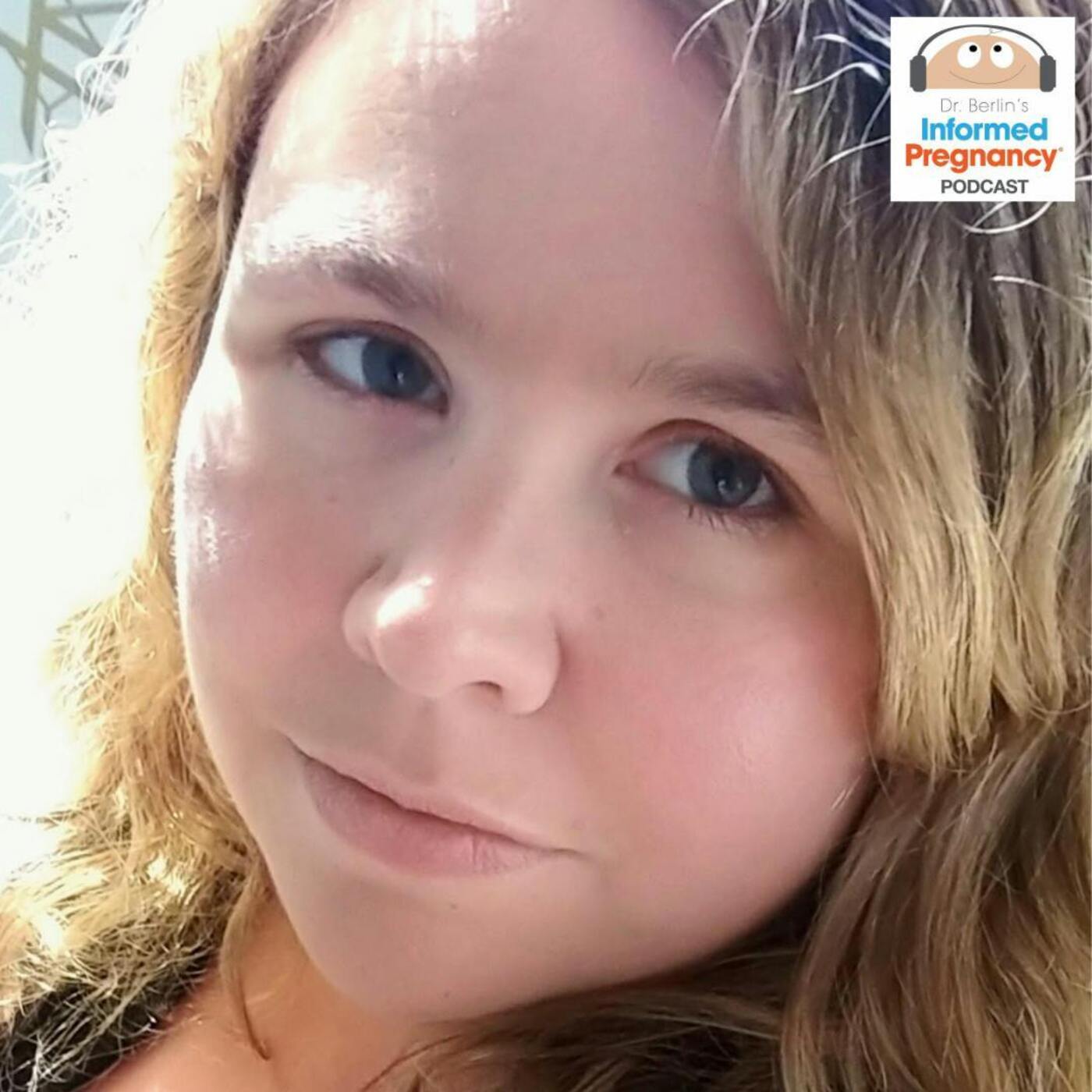
Librarian turned software developer Kelly Potter share her unique conception and pregnancy journey including her battle with HELLP syndrome, a rare yet life-threatening pregnancy complication that most people dont know enough about.

Learn more about your ad choices. Visit megaphone.fm/adchoices
See Privacy Policy at https://art19.com/privacy and California Privacy Notice at https://art19.com/privacy#do-not-sell-my-info.
Key quotes
“I ended up switching sperm donors halfway through the process because I wasn't having any luck with the first one. And I had enough money to buy two more vials because FYI, it's pricey stuff.”
“I told myself, if this doesn't work, it will never work because my numbers that month had been really, really stellar. Very similar to the first month.”
“And honestly, it was even, probably throughout the whole time, even though you get past all the markers and everything looks good, every single time you go for another test, you're just not sure.”
“What it ended up being was that I would get a fever around the same time, the same time as I would have back pain. And they coincided, which is very strange. And so I would take something, the fever would go away, the back pain would kind of subside.”
“You know when they told me what it was I basically said listen, I don't want to know don't tell me You're just gonna freak me out. I'm not gonna Google it. Let's just go on And I did I really kind of went into like self-preservation mode at that point”
Related episodes
- Ep. 182 Randi Wood – Birth Story
- Ep. 188 Joanna Bavero – Birth Story
- Ep. 141 Jen Lilley – After Birth
- Ep. 174 Ildiko Ferenczi – Birth Story
Transcript
AI-generated transcript with speaker labels — may contain errors, especially names and medical terms. Dr. Elliot Berlin, DC appears in blue; Kelly Potter in orange.
Download PDF of the Transcript
Dr. Elliot Berlin, DC [1:36] Welcome to the informed pregnancy and parenting podcast. I'm your host dr Elliott Berlin today's episode is a pregnancy and birth story that includes a rare but serious pregnancy complication my guest has an undergraduate master degree in sociology and Library science she is a software developer in North Carolina and also the proud mother of a new baby boy Her journey to motherhood had some bumps in the road But despite the hurdles she's crossed the finish line and has graciously offered to share her story Kelly Potter. Welcome to the podcast
Kelly Potter [2:09] Thank you so much. Dr. Berlin. I really appreciate you being here and having me. It's my pleasure
Dr. Elliot Berlin, DC [2:14] And also, you know, we pretty much end every podcast by saying if you have any Topics that you'd like us to explore talk about just reach out You always reach out by Instagram or email and I bet some people think now they probably don't really pay attention But we do we listen to every single one and that's how we were able to connect with you
Kelly Potter [2:32] Yeah, I was actually kind of shocked I went back just out of curiosity to look through the podcast that you had done and didn't see anything about health syndrome and so I thought you know, that would be an excellent topic to discuss sometime because it was definitely nothing that I had ever Heard of when I was told by my doctors that that was what I had
Dr. Elliot Berlin, DC [2:51] Yeah, and health syndrome, which is the complication that you had is not really common and we in fact don't have an episode But we're gonna share your story and then on our next episode We're gonna bring in an obstetrician to talk about it from the more clinical perspective. Let's start at the beginning Where are you from?
Kelly Potter [3:08] All over I was born in upstate New York and spent my formative years outside of Chicago and I came south for College and never left. So I've been in North Carolina for almost 20 years I'm actually officially a Southerner now, which is very weird
Dr. Elliot Berlin, DC [3:25] You've heard in your accent a little bit
Kelly Potter [3:28] No, I I don't think I'm ever gonna get the accent and if this baby ends up with an accent I'm not sure I can love him And you know, I'm really lucky to be where I am actually and you know, I've been in Durham for a long time now
Dr. Elliot Berlin, DC [3:49] So it's home now making software
Kelly Potter [3:52] Yeah, that's a weird one considering my background sociology the software library science Yeah, that was not a normal path. But the company that I worked for is They highly value finding talent in strange places and that ended up working out really well for me
Dr. Elliot Berlin, DC [4:08] And I've been there for almost 15 years now. I feel like with library science you have to be extremely organized
Kelly Potter [4:14] Yes, and that indeed is a trait that I have You know and that's actually why they hired me because I could do research really well and they needed somebody to do research on a Product that they had and I morphed that into software development somehow and I'm not the best software developer But I try every day to learn more so that they have no reason to fire me because I love
Dr. Elliot Berlin, DC [4:38] The librarian and our local public library is an app developer. So there you go
Kelly Potter [4:42] Yeah, yeah, you know you have to especially in this day and age you have to have many cats And that's that's actually a good thing. I think just in general. I have the mommy ham Yeah, that's a weird one one that I definitely never expected to ever because you didn't want to have kids originally necessarily. I never really had given it a whole lot of consideration. In my head I thought to myself that you know I'll find a person and when I find that person then you know maybe I will maybe I won't want children. But as I started getting closer to the age of 40 I started kind of thinking about it a little bit more seriously because I knew that window was going to close
[5:23] for me very soon. And you know after about two years ago you know I thought let me just explore this option and see if it would even be possible for me to have a child on my own. And I was able to you know hook up with a really great fertility clinic here and they were very enthusiastic even considering my age. And they worked very hard and it actually did happen. You know in my head I was prepared for either one. If I got pregnant then then it was meant to be and if I if I didn't then that was also okay. So I mean getting
Dr. Elliot Berlin, DC [6:01] pregnant on your own it still seems like there were some options. Oh yeah
Kelly Potter [6:05] you know and it's funny because I have friends that got pregnant through a known donor. And you know and when I was thinking about it I decided a sperm donor would be the best way to go because I wanted you know I selfishly I guess wanted to have my baby all to myself and not have to worry about any kind of consequence there. And you know that was an interesting process in and of itself. You know it's very strange. It's like tinder for you know children. You know you just have to go through and figure out what you want your child to look like. And it's a very strange process and it was very weird. But it was you know it all turned out pretty well. So Freya was an anonymous donor through an agency. Yeah so it was anonymous but you know one of the things that I
[6:48] decided I wanted to do was to make sure that it was a donor that was willing to openly share their information when the children turned 18 because I didn't want my child if I had one to grow up not knowing anything or not ever being able to find out. Because to me that question mark over you know themselves their whole life wouldn't be fair. So I wanted to at least give them the option to find out as much as they could about their donor when the time was right. So when you work with a sperm donor is it intrauterine insemination? Yeah so the fertility clinic you know there's definitely different options. We decided to start with IUIs because they're definitely
[7:32] the cheaper route and see how they go. And after three IUIs the first one actually ended in miscarriage but it was very early on. Oh I'm so sorry. Not you know and it was it was shocking to get pregnant right off the bat and it was even more of a kind of a roller coaster to lose it so fast as well but it was definitely an introduction to the world of infertility. And by the time I hit the stage where we started to discuss IVF you know through testing what we realized was that I really didn't have very many eggs left. They have hormone levels that they can look at to see how many follicles that you possibly have left. And my number even though I was only 39 at that
[8:14] point was much lower than what somebody would normally see. So even for my age I had very few eggs. We decided to try IVF anyway. You haven't frozen eggs. No no you know and that's unfortunately it's still a very expensive process essentially going through IVF up into the point of inseminating you know like and bringing them back in. And so that process in and of itself is very expensive and you know when you're 25 or 30 even and if you don't have everything together necessarily you're definitely not trying to spend that kind of cash. So it's definitely and that was not anything I had ever considered. So for me it was you know IVF wasn't a wasn't going to work. So you
[8:56] did a few rounds of IUI? Yeah tried IVF for one round. It was a lot of hormones. You know I never made more than one or two eggs and by the time we hit IVF and I was doing the shots I still didn't make more than two eggs and it wasn't worth the expense really to try and extract them at that point. So we just continued with IUI after that. So you did stimulation for an IVF cycle but you never retrieved the eggs? Exactly yeah we ended up switching to IUI that month just because there just were no eggs.
Dr. Elliot Berlin, DC [9:31] So IUI in case somebody doesn't know is you're essentially taking that sperm and using a little catheter to place them into your uterus. Right at school there's no meal man. Their lunch is packed and everything is good. And the
Kelly Potter [9:48] nice thing about sperm donors is that they're so selective in their process to be a sperm donor that the sperm donors themselves have very high ratios of sperm. or like super sperm. So it's about the best chance you can get. I ended up switching sperm donors halfway through the process because I wasn't having any luck with the first one. And I had enough money to buy two more vials because FYI, it's pricey stuff. I paid about $1,000 a vial.
Dr. Elliot Berlin, DC [10:21] Wow.
Kelly Potter [10:22] Uh-huh, yeah. And I did it six times, so.
Dr. Elliot Berlin, DC [10:25] Wow.
Kelly Potter [10:26] So next time you're wondering about that, yeah, you're just, it's a lot of money.
Dr. Elliot Berlin, DC [10:30] You wouldn't think, because.
Kelly Potter [10:32] Yeah, well, you know, these companies, they do a ton of genetic testing now. They do genetic testing, personality tests. There's profiles, interviews recorded. The family history is crazy extensive. The stuff that they really dig deep with these guys. And so they have to pay for that somehow, I suppose. And the end user ends up paying the price on that one.
Dr. Elliot Berlin, DC [10:57] And each time you do a cycle, it's one vial?
Kelly Potter [11:00] Yep, yeah.
Dr. Elliot Berlin, DC [11:01] So you had two vials left.
Kelly Potter [11:03] Yes, I had two left. And the very last one that I tried worked. It was my very last try.
Dr. Elliot Berlin, DC [11:08] Oh, wow. Did you get the sense that it worked before you knew you were able to test one? You felt it.
Kelly Potter [11:15] I did, yeah. I told myself, if this doesn't work, it will never work because my numbers that month had been really, really stellar. Very similar to the first month. My estrogen levels at that point, that's one of the things they use to kind of check the growth and the strength of the follicles that you have. They had been previously pretty low, but the first month had been really good and this month was even higher than the first month. And so I told myself, this is it. It's happening or it's not happening. And it did.
Dr. Elliot Berlin, DC [11:43] Because you previously had a miscarriage, were you nervous even though you found out you were pregnant?
Kelly Potter [11:49] Oh, yeah. I don't know that any person that's ever had a miscarriage doesn't harbor some kind of, stepping away from that a little bit to just give it some time. It's hard to emotionally invest for a while. And honestly, it was even, probably throughout the whole time, even though you get past all the markers and everything looks good, every single time you go for another test, you're just not sure. And for me, at my age, it was something, I did a lot of other tests too. Yeah, that's really hard to get past. It is, but.
Dr. Elliot Berlin, DC [12:26] But you did it.
Kelly Potter [12:27] But I did, yeah. And it was different from the very beginning. So I knew he was a strong one in there.
Dr. Elliot Berlin, DC [12:34] Literally from the first minute, this baby had already overcome some odds stacked against you.
Kelly Potter [12:42] Yeah, it really was sort of miracle on that one that it even worked. And I felt very, very lucky.
Dr. Elliot Berlin, DC [12:48] It was meant to be?
Kelly Potter [12:49] Yeah.
Dr. Elliot Berlin, DC [12:50] All right, let's take a little break now that you're pregnant in our story and find out a little bit more about your pregnancy. Don't go anywhere. We'll be right back.

Dr. Elliot Berlin, DC [15:24] Welcome back to the Informed Pregnancy Podcast, we're talking to Kelly Potter. Well, it took a bit, but you got pregnant. How was your pregnancy? How did it feel once you got deeper into the pregnancy? How was your first trimester?
Kelly Potter [15:37] I felt that I had spent enough money to have warranted an easy pregnancy.
Dr. Elliot Berlin, DC [15:42] If only you could buy that.
Kelly Potter [15:46] Yeah, and indeed, like the first part was actually very, very nice. I really didn't have a ton of nausea, nothing that a little food, you know, you just realize after a while, even though you feel like trash, you have to eat something because it will make you feel better. And, you know, you get through that and it really, for me, wasn't terrible at all. And so I felt pretty lucky in that way. And I really didn't hit any kind of real issues until probably the second trimester. I ended up having like fairly severe, at least in my mind, carpal tunnel.
Dr. Elliot Berlin, DC [16:21] Oh, in both hands or one?
Kelly Potter [16:23] Yeah, it was in both hands, too.
Dr. Elliot Berlin, DC [16:24] And you're a computer person.
Kelly Potter [16:26] Yeah, that was special.
Dr. Elliot Berlin, DC [16:28] Oh, wow. Did you try anything to to treat it?
Kelly Potter [16:33] I had all throughout my pregnancy and prior to during fertility treatments, I saw an acupuncturist who was also a Chinese herbalist. So the acupuncture did help quite a bit with the carpal tunnel. Yeah, it was it was really it was, man, it was rough. But even then, I still told myself, could be worse. This is not that bad. I will I will be fine. This will be OK. You know, you just learn to like sleep in very few positions. And it ends up being OK at the end. But yeah, that was rough. But, you know, my OB, even though I was what I would call old and what most medical doctors would call old, I turned 40 in my first trimester. They call it a chiropractor.
[17:18] Yes, indeed. Pregnancy. But, you know, my OB was pretty they were pretty chill about it, honestly. They you know, I asked them, I was like, am I high risk? And they said, no, not until you do something or show us something that's going to make you high risk. And I really cool. Yeah, I wasn't 100 percent sure I would be able to find a doctor that that would do that and have that kind of mentality because you hear horror stories about people, you know, having these issues with their doctors. And mine was really great about it. And it made me feel normal throughout the pregnancy. Honestly, you know, they weren't pushy. You know, they said, yeah, you'll have some extra tests.
[17:59] And if everything looks good, then it's going to be fine. And you'll deliver at the hospital that is the low risk pregnancy center and you'll be fine.
Dr. Elliot Berlin, DC [18:08] Did you do testing? Did you do any of the early on testing? Did you do extra testing?
Kelly Potter [18:14] Yeah. Yeah, I did. I did whatever they offered, essentially. I have really good insurance. Thank you, company. Honestly, shout out to them. I've been able to have done any of this. They pay for fertility treatments up to 20 thousand dollars.
Dr. Elliot Berlin, DC [18:30] That's amazing.
Kelly Potter [18:31] Yeah. No, there's no way not. There's no way I would have been able to have have gone through this process without that. There's just yeah, there wasn't any way. So I feel very lucky in that. And yeah. And so my insurance covered all of the things that were necessary. And we did do genetic testing. And it allowed me to see the baby quite a bit more because, you know, you get a lot more ultrasounds. In those cases. So we got to get to see him quite a bit, which was which was fun. But no, none of those. None of those were he passed all his tests with flying colors. He was measuring big throughout and he was doing pretty well. And it was me that had the problem, not him.
Dr. Elliot Berlin, DC [19:12] Oh, yes. So I mean, outside of the carpal tunnel, what else did you experience?
Kelly Potter [19:18] Yeah, that was I mean, you know, it's an interesting it's an interesting process, you know, feeling the baby move for the first time, knowing what to expect. And, you know, honestly, your your podcast really helped me there because, you know, I like to do my research, obviously. And I had read a few books. I wasn't going to get crazy. But being able to hear people actually converse on subjects, it's just a much better way of really kind of ingesting information that you want to keep. Having conversations is something that we don't do. Well, we definitely currently only do it through things like this now. But, you know, it's it's kind of a loss.
[20:00] the art of storytelling and you know the older generations passing down information to the younger generations in that way. People Google things and they forget to ask other people that have had similar experiences and so I think that this format really you know I put it on and in my car my way to work and you know make my friends listen to it and it was just a nice way to start conversations about things that weren't necessarily always at the tip of your tongue. Well then we'll keep making them. Yeah no I appreciate it and all the people that are currently listening appreciate it too I'm sure.
Dr. Elliot Berlin, DC [20:36] Oh thank you. Yeah so you started to feel less well at some point in your
Kelly Potter [20:42] pregnancy. Yeah you know it was it was early in my third trimester when I started seeing some weird stuff. Like what? Well you know and it's interesting now you know looking back on it hindsight the first time I felt any kind of strange my OB had kind of written it off as indigestion. I had just had the glucose test and also they had given because of my age any number of other risk factors they had given me a 24-hour test for my urine to check for protein just because of the you know all of those things they wanted to make sure for sure that I didn't have any kind of risks of preeclampsia and I had passed that test not two weeks prior you know so
[21:27] throughout my blood pressure had been fine so when things started to go badly they went badly real fast but they weren't so acute that it wasn't easy to pass off as something else is the thing. So the first symptoms that I had was a very strange pain in my upper back that I know and it kind of traveled around to my front it was just like that whole circular you know right under my ribcage and it happened twice in a row like in the evenings. Oh just like a fleeting pain? Yeah it almost came in a wave and it lasted for maybe 45 minutes or an hour and I'm like this is not normal this is weird and you know after the second day I was like I've got to ask the
[22:12] doctor about this but and I had a woman that week and she said you know your stomach's in weird spots it's probably indigestion and I was like well that's some indigestion like I have never had before but it never happened again so I you know I kind of wrote it off what it probably was in hindsight now was actually my gallbladder but your gallbladder and your liver are very close to each other and so I'm not sure if ultimately it did maybe turn itself on due to the the other factors that occurred later or not but it definitely was kind of that first indicator I'm actually having my gallbladder removed on Monday so two surgeries in one year it's very exciting yeah that came back hardcore a couple of months after I
[23:02] gave birth and so that thing's got to come out it's very very painful very yeah it's crazy it's crazy weird I you know I just assumed it would not come back because once I gave birth I assumed all pain that I had had
Dr. Elliot Berlin, DC [23:15] previously would be gone does it also I mean is it just pain or do you get
Kelly Potter [23:19] nausea and vomiting and I did yeah I finally did experience the whole gamut of that kind of pain after like it was probably a month ago I went it up at the ER because this is just not normal because of the pain yeah it was bad and you know I didn't get to go through birth so I'm not sure how that equates it was pretty intense the pain and I thought maybe I'm having a heart attack you know because with women it's different and the way the pain was you know it was definitely close enough to the upper coordinate of my body that I just wanted to make sure you know because it came along with you know heart palpitations and I felt really really really terrible and
[24:03] my blood pressure was high oh hi do you remember I got to bring home a blood pressure cup with me it was it was probably like 150 over 90 something yeah yeah and I didn't want if this was still repercussions from the previous thing I didn't want it to be something that I let go for too long so I didn't wind up in the ER and the person that checked me in was like this is definitely your gallbladder like why didn't somebody tell me this before why do you know so much he's like you're over 40 you're a woman and you just had a baby right I mean you know when you're
Dr. Elliot Berlin, DC [24:37] studying in school and health care sciences they kind of put mnemonics for things and it's not the nicest mnemonic that they have for gallbladder syndrome at least in our school but it was all the F's so 40 fertile fat was all of those and so I don't know why that never came up previously, but I think, you know, that got overshadowed by all the other things. By the way, just so you know, the first patient who I ever saw with gallbladder disease was a skinny 19 year old guy. So he obviously didn't read the textbook. He baffled me for a while. Gallbladder was the last thing on my
Kelly Potter [25:20] mind. That's definitely not normal for sure. So right when you got there, they knew who your gallbladder was? Oh yeah, he was like, this is definitely that. And you know, a scan of that later on showed that there were a couple of issues in there. And, you know, ultrasound? Yeah, they ultrasound in me. They could see some sludge is what they like to call it. You know, and I hope my acupuncturist doesn't listen to this because she definitely wants me to get rid of it with her herbs. But, and you know, and I would if I didn't have to take care of this child while I was also going through those attacks, but it's pretty painful and it's very difficult.
[25:59] And it scares me to think that I might have one when I actually need to be moming. And it's not that easy because they're very terrible. So this thing's got to come out. And so I will. It's extra hard as a single parent because it's one on one. Well, and you know, and that's one of the things, you know, with all these things that kind of occurred, it really it makes you stop and be a little scared, you know, what happens. And, you know, it was something I thought about before, obviously, but it definitely puts in perspective when you're literally in some kind of pain or in some kind of scary situation like I was in because you just don't know.
[26:38] And now anything that is wrong with me or could possibly in the future be wrong with me would affect him. And so there's an added layer of stress on that responsibility.
Dr. Elliot Berlin, DC [26:49] It's huge responsibility. All right, Kelly, let's take a break and find out how this continued and how your ultimate birth and recovery went. We'll be right back with Kelly Potter. Welcome back to the Informed Pregnancy Podcast. We are talking to Kelly Potter. So after a long journey to pregnancy and a pretty good first trimester, a little carpal tunnel pain, but then you start feeling these unusual symptoms, bleeding episodes of pain in your back, wrapping around to the front. What happened after that?
Kelly Potter [27:31] Yeah, so a couple of weeks after the initial problem began, what I assume it was at least the precursor to that, I started feeling like I had the flu and this all happened very fast. It was a Monday and I was sitting at work and I clearly didn't look good. I only found that out later because everybody was like, oh, no, you look really bad. But, you know, when you start to feel sick and you just go downhill really fast and I really thought I just had like some kind of sickness, the flu or something. It was like getting hit by a brick wall. I felt hot and, you know, just gross. So I went home and took my temperature and I had a fever, which is not normal for me.
[28:12] So, you know, I went home, took Tylenol and kind of went to bed and just hoped for it to go away. And it did to a certain extent. I was able to control the fever. The fever wasn't super high. And so I called my OB and told her what my symptoms were. I felt like I was coming down with something and I did have a fever. They weren't super concerned by the fever because it wasn't 100.4. And I had an appointment anyway on Thursday. So they were like, listen, if it gets worse, call us, you know, if it stays the same, we'll just see you on Thursday and we'll talk about it. So, you know, I actually started to sort of feel a little bit better, but the pain was weird.
[28:54] What it ended up being was that I would get a fever around the same time, the same time as I would have back pain. And they coincided, which is very strange. And so I would take something, the fever would go away, the back pain would kind of subside. But all of this happened very fast. And the symptoms didn't really, none of it was that concerning. I just felt sick and very tired. And it sort of went away. By Wednesday, I felt OK again. And I decided I would try to go to work Thursday after I went to my OB appointment. So once I got to the OB's office, I really was expecting it to be kind of a cut and dry visit and then leave situation. It ended up not being like that.
[29:41] Of course, I went in and they took my blood pressure, which, of course, is the very first thing they do. And it was high. It was probably 150 over something, maybe 85. She was like, you know, nurses are great. They're like, let's just take a second and try that again. Yeah. See how that goes and she didn't wait though like a lot of times I'll be like I'm just gonna go do some paperwork and come back in ten minutes while you breathe But uh, she took it again and it ended up being much lower. It was like 132. Okay So I was like, okay beat that that was a fluke It was weird, but whatever and but because I'd had some strange symptoms earlier in the week the doctor as you know
[30:22] she wanted me to pee in a cup just to check and She came back and said, you know, there is some protein in this and so What we want you to do is go to the hospital and get the labs done That will come back fast because they won't come back fast here. We just want to make sure so they sent me to the hospital Just to make sure So, I mean I've that way at the hospital I drove myself that way to the hospital and they you know did a blood test and And it was really just a check to make sure I didn't have any kind of like preeclampsia
Dr. Elliot Berlin, DC [30:55] How quick did you get the results?
Kelly Potter [30:57] It was fast it was fast my my brother showed up he he works at the hospital. Oh Very convenient. I have many I have many nurse friends at the hospital and you know So it was all very just kind of I just was annoyed that I had to be there I had had some normal preeclampsia to that point that I really hated to have a mark on my grade if you will That's just the person that I am. I just I hate that so I was more annoyed that I had to be there in You know, I'm sitting there and you can tell I've never been in a hospital before for anything ever She handed me a robe and she was like, you know put this gown on and I put it on backwards I'm so used to being at the OB's office where you know, you everything's out front. I don't
Dr. Elliot Berlin, DC [31:45] What did you find when you got your blood work back
Kelly Potter [31:47] Well, you know, it's all kind of a blur at that point You know, they got my blood were back and the attending physician came in with like three other people She sat on that she sat on the bed and she was like listen Do you know why you're here and I was like, yeah, I think you're just checking for preeclampsia Cuz you know, I knew people that had had it and they just you know, maybe kept him overnight Gave him some drugs kept it under control sent him home said, you know watch it Make sure it's you know, you're not getting yourself stressed out. So even in my head worst-case scenario I was gonna be okay. It was gonna be fine So when she said listen, we think that you have help syndrome and we need to take the baby out. I
[32:34] Started basically just bartering with her because I'm like this. I'm almost 30 weeks. Can we just wait a couple of days? Well, you were just 30 weeks. I was 29 weeks in five days. Wow
Dr. Elliot Berlin, DC [32:45] That's so scary at that point had you ever heard of help syndrome before
Kelly Potter [32:50] Never and you know, I read a book a whole book I read a whole book on pregnancy and birth and I'm like, why is that? No, it's such a random and weird thing and they know very little about it Just in general that it's something that doesn't get talked about a whole lot. I think
Dr. Elliot Berlin, DC [33:09] It's H E L L P So there's two else and then it's a combination of things a syndrome is a combination of things So homolysis is where your red blood cells start to break down. That's the H E L is elevated liver Enzymes and then LP is low platelet count, which is not a fun combination Did they rate your case on severity?
Kelly Potter [33:31] I and I had a platelet count of 60
Dr. Elliot Berlin, DC [33:35] Right at the cutoff for the most severe case Wow Yeah, I imagine they didn't order very much with you
Kelly Potter [33:45] You know when they told me what it was I basically said listen, I don't want to know don't tell me You're just gonna freak me out. I'm not gonna Google it. Let's just go on And I did I really kind of went into like self-preservation mode at that point Because I knew what was about to happen was gonna be scary and they're like we're gonna deliver this baby
Dr. Elliot Berlin, DC [34:09] Now were you allowed to be awake for the cesarean?
Kelly Potter [34:13] They offered that as a possibility, but they said that because of the low platelet count They felt that it would be better if I was not a little jealous Asia. Yeah, and I told them that was fine I don't want to know or see any of this Wake me up when it's over. That's fine I mean, you know and I guess that's a certain kind of way to deal with something But honestly and that was essentially how it happened. I walked into that place at 10 a.m And he was born at 1230. Well, you could still get your car from the valet. Yeah, basically Lost it later that week accidentally, so I had to like file a police report, but oh boy
Dr. Elliot Berlin, DC [34:54] That's an incredible like just I'm putting that together in my mind just from like not feeling great to going in before even 30 weeks, how scary that is to have a baby that early, and then also just to find out that you're really very sick.
Kelly Potter [35:11] Yeah, he was fine. They ultrasounded him. He was chilling in there, like no problems.
Dr. Elliot Berlin, DC [35:17] You were very sick.
Kelly Potter [35:19] Apparently.
Dr. Elliot Berlin, DC [35:20] How did he do with a premature birth?
Kelly Potter [35:22] So you know, I once again, I'm very lucky. I was at a stellar hospital and I couldn't have been in a better place for the situation. Honestly, you know, their NICU folks are amazing. I handed the nurse, I handed somebody my phone. She said she would take pictures and she did, you know, and the anesthesiologist. Yeah, they knocked me out. They gave me magnesium and steroids and FYI magnesium is no joke.
Dr. Elliot Berlin, DC [35:50] Oh, it's gnarly.
Kelly Potter [35:51] Yeah, I was not prepared for magnesium. That sucker was painful. But yeah, it was just all very fast and he was out very fast. And side note, I woke up during the surgery.
Dr. Elliot Berlin, DC [36:04] No.
Kelly Potter [36:05] And pulled out my breathing tube.
Dr. Elliot Berlin, DC [36:06] Oh my goodness.
Kelly Potter [36:07] For extra fun.
Dr. Elliot Berlin, DC [36:08] Wow.
Kelly Potter [36:09] Yeah, that was good. I couldn't understand why my throat hurt so bad. I realized that I had a tube down my throat, but it turns out they had to take me twice.
Dr. Elliot Berlin, DC [36:19] That's insane.
Kelly Potter [36:20] Yeah, yeah, that was super.
Dr. Elliot Berlin, DC [36:21] They intubated you. They intubated you twice.
Kelly Potter [36:23] They intubated me in the middle of the surgery again after I woke up. But from what I understand is when they do C-sections, they don't want to overkill it because the baby. And so it's possible that I just did not have enough.
Dr. Elliot Berlin, DC [36:39] Oh, literally, because I didn't know your birth story until right now. I mean, it's literally one surprise after another. How did you both recover?
Kelly Potter [36:49] It was A plus. I will say it was, I don't want to say it like I was proud of myself, but I was. I was never sure how, you never know how you're going to recover from something like that. And all my blood tests were pretty terrible at that point, but my platelets went up very fast after the surgery. My liver took a little longer. They were a little concerned about that, but it did eventually go back up in the right direction. It just took a little bit longer. I blamed the drinking in college for that. I'm not sure why, but yeah, it took a little bit longer for that to recover. But I was fine. The C-section went well in general after the other problem, but I was up and out
[37:32] in five days. And I count myself as lucky. I've heard pretty terrible stories about help syndrome and a lot of people need transfusions and they end up in the ICU for a really long time.
Dr. Elliot Berlin, DC [37:45] How long was your little guy in the NICU?
Kelly Potter [37:47] He was great. He was a fat preemie. He was two pounds, 15 ounces when he was born. So he was a pretty big preemie by their standards.
Dr. Elliot Berlin, DC [37:58] Yeah, for 30 weeks.
Kelly Potter [37:59] Yeah. So, you know, really the only thing he had to do was learn to breathe on his own. So he had a cannula for probably three or four weeks.
Dr. Elliot Berlin, DC [38:08] In the hospital?
Kelly Potter [38:09] Yeah. So he was in the NICU for two months.
Dr. Elliot Berlin, DC [38:12] Two months.
Kelly Potter [38:13] They tell you to expect that he will be there until he's supposed to be born. He was able to come home a couple weeks early, which was good. After his lungs started developing, he started putting on weight. He grew like a champ. That must be a surreal moment when your due date comes and your baby's over two months old. Yeah, it was a very strange thing. You know, he'll be under a corrected date for like a couple of years. So he's a big preemie, but he's tiny for his real age kind of thing. But he's about 13 pounds now. He's cut up real fast. He's a good eater and he has had no repercussions from this really whatsoever. His eyesight and hearing, which is where they're two of the things that they're most worried about when they come that early, had been fine.
[38:58] Thankfully. And he passed all his tests. So for the way it started out, the outcome really honestly couldn't have been better. And I'm very thankful for that. And, you know, just the dedication of the hospital workers, because not a couple of weeks later, they basically shut the hospital down.
Dr. Elliot Berlin, DC [39:18] You know, because you had your baby right before the pandemic.
Kelly Potter [39:22] Yeah, yeah. And it's a very strange thing to go to a hospital every day during a pandemic. And you start out seeing this very busy bustling place and you think, OK, well, pandemic, it's going to be insane. But it was just a ghost town. You know, people stop going for other things.
Dr. Elliot Berlin, DC [39:38] Yeah, they don't go for other things. They cancel elective surgeries.
Kelly Potter [39:42] You can't bring people with you. Yeah, it's empty except for you. And I know those NICU nurses, it was a struggle for them because they want family there because that's the one thing that really helps these preemies to be around their people and to have that skin-to-skin contact with their people. visitors but you know those nurses in those NICU words are now taking on like double-duty they're taking care of these babies and they're also trying to kind of provide those babies with as much exposure as possible to other people while still being safe. Impossible job it's always so impressed and so grateful for the people who choose to spend their career doing that it's
[40:25] You know and I see my friends every day that are nurses at the hospital and they just they're powering through it like champs and they are the most impressive to me honestly because they they really take it all in stride. Well you know I
Dr. Elliot Berlin, DC [40:40] don't know if you know this but I had COVID and I was in the ICU for a while and you know it was one person after another was just so amazing each of the doctors and the nurses and the different therapists they were just really incredible and selfless and professional and compassionate so grateful. Kelly, what an interesting story and you know you climbed a mountain a giant mountain and I really appreciate you coming on here to share it we had not done an episode about help syndrome and so hopefully people won't experience it it's not super common but you know at least if you at least if you do you can kind of you start having these symptoms like this
[41:25] you can get on top of it early and also like I said I'm going to have Dr. Michelle Tsai on our next episode talk about this from a much more
Kelly Potter [41:34] clinical perspective. It's one of those things you never really know how your pregnancy is gonna go and you just have to be open to the way that it will end up and trust in the individuals that you have chosen to help you along the way because really that's the the most important thing and if you can do that then you know you can be calmer when stressful situations
Dr. Elliot Berlin, DC [41:55] like mine do happen. It's extremely well said. Thanks so much for joining us and for sharing your story at home as always thanks for listening to the informed pregnancy podcast. If you like our program share us with your friends and leave us some feedback in your podcast app. Kelly's living proof that we do read your correspondence and we get back to you and your topics are important to us and we'll cover them as soon as we can and for more information visit us online at informedpregnancy.com
Want more pregnancy + parenting? Start your FREE TRIAL of Informed Pregnancy+ and get access to all our curated pregnancy and parenting content — original series, iconic birth films like The Business of Being Born, prenatal workouts and more.
