
July 9, 2020 · 40 minutes · Episode 183
About this episode
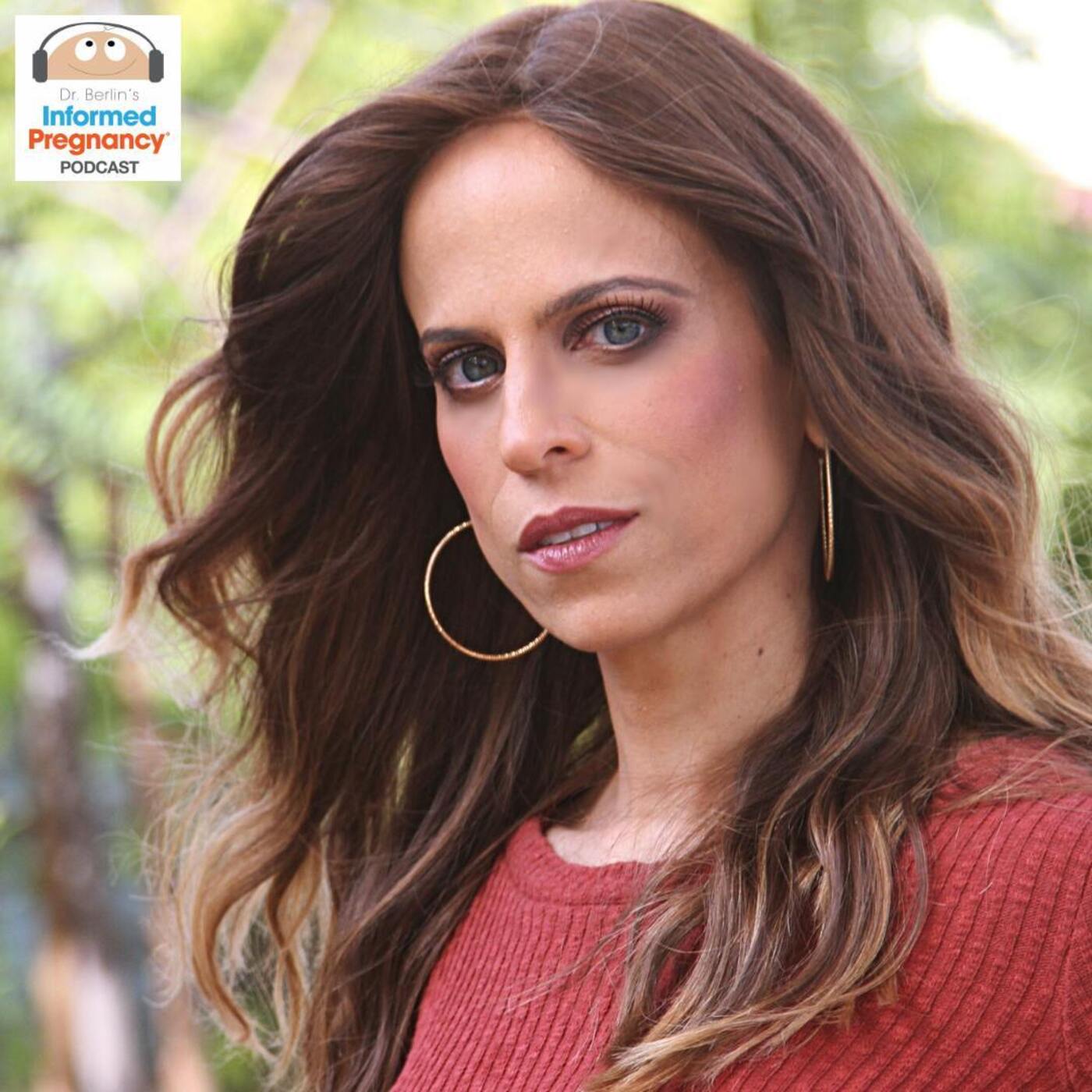
Dr. Alyssa Berlin is a clinical psychologist specializing in individual and couples counseling before, during and after pregnancy and is the creator of The AfterBirth Plan workshop – a program that helps expectant couples baby proof their relationships and to prepare for a physically and emotionally healthy postpartum transition. In this episode, Dr. Alyssa shares invaluable insight into postpartum mental health and common struggles new parents often experience.

Learn more about your ad choices. Visit megaphone.fm/adchoices
See Privacy Policy at https://art19.com/privacy and California Privacy Notice at https://art19.com/privacy#do-not-sell-my-info.
Key quotes
“And let's even just clarify for all of your listeners that perinatal really is the time period from conception through that first year postpartum. And we can talk more about why that's important, but recognizing that, you know, symptoms of anxiety or depression can and often do start during pregnancy and that's often a missed part of it.”
“And it's such a great juxtaposition for women to be able to see and to connect with and to know, hey, good moms have scary thoughts. It doesn't make you not a good mom. It just means that you're normal.”
“this one's on you. And this awareness that real teams don't keep score. Within the team. Within the team. You know, and so that notion of, you know, if you're at home with new baby and you're like, I changed three diapers. Hey, I'm not changing another diaper until you catch up and do your three, because we're a team and we're going to keep this even. You're not really being a team.”
“it's something you're doing for baby because baby will be the direct recipient of that energy that you have. And again, that's an OK place to start. I'm doing it for baby. At some point, I want it to shift and I want you to be doing it for yourself.”
“seeking treatments and intervening sooner than later, because it's not your fault, and you're not alone, and with help you will get well. And that's Postpartum Support International's universal message, which is”
Related episodes
- Ep. 438 Postpartum Preeclampsia with Dr. Jamie Barstein and Dr. Nathan Fox
- Ep. 421 Sheridan Hathaway: After Birth
- Ep. 188 Joanna Bavero – Birth Story
- Ep. 182 Randi Wood – Birth Story
Transcript
AI-generated transcript with speaker labels — may contain errors, especially names and medical terms. Dr. Elliot Berlin, DC appears in blue; Dr. Alyssa Berlin in orange.
Download PDF of the Transcript
Dr. Elliot Berlin, DC [0:55] Welcome to the Informed Pregnancy and Parenting podcast. I'm your host, Dr. Elliott Berlin. Today we're going to talk about a sensitive subject that's grossly under addressed, and that is mental health, especially maternal mental health. My guest is a clinical psychologist who specializes in pregnancy, postpartum, and parenting. She's the creator of the After Birth Plan Workshop, a program that prepares couples for what to expect after their baby is born. She's a mother to four incredible kids, and she is my significantly better half, Dr. Elissa Berlin. Welcome to the podcast. Hi, hun. How's it going?
Dr. Alyssa Berlin [2:10] It's going pretty good.
Dr. Elliot Berlin, DC [2:11] Great dinner tonight, baby. That was amazing. Good.
Dr. Alyssa Berlin [2:14] Thank you. I know you pulled it together at the last second.
Dr. Elliot Berlin, DC [2:16] Welcome to the bit. Let's talk about psychology and mental health. That's your passion. It's what you've been doing for a really long time. You know, look, we met, gosh, a long time ago in summer camp, and you were already interested in psychology then. What gave you such a strong interest in psychology?
Dr. Alyssa Berlin [2:34] You know, I think it felt like almost a foregone conclusion. It just seemed like a role that naturally found me in terms of I was always that person that friends would come to to talk about what was bothering them, parents, siblings. It just seemed like I was the point person. So actually pursued psychology because, like I said, it just felt like it found me. And it wasn't until I started doing my training that I realized how deeply connected I really was to it. Yeah.
Dr. Elliot Berlin, DC [3:01] Also, our kids, they always go to you, not me. I'm going to keep working on that. So I go to you, everybody goes to you. When did you shift over to maternal mental health? When did that become a big part of your plan?
Dr. Alyssa Berlin [3:14] I think my story is not unique. I think as we were having our kids and, you know, here we are, we live in L.A. with no family.
Dr. Elliot Berlin, DC [3:22] Why very little with no family?
Dr. Alyssa Berlin [3:24] Nobody. That, you know, after that first child, you say, gosh, there's got to be more out there than just, you know, sink or swim. And so, you know, after baby number two was born, because that was probably the first time that I felt like I can come up for air and kind of actually think about getting something else done. I grabbed Sherry, our birth doula, and I dragged her to Colorado with me and did some extra training and discovered that there was a whole beautiful world that was starting to come together, you know, aimed at postpartum and perinatal mental health. And that just sent me on a journey. And then it was researching and looking and exploring and figuring out what else
[4:04] there is out there besides you just got to figure it out.
Dr. Elliot Berlin, DC [4:08] I mean, I think it's fair to say that mental health is under addressed in our country. I think there's a lot of stigma about mental health. You can have pretty much anything wrong with you physically and people feel bad for you. And then as soon as you have something wrong emotionally or psychologically, the question is, why? What's wrong? What do you think you did to cause yourself to be depressed? Right. Like it's your fault. Yeah. And also, like, you know, there's maybe a fear around it. Like, I don't want to be around you. I don't trust you. You're weird. You're different. Or it's catchy. Right. I'll get it. Yeah. And, you know, truthfully, I see in my side of the practice,
[4:46] I see a lot of people who struggle with just generalized anxiety, not necessarily around the pregnancy. That maybe gets worse during the pregnancy. A lot of fear, sometimes negative feelings, sadness or depression. And because you can't see. it and you can't touch it, it's harder to imagine what it's like to have it than, let's say, somebody who has an injury on their leg or some another disease that you can sort of see and relate to. And so you just sometimes, because it seems imaginary, you just want to shut it off for them, like a little light switch, but it clearly doesn't work that way. When it comes to maternal mental health or mental health, perinatal mental health
[5:26] before and after having a baby, would you say that there is more or less support than general mental health?
Dr. Alyssa Berlin [5:32] And that's a good question. And let's even just clarify for all of your listeners that perinatal really is the time period from conception through that first year postpartum. And we can talk more about why that's important, but recognizing that, you know, symptoms of anxiety or depression can and often do start during pregnancy and that's often a missed part of it. You know, it's an interesting question because in a lot of ways, pregnancy is the first time that people really take care of themselves and prioritize themselves in a different way because, you know, their bodies are now their baby's environment. And so for a lot of people, it's that first time where they will relax,
[6:13] eat better, exercise more, and really put that energy into self-care, which is lovely. You know, again, I don't know more or less. I think what's hard is that the picture that we have of having a baby is the Hallmark picture, the Instagram picture of like, this is amazing. This is so exciting. And so it creates this withdrawal of, well, then if I'm feeling this anxiety or this depression, there must be something wrong with me because that's not how it's supposed to go, if you will, that's not what it should be. And so we feel different and that can really clamp us down. And if we're not talking about what's going on, if we're not seeking that help or know to seek that help, because we don't know that this isn't normal
[6:57] or it isn't just what you have to deal with, it's hard to then reach out for that help and to get that, you know, the psychology or the therapy assistance.
Dr. Elliot Berlin, DC [7:06] For me, it's Facebook.
Dr. Alyssa Berlin [7:07] More than Instagram? You're a Facebook guy?
Dr. Elliot Berlin, DC [7:09] Well, yeah, my New Year's resolution was to be more like my Facebook profile guy. How would you know? Well, I'm just, well, yeah, I mean, he's got 20 pounds less than I do. That's a good start.
Dr. Alyssa Berlin [7:20] Hey, the kids and I support that.
Dr. Elliot Berlin, DC [7:23] He's just got a lot going on that I'm envious of.
Dr. Alyssa Berlin [7:26] But I have discovered that you're more of a Facebook than an Instagram
Dr. Elliot Berlin, DC [7:28] guy. I'll have to see if we could change that. Oh, you want me to be more of an Instagram guy? You know, I can work on it if it's important to you. The other thing I noticed, you know, also in the more physical, the body side of our mind body practice is that women tend to want to take care of themselves more and sooner. So at least with the physical thing. So, you know, we have a question on the form, whatever they came in with. When did you start feeling the sciatica or whatever pain it was? You know, men don't really come in until it's been there for a very long time. Usually they're coughing up blood, having a hard time breathing and limping very close to death.
[8:07] And I'll be like, how long have you had this? I'm like 12 or 13 years. And then for women, it's like, how long have you had that sciatica? And she's like, oh, it just started this morning. I thought I'd take care of it right away. Is that similar with mental health also? What do you say?
Dr. Alyssa Berlin [8:21] No, you know, it's an interesting kind of gender divide. And I think, you know, again, women tend to be, they seem to operate in a more emotional frequency and women tend to struggle with anxiety more often. And I think it's that anxiety that really oftentimes has someone come in and say like straight away, I want to deal with it.
Dr. Elliot Berlin, DC [8:39] Is there that same openness to deal with it on the emotional side?
Dr. Alyssa Berlin [8:42] I don't think so. I think it has to be something where it's now interfering with functioning and it's something that feels deeper or bigger, you know, before they'll come in and listen, it's hard, you know, and this is probably true on the physical side. I'm sure you could talk to it more, but a lot of the things that we naturally experience during pregnancy and postpartum, it's hard to differentiate them from things that are concerning, right? What new mom is sleeping well? So, you know, changes in sleep habits, which we'll see with depression or anxiety, we also see just in the postpartum period, changes in appetite. And so I think for some, it's even this feeling of, I don't know,
[9:21] is this normal? Is it not? And it's almost a wait and see when it comes to mental health until it reaches that point or until a loved one says, honey, this isn't normal, right? I'm watching you struggle. We need to do something. So I don't know that there is that same tendency to kind of jump on it the way you'll do with physical. I also think that for a lot of women, and we see this a lot, you know, when they embark on having a family, that health anxiety really comes up. And I think it's that health anxiety that contributes to people checking out physical ailments much faster.
Dr. Elliot Berlin, DC [9:53] What do you mean by health anxiety?
Dr. Alyssa Berlin [9:55] Anxiety around, you know, I'm feeling, you know, for someone who's feeling something. physical, and is it indicative of something bigger or more concerning? So like if I have a headache, maybe it's not just a headache, but something much worse.
Dr. Elliot Berlin, DC [10:07] God forbid, yeah.
Dr. Alyssa Berlin [10:08] Right, exactly.
Dr. Elliot Berlin, DC [10:09] See, there it is right there. Don't even say it. Don't put it out there in the universe. So that happens more so once you are on the way to parenthood?
Dr. Alyssa Berlin [10:18] Very much so. And again, having a baby is like having one of your organs walking around outside of your body.
Dr. Elliot Berlin, DC [10:23] How about that? I just had pictures of my liver and my kidney walking around. You have four kids, hon. Pick two more organs. Oh, yeah. Okay. Those two are weirded out, but I got to tell you, my heart and my bladder.
Dr. Alyssa Berlin [10:35] Yeah, but it is. There's just a different vulnerability that comes when we have a baby, and it does. It feels like there's a piece of us now on the outside that we're more concerned about and more concerned about anything getting in the way of us parenting or being there for our kids in that way.
Dr. Elliot Berlin, DC [10:49] Yeah, exactly. I mean, that's the first thing that came to mind is that if you're just you and don't have dependence and responsibilities like that, then it's one level of concern. But then once you bring these kids into the world, there's so much more responsibility pressure, it feels like.
Dr. Alyssa Berlin [11:07] Yeah. And again, it's still considered much more acceptable to come in and check on a physical ailment. There's no shame in that. So sure, I'll come in and I'll jump on it. Unfortunately, and although we've made a lot of strides, you talked about the stigma that exists with mental health, it still lives large. And there still is that thought or that feeling of, oh, no, what are people going to say or what are they going to think? Or in extreme cases, sometimes if they think, you know, that that person is somehow incapacitated or struggling, they're going to take my baby away. You know, we don't have those concerns with physical ailments the way we do
[11:41] with emotional. And that creates a very different hesitancy to seek treatment.
Dr. Elliot Berlin, DC [11:44] Right. So like even there, when you start to talk to people, they sometimes won't be honest with you because they're worried about that. Like if I'm stigmatized, will somebody take my baby? Will they say I'm an unfit parent?
Dr. Alyssa Berlin [11:56] Yeah. Karen Kleinman, who's huge in the field of maternal mental health, came out with an amazing book, probably a year or two now called Good Moms Have Scary Thoughts. And it's really a must have for all new families. And it's something that, I don't know, I keep giving them out or people keep taking them, but I can't hold on to my copy of it. But what I love about it is it's user friendly, a lot of great exercises, you know, suggestions of what to do. But she has these cartoon pages where, you know, she has kind of the talk bubble of what we project and put out there. So the person is like, oh, my gosh, you're glowing. And the person, you know, and they're like, oh, thank you.
[12:36] But then they have the thought bubble glowing. I haven't showered in five days. I haven't eaten in three hours. I feel so bloated or whatever. I'm struggling and I'm miserable. And then that nod and smile that goes on top of that. And it's such a great juxtaposition for women to be able to see and to connect with and to know, hey, good moms have scary thoughts. It doesn't make you not a good mom. It just means that you're normal. It's so powerful. Amazon just got it back in as an aside because they were out for a while. A little plug there. A little plug there. You know what? It is a worthwhile resource to have.
Dr. Elliot Berlin, DC [13:09] Amazing. Well, we're just warming up. Let's take a little break and we'll come back and we'll talk more about maternal mental health.

Dr. Elliot Berlin, DC [14:44] Welcome back to the Informed Pregnancy Podcast. We are talking to Dr. Alyssa Berlin about maternal mental health. This doesn't count as date night, by the way.
Dr. Alyssa Berlin [14:51] Dang it.
Dr. Elliot Berlin, DC [14:52] So, date night's important, and we should probably talk about that soon. But, before we get there, you have. spent, like, a dozen years now doing prenatal and postpartum counseling. And, you know, you learn a lot. For myself, the more I do prenatal care, every day I learn something new. And you look back over a dozen years and you realize, wow, I learned a lot. What are some of the things that you've picked up about, like, I know if somebody asks me the top five things that I see in my practice, physical ailments that I see during pregnancy or during postpartum or things that even come up in labor and delivery, it's just, boom, it's the same things I see every day. And I know you've taken all that
[15:31] and turned that into a workshop to try to help people, which we'll talk about probably in the third segment. But what are some of the most common things that you see that come up during pregnancy or after someone has a baby? Yeah, it's a great question. You know,
Dr. Alyssa Berlin [15:45] I think the first one probably is that couples forget to have fun. You know, we are such a type A society for the most part, and we're driven and we're ambitious. And we have a baby. And it's that same feeling of like, go, go, go. And it's so funny. And I don't even know if you know this, but I tell everyone the story of how Yosef, our oldest, almost came home from the hospital in a towel, right? Because we didn't buy anything before. And you went to Baby's R.S. to get what looked like, you know, a receiving blanket, found something with a hood, brought it there. And it wasn't until the nurses were like, you idiot, that's a towel. Well, they should have seen me try to
[16:24] install the car seat. Or watch Yosef now try to swaddle you. You know, all good stuff. But, you know, and here's that moment where it easily could have been tense. And it easily could have been like, I can't believe you. And we're already failing. And oh my gosh, and we have to like fix this. But it became something that we were able to laugh about. And it came something that when we, you know, had a friend, you know, gift us with a quilt with his baby clothing, that towel is front and center. So that idea of remembering to have fun, adding fun, and being soft spoken about it really can make the difference between things feeling really challenging and arduous, because there's a whole lot that has to get done.
[17:02] Versus, hey, we're coming at this and we're enjoying each other while navigating this new role. So that's something that I see time and time again, and people come in with the best of intentions. But then they get bogged down by everything that has to get done. If nothing else, the myriad of times that the baby eats, and you know, needs diaper changes can just create that overwhelming energy and that, you know, forgetfulness around fun. So that's a big one. Another one that I see oftentimes is that we forget to be a team, or we pretend that we're being a team, but we lose the essence and the vibe of what it is to be a team. And I use the analogy oftentimes of like a baseball game. And imagine you've got all these players
[17:42] in the outfield, and, you know, the balls come into one guy and he, you know, puts his glove up and he grabs it and everyone's so excited and he's feeling really great about himself. And then that next pitch comes, and it's going to the same guy, but instead of having his glove up and going after it, this time he's got his glove by his side and kind of, you know, just whistling Dixie over there. And, you know, his teammates all come over to him and they say, hey, dude, what happened? Like, what'd you do? And it was this notion of like, no, no, no, I got the last one. So like this one's on you. And this awareness that real teams don't keep score.
[18:13] Within the team. Within the team. You know, and so that notion of, you know, if you're at home with new baby and you're like, I changed three diapers. Hey, I'm not changing another diaper until you catch up and do your three, because we're a team and we're going to keep this even. You're not really being a team. So don't get a little tally chart.
Dr. Elliot Berlin, DC [18:30] No, I highly discourage. I highly don't recommend that you do that.
Dr. Alyssa Berlin [18:34] I exceptionally recommend that I don't do that.
Dr. Elliot Berlin, DC [18:36] You see, you're getting all the insider tips.
Dr. Alyssa Berlin [18:39] I appreciate it. But it's that feeling of a real team is if you have a free hand, you go after it. And sometimes that means that it might come to you. That ball comes to you three or four times in a row. But a real team just does.
Dr. Elliot Berlin, DC [18:53] I think a lot of people would go after a free hand as well. Yeah, you're kosher, by the way. I wouldn't. I would go after the impossible hand. But also, I've never seen that quilt, by the way, outside of our house. I don't know if a lot of people do it or if people know what it is, but we had a friend who took a bunch of the baby clothing and towels and other things that were just part of the first couple of years of his life. And she made this beautiful quilt out of like those t-shirts and towels and receiving blankets and things like that. It's really a beautiful thing. So that's what that was. That's right. We love you, Cassie. We'll post a picture.
[19:30] And thanks for putting in my faux pas towel.
Dr. Alyssa Berlin [19:32] Oh, are you kidding me? It was our started parents. I wouldn't have it any other way. Many, many people have heard that story, but let's go back to it for a second, right, because we convince ourselves that we're a team without realizing that there's this resentment and frustration that's building because you've lost the essence of it. But what that does require, though, is that everyone really check themselves, meaning it's not like, OK, well, I'll just kind of sit in the background and I'll create opportunity for you to always be the one to jump in first. Right, so you each have to be very aware of yourselves and making sure that you're bringing your a game and when there is that sense
[20:06] Of like hey, we're each doing our part Then you can really trust and feel that team energy and everything's easier with a team Everything's easier with a partner having your back. Oh
Dr. Elliot Berlin, DC [20:17] Got your back. Let's see what you did in there I feel like it kind of is a Jim Gaffigan ask moment where he talks about How he said my wife has this policy when the kids become afraid they can just come in our bed and pee and then Our kids must be petrified So he said the you know that what it's like the first time when you wake up and he's like, oh my god I peed on myself and then he's like, oh, wait a second No, somebody else peed on me and like you're not even sure which is better But in either case is like well if I just move over a few inches this way, you know And that's a seasoned parent by the way. It's a very seasoned he's got a lot of kids but then you like you don't even have to change the kid or the bed cuz
[20:59] He's like hopefully she'll notice You're saying don't do that right? Sorry Jim, but yeah, you're not gonna win big brownie points for that
Dr. Alyssa Berlin [21:10] Yes, and incidentally, you know an accidental finding in the research was the guy who just jumps in and is proactive Biggest aphrodisiac postpartum. Good to know. Yeah, so just you know, I'm just saying I don't know that we're still postpartum
Dr. Elliot Berlin, DC [21:25] I can do some dishes Yeah, but you know again, there's the inherent value because you're creating this nice vibe in the household and you're a team and we're working together Which makes everything feel good and then there's a little you know sprinkles on top aphrodisiac sprinkles So those are some of the things that you see with couples when couples come in and how the dynamic of the relationship is You know can get a little choppy sometimes. What about for individuals?
Dr. Alyssa Berlin [21:53] Yeah, sure So, you know hands down for women and every woman needs to decide the way that she wants to feed her baby That works for her and her lifestyle for women who do decide to breastfeed I find that it is one of the most challenging adjustments that they have to the postpartum period and Oftentimes, it's that thing where they say gosh. No one ever told me. I wish someone told me So first of all ladies, I'm telling you now for most people It is one of the hardest adjustments and it's challenging because we often assume. Oh, well, it's natural So it must be easy and those two words or those two experiences don't really go hand-in-hand My kind of joke that the title of my first book is gonna be you're more than a pair of boobs
Dr. Elliot Berlin, DC [22:32] Oh, thank you Man boobs female. That's my book The companion guide a little yin and yang. Yeah being in yong
Dr. Alyssa Berlin [22:46] I don't know but that feeling of For women to know that they're more than just you know Breast feeders and that what everyone in that household wants is a happy healthy mom You know and however that comes about and that's super important. So so that's something that I see, you know, very often More women than men, but I'll see it with both birthing and unbirthing partners this feeling of it's a guilty pleasure to do things For themselves. Oh, yeah, right or or even like oh man, you know I was so excited when my baby took a nap like that's not right Right, like I should want to spend every waking moment with them and it's like I'm yet to meet the mom
[23:23] That doesn't take a little bit of a sigh of relief when baby takes a nap and you can you know Maybe sit for five minutes. You know, get your breath. Have a relaxation moment
Dr. Elliot Berlin, DC [23:30] Right, and I mean and do you remember with you oh safe we call them yaps They were you know, safe because he would take like these 10 minutes 20 minute naps and you're like, are you kidding me?
Dr. Alyssa Berlin [23:38] Right. He's like the quickest charger on the planet. Oh, yeah Founded that seriously, but you know ladies and gentlemen if your babies do that oftentimes when they switch to one nap They figure it out and they'll actually go for a long stretch So just like you know a heads up but so for a lot of you know, birthing and unbirthing partners it is it's that feeling of everything's got to be about the baby and They'll be that sense of like I shouldn't do for myself I should do only do for baby The problem is you can't give what you don't have and so if you're draining your batteries completely giving everything to baby You know, you're gonna suffer and baby's not gonna be any better for it. Yeah, so I see people sometimes, you know during pregnancy
Dr. Elliot Berlin, DC [24:16] There's a lot of low back pain Sometimes sciatic pain pelvic pain. There's other things but those are the more common ones and then postpartum It kind of all moves up into the upper back neck shoulders So we call it mommy neck and mommy back from all the bending lifting feeding changing holding And I see people struggle with that sometimes for three or four months until like a dude would you know? Until it's so bad that they can't move on. I'm like, oh wow, why didn't you come take care of it? It's like, oh, you know, I couldn't baby baby needed me There's no time for me and eventually they realize that everything that they do for themselves to keep themselves healthy and strong
[24:50] Physically and emotionally is for the entire family like when you have a strong healthy parent You have a child who is being taken care of by a strong healthy parent It's a different experience than being taken care of by someone who's run down and in pain physically and or emotionally.
Dr. Alyssa Berlin [25:07] Right. And it's so huge, but it's also important to me that I not stop there. So I'll use that as incentive, right? Doing it for baby. And, you know, one of those, you know, quotes that you'll hear me say a lot of times is, you know, and especially like when we're talking about dating or talking about like taking some time for yourself, it's not something you're doing to baby, it's something you're doing for baby because baby will be the direct recipient of that energy that you have. And again, that's an OK place to start. I'm doing it for baby. At some point, I want it to shift and I want you to be doing it for yourself. And I want baby to be able to see that experience of or to, you know, glean
[25:44] that lesson of it's not just OK to do for others, it's OK to just do for you, you know, because then what happens is they grow up and it's that same feeling of, well, I could do something nice for my partner, but it's a guilty pleasure when it comes to myself.
Dr. Elliot Berlin, DC [25:57] Yeah. So, well, those naps I take on weekends, I have been doing them for baby Yosef who's now 16, but I will switch over to do them for me. Well, the good news is, is that somewhere along the way, they started putting us
Dr. Alyssa Berlin [26:09] down for naps. They're way later than we are.
Dr. Elliot Berlin, DC [26:13] It's all good. All right. Let's take a break. When we come back, we're going to talk about the after birth plan because there's a lot you can do before the baby gets there to get yourself ready and to get your relationship ready. Don't go anywhere. We'll be right back. Welcome back to the Informed Pregnancy Podcast. We are talking to honey bunny, my wife, Dr. Elissa Berlin, and you created this program called the After Birth Plan Workshop. So tell me if I'm wrong, but this is how I kind of describe it to our clients. First of all, I think that the postpartum period is, generally speaking, bumpy terrain. So it's kind of like off-roading, really.
[26:59] And when you go off-roading in an off-road vehicle, it can be a lot of fun. It could be a great experience. And even though it's bumpy and jumpy, you still might want to do it again. You may pay a lot of money to do it again. That's right. But if you go in your little sedan, it's not going to be fun ride. So you got to have the right vehicle and you also have to have a lay of the land. There's seemingly the same kind of pitfalls that people fall into over and over and over just naturally that the postpartum period lends itself to, whether individually or as a couple. And if you had a little map, if you had a kind of a road map of where those pitfalls are and how to navigate around them, you could have
[27:34] a much more enjoyable experience. And so it's my feeling that the Afterbirth Plan, that you put so much time and effort and expertise into, is that road map.
Dr. Alyssa Berlin [27:45] I've taught you well. I couldn't have said it better. That was perfect.
Dr. Elliot Berlin, DC [27:48] Thank you. Yeah, of course. No, that's awesome. Is it an aphrodisiac, or?
Dr. Alyssa Berlin [27:53] Let's find out later.
Dr. Elliot Berlin, DC [27:55] So back to the Afterbirth Plan. It is after nine.
Dr. Alyssa Berlin [27:58] It is. Yeah, nighttime programming here.
Dr. Elliot Berlin, DC [28:01] So what is the Afterbirth Plan workshop and how does it work?
Dr. Alyssa Berlin [28:04] Yeah, and thank you. I'm so glad that we're talking about it. It truly has been this passion program years in the making. So, so excited that we're at this point. You know, it's exactly like what you said. It's a map, right? It's really hard to get someplace if you don't know where you're going. And having that map just makes it that much more of an enjoyable experience, right? It's the difference between the bumps getting us down versus wanting to do the wave and really enjoying that experience. You know, the Afterbirth Plan, I divided it into three main topics, which is really lovely because the timing worked out perfectly. We've been wanting to put it online for a long time.
[28:41] It just happened to coincide with, you know, COVID-19. So online, it's separated into smaller modules, but there's three main topics. The first one is what happens when we have a baby. And again, not the Facebook or the Instagram version of it, but like everything. What really happens. What really happens. And the good parts, as well as the more challenging parts, because you can't accurately prepare if you don't know what to expect. So accurate expectations, getting a clear picture and a holistic picture of what that experience looks like for birthing, non-birthing partners, as well as the couple and the family unit. The middle part of the workshop is really about your support team.
[29:23] So when we're lucky enough to have a partner, how do we work on the relationship? Because we know that when the relationship goes sour, that that could be a huge risk factor in developing a perinatal mood or anxiety disorder or struggling in the postpartum period. So the middle part is all about how can we help keep the relationship strong and intact and both by what are the behaviors that will really help you to stay connected and to be close with each other and what are the behaviors that are toxic, kind of like the fake team, that if you're doing this, that's your indication that we need to kind of figure out how to get you back on track. And, you know, if we have time.
[30:00] we could talk about it because I use an escalator as an analogy to really help understand that that whole experience. And then the last part is education and information, all about perinatal mood and anxiety disorders. So what we used to call postpartum depression, we now recognize is a small piece of a much bigger puzzle. And so now the term that you'll hear in the field is perinatal, because like we were saying at the beginning, it's something that can start during pregnancy. So, you know, conception all the way through that first year of postpartum. Mood and anxiety disorders, because we now see that there's a whole host and a bigger constellation of different mental
[30:38] illnesses that happen in that postpartum period. Postpartum depression just being one of them, but depression you kind of mentioned generalized anxiety, you know, at the beginning that's another one. Mania, bipolar, in rare cases psychosis, and something that I see very often in my practice is postpartum obsessive compulsive disorder. And it's important to recognize that for a lot of women, the presentation of a postpartum illness is looking more anxious than it is depressed in recent years. So having that information, having that education, it does a couple of things. You know, what we're wanting to do is remove that sense of stigma, somehow this is my fault or I did this, in an effort to increase the likelihood of
[31:19] seeking treatments and intervening sooner than later, because it's not your fault, and you're not alone, and with help you will get well. And that's Postpartum Support International's universal message, which is really important. And I always like for partners to have that same information, to be on the same page. First, it helps them to know what to do that really is helpful, and what not to do, that even though they mean to be helpful, is actually a lot more pointed than they realize.
Dr. Elliot Berlin, DC [31:48] No, that's a big deal.
Dr. Alyssa Berlin [31:49] Big, big deal. And you know, and in the workshop, I even give you literally like a script, right, suggested things of what to say and what not to say, to help give you the verbiage, because it is a sensitive thing to talk about. And the other thing is, is that oftentimes, like we said before, it might be the partner who's recognizing that something's going on. But what's so hard is oftentimes, and without that education, we almost don't know what to ask, and we don't know what to look for. So that education really is helpful in being able to open up that conversation and navigate it much more smoothly.
Dr. Elliot Berlin, DC [32:23] I mean, you seemingly literally had that on the car right over here. What? Where a partner called you, and he's like, the things that are happening, like several months postpartum, the things that are happening with my wife are just, you know, she's clearly having some kind of episode that's not her normal self. And he was reaching out for help and was able to get some help and, you know, without having those resources or somebody to reach out to, that could have turned into a really bad situation.
Dr. Alyssa Berlin [32:53] Yeah. And that's why I really like for couples to do the workshop or, you know, for individuals who do the workshop during the second trimester. I don't want you waiting until after you have a baby, right? It's kind of like you don't wait for a fire to be blazing to be like, oh, I should have had an escape route or I should have figured out like how I'm going to navigate this. It's important to have that established beforehand, because my passion is in prevention. And if I can help prevent you from stepping into it before you step out of it, then that's what I really want. I want to help you step over it or sidestep it without having to experience it.
Dr. Elliot Berlin, DC [33:26] And there's a therein lies a big difficulty because generally, I think the way we operate is, if I don't have a problem, I'm not going to put resources into a solution.
Dr. Alyssa Berlin [33:36] Right. Why would I invest in prevention? We see that in our healthcare system, right? We don't support different modalities that will keep us healthy. We wait until something is symptomatic, and then the insurance kind of will say, okay, fine, maybe.
Dr. Elliot Berlin, DC [33:47] So during pregnancy, that's so far in the back burner. And what's on our mind is, you know, what kind of birth are we going to have? And what kind of setting is it going to be with a doctor, a midwife, home, a hospital, vaginal, cesarean, medicated, unmedicated? What kind of gear are we going to get the stroller so much emphasis on the baby gear and the nursery and other things like that? Whereas the people who do see the value in investing in some postpartum prevention, like baby proofing your relationship with a workshop like this, or, you know, getting your mind and body ready as individuals, getting your relationship ready as a couple, the people who do see
[34:23] it and do the program really get into it, they always come back saying thank you so much for giving me this incredibly valuable tool. And how many people have we had that considered it, but felt like they didn't have the time, they were too busy, they didn't have resources to allocate, and then they came back later and like, I should have done that, you know, and then it's so much harder after the fact to start to deal with it while you're in the in the middle.
Dr. Alyssa Berlin [34:48] In the throes of everything. And what was so lovely is, you know, a couple that I am still working with, but, you know, she indicated that what was so lovely about the workshop is that it was, you know, all the information. was described in a way that her husband could relate to it. So things that she had been trying to share with him but wasn't kind of hitting the mark, he came at it and was like, oh, I get it now, which is so important. And yeah, I keep trying, and I will be a one-woman revolution, but I keep trying to get midwives and obstetricians and our medical professionals on board with making it a standard part of prenatal care. And I feel like when that happens, when your doctor or midwife says, oh, you know, you're
[35:32] 28 weeks pregnant, it's time to do your postpartum work, that's when we'll remove a lot of that stigma and that's when a lot of people are not going to be afraid to jump in or to be like, gosh, do we or is it worthwhile? But it's going to be just something that they do as part of their standard practice without questioning it and then get to benefit from having that information and that knowledge.
Dr. Elliot Berlin, DC [35:55] I couldn't agree more. And then, you know, there are, there are standard benchmarks we check for certain things at 20 weeks and other things at 28 weeks. It should be that before you get into that final trimester that you do some kind of awareness and prevention, whether it's an afterbirth plan workshop or just a check-in or some kind of scale that you do, there's got to be something that you do to get ready for it because it's so big and it's so common for people to struggle with that on the other side.
Dr. Alyssa Berlin [36:22] And that's the biggest travesty in a lot of ways. There's a lot of it that is preventable if we put that work in beforehand, not always, right? And sometimes we'll do all the work and a woman or a man, a partner, or a birthing or non-birthing partner will struggle with a mental illness. But even that, they're more likely to seek out treatment faster. They're less likely to be scared because they're understanding more about what's happening.
Dr. Elliot Berlin, DC [36:48] And that's an important point, too, because originally we talked about the birthing partner and all the PMADS, perinatal mood anxiety disorders that can come up, but they can also happen in the non-birthing partner, male or female. And to know what to look for on the other side is important, too.
Dr. Alyssa Berlin [37:06] That's right. To know what to look for, to recognize it's got a different presentation, you know, and that's also important. And, you know, I'm a big proponent that self-care includes three entities. It includes the birthing partner, the non-birthing partner and the couple. And that when we're feeding the energy of all three, that's when we're in our best place, either to enjoy life with baby or if something's going on that needs some additional attention, we have the support and the energy and the wherewithal to be able to address it as a family. Because no matter who's struggling with the PMAD, it's a family issue and it needs a family response to it.
Dr. Elliot Berlin, DC [37:42] The Afterbirth Plan, you do it in different formats. So you used to do live group workshops right now with this moment of pandemic. We don't do that anymore, but people can still do it live with you online, either just privately via webcam or in a group. And then also you have the at your own pace version of it that you mentioned earlier, where it's several modules, bite-sized modules that you can do at your own pace and comfortable time frame. And I think you said second trimester is one of the best times to do it.
Dr. Alyssa Berlin [38:16] 28 weeks. Yeah. Second trimester is the best, right? You're hopefully past the nausea and sleepiness and discomfort of that first trimester. Second trimester is usually that time where you're like, oh, I feel like myself and I'm pregnant and there's more energy to devote to these things and then third trimester becomes much more about preparing for birth, which you know is important. The other thing is, is that I want you doing it second trimester because I want you starting to practice these things. I want all of the different tools and techniques that we talk about to be second nature when you go into having a baby, because otherwise stress hits
[38:50] and we revert back to what we know. And oftentimes that's our less functional coping mechanisms, but if you've been practicing this for months and you've now incorporated it into your relationship, it's much easier to draw on. And I am a big proponent. I don't want the things that we talk about to just be like theoretical and nice ideas. I want them to be things that you leave the workshop and you can implement into your relationship from day one. Right.
Dr. Elliot Berlin, DC [39:13] So I have a couple who have told me that after doing the workshop, the birth experience was a more meaningful experience because of the way they were communicating with each other and understanding each other on a deeper level. So it's not even only about the afterbirth plan.
Dr. Alyssa Berlin [39:27] No, and I've had a lot of people, you know, I recently had someone reach out, their son is, I believe eight and says, we still use, you know, all the information because it's mainly like, it has that big relationship component and it's, you know, relationships across the board. Lately, what I'm finding in general, as you were talking about the different, you know, ways that you could do the workshop, what I've been finding to be like the winning combo is for people to do the workshop online through teachable and then follow up with individual coaching sessions because it's just a wonderful, you know, blend. or marrying of the two, where now you've got the information and you've got this,
[40:03] you know, frame of reference. And then we can come in and we can talk about and we can clarify and we can do whatever we need to to apply it to your individual situation. Much more personalized to your situation, your relationship. Yeah,
Dr. Elliot Berlin, DC [40:16] so that's been a really winning combo right now. Well, thanks for sharing all this beautiful information with me and with our audience. The Afterbirth Plan is online. You can find all this information online at theafterbirthplan.com. And to get in touch with you, people can go to drberlin.com, D-O-C-T-O-R-B-E-R-L-I-N dot com. And there's your page with a contact form. And then on social media, where do we find you? Well,
Dr. Alyssa Berlin [40:45] on Instagram, it's Dr. Alyssa D. Berlin. And on Facebook, it's Alyssa
Dr. Elliot Berlin, DC [40:51] Berlin. See, I guess I'm more of an Instagram girl. I see you are. I see you're dragging me in that direction. That's okay. I can be more visual. Thanks again for joining me. And also at home, thanks for listening to the Informed Pregnancy podcast. If you like our program, share us with your friends. Leave us some feedback in your podcast app. It is important to us. We do read and react to it. And many of the topics that we have done and that we're in the works for right now have been suggested by you. We read every single email and comment. So we look forward to hearing from you. On Instagram, it's Dr. Berlin D-O-C-T-O-R-B-E-R-L-I-N. Or see, Instagram, baby. Yeah, there you go. Or online at InformedPregnancy.com.
Want more pregnancy + parenting? Start your FREE TRIAL of Informed Pregnancy+ and get access to all our curated pregnancy and parenting content — original series, iconic birth films like The Business of Being Born, prenatal workouts and more.
