
July 16, 2020 · 62 minutes · Episode 184
About this episode
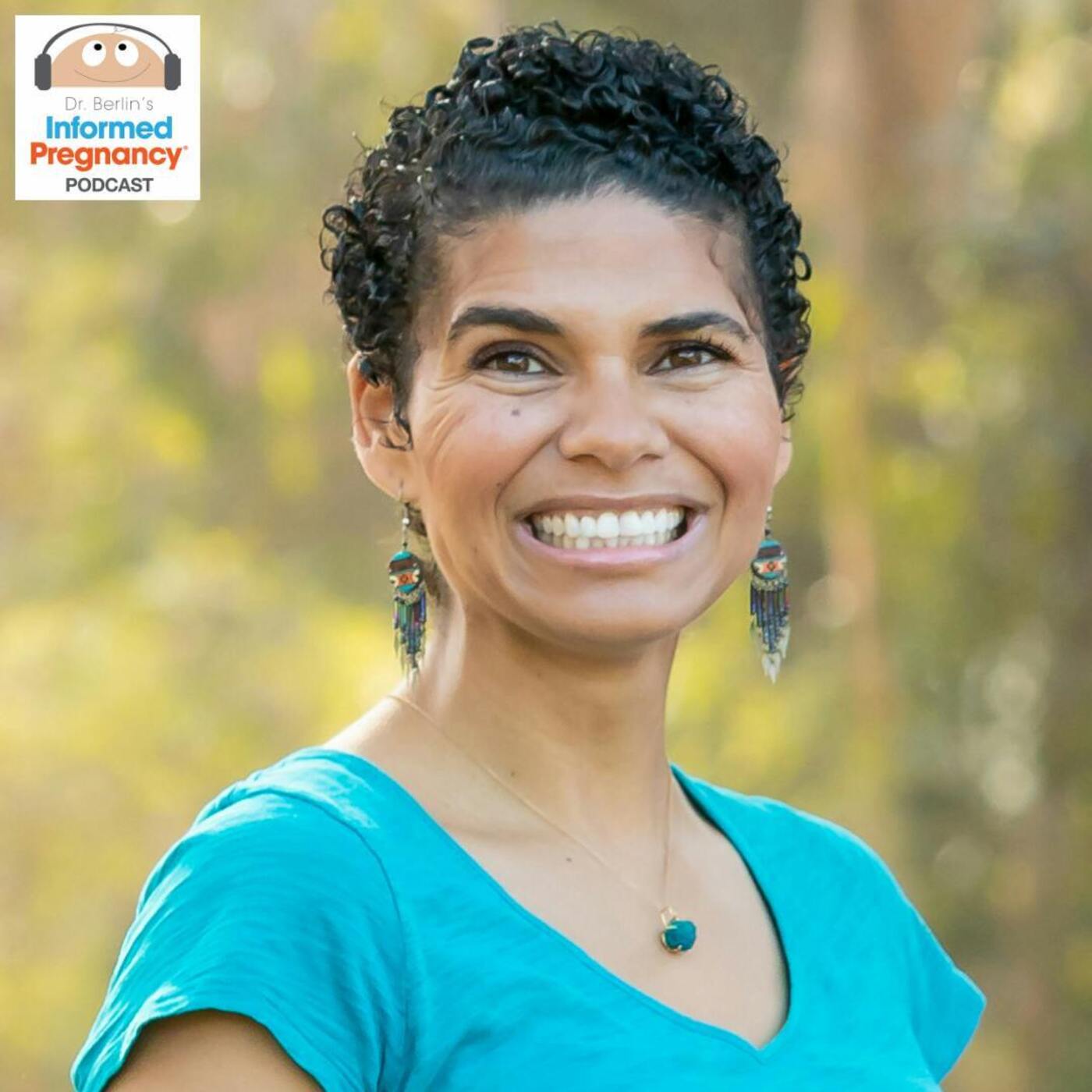
Health coach and work life balance coach Gigi Gibbs relives her two very different birth experiences and reveals how she handled challenging roadblocks along the path to the birth setting that she wanted with incredible determination and self empowerment.

Learn more about your ad choices. Visit megaphone.fm/adchoices
See Privacy Policy at https://art19.com/privacy and California Privacy Notice at https://art19.com/privacy#do-not-sell-my-info.
Key quotes
“Indeed. And I love taking on this notion that you can't have it, or that if you're a working mom, then you're compromised somehow, or if you're a stay-at-home mom, then you're compromised another way. To me, that's BS and I like disproving that every day.”
“And he just stopped and looked at me and just said, I'm not marrying you for your fertility. It was just a moot point with him. He's like, whether we have kids or not, that's not why I'm marrying you.”
“Somewhere inside, I just felt this wasn't necessary. It shouldn't have gone down like this. I didn't see a true medical need for all of those things to have happened. So that's why there was that lingering sense of sadness and disappointment.”
“Yes, I approached my second pregnancy with a lot more determination and less of a willingness to compromise on the things that were important to me. And chief among that was how I was going to have my child.”
“And that's just because I knew my body was capable of this and I wanted to give my body the best opportunity without the potential for interventions.”
Related episodes
- Ep. 254 Anastasiya Kukhtareva – After Birth
- Ep. 188 Joanna Bavero – Birth Story
- Ep. 50 The Real Midwives – Megan B. Post-Birth Journey
- Ep. 269 Kate Pangos – A VBAC Birth Story
Transcript
AI-generated transcript with speaker labels — may contain errors, especially names and medical terms. Dr. Elliot Berlin, DC appears in blue; Gigi Gibbs in orange.
Download PDF of the Transcript
Dr. Elliot Berlin, DC [1:13] Welcome to the informed pregnancy and parenting podcast. I'm your host. Dr. Elliott Berlin today We're talking about a birth journey with various twists and turns my guest has a background in Gymnastics dance and cross-country and join the army after graduating from high school She's now a health coach and advocate and mother of two joining us today to share her two very different Experiences with childbirth Gigi Gibbs, welcome to the podcast. Thank you. Dr. Berlin. I'm grateful to be here and Congratulations, it wasn't that long ago that you gave birth to your second most recent. No just four weeks ago Wow, so the story is still fresh very much
[2:16] Let's start at the beginning. Where are you from?
Gigi Gibbs [2:19] Originally from Dayton, Ohio How was growing up in Ohio? It was pretty uneventful compared to living in Los Angeles. I can say that for sure quieter quieter definitely more trees more green far less diversity than here in Los Angeles and Cold very cold. I knew when I was like four years old I wanted to leave the cold of Ohio and move to California. That's one of the things you can't beat around here But I do miss the trees Yes, I miss not having to go to a park to really hang out with trees Yesterday was the first day to give a bottle and I got to go off by myself and I was wondering What am I gonna do? Normally I would go on a hike or something. But so I just went and sat in the car
[3:06] And I drove to a park and As soon as I got there my husband sent me a message. Okay, come back. We need you
Dr. Elliot Berlin, DC [3:13] Well, they say a little quiet time
Gigi Gibbs [3:15] Yes
Dr. Elliot Berlin, DC [3:17] You grew up pretty athletic
Gigi Gibbs [3:19] Yes, most of my siblings I've got quite a few siblings and I'm the youngest of them all and everybody had some sort of role in sports And so that was always a big part of my life
Dr. Elliot Berlin, DC [3:31] What kind of sports did you get into?
Gigi Gibbs [3:34] I got into gymnastics When I was in third grade What came with that was just dance because that's a natural part of that and then I got into cheerleading in high school and Cross-country and track and field when I was in middle school and in high school So sports and athletics has always been a part of my life for you
Dr. Elliot Berlin, DC [3:56] Did that athletic lifestyle also come with like overall healthy lifestyle eating healthier and other elements of health? I
Gigi Gibbs [4:04] totally think so just even from Early times in middle school coaches talking to us about how to eat before a competition That was like my first introduction to carb loading But really it got real in nutrition when I went into the service that was when I got serious about it and really understood the Impact of food and what it looks like
Dr. Elliot Berlin, DC [4:26] Did some of your siblings also join the army?
Gigi Gibbs [4:29] It's funny. I do have siblings that were from the military, but I'm not a typical military family And typically when you say military family you think of someone who moves around every three years But fortunately, I didn't have that as my life But I did have one brother who went to West Point a sister before me who went into the Air Force a Sister after me who went into the army. I Grew up around an Air Force base. My mom worked in Contracting for the government with the Air Force So, it was a part of my life. I was in Air Force ROTC.
Dr. Elliot Berlin, DC [5:03] How was the experience for you?
Gigi Gibbs [5:05] Oh, not one I would want to repeat, but that's a whole other topic. But it accomplished my two primary goals, which were to get out of Ohio and to get money for college.
Dr. Elliot Berlin, DC [5:19] What did you study in college?
Gigi Gibbs [5:21] When I was in for undergrad, I did business and nutrition and kinesiology as a minor. And then, for grad school, I did public health.
Dr. Elliot Berlin, DC [5:31] Okay, and now you're a health coach and an advocate for health. What does that mean, practically?
Gigi Gibbs [5:38] Practically, I'm a work-life balance coach. And I really work with high-performing women and I help them adjust their relationship with work and life demands. And help them be able to show up their very best in all their different roles, whether it's mother, employer, boss, business owner, etc.
Dr. Elliot Berlin, DC [5:59] I mean, work-life balance seems more important than ever and just like the dream that's so hard to achieve. So, that must be both challenging and rewarding when you're able to do it.
Gigi Gibbs [6:11] Indeed. And I love taking on this notion that you can't have it, or that if you're a working mom, then you're compromised somehow, or if you're a stay-at-home mom, then you're compromised another way. To me, that's BS and I like disproving that every day.
Dr. Elliot Berlin, DC [6:28] You know, we should talk. In terms of having kids, did you always see yourself having kids?
Gigi Gibbs [6:34] No, not at all.
Dr. Elliot Berlin, DC [6:37] Oh, really? Because you came from a big family.
Gigi Gibbs [6:39] I came from a big family and I didn't see myself getting married. I called it the M-word for many years. It wasn't until I was about 30 that I was even open up to the idea of getting married. I just wasn't one of those people that grew up with this idea of, oh, I want to have kids and this is what my wedding is going to look like. That just was not me. I just saw myself living a different life.
Dr. Elliot Berlin, DC [7:03] Do you know what the aversion was?
Gigi Gibbs [7:06] I think part of it was growing up with so many siblings and then also being a child of divorce. To me, I just saw, okay, this is how that's going to go, so I don't want any part of that.
Dr. Elliot Berlin, DC [7:18] Well, eventually something must have changed your mind.
Gigi Gibbs [7:21] Actually, what it was was when I went to college and I saw positive examples of marriage in my friend's parents' lives. That was really eye-opening to me to see, okay, this can go a different way.
Dr. Elliot Berlin, DC [7:39] Where did you meet your husband?
Gigi Gibbs [7:43] I was working in sports and sports broadcasting. It's a funny story. An editor totally flaked on me and I called my mentor because I had a deadline and I said, oh, I need to get this done and there's no one here to cut this tape for me. He said, come to the studio. I'll help you out. Sure enough, the person who was working the overnight was my soon-to-be husband. Much later to be husband, I should say.
Dr. Elliot Berlin, DC [8:14] That's the first time you met?
Gigi Gibbs [8:16] It wasn't the first time we met. The first time we met, I was getting a tour of the studio and I was an intern. He was the one person that the person giving the tour stopped and introduced me to because my husband's a runner and I was a runner and the guy giving the tour was a runner and said, oh, yeah, you guys should talk and both of you should come join my running team. That was the first time I met him.
Dr. Elliot Berlin, DC [8:42] The cardio connection.
Gigi Gibbs [8:44] Yes, yeah. Then that night he was working the overnight and so he totally saved me and helped me get this video cut. At the time, this was way back when Palm had cell phones and he had the newest Palm. It was the Palm Pre and I was like, oh, cool. I was playing with his phone and he totally pulled this line on me and I was like, well, since you like my phone so much, why don't you put your phone number in there?
Dr. Elliot Berlin, DC [9:12] Oh. I was like, oh, damn, he's got me. And I look where you are.
Gigi Gibbs [9:20] Right.
Dr. Elliot Berlin, DC [9:21] Nobody has a Palm. How soon after that did you guys get married?
Gigi Gibbs [9:27] Oh, gosh, almost four years. It was a year and a half before I even went on a date with him.
Dr. Elliot Berlin, DC [9:33] Oh, wow, so it built up over time.
Gigi Gibbs [9:35] Yes.
Dr. Elliot Berlin, DC [9:36] He asked me out and I told him, let's keep our friendship at work. And did you sometime in there start to reconsider having kids?
Gigi Gibbs [9:44] Well, by then I had decided I was open to marriage. And even after we were getting married, I was talking to him about having children because I knew on one hand I had what's called PCOS, polycystic ovarian syndrome. And I knew women who had that can have struggles with fertility. And obviously, since I had never tried to have children before, I didn't know what I would encounter. And so, this was after we were married, and I was talking with him about that. And he said, it's either when we were engaged or after we're married. I don't remember. But I'll never forget what he said in response. And he just stopped and looked at me and just said, I'm not marrying you for
[10:26] your fertility. It was just a moot point with him. He's like, whether we have kids or not, that's not why I'm marrying you. So- That's really sweet. So kids, even after we got married, was still a 50-50 thing for me. And I was leaning on the side of, this is something I don't want to regret not having done. And I don't want to look back and say, I wish I would have done it. And I gradually opened up to it. But one thing that was really pressing on me was, one thing I knew about my husband was I knew this man was made to be a father.
Dr. Elliot Berlin, DC [11:05] He sounds great.
Gigi Gibbs [11:07] It was really weird because- I don't want to meet him. Well, if I could get him to, although you don't, do you see non-pregnant people?
Dr. Elliot Berlin, DC [11:15] Sure I do. Yeah, I'd be happy to take care of him.
Gigi Gibbs [11:18] Yeah, when we were dating, or just anytime, kids are just drawn to this man. We'd be at a restaurant and kids would just pop up over the other side of the, what do you call that?
Dr. Elliot Berlin, DC [11:29] Oh, the little booth?
Gigi Gibbs [11:31] Yes, the booth. Yeah, I haven't been in a restaurant in so long.
Dr. Elliot Berlin, DC [11:33] Nobody has.
Gigi Gibbs [11:35] And they would just, can I play with you? Or we'd be standing in line somewhere and kids would just gravitate to him. And he was just a natural. I'd watch him at his nieces. They'd have birthday parties with Barbie dolls and tons of toys everywhere. All the other adult men would be off watching other things and sports or something. Even his niece's own father, she wouldn't even be in there, but he would be there with her, watching her open every single present. And so I was like, wow, this man was just made to be a father.
Dr. Elliot Berlin, DC [12:09] Oh, that's so, so nice.
Gigi Gibbs [12:11] I knew that about him before I knew I wanted to marry him.
Dr. Elliot Berlin, DC [12:14] Look, on that note, let's take a little break. When we come back, we'll talk about your first pregnancy and birth experience. Don't go anywhere. We'll be right back.

Dr. Elliot Berlin, DC [13:51] Welcome back to the Informed Pregnancy Podcast. We're talking to Gigi Gibbs. Okay, so you went from not wanting to get married, not having kids, to being married and being pregnant. Was, with the PCOS, did it, in fact, turn out to be difficult to get pregnant?
Gigi Gibbs [14:05] It was not at all. I got pregnant in the third month of trying.
Dr. Elliot Berlin, DC [14:11] Which is average.
Gigi Gibbs [14:13] Yeah, which is great. I didn't have to have any interventions. My endocrinologist said it was really just attributed to my lifestyle and just being able to mitigate those factors with diet and exercise, really.
Dr. Elliot Berlin, DC [14:28] How was your pregnancy, your first pregnancy?
Gigi Gibbs [14:31] Overall, it was a really good pregnancy. I had pretty classical pregnancy symptoms. You know, this heightened sense of smell, food cravings for things that I hadn't eaten in a long time, food aversions. Chicken really grossed me out.
Dr. Elliot Berlin, DC [14:51] Oh, really?
Gigi Gibbs [14:52] Oh, yeah, so just the sight of it, just ew. And before I even knew I was pregnant, my husband and I were on vacation and I was just… We're at a restaurant, and I was like, I want a steak. And mind you, I didn't even buy beef, didn't bring it in the house, wasn't even a part of my diet. I was vegan for a long time before, wasn't vegan at the time, but it was just wasn't something that was a part of my life. And again, before I knew I was pregnant, I'd eaten like three, four dozen eggs in less than 12 days. I was craving. That's all I wanted to eat during my pregnancy, was like, eggs.
Dr. Elliot Berlin, DC [15:31] Do you feel, in retrospect, do you feel like your body was demanding certain nutrients for the pregnancy?
Gigi Gibbs [15:37] Oh, totally. Well, I knew after I got into care, I found out that I had low iron, so that explained why I was wanting beef the whole time.
Dr. Elliot Berlin, DC [15:46] Especially if you couldn't have chicken.
Gigi Gibbs [15:49] Yes. And I had some of the typical fatigue and a little bit of nausea, not a whole lot, but overall, it was a good pregnancy.
Dr. Elliot Berlin, DC [15:58] When did you start thinking about birth and birth options or a vision for how you wanted to give birth?
Gigi Gibbs [16:06] I knew. I'm a pretty crunchy woman, just in general. And so I knew I've always been in a place of prevention and using alternative health as a way of just daily living. So I knew early on I wanted to work with a midwife and have a home birth. So that was something already in my brain.
Dr. Elliot Berlin, DC [16:32] Was your husband on board with that plan too?
Gigi Gibbs [16:34] No.
Dr. Elliot Berlin, DC [16:35] Oh.
Gigi Gibbs [16:36] At the time, we were living in a one-bedroom apartment in Santa Monica, so everybody was really close to each other. And so his concern was, oh, he didn't want the noise and just want our privacy invaded and didn't want to be intruding upon our neighbors.
Dr. Elliot Berlin, DC [16:54] So it was more about the comfort of the environment than the medical concerns?
Gigi Gibbs [16:59] Well, until I took him to a birth center, that's what I thought it was. And so I took him to a birth center and he was just like, well, where's all the equipment? I was like, oh, that's not how it works.
Dr. Elliot Berlin, DC [17:14] That's the whole point.
Gigi Gibbs [17:15] Right.
Dr. Elliot Berlin, DC [17:16] I mean, a birth center is essentially giving birth in somebody else's apartment.
Gigi Gibbs [17:20] Exactly. So we ended up coming to a compromise and the compromise was we would do a hospital birth with all the equipment that he felt more comfortable with with a midwife. And so that was the plan for the first birth.
Dr. Elliot Berlin, DC [17:37] Was that comfortable for you?
Gigi Gibbs [17:40] The plan as I was pregnant was it went fine, but then once it came down time to have the baby, it was not comfortable at all.
Dr. Elliot Berlin, DC [17:48] How did your labor start?
Gigi Gibbs [17:51] I didn't start. I was due on a Thursday and so I didn't have the baby. And so the following Monday, I went in for just a regular check. And my midwife said she wanted me to have an ultrasound to check my fluids. And the doctor said, oh, your fluids are low. You need to go to the hospital right now and have this baby.
Dr. Elliot Berlin, DC [18:13] There was even a doctor in the ultrasound practice or a doctor who did your ultrasound? And a midwifery?
Gigi Gibbs [18:19] Yes, she was a midwifery in a private practice. So it wasn't the UCLA midwives. She was in a private practice.
Dr. Elliot Berlin, DC [18:26] So there are doctors in that practice too.
Gigi Gibbs [18:29] Correct, yes.
Dr. Elliot Berlin, DC [18:30] They were concerned about the low fluid. And now you're just a few days past your due date.
Gigi Gibbs [18:35] Correct. I was four days past.
Dr. Elliot Berlin, DC [18:37] Okay. Did you go to the hospital?
Gigi Gibbs [18:40] No, they wanted me to go straight to the hospital. I walked home. I called my doula. I was really upset. I was crying. Like, no, I don't want to. I wasn't having any signs of showing anything that I was at all ready. I wasn't even having Brex and Hicks or anything like that. And so she told me just to drink a lot of fluids and she told me how subjective those tests are and just to wait it out as long as I could. And I got a phone call from the hospital and my husband was already at the hospital. They had called him and told him.
Dr. Elliot Berlin, DC [19:14] Oh, wow.
Gigi Gibbs [19:15] Yes, totally jumping the gun without even. Yeah, so I got myself to the hospital and I agreed to have another fluid check ultrasound and it was like borderline and I was okay like going home and not dealing with them. And my husband who is much more much like to say much less risk-averse than me. He wasn't comfortable with that idea. And again, we compromised. So I agreed to stay in the hospital for just monitoring but as you know, and as you've talked about many times on your podcast, once you get checked in all those magical things start to happen. how did it play out for you oh it literally it played out just like the
Dr. Elliot Berlin, DC [20:07] movie the business of being born it literally did it was just one
Gigi Gibbs [20:13] intervention after the other so they wanted to induce you oh they tried they did the the cervidil they induced me stripped my membranes I mean after that time in the hospital I had more things in my vagina than I care to remember it was just you know what was the the thing they stick inside you to help you dilate I mean it was it was literally just like the movie and then they induced me and then oh it's still not going fast enough you're on the clock type feeling they tried to put they did a potosin on me and they couldn't really turn up the potosin because as soon as I would have a contraction they would see that my son's heart rate was having decelerations
[21:01] decels yes so and I never even felt anything I mean you have to understand the only thing that I was having labor wise was just vomiting and diarrhea I wasn't feeling any contractions so you had no pain meds at this point no there was no there was no pain other than I had this sharp pain if I tried to sit down or lie down I would just get this sharp shooting pain but no
Dr. Elliot Berlin, DC [21:29] like labor pains but no medication for pain so no epidural no epidural didn't get enough but okay but and you weren't really feeling labor despite all their efforts to get things going right because one I couldn't lay down
Gigi Gibbs [21:44] they couldn't turn up the potosin I mean I don't even know I was having a contraction unless the monitor was telling me so basically by the third day it was just a lot of dehydration and vomiting and diarrhea that's all it was for like two and a half days and then finally they told me that you know just like in the movie oh we need to do what's best for the baby and so told me they they recommended doing a c-section and that I needed to have one and they were calling it an emergency c-section and I'm looking back at all this with hindsight to realize that if it was an emergency we wouldn't have waited for my husband to come back from lunch
Dr. Elliot Berlin, DC [22:25] oh wow well that you know there's only two types of c-section nomenclature wise there's scheduled cesarean and emergency cesarean and but there should be a third one called non scheduled non-emergency c-section which is it sounds like what you had that's a really great
Gigi Gibbs [22:44] classification how is that experience for you oh it was totally against everything I wanted in terms of how I envision birth going I was a hypno mom so I had all of this if no babies training under my belt expecting to be able to use all of that I mean I don't even have ibuprofen in my house so the idea to go to that extreme of an intervention was just really against how I live and what I had envisioned for the birth and just the outcomes that I'd read about I didn't want my son to miss out on just you know all of the vaginal seating that was going on in my body and getting all about those healthy bacteria I didn't want my body to have to go through that kind of recovery and surgery so I was not happy about
[23:39] it sorry did it go well I mean mechanically mechanically it went well there was you know I went in at 12 o'clock and my son was out by 12 19 my husband was there they got him out took him off somewhere I just remember screaming where's my baby where's my baby and and it just seemed like such a long time to be able to see and hold my baby and they had to take them off to the side somewhere apparently and get him to respond but as soon as he responded his apgar scores were like nines and he was fine he was healthy yes he was healthy he was fine they'd said his cord was around his neck but other and his head was quote stuck they had like this little invention on the side of his head it was stuck against my sacrum so
[24:33] how was your recovery physically it was fine I didn't really have any issues physically but the bigger struggle was the mental and emotional just from the sadness of the type of birth that I'd had it just a sense of disappointment I guess and yeah that took a while and I guess it was disappointing because so Somewhere inside, I just felt this wasn't necessary. It shouldn't have gone down like this. I didn't see a true medical need for all of those things to have happened. So that's why there was that lingering sense of sadness and disappointment.
Dr. Elliot Berlin, DC [25:16] That's understandable. How have you worked to process through that?
Gigi Gibbs [25:22] Journaling, some therapy, and then even during my second pregnancy, some things came up that I didn't even realize were there. And so I processed it then. And part of it was, okay, when I got pregnant the second time, was really harnessing my power and…
Dr. Elliot Berlin, DC [25:45] Well, let's jump into that, but before we do that, let's take a break and then talk about your most recent pregnancy and birth experience.
Gigi Gibbs [25:54] Okay.
Dr. Elliot Berlin, DC [25:55] We'll be right back. Welcome back to the Informed Pregnancy Podcast. We are talking to Gigi Gibbs. Okay, so the great news is the positive outcome from your first pregnancy that you and the baby are both healthy. You recovered well physically, but it left you a little bit emotionally scarred, it sounds like, which is very, very common. It's something that I see almost every day in the practice. And then you started to talk about taking that experience into your second pregnancy and harnessing the power that it gave you. Can you talk more about that?
Gigi Gibbs [27:39] Yes, I approached my second pregnancy with a lot more determination and less of a willingness to compromise on the things that were important to me. And chief among that was how I was going to have my child.
Dr. Elliot Berlin, DC [27:59] So now you have a record going to this pregnancy as already having had a cesarean birth.
Gigi Gibbs [28:04] Yes.
Dr. Elliot Berlin, DC [28:05] So this one would be a trial of labor after cesarean or a vaginal birth after cesarean. So you had one more hurdle to overcome. What kind of support did you look for this time?
Gigi Gibbs [28:18] That's a good question. Well, luckily I have a really good group of fellow crunchy mom friends and girlfriends. And so I had awesome support in that area. My husband, on the other hand, he was not on board with this idea. He was totally against it because of the previous cesarean factor.
Dr. Elliot Berlin, DC [28:40] So against the idea of doing a vaginal birth at all or doing a vaginal birth outside the hospital?
Gigi Gibbs [28:47] Outside of the hospital. I'm sorry, I should have stated that I did not wanna go back to a hospital and I was still wanting to have a midwifery model of care and I wanted to have a home birth. And that's just because I knew my body was capable of this and I wanted to give my body the best opportunity without the potential for interventions. And he just was not comfortable at all with the even one out of 1000 potential risk of uterine rupture.
Dr. Elliot Berlin, DC [29:21] Well, so how do you come to some kind of place where you both feel comfortable? You sound very uncomfortable going back to the hospital. He sounds very uncomfortable not being in the hospital. Ideally, you end up on the same page. I mean, unfortunately it doesn't always happen.
Gigi Gibbs [29:36] You're right. And it didn't happen that way at all, really. I really forged ahead with my plan. I interviewed midwives and I had an idea early on who I was gonna work with just from, A, listening to your show and B, my other mom friends who had worked with midwives and had successful home births. So, I interviewed midwives, and when I had narrowed down who I wanted to work with, I had the three of us meet, the midwife, my husband, and he came into it still very resistant and against the idea of having a home birth. And we met with one particular midwife who really, she was wonderful in many ways. And she told me, she taught me a lot about my body and how my history of athleticism and
[30:31] sports and how I've been taught to hold my body as a gymnast and a dancer, kind of inhibited the natural progression of birth.
Dr. Elliot Berlin, DC [30:39] I think a lot of people don't realize that.
Gigi Gibbs [30:43] I never did. I was, I, you know, she spent all of like, maybe five minutes just looking at my birth records, and then she just asked me, didn't know anything about me, and just said, what kind of sports did you do growing up? And it was pretty, and she just taught me about how, you know, when you're a gymnast and a dancer, you're taught to hold your body up and gird everything and hold it all in, which is just the opposite of what you need for giving birth.
Dr. Elliot Berlin, DC [31:12] To open and relax and surrender.
Gigi Gibbs [31:15] Yes, and let go and to soften. That day, I just stopped going to the gym immediately, and well, because I mean, think about it when you're well, you may not have experienced this, but a woman, as soon as you're pregnant, you're told you need to get ready for the marathon of birth and it's a workout in of itself and you need to be prepared. So hey, I was game.
Dr. Elliot Berlin, DC [31:39] Oh, so you really took it in stride. I mean, there's two parts to that. There's the strength and the endurance, but then there's also the flexibility and openness and also the mind component, being able to slow things down and relax. Yes, well, I did the physical component to the nth degree for sure. How far along in your pregnancy were you when you picked a midwife?
Gigi Gibbs [32:02] Well, that's that's kind of a tricky answer. Let's just say there were like six midwives before I had my midwife.
Dr. Elliot Berlin, DC [32:08] Oh, really? You went through a lot.
Gigi Gibbs [32:10] Well, so I had this meeting with this midwife and my husband, and she was a real paradigm shifter. She told my husband it doesn't have to be all or nothing. It doesn't have to be home birth or nothing. And she said we had options and we can approach it within ABC mentality. Plan A being we labor at home and if everything goes well, we continue on and have the baby at home. Plan B being we could labor at home. And then if we notice there's a shift or something could be threatening mom or baby, then we go to the hospital and we can continue birth there. Or Plan B, for example, if we had an ultrasound at 37 weeks and saw that there could be a potential risk factor, then we could just jump to Plan B
[32:58] and have a V back at the hospital. And so she presented all of these options with Plan C being we could have a trial of labor at home and then ultimately we end up at the hospital or we have a Plan C section if we see something. And she introduced this idea of working in tandem with an OB and that way she as the midwife could have a lot more information about what's going on with my body, what's going on with the baby, and we could make informed decisions along the way, especially as we get down to the final month of pregnancy. And my husband was really open to that. You know, after hearing that it wasn't going to be this extremist, all or nothing, home birth or die approach, he was on board.
Dr. Elliot Berlin, DC [33:46] And that's refreshing.
Gigi Gibbs [33:49] Yes.
Dr. Elliot Berlin, DC [33:50] I mean, it must give you some sense of calm.
Gigi Gibbs [33:52] Oh, I was like grinning ear to ear when we left that meeting. And the other thing she told us to do, so she was helpful in that she taught me about my body, informed me about my birth. And then she got my husband on board. And the third thing she did was she introduced me to this awesome OB because she told me as a black woman, she said, you know, there's we talked openly about the maternal mortality statistics and risk for black women. And so she introduced me to this African-American OB. Her name is Dr. Aflac. I don't know what I'm saying.
Dr. Elliot Berlin, DC [34:26] I'm hoping to meet up with her soon and maybe even interview her. She sounds amazing. I haven't been able to connect with her yet.
Gigi Gibbs [34:32] Yeah. So the midwife told me, go meet with this doctor. Tell her what you want and the things that you don't want to be discriminated against for your age, all of the past cesarean, all of these things. Because I was 40 at the time that I got pregnant and then 41 by the time I was going to give birth.
Dr. Elliot Berlin, DC [34:49] The second time.
Gigi Gibbs [34:51] Mm-hmm.
Dr. Elliot Berlin, DC [34:52] Did you feel like those things played a role in your first birth experience?
Gigi Gibbs [34:57] Uh, I wouldn't say. or your race? Definitely not my age because I got pregnant with no problems and I didn't have any end-of-pregnancy complications regarding my health so certainly nothing to my age. Race, I don't think so. I mean I didn't for one I was in a whole other space while I was going through the labor but I don't I don't personally think that it played into it. For you, I mean right it clearly
Dr. Elliot Berlin, DC [35:30] does for a lot of women I mean the numbers are you know astronomical in terms of the outcomes for black women and babies compared to white women and babies and we did a whole episode on that but it's good to know that you didn't feel that that was part of the treatment that you got. No I didn't
Gigi Gibbs [35:47] feel it was a part of it but I wasn't gonna dismiss it as not being a risk factor for the second time so it was still definitely on my radar and in fact as soon as I knew I was pregnant I went into care with an African-American OB just knowing that African-American women have you know what four to five times more likely than white women to have a pregnancy related death so while I was looking for my midwife I was fully aware of that and wasn't gonna go into the second pregnancy blind of that and just try to mitigate any
Dr. Elliot Berlin, DC [36:20] potential for that. So it sounds like you found like really great support in terms of your midwife and your backup OB and their willingness to work
Gigi Gibbs [36:29] together. Yes and once I met with the OB and then called my insurance and my insurance was gonna pay for the midwife so everything my husband even said great call the midwife and let's go and so I'm reaching out to the midwife and she never got back to me. Oh no. No like two and a half weeks went by and I still had never I hadn't heard back from her no voicemails no texts no email nothing and I was just like oh great so I had to start all over again. Oh my goodness. Yes and so here I am where we drove like across town to go meet another midwife around town and we're in the middle of this meeting and I'm and she's asking you know what do you want for your
[37:22] birth and and so I told her about this ABC approach and right in the middle of the interview my husband just says oh well I'm not on board for that and I stop and I'm just on board for what and he says I'm not on board for the home birth. Oh I thought he was before. And let me tell you I just look at him like what are we here for and it was so I don't know what happened in the brain I don't know if something triggered in him because it was at least a 30-minute drive I mean this is pre-COVID so there was LA traffic to where we were going and we had discussion the whole way about questions we were gonna ask and he had even asked the woman about payment policy of if we have the birth at home versus if we
[38:10] have at home and then have to transfer to the hospital like he was asking questions that showed he knew what we were there for so then to just in the middle of this meeting to say oh I'm not on board for that totally threw me and this midwife off. Just threw me off. Yes and he just was adamant that oh I was never on board for a home birth and I'm like what are you talking about? I even showed him the text message where he was just like great call the midwife let's do this. That's so stressful on so many levels. Oh my goodness yes. I mean you must have gotten back on board somehow. Um well I tried I continued to meet with midwives and I had to go into the
[38:59] meeting now with this new preface of oh and by the way my husband is really on the fence with this and asking the midwife to perhaps you as the medical expert can put him at ease and answer his concerns and so subsequent meetings like you know the next midwife we partnered with she was totally on board to take on that task of working with my spouse who was nervous about the health risks of doing a VBAC at home and she really turned into almost like marriage counselor slash mediator because at this point marriage was extremely stressed. My husband was not at all supportive during my pregnancy and yeah so we were with this other midwife this is like now the third one and I thought things were on in a
[39:55] good place and then he emailed her in the middle of the night and without even telling me. and just told him he wasn't on board. He wasn't on board with the home birth, which she responded, well, I'm not gonna work with a couple who doesn't have both partners on the same page. And so at this point, we are now into COVID having happened and I had to scramble again to find another midwife. And I reached out to midwives that I had interviewed early on and they were, you know, one in particular she was full and so COVID is in place and I found a midwife, woohoo, and paid my deposit, all of that, we get going and then she tells me that one of the midwives that she's in partnership with
[40:45] got COVID and so she was taking on her cases and she gave me my money back and so I had to find another midwife.
Dr. Elliot Berlin, DC [40:52] What a roller coaster, wow.
Gigi Gibbs [40:54] Yes, and during all this, I'm like doing this covertly. I'm still seeing, at this point, I'm seeing Dr. Aflac as my primary caregiver. I'm doing this covertly without my husband's involvement because at this point, we were just really at odds relationally.
Dr. Elliot Berlin, DC [41:13] So, so stressful.
Gigi Gibbs [41:15] And luckily I had interviewed enough midwives prior to like when I first got pregnant. I reached out to my last and final midwife because a lot of people, midwives were either going one of two routes. They were inundated because of COVID happening and they were inundated with people jumping ship and not wanting to go birth in hospitals or they were being extremely particular because there were so many people coming to them with the reaction to COVID. And so this last group of midwives I reached out to, they knew I was home birth determined and had that makeup prior to COVID so they took me on.
Dr. Elliot Berlin, DC [41:56] And a lot of people did switch to home birth because of COVID in this area. We're over our time, but I really want to get into your birth story and see how this played out. So let's take an extra break when we come back, find out how things finally went down. We'll be right back. Welcome back to the Informed Pregnancy podcast for a bonus segment. Wow, a lot of twists and turns that even though I had seen you, I didn't really know some of that was going on. What happened in the end? So you were down to your last midwife.
Gigi Gibbs [42:37] I'm down to my last midwife and my midwives weren't even attuned to the fact that my husband wasn't on board. I just was like, okay, I'm gonna have to deal with that when I get there. I mean, I went into care with these midwives when I was like 34 weeks pregnant. So it was that far down the train.
Dr. Elliot Berlin, DC [42:55] Wow.
Gigi Gibbs [42:56] And in my last month of pregnancy, I just had this sit down with my husband and just said, look, you know, and I tried to come from a place of compassion and love and acknowledged his fears and the needs that he needed to have met, which were his ultimate thing about safety and his fear of a uterine rupture. And I sat him down and I talked with him and I told him, I understand that and here are my concerns and here are my needs and I need to be in a place where I can feel mentally safe and not on guard and so forth. And because I'm the one that ultimately has to push this baby out, I need to give a little bit more consideration to what my needs are.
[43:42] And I tried my hardest Dr. Berlin to not pull that card of it's my body so I'm gonna make the decision. I tried to make it as compassion filled as possible, but that still didn't resonate with him and he was still not on board and yes, just went to some unpleasant places. And so I found a door and I told my midwives, it was just going to be like old school birthing where it was just the women and the men were just not gonna be there. And I told my midwife because I had a three-year-old that my husband was just going to be off taking care of our son because they also have to remember this is COVID so we couldn't just go, couldn't bring a babysitter,
[44:26] couldn't go send my son to grandma's house. So he's gonna be off providing childcare and it's just gonna be midwives, doulas and mom. And I even told my husband, I told him I didn't want him to be at the birth. A part of it was just the energy of his fear. I couldn't have that in this space and I didn't wanna have to be on for him if you know what I mean. Meaning if I'm going through labor, I didn't wanna have to feel like I needed to shrink myself or. downplay what I was feeling and experiencing because I didn't want to make him go to a place of fear and I just wanted to be able to be fully in my body without having to worry about his worry and then I just didn't want the
[45:14] energy of fear in the space so I just told him I didn't want him to be he could be at the house by this time we had moved by the way weren't in a single family home and I told him he could be at the house and that was fine but I just didn't want him in the room and he was still very defensive at this point and was just like well I'm just gonna leave anyways I'm just gonna take our son and I'm just gonna leave and you can just call me after the baby's born that was kind of his defensive response and yeah I mean so
Dr. Elliot Berlin, DC [45:49] much stress internally and externally I can't imagine what kind of pressure under especially going into you know a birth where you're trying to have a very different experience where you're trying to really surrender let go relax open up sounds like just so many things were stacked against you how
Gigi Gibbs [46:05] did your labor start the second time it started well it's interesting I was due on June 1st so that was a Monday and so the Sunday prior so what day is that May 31st I'd started having contractions and I have to understand at the time I didn't know what contractions felt like and so I at least have in telling this I have hindsight to help me but it was literally just like Cinderella meets a vampire because it would be like 12 o'clock at night and I'd start getting these sensations these contractions and I'd already been having some Braxton Hicks so I've gotten to experience those and it's like oh this is different okay and then as soon as the Sun would come up 5 a.m. the contractions would stop and that just
[47:02] proceeded on I went past my due date and it was fast forward to Friday and the contractions didn't wait until midnight to start it started about dinner time and by then I'd had like five or six days of this I was like okay here we go it's another day was it exhausting it must be exhausting it wasn't exhausting because there was so much anticipation and excitement because I was like oh okay is this I mean I thought for sure the baby was gonna come on Wednesday I you know you gotta remember and there was also like the full moon going on at that time so at that point I was just like okay when is it gonna happen so yeah it was just the anticipation that's okay is this it is this gonna be it and so Friday we go
[47:53] into the night and then at about 1 30 in the morning I was you know just going through my stages I you know I was just doing my breathing listening to my hypno babies tracks and at about 1 30 in the morning my husband comes in the room and just so you know he'd already been sleeping on the couch because I was sleeping with like eight pillows in the bed and he came in to check on me because he was just like he's like you were really loud that last time are you okay and that was the first time he'd like come to check on me during this whole week and so I was like um yeah it's not going away and it's a little more intense and he asked me said should we you
[48:38] know do you want to call somebody and so I agreed I waited about an hour and then I called my doula it was that feeling of not wanting to bug somebody that's what we're here for right but you don't know like okay is this gonna be a false alarm or is this the real thing and so I had been timing them and so I saw that they were about ten minutes apart and so I called my doula and she said to get in the water and to you know maybe take a shower or a bath and that was awesome that immediately oh feel good to be in water oh yes oh my goodness did you do shower or bath I did a bath I got in the bathtub and that just it the contractions still kept coming but
[49:21] it just made them more bearable yeah and one thing I should say at this point back on Mother's Day which was May 10th it was about three weeks before I was due there was a shift with my husband and he never told me directly but I overheard him talking to his mom about the birth and I overheard him saying almost like defending the decision to have a home birth and I heard him telling his mom yeah she's gonna have a doula and she's got two midwives and she's got an OB so we're gonna be fine wine, and yeah, we're just going to go forward with the whole world. And I was in the bathroom and I overheard him having this conversation and it was just like,
[50:07] oh, yay.
Dr. Elliot Berlin, DC [50:08] Just in the nick of time.
Gigi Gibbs [50:09] The last three weeks, yeah, he was still adamant that he wasn't in support, but that he was going to be supportive, if that makes any sense. His plan was, I'll be here to move the couches, to set up the pool, but when the midwives get here, I'm going to leave. So that was still his position. So I'm in the water and I call my doula after about three hours in the water, and at this point it was about 5.30 in the morning and the sun had come up, five o'clock came and the contractions didn't stop and they were still intensifying. So no more vampire going back into the coffin. And I made the decision, I told her to be here by 7 a.m. because by that point,
[50:54] my three-year-old son was going to wake up and my husband was going to have to go take care of him. And she arrived right on time at 7 o'clock and I got out of the water. We did some labor in my birth room. And then after about two hours, we got back in the water. That felt amazing again. This time it was in the shower. And then I converted that to just the bathtub. I was listening to my hypno-baby's tracks and really just in my own space, in my mind. At one point, and this was where things really shifted, my son came in to just say hi and check on me and I'm still breastfeeding him. And so he popped on the boob and oh my goodness, Dr. Berlin, that just shifted
[51:46] the labor from there.
Dr. Elliot Berlin, DC [51:48] A year?
Gigi Gibbs [51:50] Yes, things really took off. And it wasn't even long. He literally just suckled for maybe 45 seconds, 60 seconds. And I was like, okay, get off me. And the contractions really escalated from there. And I got back in the water and my doula says, you know, she saw that the contractions were like five to six minutes apart. She decided to call my midwife. And my midwife, she asked me, she said, do you want me to just come check you? And the way she asked was awesome because it made me feel like, oh, I'm not going to be one of these false alarms. Because they had told me, they said, since you haven't given birth before, it can take up to two days. So I was prepared, like, okay, this baby's not coming until Monday.
[52:43] And so I was like, okay, yeah, just come check me. So that was the plan. She was going to come check me. This was about 12 o'clock or so on Saturday. And then things intensified. And I got to this point of like, you know, where is my midwife? Yes. So she gets there and I can tell you in hindsight, she was stopped up because of all of the demonstrations going on and everything that was happening with the Floyd protest. And, you know, it was the whole murder. So she finally gets there and I'm just like, okay, just tell me, I just need to hear just four centimeters. Just give me four centimeters. My doula thought she was going to say six to seven.
[53:25] And I just, I just need to know how much longer. And so my midwife, she puts on this glove and she's like, don't even get out of the water. She's like, you're fine. Just stay right there. She checks me and she says, oh, you're fully effaced and there's no cervix, you're dilated.
Dr. Elliot Berlin, DC [53:43] Oh my wow.
Gigi Gibbs [53:45] Right. And I said to her, I was like, are you sure? And one thing about my midwife, she's one of these OG midwives and she's a real straight shooter and she just looks down to me over the rim of her glasses and she just says, um, after doing this for over 44 years, I think I'm sure you're ready to push.
Dr. Elliot Berlin, DC [54:07] Wow. That must be so exhilarating. I feel exhilarated.
Gigi Gibbs [54:11] I was not ready to hear that. I mean, I know that's what you want to hear, but I was just like, what? So yeah, what I had been going through was like the whole transition. That's when I was like literally crawling up the shower wall. And so she told me, she said, okay, you're going to need to go to the bathroom because I hadn't gone pee and I certainly hadn't done a number two in like two days. So they got me out of the water and told me to just sit on the toilet and try to pass everything there. And I'll never forget that moment because one, I was out of the water. So I was no longer mitigating the effects of gravity on my body. And I could feel every contraction and then my stomach had this weird shape.
[54:58] It was like, everything had been sucked. out except the baby. So it wasn't this round orb I was looking at. It was just this weird cube looking shape. And I was just looking at my stomach like how is that going to come out of me? How is that going to happen? And so I told them I wanted to lay down because it was just too painful to be upright. And I went and laid down. And I kept asking them, are you sure? And what am I supposed to be doing? Because from all the stories I'd heard on your show and other women, you know, my water hadn't broken. I wasn't feeling quote pushy. I wasn't making any of those noises that women make or grunting that I was expecting to hear. There was no physical cue telling me, oh, it's time to push
[55:48] this baby out. And finally, my midwife just leveled with me again and just said, look, Gigi, she said, the only thing standing in the way of that baby coming out is you. You just need to push it out. And she said it can take two, sometimes three hours. You've never done this before. She said, I've got all day. So don't feel rushed. Just know that you just you just got to push. So with that, I just knew, okay, this isn't going to be some physiological cue that's going to just take over my body. And I just had to go inside of a place mentally. In fact, I went to my pelvic floor doctors office. I learned about on your show. Yay, woohoo. Because she had me doing these
[56:33] practice pushes. And so I just closed my eyes. I just used my mental visual game and just pictured myself on her table doing those practice pushes. And I pushed. And the first time the baby's head came out. And yes, well, I skipped over the part that my bowels got cleared. I wanted to spare your listeners all of that. So I pushed and then my bowels got cleared. Okay. And so then the real push came, the first real push came. And that was that was special. And the baby's head came out. But then I went and felt down there and there was no head. And I'm like, where did it go? Where's the baby's head? And my midwife, she's like, Well, I didn't want to tell you that
[57:20] was gonna happen. And she starts doing this demonstration about how gravity sucks the head back up. Yes. And I'm like, So I have to do that again. And she's like, Yes. And she told me that's the way your body prepares. It's like stretching before the exercise. So you don't tear. And Oh, my God, I had to get my mind around the fact that I was going to do that again. And so I pushed a second time. And this time, the baby's head stayed out. And it was just hanging there. And, and so they showed me with a mirror and I'm touching the baby's head. And it was just like, Okay, one more push. And my midwife said, Just one more good push and get those shoulders out. And that was literally the scream heard
[58:09] around my neighborhood. The baby came out on the third push. And it was right there. I mean, I caught the baby right there and put it right on my chest with my doula. And I was just like, What is it? What is it? Because I didn't know the sex. That was another thing I decided I wanted to wait. And they're like, they wouldn't tell me they said, Look, look, and I'm looking down and I'm, you know, there was so much skin and there's the cord and everything. And there wasn't anything there. And I said, Is it a girl? It's a girl. And they were like, Yes, it's a girl. And I was like, I knew it. And, you know, that was a course after the initial like, I did it. That
[58:52] was my first reaction. I did it. And yeah, it was less than 30 minutes of pushing.
Dr. Elliot Berlin, DC [59:00] Was your husband with you in the end?
Gigi Gibbs [59:02] Yeah. So before I started pushing, they had started to say, you know, go get her husband, go get her husband. And my doula started to leave. And I said, Don't you leave? No. She had been one I was holding her hand with one hand and she was I was having prodomal back labor. So she was like girding my back with her other hand. And I was like, Don't you leave? And so they sent the midwife's assistant to go get him and my son. And he declined going in. He said, I don't want to be there for that. Just come get me when it's out. And he said he didn't want our son to see that. But I already told him I was okay with our son being there and him being there.
[59:36] But he's a little more screamish. So he didn't want to be in there for the pushing. So as soon as the baby was out, they went and got my husband and my son. And it was a totally different experience. You know, my daughter was literally just went from being inside me to on my chest, no running to the other side of the room. No screaming for where's my baby. I was just in shock literally like oh my god i did it it's so amazing and beautiful like you did everything
Dr. Elliot Berlin, DC [60:06] really on your own this time by the time your midwives got there most of the work was done and i i was not expecting that at all it's a beautiful story and i don't know i mean does it help with your healing from your first experience oh for sure for sure in the sense
Gigi Gibbs [60:27] of knowing that my body was capable of doing something and not being able to exercise that ability that right and then the second time around like really seeing what my body was capable of having that sense of gratitude that sense of accomplishment and then just the sense of awe for our bodies and what they're able to do i mean i've been doing this for so long and that still never gets old right for me it's just amazing every single time and marriage wise it was
Dr. Elliot Berlin, DC [61:04] healing yeah i was wondering that's uh we're way out of time now but i wondered how did that
Gigi Gibbs [61:09] relationship recover afterwards well the day of my husband was of course calling everybody and bragging about his wife who had an unmedicated no pain meds whatever birth um but then after a few days we talked about the birth and what it was like for each of us and oh the funny thing i forgot to tell you is the baby was born she was born on our wedding anniversary oh wow that seems symbolic yes and it was just you gotta remember like during this pregnancy i was in a really dark alone place regarding my marriage just questioning the future of my marriage questioning the decision to have another baby i had to just kind of focus one thing at a time
[61:52] just have the baby and deal with the marriage stuff later so i was coming from that kind of a place to what does this mean that this baby was born on our wedding anniversary date and then realizing i've got this other life here that i'm sharing with my husband and the responsibilities that come with all of that and we had a long talk one night and talked about what repair looks like talked about each of our hurts and how we could mend those and then since then we've just been talking about we come together after the kids are born we hold hands we talk about what we're grateful for from the day we've been praying for each other together and really just been conscious about our communication
[62:44] which has been our big stumbling block and repairing a lot faster when we do have disagreements yeah well it sounds like it's headed in a good direction it's headed in
Dr. Elliot Berlin, DC [62:57] a good direction for sure i mean what nobody tells you in becoming a parent is that the hardest part isn't about the sleep deprivation or the child it's the relationship in your marriage that's the real challenge my wife who is a perinatal psychologist i mean it's her whole life work is trying to help people prepare the relationship for what happens once you add new family members to it it's challenging but it's a difficult challenge because it's hard to imagine you'll have that problem before you have it and nobody really wants to invest resources time or effort or money into a problem they don't have yet but over and over again we see that for many people that's the hardest part of the whole transition
[63:39] and that was so true for us after our first child well you know i'm very grateful to you you obviously shared your story so open and honestly you're a very strong powerful person i feel honored to know you and to have been able to work with you and i know that your story in many levels there's so many facets to your story is going to help other people who listen to it and learn from it so i'm grateful to you for a lot of things but for
Gigi Gibbs [64:06] sharing your story here with us on the podcast thank you and i'm grateful for your platform it helped me in so many ways and i'm grateful that so many other women get the information and that's the empowerment that has come from so much of what i've learned that's 100 the
Dr. Elliot Berlin, DC [64:26] mission at home thanks for listening to the informed pregnancy podcast if you like our program please share us with your friends and leave us some feedback in your podcast app we try to get to all of it and it's meaningful to us for more pregnancy and parenting related media visiting foreignpregnancy.com You
Want more pregnancy + parenting? Start your FREE TRIAL of Informed Pregnancy+ and get access to all our curated pregnancy and parenting content — original series, iconic birth films like The Business of Being Born, prenatal workouts and more.
